Sasol Limited (SSL) Q4 2025 Earnings Call Transcript
Adjusted EBITDA Adjusted EBITDA for the period was down 14% to ZAR 52 billion. The decline was due to lower production volumes and operational setbacks, as well as a challenging macroeconomic environment.
Free Cash Flow Free cash flow increased to almost ZAR 12.6 billion, a 75% improvement compared to the prior year. This was driven by disciplined capital spend, lower tax payments, and the receipt of the Transnet legal settlement. Even after normalizing for the Transnet legal settlement, free cash flow increased by more than 30%.
Net Debt Net debt, excluding leases, ended the year at USD 3.7 billion, which is 8% lower than the target of USD 4 billion. This reduction was achieved through disciplined financial management and improved free cash flow.
Capital Expenditure Capital expenditure was ZAR 25 billion, 13% lower than the target of ZAR 28 billion to ZAR 29 billion. This reduction was due to lower feedstock replacement, compliance spend, and discretionary sustenance spend, while maintaining safety and asset integrity.
Gross Margin Gross margin declined by 12%, mainly due to a 9% reduction in turnover as a result of a lower rand oil price and a 3% decrease in sales volumes associated with lower production and weaker market demand.
Net Working Capital Net working capital as a percentage of turnover on a 12-month rolling basis was 16.8%, slightly above the target of 15.5% to 16.5%. This was due to lower rolling turnover and an increase in inventory to manage supply variability during the year.
International Chemicals Adjusted EBITDA Adjusted EBITDA for International Chemicals increased to $411 million, with an improvement in adjusted EBITDA margin from 6% to 9%. This was driven by improved U.S. ethylene margins, stronger palm kernel oil pricing, and strategic reset initiatives.
Social Investment Sasol invested ZAR 600 million in social programs, including ZAR 150 million in community infrastructure projects globally. This investment supported more than 250 students with bursaries and created 3,000 jobs, contributing to local economic development.
Trade with 70% Backtested Accuracy
Analyst Views on SSL
About SSL
About the author


Europe's Airlines Face Jet Fuel Crisis Amid Rising Costs

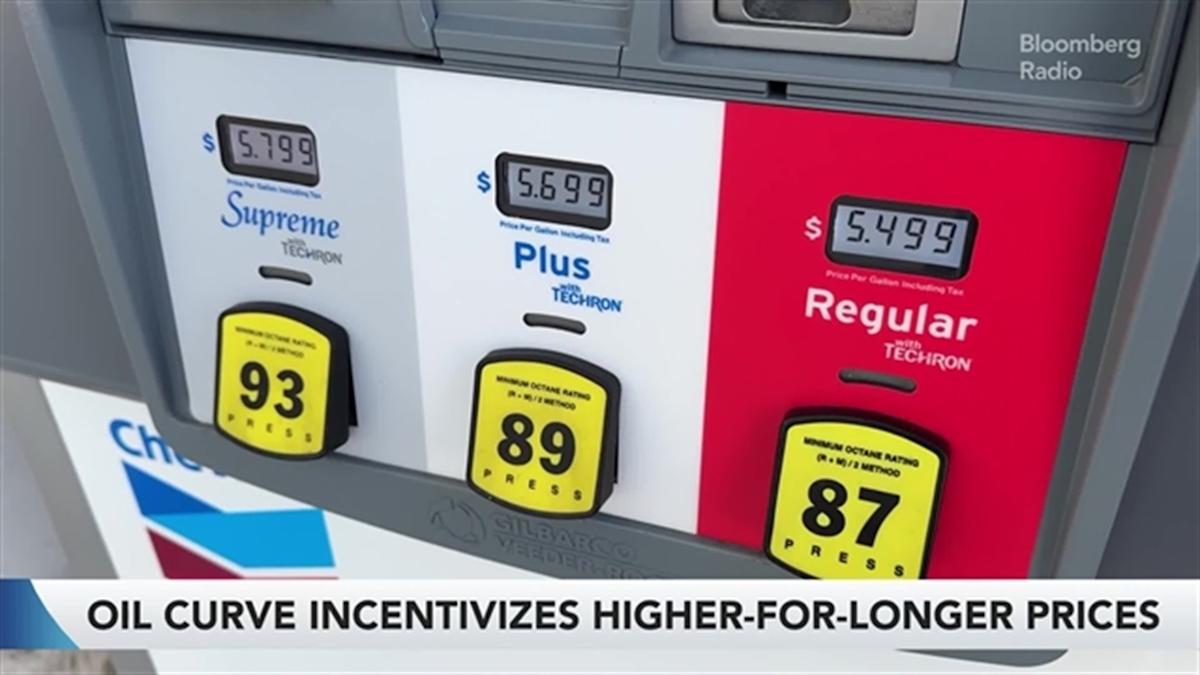
- Surging Fuel Costs: By the end of March, jet fuel prices in Europe surged 103% compared to the previous month, forcing airlines to cope with higher operating costs by increasing surcharges and canceling unprofitable routes.
- Flight Reductions: Major airlines like Lufthansa, SAS, and Air France-KLM have begun cutting flights, which is expected to impact long-haul travel demand, particularly for routes to the Middle East.
- Rail Travel Gains: Eurostar ticket sales to France surged 42% in April among UK residents, indicating a rising interest in rail travel, especially as flight uncertainties increase.
- Domestic Tourism Revival: Due to economic uncertainty and high international airfare, more UK families are opting for staycations, with Airbnb searches for UK stays up 15% year-on-year, reflecting strong domestic travel demand.

TRUMP: POSITIVE DISCUSSIONS ON IRAN OVER THE PAST DAY


- Trump's Recent Talks: Donald Trump has engaged in discussions regarding Iran over the past 24 hours.
- Focus on Iran: The conversations have been characterized as very positive, indicating a potential shift in diplomatic relations.
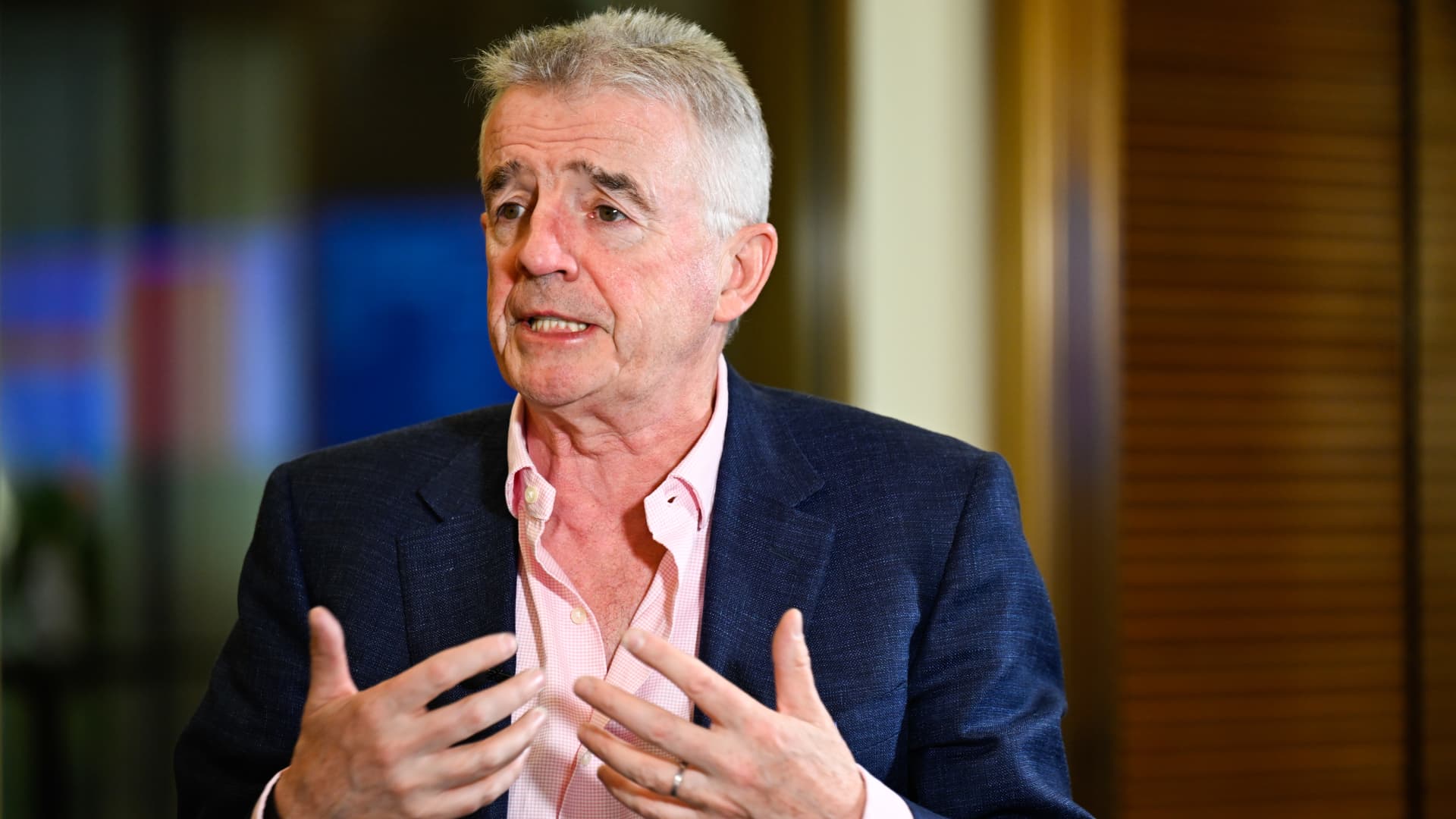
Ryanair CEO Warns of Airline Failures Amid High Jet Fuel Prices
- Surging Fuel Prices: Since the outbreak of the Middle East conflict on February 28, jet fuel prices have skyrocketed from $80 to $150 per barrel, prompting Ryanair CEO Michael O'Leary to warn that if prices remain elevated, European airlines will face real financial crises.
- Competitive Market Pressure: O'Leary noted that Ryanair has hedged 80% of its fuel, yet if jet fuel prices stay high this summer, other airlines could face bankruptcy risks, which could potentially benefit Ryanair's market share.
- Supply Chain Concerns: The International Energy Agency warned that Europe could face jet fuel shortages in six weeks due to supply disruptions from the Middle East, which previously accounted for 75% of Europe's net imports, with O'Leary urging for the Strait of Hormuz to reopen quickly to restore supply.
- Industry Response Measures: Other airlines like EasyJet and Lufthansa have taken steps to cope with high fuel costs, with EasyJet incurring an additional £25 million ($34 million) in March and expecting to raise ticket prices, while Lufthansa has cut 20,000 short-haul flights to save on fuel.
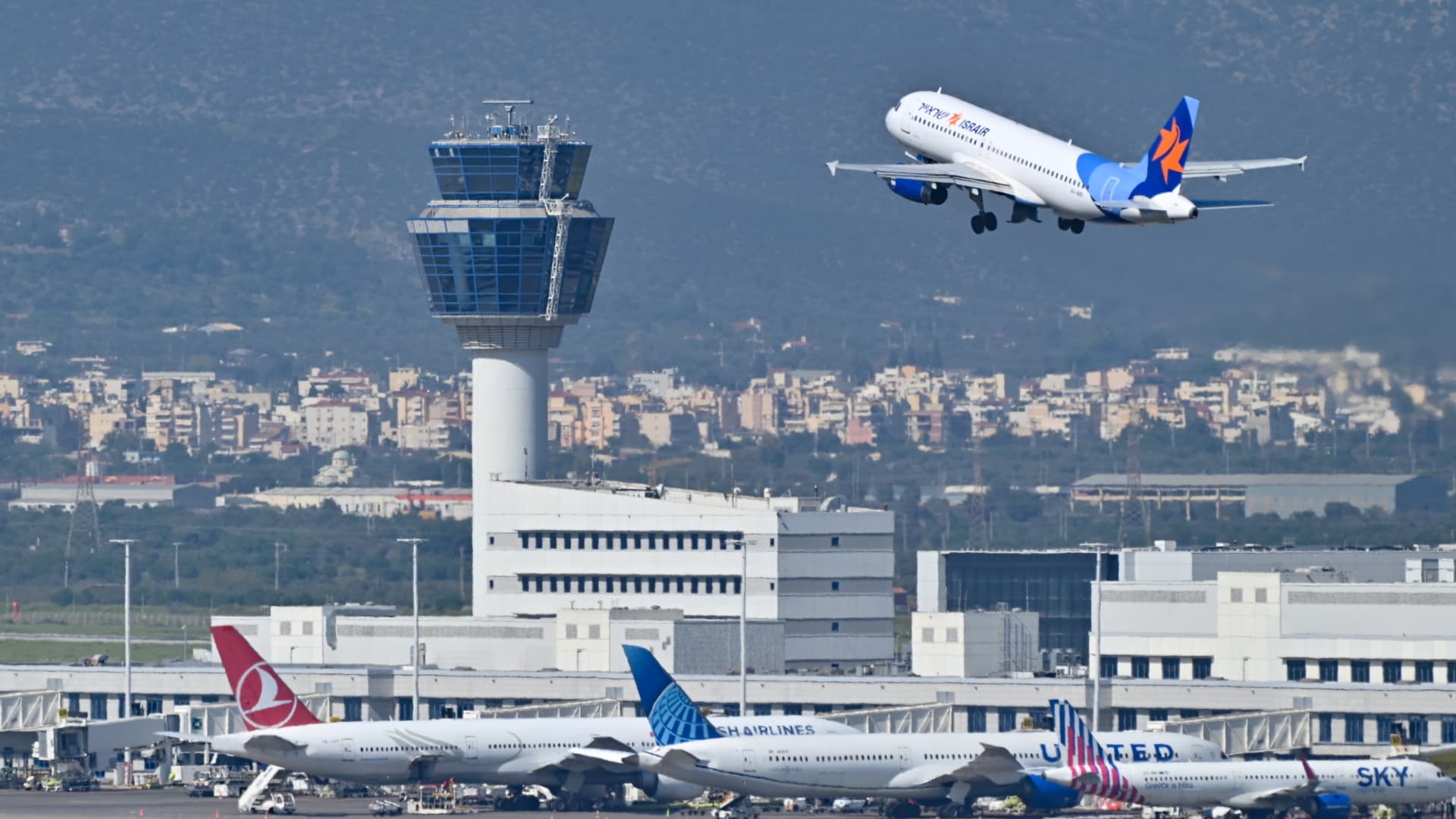
Jet Fuel Shortages Threaten Europe's Summer Travel
- Surging Jet Fuel Demand: IEA chief Fatih Birol indicated that Europe's jet fuel demand is projected to rise by 40% in August compared to March, while the closure of the Strait of Hormuz due to Middle East tensions poses a significant supply challenge.
- Price Hikes Impact Profitability: The International Air Transport Association reported a 103% increase in jet fuel prices by the end of March, compelling airlines to raise ticket prices to maintain profitability, which risks alienating customers and leading to reduced flight availability.
- Flight Reductions Implemented: German carrier Lufthansa plans to cut 20,000 short-haul flights through October to save 40,000 metric tons of jet fuel, while Scandinavian Airlines and KLM are also canceling thousands of flights due to rising fuel costs.
- Significant Economic Impact: According to ACI Europe, air connectivity generates €851 billion in GDP and supports 14 million jobs in Europe, with jet fuel shortages potentially jeopardizing these economic benefits.
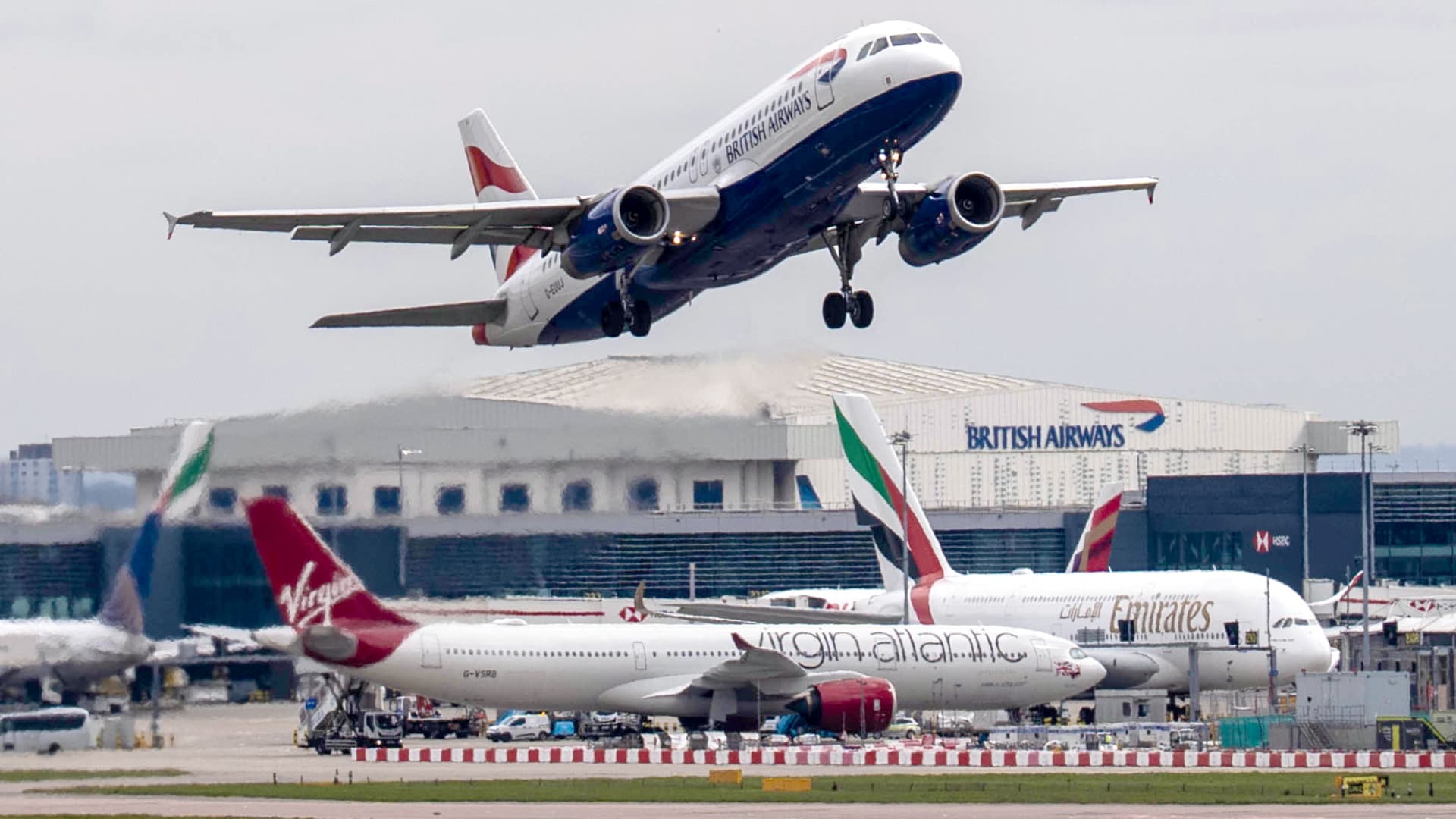
Europe's Airline Industry Faces Systemic Jet Fuel Shortage
- Fuel Shortage Risk: Europe's airline industry faces a systemic jet fuel shortage in the coming weeks due to the Strait of Hormuz blockade, with experts warning of potential hundreds of flight cancellations that could severely impact airline operations and profitability.
- Significant Economic Impact: ACI Europe reports that air travel generates €851 billion in GDP annually and supports 14 million jobs, indicating that shortages could have harsh economic consequences for several EU member states reliant on the summer travel season.
- Surging Oil Prices: The ongoing conflict with Iran has driven oil prices above $100 per barrel, resulting in a 103% month-on-month increase in jet fuel prices, exacerbating flight cancellations and downward revisions in profit expectations across the industry.
- Airlines' Response Measures: Several airlines have begun canceling flights and raising ticket prices, with Wizz Air projecting a €50 million hit to its 2026 net profit, while Virgin Atlantic struggles to achieve profitability even after implementing fuel surcharges, highlighting the ongoing challenges faced by the sector.

Sasol Announces Early Tender Results for 2029 Notes
- Tender Offer Overview: Sasol has announced a capped tender offer to repurchase up to $333.796 million of its 8.750% notes due 2029, indicating a strategic focus on optimizing its capital structure.
- Valid Tender Amount: As of April 13, 2026, valid tenders for the 2029 Notes reached $533.268 million, exceeding the capped maximum amount, which reflects strong market demand for these bonds.
- Payment Schedule: The company expects to make payments for accepted notes on April 30, 2026, funded by the proceeds from $750 million in senior notes due 2033 issued on April 10, ensuring effective liquidity management.
- Tender Deadline: The tender offer will expire on April 28, 2026, and due to the exceeded valid tender amount, no tenders after the early tender date are expected to be accepted, showcasing the company's keen awareness of market dynamics.
Europe's Airlines Face Jet Fuel Crisis Amid Rising Costs
- Surging Fuel Costs: By the end of March, jet fuel prices in Europe surged 103% compared to the previous month, forcing airlines to cope with higher operating costs by increasing surcharges and canceling unprofitable routes.
- Flight Reductions: Major airlines like Lufthansa, SAS, and Air France-KLM have begun cutting flights, which is expected to impact long-haul travel demand, particularly for routes to the Middle East.
- Rail Travel Gains: Eurostar ticket sales to France surged 42% in April among UK residents, indicating a rising interest in rail travel, especially as flight uncertainties increase.
- Domestic Tourism Revival: Due to economic uncertainty and high international airfare, more UK families are opting for staycations, with Airbnb searches for UK stays up 15% year-on-year, reflecting strong domestic travel demand.
TRUMP: POSITIVE DISCUSSIONS ON IRAN OVER THE PAST DAY
- Trump's Recent Talks: Donald Trump has engaged in discussions regarding Iran over the past 24 hours.
- Focus on Iran: The conversations have been characterized as very positive, indicating a potential shift in diplomatic relations.
Ryanair CEO Warns of Airline Failures Amid High Jet Fuel Prices
- Surging Fuel Prices: Since the outbreak of the Middle East conflict on February 28, jet fuel prices have skyrocketed from $80 to $150 per barrel, prompting Ryanair CEO Michael O'Leary to warn that if prices remain elevated, European airlines will face real financial crises.
- Competitive Market Pressure: O'Leary noted that Ryanair has hedged 80% of its fuel, yet if jet fuel prices stay high this summer, other airlines could face bankruptcy risks, which could potentially benefit Ryanair's market share.
- Supply Chain Concerns: The International Energy Agency warned that Europe could face jet fuel shortages in six weeks due to supply disruptions from the Middle East, which previously accounted for 75% of Europe's net imports, with O'Leary urging for the Strait of Hormuz to reopen quickly to restore supply.
- Industry Response Measures: Other airlines like EasyJet and Lufthansa have taken steps to cope with high fuel costs, with EasyJet incurring an additional £25 million ($34 million) in March and expecting to raise ticket prices, while Lufthansa has cut 20,000 short-haul flights to save on fuel.
Jet Fuel Shortages Threaten Europe's Summer Travel
- Surging Jet Fuel Demand: IEA chief Fatih Birol indicated that Europe's jet fuel demand is projected to rise by 40% in August compared to March, while the closure of the Strait of Hormuz due to Middle East tensions poses a significant supply challenge.
- Price Hikes Impact Profitability: The International Air Transport Association reported a 103% increase in jet fuel prices by the end of March, compelling airlines to raise ticket prices to maintain profitability, which risks alienating customers and leading to reduced flight availability.
- Flight Reductions Implemented: German carrier Lufthansa plans to cut 20,000 short-haul flights through October to save 40,000 metric tons of jet fuel, while Scandinavian Airlines and KLM are also canceling thousands of flights due to rising fuel costs.
- Significant Economic Impact: According to ACI Europe, air connectivity generates €851 billion in GDP and supports 14 million jobs in Europe, with jet fuel shortages potentially jeopardizing these economic benefits.
Europe's Airline Industry Faces Systemic Jet Fuel Shortage
- Fuel Shortage Risk: Europe's airline industry faces a systemic jet fuel shortage in the coming weeks due to the Strait of Hormuz blockade, with experts warning of potential hundreds of flight cancellations that could severely impact airline operations and profitability.
- Significant Economic Impact: ACI Europe reports that air travel generates €851 billion in GDP annually and supports 14 million jobs, indicating that shortages could have harsh economic consequences for several EU member states reliant on the summer travel season.
- Surging Oil Prices: The ongoing conflict with Iran has driven oil prices above $100 per barrel, resulting in a 103% month-on-month increase in jet fuel prices, exacerbating flight cancellations and downward revisions in profit expectations across the industry.
- Airlines' Response Measures: Several airlines have begun canceling flights and raising ticket prices, with Wizz Air projecting a €50 million hit to its 2026 net profit, while Virgin Atlantic struggles to achieve profitability even after implementing fuel surcharges, highlighting the ongoing challenges faced by the sector.
Sasol Announces Early Tender Results for 2029 Notes
- Tender Offer Overview: Sasol has announced a capped tender offer to repurchase up to $333.796 million of its 8.750% notes due 2029, indicating a strategic focus on optimizing its capital structure.
- Valid Tender Amount: As of April 13, 2026, valid tenders for the 2029 Notes reached $533.268 million, exceeding the capped maximum amount, which reflects strong market demand for these bonds.
- Payment Schedule: The company expects to make payments for accepted notes on April 30, 2026, funded by the proceeds from $750 million in senior notes due 2033 issued on April 10, ensuring effective liquidity management.
- Tender Deadline: The tender offer will expire on April 28, 2026, and due to the exceeded valid tender amount, no tenders after the early tender date are expected to be accepted, showcasing the company's keen awareness of market dynamics.