RTX to pay over $280 million to resolve US foreign bribery probe
Written by Emily J. Thompson, Senior Investment Analyst
Updated: Oct 16 2024
0mins
Should l Buy RTX?
Source: Reuters
Criminal Charges Resolved: RTX's Raytheon subsidiary has agreed to pay over $280 million to resolve criminal charges related to a foreign bribery investigation, entering into a deferred prosecution agreement lasting 3.5 years.
Ongoing Investigations and Settlements: The settlement is part of broader investigations dating back to 2019, with the company having set aside $959 million for expected settlements with the Justice Department and SEC, including penalties for violating the Foreign Corrupt Practices Act.
Trade with 70% Backtested Accuracy
Stop guessing "Should I Buy RTX?" and start using high-conviction signals backed by rigorous historical data.
Sign up today to access powerful investing tools and make smarter, data-driven decisions.
Analyst Views on RTX
Wall Street analysts forecast RTX stock price to fall
14 Analyst Rating
9 Buy
5 Hold
0 Sell
Moderate Buy
Current: 195.790

Low
168.00
Averages
195.77
High
215.00
Current: 195.790
Low
168.00
Averages
195.77
High
215.00
About RTX
RTX Corporation is an aerospace and defense company, which provides advanced systems and services for commercial, military, and government customers worldwide. The Company operates through three segments: Collins Aerospace, Pratt & Whitney, and Raytheon. Collins Aerospace segment provides technologically advanced aerospace and defense products and aftermarket service solutions for civil and military aircraft manufacturers, commercial airlines, and regional, business and general aviation, as well as for defense and commercial space operations. The Pratt & Whitney segment supplies aircraft engines for commercial, military, business jet, and general aviation customers. The Raytheon segment provides defensive and offensive threat detection, tracking and mitigation capabilities for the United States and foreign government and commercial customers. The Raytheon designs, develops, and provides advanced capabilities in integrated air and missile defense, smart weapons, missiles and others.
About the author

Emily J. Thompson
Emily J. Thompson, a Chartered Financial Analyst (CFA) with 12 years in investment research, graduated with honors from the Wharton School. Specializing in industrial and technology stocks, she provides in-depth analysis for Intellectia’s earnings and market brief reports.
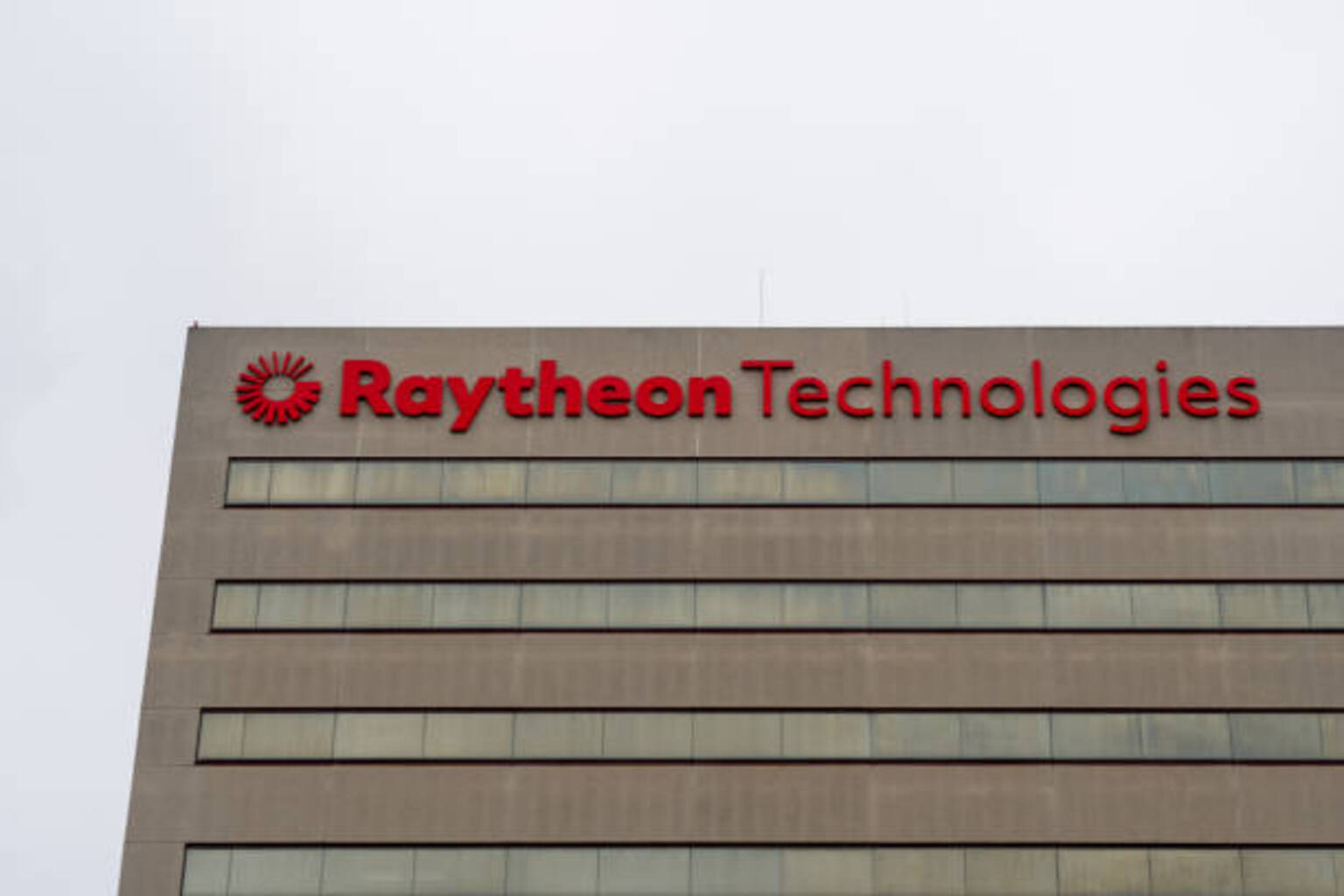
Raytheon Missiles Secures $213.4M Contract Modification for Navy Systems

- Significant Contract Value: Raytheon Missiles and Defense has secured a $213.4 million contract modification, covering installation, integration, testing, maintenance, and upgrades for Zumwalt-class Navy combat systems, indicating strong demand in the defense sector.
- Project Completion Timeline: The work is expected to be completed by April 2027, demonstrating the company's ongoing commitment to long-term defense projects, which could positively impact future revenue streams.
- Budget Funding Allocation: The FY25 and FY26 Navy budget funds will be obligated at the time of award, with approximately $32.3 million set to expire by the end of FY26, highlighting the importance of effective fund management.
- Stock Price Reaction: RTX's stock traded slightly higher at $195.96 in after-hours trading, reflecting a positive market response to the contract, which may enhance investor confidence in the company.
See More
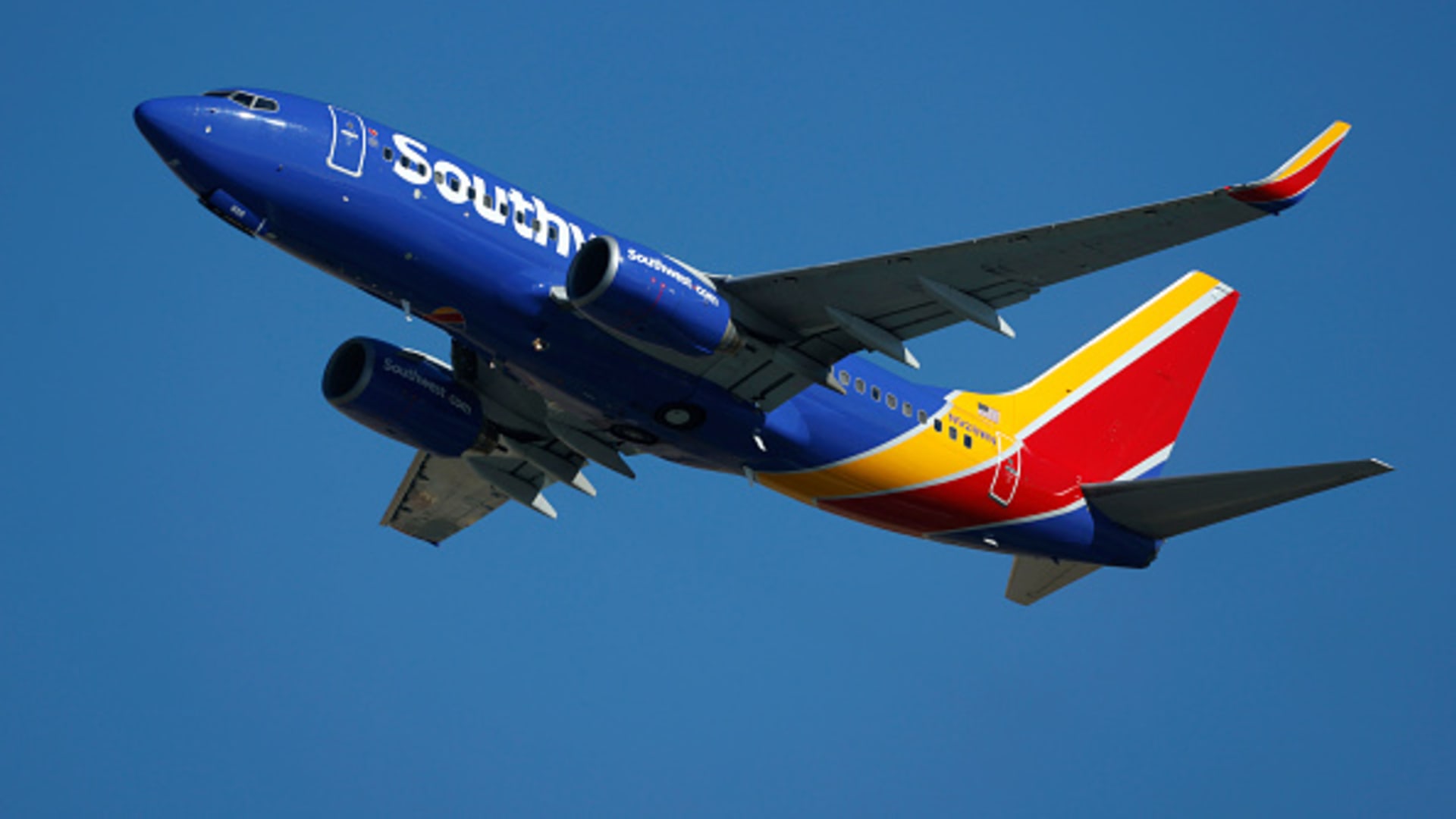
UBS Analysis: Impact of US-Iran Ceasefire on Stocks


- Ceasefire Impact Assessment: UBS analysts evaluated individual stocks' performance during the US-Iran ceasefire using three metrics, including exposure to Middle Eastern commodities, pricing power, and sensitivity to past supply shocks, providing investors with clear investment directions.
- Southwest Airlines Outlook: The stock of Southwest Airlines fell over 25% during the war, but UBS believes it will benefit if hostilities cease; prior to the conflict, analysts upgraded the stock to buy, anticipating that new initiatives would enhance profitability.
- Procter & Gamble Potential Winner: As of Monday, Procter & Gamble's stock was 14% below its pre-war level, despite gaining 17% in the first two months of the year, and UBS sees potential for recovery and increased market confidence if peace is achieved.
- UPS Growth Opportunities: UPS's stock rose 17% in the two months before the war but fell 18% during hostilities; UBS analysts noted that avoiding further conflict could benefit UPS due to its undervalued stock and potential earnings growth.
See More
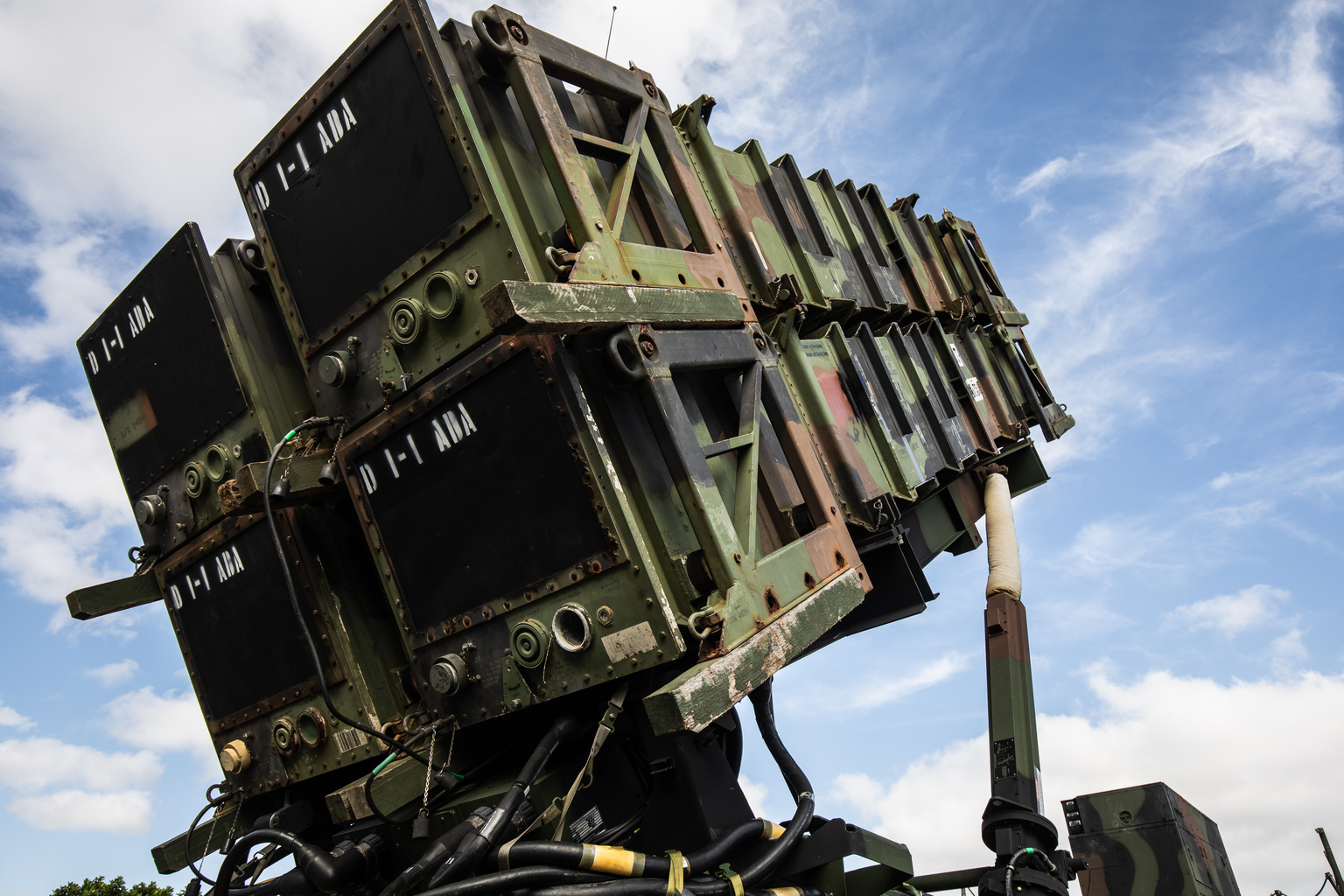
U.S. Navy Plans to Equip Warships with Patriot Missiles

- Enhanced Defense Capability: The U.S. Navy's plan to equip warships with Patriot missile interceptors involves an initial contract worth approximately $93 million, with the total program potentially reaching $200 million, significantly bolstering naval defenses against drones and incoming missiles.
- Increased Budget Request: The Navy's fiscal 2027 budget request includes $1.7 billion for purchasing PAC-3 missiles, indicating a rising demand for missile defense systems amid geopolitical tensions, which is favorable for defense contractors like Lockheed Martin.
- Production Capacity Expansion: The Pentagon has awarded Lockheed a seven-year agreement to increase annual PAC-3 MSE output from 600 to 2,000 missiles by the end of 2030, reflecting strong demand for high-margin precision munitions.
- Inventory Expansion Strategy: The Navy projects a surge in Tomahawk missile purchases to 785 next year from just 55 this year, highlighting the Pentagon's rapid efforts to rebuild and expand missile inventories in response to modern conflict challenges.
See More
Market Volatility and Corporate Earnings Updates


- Oil Price Surge Impact: The U.S. WTI crude oil price jumped 5% to $94 per barrel, causing the benchmark 10-Year Treasury yield to rise to 4.3%, leading to a market pullback after early gains, indicating investor sensitivity to oil price fluctuations.
- Mixed Earnings Reactions: While many companies exceeded analyst EPS expectations, such as UnitedHealth beating by 66 cents, most only slightly raised their full-year outlooks, reflecting management's cautious stance amid economic uncertainty.
- Ongoing Geopolitical Effects: Vice President JD Vance's diplomatic trip was postponed due to Iran's lack of response to U.S. negotiating positions, and despite a calming of geopolitical tensions, the market remains uneasy about the future of the Iran war ceasefire, impacting investor confidence.
- Upcoming Earnings Focus: Capital One is expected to report total revenue of $15.36 billion and adjusted EPS of $4.55, with investors looking for more meaningful synergies from the Discover acquisition, highlighting concerns about future growth prospects.
See More

Pratt & Whitney Invests Over $100 Million to Expand MRO Capacity
- Significant Investment: Pratt & Whitney is investing over $100 million across three MRO facilities in Texas, Florida, and Arkansas to enhance GTF engine maintenance capacity, thereby improving customer service efficiency and market competitiveness.
- Facility Expansion and Tech Upgrade: The introduction of new equipment and facility expansions will significantly enhance the speed and efficiency of the MRO process, expected to accelerate the turnaround of GTF engines and parts to meet the growing demands of airlines.
- Optimized Network Layout: The GTF MRO network includes 21 global engine centers and approximately 40 component repair facilities in the U.S., strengthening its competitive edge in the single-aisle market and supporting maintenance for over 2,700 GTF-powered aircraft.
- Broad Market Prospects: The GTF engine has secured over 13,000 orders and commitments, and with the recovery of the global aviation market, it is anticipated to further drive revenue growth and increase market share for the company.
See More

Pratt & Whitney Invests Over $100 Million to Expand MRO Capacity
- Significant Investment: Pratt & Whitney is investing over $100 million across three MRO sites in Texas, Florida, and Arkansas to enhance GTF engine maintenance capacity, thereby accelerating engine turnaround times and strengthening market competitiveness.
- Texas Expansion: The $78 million investment in Texas includes a new 500,000-square-foot facility that will increase USM stock by over 60%, significantly reducing delays in the MRO process and improving overall operational efficiency.
- Florida Capacity Boost: The West Palm Beach Engine Center in Florida has expanded by approximately 50,000 square feet, increasing GTF MRO capacity by 40%, with new equipment added to expedite engine assembly, disassembly, and testing, further optimizing service quality.
- Arkansas Technological Innovation: The Springdale facility in Arkansas has expanded by 7,000 square feet, with new equipment enabling GTF additive manufacturing repairs that will reduce process time by over 60%, enhancing repair capabilities for both commercial and military engines and strengthening overall technical prowess.
See More
Raytheon Missiles Secures $213.4M Contract Modification for Navy Systems
- Significant Contract Value: Raytheon Missiles and Defense has secured a $213.4 million contract modification, covering installation, integration, testing, maintenance, and upgrades for Zumwalt-class Navy combat systems, indicating strong demand in the defense sector.
- Project Completion Timeline: The work is expected to be completed by April 2027, demonstrating the company's ongoing commitment to long-term defense projects, which could positively impact future revenue streams.
- Budget Funding Allocation: The FY25 and FY26 Navy budget funds will be obligated at the time of award, with approximately $32.3 million set to expire by the end of FY26, highlighting the importance of effective fund management.
- Stock Price Reaction: RTX's stock traded slightly higher at $195.96 in after-hours trading, reflecting a positive market response to the contract, which may enhance investor confidence in the company.
See More
UBS Analysis: Impact of US-Iran Ceasefire on Stocks
- Ceasefire Impact Assessment: UBS analysts evaluated individual stocks' performance during the US-Iran ceasefire using three metrics, including exposure to Middle Eastern commodities, pricing power, and sensitivity to past supply shocks, providing investors with clear investment directions.
- Southwest Airlines Outlook: The stock of Southwest Airlines fell over 25% during the war, but UBS believes it will benefit if hostilities cease; prior to the conflict, analysts upgraded the stock to buy, anticipating that new initiatives would enhance profitability.
- Procter & Gamble Potential Winner: As of Monday, Procter & Gamble's stock was 14% below its pre-war level, despite gaining 17% in the first two months of the year, and UBS sees potential for recovery and increased market confidence if peace is achieved.
- UPS Growth Opportunities: UPS's stock rose 17% in the two months before the war but fell 18% during hostilities; UBS analysts noted that avoiding further conflict could benefit UPS due to its undervalued stock and potential earnings growth.
See More
U.S. Navy Plans to Equip Warships with Patriot Missiles
- Enhanced Defense Capability: The U.S. Navy's plan to equip warships with Patriot missile interceptors involves an initial contract worth approximately $93 million, with the total program potentially reaching $200 million, significantly bolstering naval defenses against drones and incoming missiles.
- Increased Budget Request: The Navy's fiscal 2027 budget request includes $1.7 billion for purchasing PAC-3 missiles, indicating a rising demand for missile defense systems amid geopolitical tensions, which is favorable for defense contractors like Lockheed Martin.
- Production Capacity Expansion: The Pentagon has awarded Lockheed a seven-year agreement to increase annual PAC-3 MSE output from 600 to 2,000 missiles by the end of 2030, reflecting strong demand for high-margin precision munitions.
- Inventory Expansion Strategy: The Navy projects a surge in Tomahawk missile purchases to 785 next year from just 55 this year, highlighting the Pentagon's rapid efforts to rebuild and expand missile inventories in response to modern conflict challenges.
See More
Market Volatility and Corporate Earnings Updates
- Oil Price Surge Impact: The U.S. WTI crude oil price jumped 5% to $94 per barrel, causing the benchmark 10-Year Treasury yield to rise to 4.3%, leading to a market pullback after early gains, indicating investor sensitivity to oil price fluctuations.
- Mixed Earnings Reactions: While many companies exceeded analyst EPS expectations, such as UnitedHealth beating by 66 cents, most only slightly raised their full-year outlooks, reflecting management's cautious stance amid economic uncertainty.
- Ongoing Geopolitical Effects: Vice President JD Vance's diplomatic trip was postponed due to Iran's lack of response to U.S. negotiating positions, and despite a calming of geopolitical tensions, the market remains uneasy about the future of the Iran war ceasefire, impacting investor confidence.
- Upcoming Earnings Focus: Capital One is expected to report total revenue of $15.36 billion and adjusted EPS of $4.55, with investors looking for more meaningful synergies from the Discover acquisition, highlighting concerns about future growth prospects.
See More
Pratt & Whitney Invests Over $100 Million to Expand MRO Capacity
- Significant Investment: Pratt & Whitney is investing over $100 million across three MRO facilities in Texas, Florida, and Arkansas to enhance GTF engine maintenance capacity, thereby improving customer service efficiency and market competitiveness.
- Facility Expansion and Tech Upgrade: The introduction of new equipment and facility expansions will significantly enhance the speed and efficiency of the MRO process, expected to accelerate the turnaround of GTF engines and parts to meet the growing demands of airlines.
- Optimized Network Layout: The GTF MRO network includes 21 global engine centers and approximately 40 component repair facilities in the U.S., strengthening its competitive edge in the single-aisle market and supporting maintenance for over 2,700 GTF-powered aircraft.
- Broad Market Prospects: The GTF engine has secured over 13,000 orders and commitments, and with the recovery of the global aviation market, it is anticipated to further drive revenue growth and increase market share for the company.
See More
Pratt & Whitney Invests Over $100 Million to Expand MRO Capacity
- Significant Investment: Pratt & Whitney is investing over $100 million across three MRO sites in Texas, Florida, and Arkansas to enhance GTF engine maintenance capacity, thereby accelerating engine turnaround times and strengthening market competitiveness.
- Texas Expansion: The $78 million investment in Texas includes a new 500,000-square-foot facility that will increase USM stock by over 60%, significantly reducing delays in the MRO process and improving overall operational efficiency.
- Florida Capacity Boost: The West Palm Beach Engine Center in Florida has expanded by approximately 50,000 square feet, increasing GTF MRO capacity by 40%, with new equipment added to expedite engine assembly, disassembly, and testing, further optimizing service quality.
- Arkansas Technological Innovation: The Springdale facility in Arkansas has expanded by 7,000 square feet, with new equipment enabling GTF additive manufacturing repairs that will reduce process time by over 60%, enhancing repair capabilities for both commercial and military engines and strengthening overall technical prowess.
See More