

Thursday's ETF with Unusual Volume: FTXL
Written by Emily J. Thompson, Senior Investment Analyst
Updated: Dec 12 2024
0mins

Source: NASDAQ.COM
ETF Trading Activity: The First Trust Nasdaq Semiconductor ETF saw significant trading volume on Thursday, with Nvidia down 1.3% and Intel up 2.5%, while Micron Technology lagged with a 4.2% decline.
Market Commentary: The opinions expressed in the article are those of the author and do not necessarily represent Nasdaq, Inc.
Trade with 70% Backtested Accuracy
Stop guessing "Should I Buy NVDA?" and start using high-conviction signals backed by rigorous historical data.
Sign up today to access powerful investing tools and make smarter, data-driven decisions.
Analyst Views on NVDA
Wall Street analysts forecast NVDA stock price to rise
41 Analyst Rating
39 Buy
1 Hold
1 Sell
Strong Buy
Current: 194.830

Low
200.00
Averages
264.97
High
352.00
Current: 194.830
Low
200.00
Averages
264.97
High
352.00
About NVDA
NVIDIA Corporation is an artificial intelligence (AI) infrastructure company. The Company is engaged in accelerated computing to help solve the challenging computational problems. Its segments include Compute & Networking and Graphics. The Compute & Networking segment includes its Data Center accelerated computing and networking platforms and AI solutions and software, and automotive platforms and autonomous and electric vehicle solutions, including software. The Graphics segment includes GeForce GPUs for gaming and personal computers (PCs), and Quadro/NVIDIA RTX GPUs for enterprise workstation graphics. Its technology stack includes the foundational NVIDIA CUDA development platform that runs on all NVIDIA GPUs, as well as hundreds of domain-specific software libraries, frameworks, algorithms, software development kits (SDKs), and application programming interfaces (APIs). Its platforms address four markets, which include Data Center, Gaming, Professional Visualization, and Automotive.
About the author

Emily J. Thompson
Emily J. Thompson, a Chartered Financial Analyst (CFA) with 12 years in investment research, graduated with honors from the Wharton School. Specializing in industrial and technology stocks, she provides in-depth analysis for Intellectia’s earnings and market brief reports.

Nvidia's Future Growth Potential Analysis

- AI Infrastructure Investment: Nvidia anticipates hyperscaler spending on AI infrastructure will exceed $1 trillion by 2027, with a projected $650 billion in 2026, indicating substantial future revenue growth potential despite market concerns over excessive spending.
- Stock Price Analysis: Nvidia's stock has fallen from above $200 to its current level, down approximately 16% from its highs and only up 6% year-to-date, which is disappointing for investors; however, analysts remain optimistic about its future prospects.
- Earnings Forecast: Analysts project earnings per share of $12.76 for fiscal 2028, which may be conservative given Nvidia's historical growth; using a reasonable earnings multiple of 25, the stock price could reach $319 by the end of fiscal 2028.
- Investment Recommendation: Despite recent stock price declines, analysts believe Nvidia remains an excellent investment opportunity, with expectations that the stock could easily reach $300 by late 2027, offering a potential 50% return, reflecting strong market confidence in its long-term growth.
See More
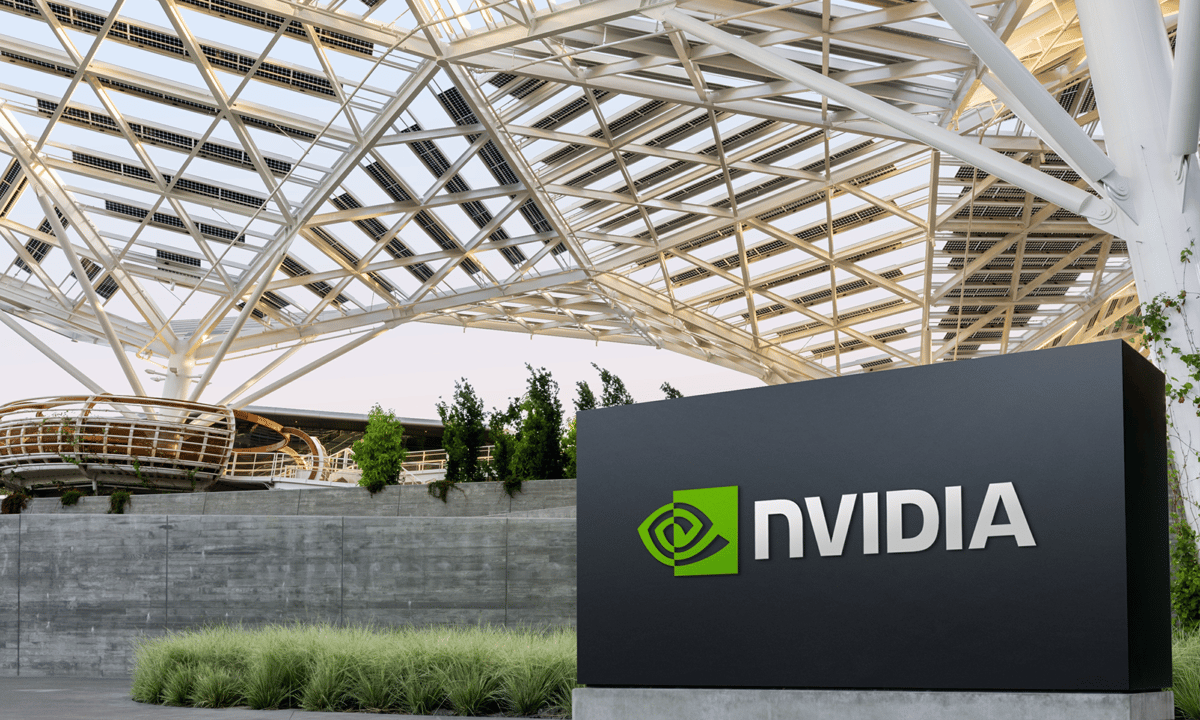
Berkshire's New Strategy Post-Buffett Retirement
- Portfolio Adjustment: Under CEO Abel's leadership, Berkshire initiated a stake in Alphabet during Q3 2025, increasing it to nearly 54 million shares, indicating a preference for high-growth tech investments that could enhance returns in the AI sector.
- Exit from Amazon: Berkshire completely exited its long-standing investment in Amazon, reflecting Abel's differentiated strategy among tech giants, which may provide the company with greater investment flexibility and potential returns.
- Strategic Investment in Nvidia: Nvidia's $1 billion investment in Nokia to enhance its AI network infrastructure demonstrates its leadership in the AI ecosystem, potentially offering Berkshire long-term capital appreciation opportunities.
- Profitability and Valuation Appeal: Nvidia's revenue surged due to AI demand, with its stock price appreciating over 1,000% in recent years, and its reasonable P/E ratio positions it as an ideal investment for Berkshire seeking long-term compounding growth.
See More

Palantir Stock Rebounds Amid AI Software Market Recovery

- Stock Rebound: After significant sell-offs in June, Palantir's stock has rebounded approximately 11% in July, indicating a renewed investor interest in AI software, which may signal a recovery in market confidence.
- Contract Risk: Palantir's contract with the UK's National Health Service (NHS) is set to expire early next year, and the UK Parliament's Science Committee expressed disfavor towards renewal last month, heightening concerns over the $440 million contract's future.
- Investor Dynamics: Notable investor Michael Burry has reduced his short position against Palantir, with news emerging at the end of June, which may have positively influenced the stock's rebound and reflects an improved market sentiment towards the company.
- Analyst Rating Upgrade: DA Davidson upgraded Palantir's rating from neutral to buy on July 2, raising its one-year price target from $165 to $175, indicating analysts' confidence in the company's future growth prospects.
See More

DeepSeek Develops Own AI Chip, Potential Impact on Nvidia
- AI Chip Development: DeepSeek is developing its own AI chip focused on the inference stage, and although still in early stages, it has reached out to chip design, foundry, and memory partners, indicating its ambitions in the AI sector.
- Hiring Trends: The company has quietly increased hiring of chip design engineers without public job postings, reflecting its demand for technical talent and commitment to future development.
- Market Competition Pressure: Due to U.S. export controls limiting Chinese companies' access to Nvidia's advanced chips, DeepSeek has been forced to rely on Nvidia's older H800 and Huawei's Ascend processors, putting it at a technological disadvantage and highlighting the urgent need for in-house chip development to reduce dependency.
- Industry Trends: Huawei currently holds about 50% of China's AI chip market but faces competitive pressure from Alibaba and Baidu, which are also actively developing their own chips, suggesting that DeepSeek's initiatives may further intensify market competition.
See More

Palantir Stock Rebounds Amid Ongoing Challenges
- Stock Volatility: Palantir experienced significant sell-offs in June, with its stock price declining as investors shifted focus from AI software to hardware, resulting in a drop in its valuation and reflecting weakened market confidence in AI software companies.
- Contract Renewal Risks: The company's contract with the UK's National Health Service (NHS) is set to expire early next year, and the UK Parliament's Science Committee expressed disfavor towards renewal last month, with the contract valued at approximately $440 million, potentially impacting future revenues negatively.
- Investor Sentiment Shift: Despite facing pressures, Palantir's stock rebounded by about 11% in July, partly due to renowned investor Michael Burry reducing his short position against the company, indicating a recovery in market confidence regarding its future prospects.
- Analyst Rating Upgrade: DA Davidson upgraded Palantir's rating from neutral to buy on July 2, raising its one-year price target from $165 to $175 per share, which could further drive stock price increases due to positive analyst coverage.
See More
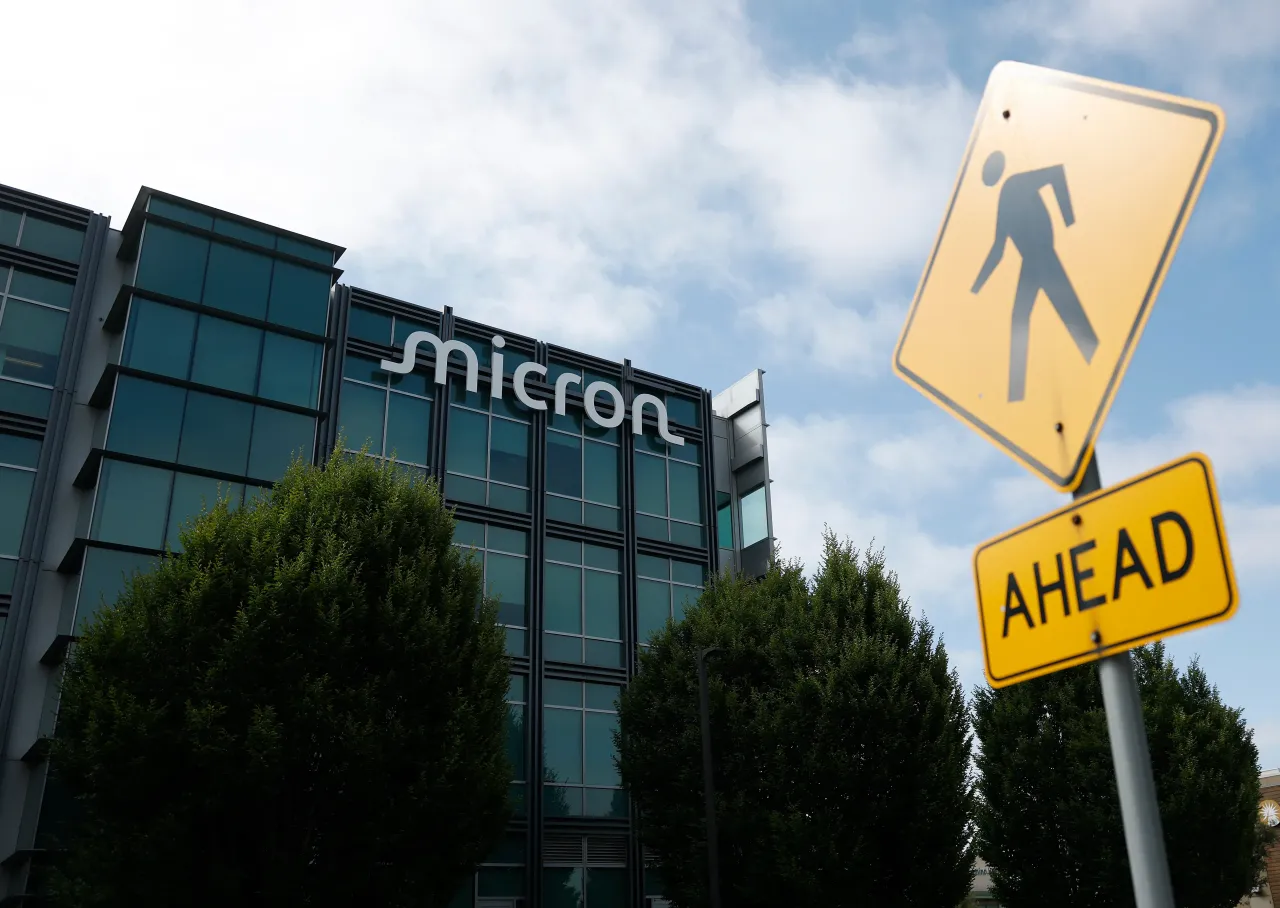
U.S. Memory Chip Stocks Decline Despite Samsung's Strong Earnings


- Market Decline: U.S. memory chip stocks fell sharply in Tuesday's premarket trading, with Micron and Western Digital both down 5%, indicating a broader market pessimism that could undermine investor confidence in the semiconductor sector.
- Korean Market Impact: The South Korean stock market briefly entered bear territory due to losses in Samsung Electronics and SK Hynix, which dropped 6.9% and 6.1% respectively, negatively impacting the global memory chip market sentiment.
- Investor Sentiment: Despite the declines in Micron and SanDisk, retail sentiment on Stocktwits was 'extremely bullish' for SanDisk and 'bullish' for Micron and DRAM, suggesting that traders are viewing the dips as potential buying opportunities.
- Profit Booking Phenomenon: Profit-taking was evident in memory stocks, with Micron and SanDisk trading below their peaks from last month, and DRAM prices down 19% from their June 22 high, reflecting a cautious market outlook on short-term profitability.
See More
Nvidia's Future Growth Potential Analysis
- AI Infrastructure Investment: Nvidia anticipates hyperscaler spending on AI infrastructure will exceed $1 trillion by 2027, with a projected $650 billion in 2026, indicating substantial future revenue growth potential despite market concerns over excessive spending.
- Stock Price Analysis: Nvidia's stock has fallen from above $200 to its current level, down approximately 16% from its highs and only up 6% year-to-date, which is disappointing for investors; however, analysts remain optimistic about its future prospects.
- Earnings Forecast: Analysts project earnings per share of $12.76 for fiscal 2028, which may be conservative given Nvidia's historical growth; using a reasonable earnings multiple of 25, the stock price could reach $319 by the end of fiscal 2028.
- Investment Recommendation: Despite recent stock price declines, analysts believe Nvidia remains an excellent investment opportunity, with expectations that the stock could easily reach $300 by late 2027, offering a potential 50% return, reflecting strong market confidence in its long-term growth.
See More
Berkshire's New Strategy Post-Buffett Retirement
- Portfolio Adjustment: Under CEO Abel's leadership, Berkshire initiated a stake in Alphabet during Q3 2025, increasing it to nearly 54 million shares, indicating a preference for high-growth tech investments that could enhance returns in the AI sector.
- Exit from Amazon: Berkshire completely exited its long-standing investment in Amazon, reflecting Abel's differentiated strategy among tech giants, which may provide the company with greater investment flexibility and potential returns.
- Strategic Investment in Nvidia: Nvidia's $1 billion investment in Nokia to enhance its AI network infrastructure demonstrates its leadership in the AI ecosystem, potentially offering Berkshire long-term capital appreciation opportunities.
- Profitability and Valuation Appeal: Nvidia's revenue surged due to AI demand, with its stock price appreciating over 1,000% in recent years, and its reasonable P/E ratio positions it as an ideal investment for Berkshire seeking long-term compounding growth.
See More
Palantir Stock Rebounds Amid AI Software Market Recovery
- Stock Rebound: After significant sell-offs in June, Palantir's stock has rebounded approximately 11% in July, indicating a renewed investor interest in AI software, which may signal a recovery in market confidence.
- Contract Risk: Palantir's contract with the UK's National Health Service (NHS) is set to expire early next year, and the UK Parliament's Science Committee expressed disfavor towards renewal last month, heightening concerns over the $440 million contract's future.
- Investor Dynamics: Notable investor Michael Burry has reduced his short position against Palantir, with news emerging at the end of June, which may have positively influenced the stock's rebound and reflects an improved market sentiment towards the company.
- Analyst Rating Upgrade: DA Davidson upgraded Palantir's rating from neutral to buy on July 2, raising its one-year price target from $165 to $175, indicating analysts' confidence in the company's future growth prospects.
See More
DeepSeek Develops Own AI Chip, Potential Impact on Nvidia
- AI Chip Development: DeepSeek is developing its own AI chip focused on the inference stage, and although still in early stages, it has reached out to chip design, foundry, and memory partners, indicating its ambitions in the AI sector.
- Hiring Trends: The company has quietly increased hiring of chip design engineers without public job postings, reflecting its demand for technical talent and commitment to future development.
- Market Competition Pressure: Due to U.S. export controls limiting Chinese companies' access to Nvidia's advanced chips, DeepSeek has been forced to rely on Nvidia's older H800 and Huawei's Ascend processors, putting it at a technological disadvantage and highlighting the urgent need for in-house chip development to reduce dependency.
- Industry Trends: Huawei currently holds about 50% of China's AI chip market but faces competitive pressure from Alibaba and Baidu, which are also actively developing their own chips, suggesting that DeepSeek's initiatives may further intensify market competition.
See More
Palantir Stock Rebounds Amid Ongoing Challenges
- Stock Volatility: Palantir experienced significant sell-offs in June, with its stock price declining as investors shifted focus from AI software to hardware, resulting in a drop in its valuation and reflecting weakened market confidence in AI software companies.
- Contract Renewal Risks: The company's contract with the UK's National Health Service (NHS) is set to expire early next year, and the UK Parliament's Science Committee expressed disfavor towards renewal last month, with the contract valued at approximately $440 million, potentially impacting future revenues negatively.
- Investor Sentiment Shift: Despite facing pressures, Palantir's stock rebounded by about 11% in July, partly due to renowned investor Michael Burry reducing his short position against the company, indicating a recovery in market confidence regarding its future prospects.
- Analyst Rating Upgrade: DA Davidson upgraded Palantir's rating from neutral to buy on July 2, raising its one-year price target from $165 to $175 per share, which could further drive stock price increases due to positive analyst coverage.
See More
U.S. Memory Chip Stocks Decline Despite Samsung's Strong Earnings
- Market Decline: U.S. memory chip stocks fell sharply in Tuesday's premarket trading, with Micron and Western Digital both down 5%, indicating a broader market pessimism that could undermine investor confidence in the semiconductor sector.
- Korean Market Impact: The South Korean stock market briefly entered bear territory due to losses in Samsung Electronics and SK Hynix, which dropped 6.9% and 6.1% respectively, negatively impacting the global memory chip market sentiment.
- Investor Sentiment: Despite the declines in Micron and SanDisk, retail sentiment on Stocktwits was 'extremely bullish' for SanDisk and 'bullish' for Micron and DRAM, suggesting that traders are viewing the dips as potential buying opportunities.
- Profit Booking Phenomenon: Profit-taking was evident in memory stocks, with Micron and SanDisk trading below their peaks from last month, and DRAM prices down 19% from their June 22 high, reflecting a cautious market outlook on short-term profitability.
See More





