Three Homebuilder Stocks to Monitor for a Housing Recovery in 2026

U.S. Housing Market Outlook: The U.S. housing market is at a pivotal point as mortgage rates ease and the Federal Reserve adopts a more accommodative stance, potentially leading to a gradual rebound in 2026 despite ongoing inflation and labor market challenges.
Homebuilder Positioning: Companies like Lennar, Century Communities, and Green Brick Partners are well-positioned to benefit from improving buyer sentiment due to their disciplined land strategies, cost management, and operational flexibility, which could enhance their market share as demand increases.
Economic Indicators: The Federal Reserve has lowered its GDP growth outlook for 2026 to 2.3% and expects inflation to ease to 2.5%, which may improve household confidence and affordability conditions in the housing market.
Market Supply and Demand: The U.S. housing market remains significantly undersupplied, with structural demand high due to years of underbuilding, suggesting that even slight improvements in mortgage rates could lead to increased sales activity.
Trade with 70% Backtested Accuracy
Analyst Views on LEN

About LEN
About the author


LENNAR CORP: ASSURED IN THE RELIABILITY OF OUR FINANCIAL REPORTS AND SUFFICIENCY OF OUR PUBLIC DISCLOSURES

Company Confidence: Lennar Corporation expresses confidence in the accuracy of its financial statements.
Public Disclosures: The company emphasizes the adequacy of its public disclosures.

Uncertain Prospects for US-Iran Peace Deal


- Market Volatility: Following President Trump's assertion that the U.S. and Iran are negotiating, markets initially rallied; however, Iran's denial of direct talks led to divergent interpretations among investors, causing oil prices to drop and equities to rise, highlighting the market's sensitivity to incremental changes.
- Diplomatic Uncertainty: Despite the U.S. laying out over a dozen points to end hostilities, Iranian officials dismissed these as 'fake news', leaving unclear whether the Trump administration genuinely seeks to end the war or merely avoid escalation, with market credibility for a peace deal assessed as 'moderate'.
- Escalating Geopolitical Risks: The Pentagon's expected deployment of thousands of troops to the Middle East could significantly heighten conflict risks, with market reactions indicating fragility in response to geopolitical developments, exacerbated by lower liquidity.
- Investment Strategy Adjustments: Some investors view the current geopolitical crisis as a buying opportunity, recommending sectors that would benefit from falling oil prices, such as airlines and home builders, while UBS advises maintaining strategic equity holdings and avoiding frequent trading based on geopolitical headlines.

Impact of Iran War on US Housing Market

- Rising Mortgage Rates: The average rate for a 30-year fixed mortgage has surged from 5.99% to 6.5% due to the war with Iran, severely undermining the anticipated improvement in housing affordability and leading to a 5% drop in mortgage applications.
- Sales Forecast Downgrade: Zillow initially projected a 4.3% increase in existing home sales for 2026, but rising energy prices and inflation concerns have introduced new uncertainties, potentially reducing the sales growth to just 1.21%.
- New Construction Market Struggles: KB Home has lowered its full-year sales forecast following disappointing quarterly earnings, citing that net orders in Q1 fell below necessary levels, reflecting heightened consumer challenges exacerbated by the Middle East conflict.
- Supply-Demand Imbalance: The cancellation rate of home contracts has reached its highest since 2017, with approximately 13.7% of contracts canceled in February, resulting in over 600,000 more sellers than buyers in the market, creating a precarious and unstable housing environment.
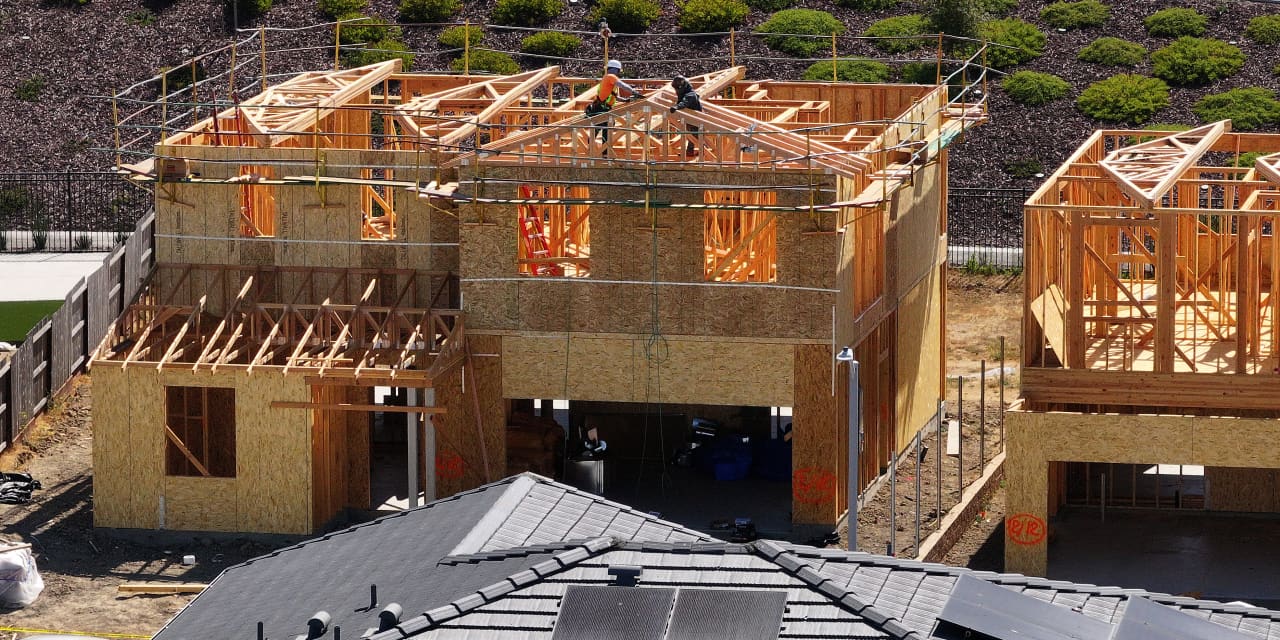
KB Home's Updated Projections Weigh Down Builder Stocks, But the Situation May Not Be as Dire as It Seems.

Earnings Estimates Lowered: KB Home has reduced its earnings estimates due to cautious consumer behavior, rising mortgage rates, and geopolitical uncertainties.
Impact on Home-Builder Stocks: The revision of earnings estimates has negatively affected home-builder stocks, indicating a challenging market environment.
Future Outlook for Home Sales: Despite the current challenges, there is a glimmer of hope for home sales in 2026, suggesting potential recovery in the housing market.
Market Sentiment: The overall sentiment in the housing market remains cautious as builders navigate economic uncertainties and consumer hesitance.
Significant Premarket Moves in U.S. Stocks

- Fertilizer Price Fluctuation: CF Industries' shares fell nearly 4% as reports indicated that negotiations surrounding the U.S.-Iran war could signal an end to commodity shortages, despite a 27% increase since the conflict began.
- Chip Innovation: Arm's stock rose 13% after unveiling its first in-house chip, projecting $15 billion in revenue by 2031, highlighting its strong growth potential in the semiconductor market.
- Acquisition Deal: Terns Pharmaceuticals saw shares gain over 5% after Merck agreed to acquire the biopharma company for $53 per share in cash, valuing the deal at $6.7 billion, expected to close in Q2.
- Stock Buyback Plan: Robinhood's stock jumped 4% after announcing a $1.5 billion stock buyback plan, set to be executed over three years, aimed at enhancing shareholder value.
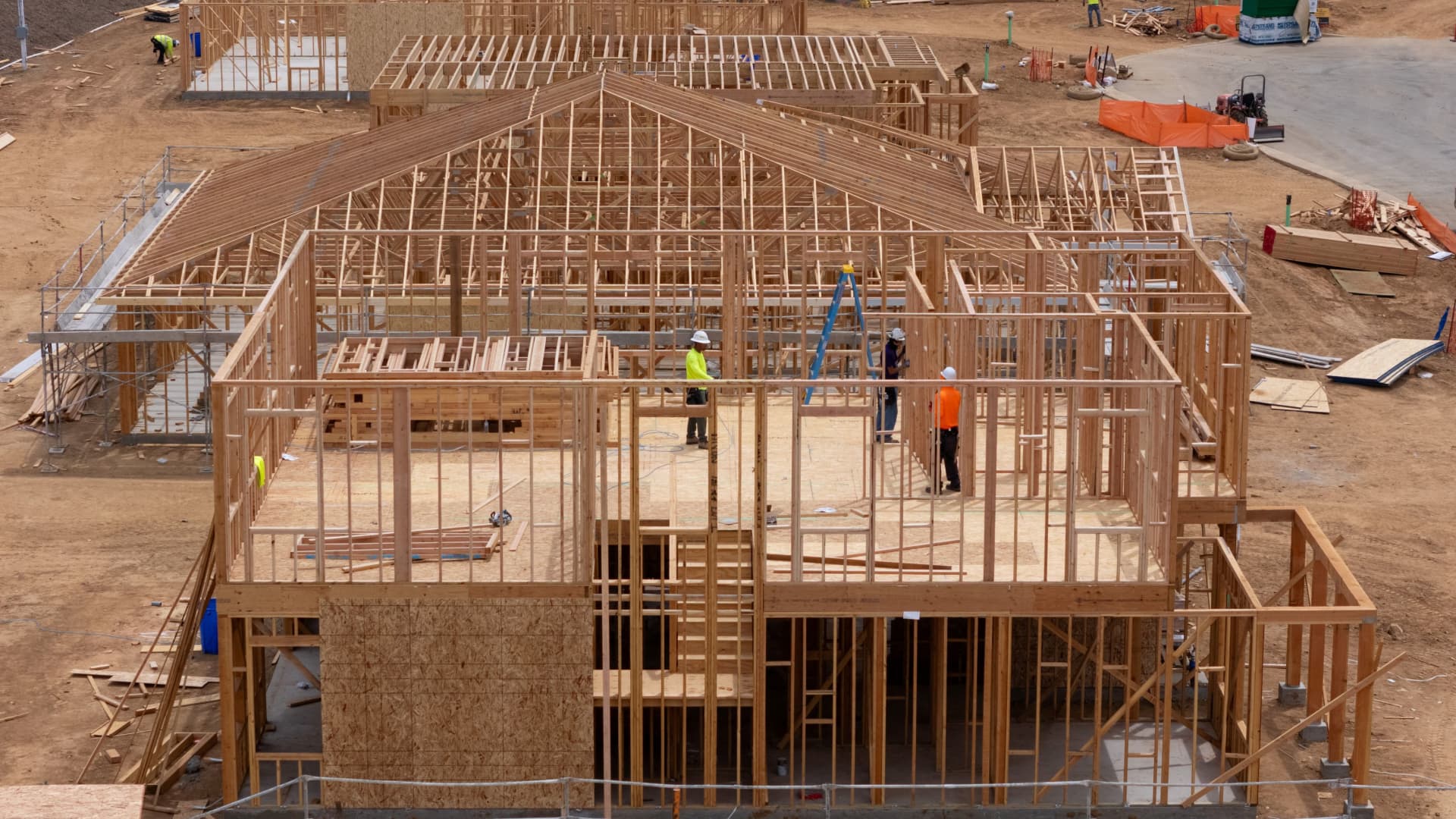
KB Home's Strategic Shift May Drive Profit Growth

- Market Performance Rating: Citizens JMP Securities initiates coverage on KB Home with an outperform rating and a 12-month price target of $77, indicating a potential upside of approximately 45%, reflecting the analyst's view that the stock is undervalued at current levels.
- Product Mix Adjustment: KB Home is shifting its product mix back towards build-to-order homes, which are expected to provide a long-term gross margin tailwind, particularly as demand for BTO homes has improved recently, indicating the effectiveness of the company's strategic pivot.
- Competitive Advantage: KB Home's operations in California face muted competition in most markets, providing opportunities for further market share and profit enhancement, especially with a potential rebound in gross profit margins anticipated in the fiscal year ending November 30, 2027.
- Analyst Opinion Divergence: Despite Citizens' contrarian view, only three out of 17 analysts covering KB Home on Wall Street rate it a buy, highlighting a significant divergence in market sentiment, with an average price target of $60 suggesting a 13% upside.
LENNAR CORP: ASSURED IN THE RELIABILITY OF OUR FINANCIAL REPORTS AND SUFFICIENCY OF OUR PUBLIC DISCLOSURES
Company Confidence: Lennar Corporation expresses confidence in the accuracy of its financial statements.
Public Disclosures: The company emphasizes the adequacy of its public disclosures.
Uncertain Prospects for US-Iran Peace Deal
- Market Volatility: Following President Trump's assertion that the U.S. and Iran are negotiating, markets initially rallied; however, Iran's denial of direct talks led to divergent interpretations among investors, causing oil prices to drop and equities to rise, highlighting the market's sensitivity to incremental changes.
- Diplomatic Uncertainty: Despite the U.S. laying out over a dozen points to end hostilities, Iranian officials dismissed these as 'fake news', leaving unclear whether the Trump administration genuinely seeks to end the war or merely avoid escalation, with market credibility for a peace deal assessed as 'moderate'.
- Escalating Geopolitical Risks: The Pentagon's expected deployment of thousands of troops to the Middle East could significantly heighten conflict risks, with market reactions indicating fragility in response to geopolitical developments, exacerbated by lower liquidity.
- Investment Strategy Adjustments: Some investors view the current geopolitical crisis as a buying opportunity, recommending sectors that would benefit from falling oil prices, such as airlines and home builders, while UBS advises maintaining strategic equity holdings and avoiding frequent trading based on geopolitical headlines.
Impact of Iran War on US Housing Market
- Rising Mortgage Rates: The average rate for a 30-year fixed mortgage has surged from 5.99% to 6.5% due to the war with Iran, severely undermining the anticipated improvement in housing affordability and leading to a 5% drop in mortgage applications.
- Sales Forecast Downgrade: Zillow initially projected a 4.3% increase in existing home sales for 2026, but rising energy prices and inflation concerns have introduced new uncertainties, potentially reducing the sales growth to just 1.21%.
- New Construction Market Struggles: KB Home has lowered its full-year sales forecast following disappointing quarterly earnings, citing that net orders in Q1 fell below necessary levels, reflecting heightened consumer challenges exacerbated by the Middle East conflict.
- Supply-Demand Imbalance: The cancellation rate of home contracts has reached its highest since 2017, with approximately 13.7% of contracts canceled in February, resulting in over 600,000 more sellers than buyers in the market, creating a precarious and unstable housing environment.
KB Home's Updated Projections Weigh Down Builder Stocks, But the Situation May Not Be as Dire as It Seems.
Earnings Estimates Lowered: KB Home has reduced its earnings estimates due to cautious consumer behavior, rising mortgage rates, and geopolitical uncertainties.
Impact on Home-Builder Stocks: The revision of earnings estimates has negatively affected home-builder stocks, indicating a challenging market environment.
Future Outlook for Home Sales: Despite the current challenges, there is a glimmer of hope for home sales in 2026, suggesting potential recovery in the housing market.
Market Sentiment: The overall sentiment in the housing market remains cautious as builders navigate economic uncertainties and consumer hesitance.
Significant Premarket Moves in U.S. Stocks
- Fertilizer Price Fluctuation: CF Industries' shares fell nearly 4% as reports indicated that negotiations surrounding the U.S.-Iran war could signal an end to commodity shortages, despite a 27% increase since the conflict began.
- Chip Innovation: Arm's stock rose 13% after unveiling its first in-house chip, projecting $15 billion in revenue by 2031, highlighting its strong growth potential in the semiconductor market.
- Acquisition Deal: Terns Pharmaceuticals saw shares gain over 5% after Merck agreed to acquire the biopharma company for $53 per share in cash, valuing the deal at $6.7 billion, expected to close in Q2.
- Stock Buyback Plan: Robinhood's stock jumped 4% after announcing a $1.5 billion stock buyback plan, set to be executed over three years, aimed at enhancing shareholder value.
KB Home's Strategic Shift May Drive Profit Growth
- Market Performance Rating: Citizens JMP Securities initiates coverage on KB Home with an outperform rating and a 12-month price target of $77, indicating a potential upside of approximately 45%, reflecting the analyst's view that the stock is undervalued at current levels.
- Product Mix Adjustment: KB Home is shifting its product mix back towards build-to-order homes, which are expected to provide a long-term gross margin tailwind, particularly as demand for BTO homes has improved recently, indicating the effectiveness of the company's strategic pivot.
- Competitive Advantage: KB Home's operations in California face muted competition in most markets, providing opportunities for further market share and profit enhancement, especially with a potential rebound in gross profit margins anticipated in the fiscal year ending November 30, 2027.
- Analyst Opinion Divergence: Despite Citizens' contrarian view, only three out of 17 analysts covering KB Home on Wall Street rate it a buy, highlighting a significant divergence in market sentiment, with an average price target of $60 suggesting a 13% upside.