

This Airline ETF is Surging: A Guide to Trading It with Charts

Current Performance of the Airline Sector: The US Global Jets ETF (JETS) is gaining attention as the airline sector shows strong performance, with major airlines like Southwest, Delta, and United reaching new highs, indicating a potential turnaround for investors.
Investment Strategy: The JETS ETF offers a way to invest in the airline sector without the risks associated with individual stocks, making it an attractive option for those looking to diversify their portfolios.
Market Analysis and Projections: A breakout above the $27 resistance level is seen as critical, with potential upside targets of $33 and possibly low $40s in the long term, supported by a favorable long-term chart setup.
Risk Management: Investors are advised to set stop-loss orders near the rising 50-day moving average to manage downside risk, as this level has historically provided support during upward trends.
Trade with 70% Backtested Accuracy
Analyst Views on LUV

About LUV
About the author


U.S. Stocks Rise, S&P 500 Hits Two-Week High


- Employment Data Impact: U.S. nonfarm payrolls rose by 57,000 in June, falling short of the expected 113,000, with May's figures revised down to 129,000, indicating a slowdown in the labor market that could influence the Fed's rate hike decisions, thereby providing support for the stock market.
- Strong Market Performance: The S&P 500 index increased by 0.67%, and the Dow Jones Industrial Average rose by 0.85%, reaching an all-time high, reflecting market optimism for a 23% increase in Q2 earnings, particularly as AI infrastructure stocks are expected to contribute nearly 60% of earnings growth.
- International Market Rally: The Euro Stoxx 50 index climbed by 1.32%, hitting a new record high, indicating positive sentiment in global markets, especially against the backdrop of strong U.S. stock performance, which further boosts investor confidence.
- Oil Price Decline Impact: WTI crude oil prices fell by over 1% to a fresh 4.25-month low due to increased global supplies, which lowers inflation expectations and may provide additional support for the stock market, particularly benefiting airlines and cruise companies from reduced fuel costs.
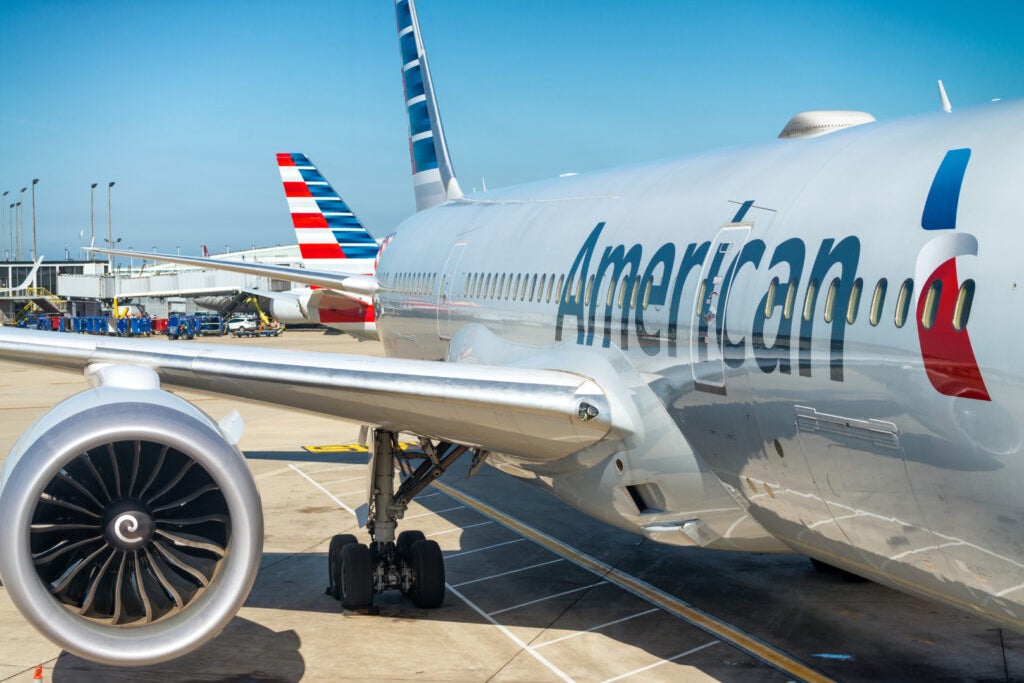
BofA Bullish on U.S. Airlines Ahead of Q2 Earnings

- Strong Demand: BofA analysts highlight that as the summer travel peak approaches, demand for U.S. airlines remains robust, which is expected to drive growth in Q2 earnings and further bolster market confidence.
- Price Target Increases: Reflecting optimism about the industry's recovery, BofA has raised price targets for several airlines based on expectations of stable fares and strong demand, potentially attracting more investor interest.
- Stable Summer Fares: Analysts emphasize that stable summer fares indicate successful pricing strategies by airlines, which will help enhance overall profitability and strengthen competitive positioning in the market.
- Optimistic Industry Outlook: BofA's bullish outlook reflects confidence in the recovery of the airline sector, which is expected to draw more investment into the industry and drive up related stock prices.

Southwest Airlines Celebrates America's 250th Anniversary with Independence One
- New Tracking Feature: Southwest Airlines collaborates with FlightAware to launch a unique Independence One tracking icon, symbolizing the original thirteen colonies, enhancing customer and aviation enthusiast tracking experience, which is expected to boost customer engagement and brand loyalty.
- Rich Celebrations: Starting July 1, Southwest pilots will distribute “America Trio” aircraft trading cards featuring Independence One, further enhancing customer interaction, while decorations at Ronald Reagan Washington National Airport will elevate the festive atmosphere.
- Participation in National Celebrations: Southwest Airlines will participate in America250's Block Party on July 4, showcasing its commitment to national history, which is expected to attract more customer attention and enhance brand image.
- Market Leadership: Southwest Airlines carries more travelers flying nonstop within the United States than any other airline, further solidifying its leadership position in the aviation market with its unique value and passionate service.
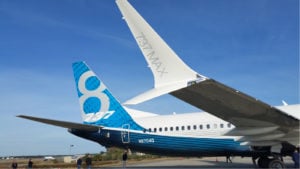
Southwest Airlines Celebrates America's 250th Anniversary
- Special Flight Tracking: Southwest Airlines partners with FlightAware to launch a unique tracking icon for Independence One, featuring thirteen stars representing the original colonies, aimed at enhancing tracking experiences for customers and aviation enthusiasts, which is expected to draw more passenger attention to the flight.
- Rich Celebrations: Starting July 1, Southwest will decorate Ronald Reagan Washington National Airport and participate in America's Block Party in New York City, aiming to enhance brand image and attract more customer participation, further solidifying its market position.
- Collectible Promotion: Southwest introduces “America Trio” aircraft trading cards that passengers can request from pilots during flights, which is expected to enhance customer engagement and brand loyalty while providing unique memorabilia for aviation fans, enriching the customer experience.
- Market Leadership: Southwest Airlines carries more travelers on nonstop flights within the U.S. than any other airline, and with over 55 years of operational history and exceptional customer service, it further solidifies its leadership position in the aviation market, expected to attract more travelers to choose its services.

Market Outlook and Company Updates


- Market Performance: On the last trading day of June, the S&P 500 is up nearly 14% and the Nasdaq has risen almost 20%, marking the best quarterly performance since Q2 2020, reflecting optimistic market sentiment regarding economic recovery.
- Comcast Upgrade: Deutsche Bank upgraded Comcast from hold to buy, anticipating that its planned spin-off of NBCUniversal will unlock value, leading to a 4.5% rise in shares yesterday and an additional 2.5% increase in early trading, indicating strong market confidence in future growth.
- Semiconductor Equipment Price Target Increases: Price targets for Applied Materials and Lam Research were significantly raised from $575 and $385 to $900 and $475, respectively, highlighting their critical role in semiconductor manufacturing amid a computing shortage.
- Airline Price Target Increases: Wells Fargo raised Delta Air Lines' price target from $75 to $105 and United Airlines' from $130 to $165, benefiting from a drop in crude transport prices, showcasing the recovery potential in the airline industry.
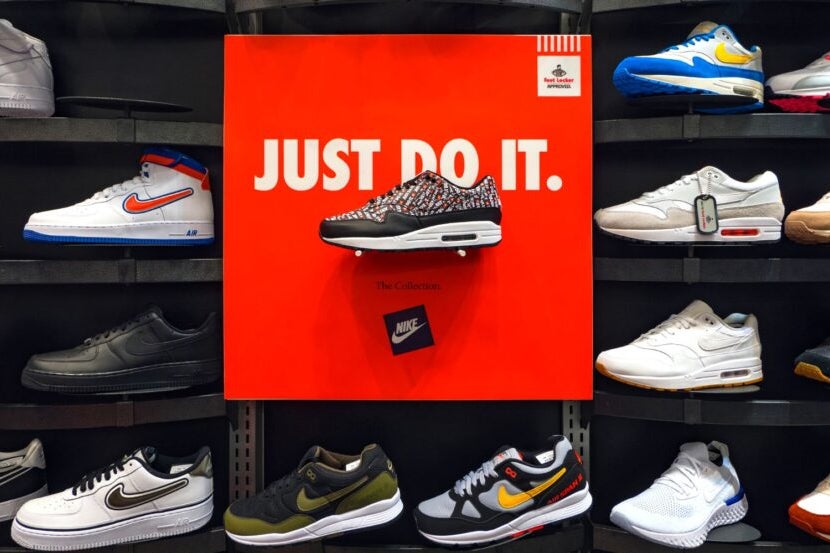
Nike Shares Plummet, Underperforming in Dow Industrials

- Nike Stock Decline: Nike shares have fallen nearly 20% over the past three months and are down 48% from the August 2025 high, making it the worst performer in the Dow Industrials, only better than Chevron, indicating significant weakness in its market position.
- Year-to-Date Performance: Year-to-date, Nike's stock is down about 35%, and no other Dow constituent has performed worse in the past 12 months, highlighting the challenges it faces in the highly competitive sports apparel market.
- Constellation Brands Struggles: Constellation Brands, the maker of Corona and Modelo beers, has seen its stock drop nearly 8% in the last three months and is down 21% from its July 2025 high, reflecting pressure in its market segment.
- Healthcare Sector Strength: The healthcare sector has risen nearly 8% in the past month, with Moderna's stock surging 47%, indicating a strong recovery in the sector and investor confidence in its growth potential.
U.S. Stocks Rise, S&P 500 Hits Two-Week High
- Employment Data Impact: U.S. nonfarm payrolls rose by 57,000 in June, falling short of the expected 113,000, with May's figures revised down to 129,000, indicating a slowdown in the labor market that could influence the Fed's rate hike decisions, thereby providing support for the stock market.
- Strong Market Performance: The S&P 500 index increased by 0.67%, and the Dow Jones Industrial Average rose by 0.85%, reaching an all-time high, reflecting market optimism for a 23% increase in Q2 earnings, particularly as AI infrastructure stocks are expected to contribute nearly 60% of earnings growth.
- International Market Rally: The Euro Stoxx 50 index climbed by 1.32%, hitting a new record high, indicating positive sentiment in global markets, especially against the backdrop of strong U.S. stock performance, which further boosts investor confidence.
- Oil Price Decline Impact: WTI crude oil prices fell by over 1% to a fresh 4.25-month low due to increased global supplies, which lowers inflation expectations and may provide additional support for the stock market, particularly benefiting airlines and cruise companies from reduced fuel costs.
BofA Bullish on U.S. Airlines Ahead of Q2 Earnings
- Strong Demand: BofA analysts highlight that as the summer travel peak approaches, demand for U.S. airlines remains robust, which is expected to drive growth in Q2 earnings and further bolster market confidence.
- Price Target Increases: Reflecting optimism about the industry's recovery, BofA has raised price targets for several airlines based on expectations of stable fares and strong demand, potentially attracting more investor interest.
- Stable Summer Fares: Analysts emphasize that stable summer fares indicate successful pricing strategies by airlines, which will help enhance overall profitability and strengthen competitive positioning in the market.
- Optimistic Industry Outlook: BofA's bullish outlook reflects confidence in the recovery of the airline sector, which is expected to draw more investment into the industry and drive up related stock prices.
Southwest Airlines Celebrates America's 250th Anniversary with Independence One
- New Tracking Feature: Southwest Airlines collaborates with FlightAware to launch a unique Independence One tracking icon, symbolizing the original thirteen colonies, enhancing customer and aviation enthusiast tracking experience, which is expected to boost customer engagement and brand loyalty.
- Rich Celebrations: Starting July 1, Southwest pilots will distribute “America Trio” aircraft trading cards featuring Independence One, further enhancing customer interaction, while decorations at Ronald Reagan Washington National Airport will elevate the festive atmosphere.
- Participation in National Celebrations: Southwest Airlines will participate in America250's Block Party on July 4, showcasing its commitment to national history, which is expected to attract more customer attention and enhance brand image.
- Market Leadership: Southwest Airlines carries more travelers flying nonstop within the United States than any other airline, further solidifying its leadership position in the aviation market with its unique value and passionate service.
Southwest Airlines Celebrates America's 250th Anniversary
- Special Flight Tracking: Southwest Airlines partners with FlightAware to launch a unique tracking icon for Independence One, featuring thirteen stars representing the original colonies, aimed at enhancing tracking experiences for customers and aviation enthusiasts, which is expected to draw more passenger attention to the flight.
- Rich Celebrations: Starting July 1, Southwest will decorate Ronald Reagan Washington National Airport and participate in America's Block Party in New York City, aiming to enhance brand image and attract more customer participation, further solidifying its market position.
- Collectible Promotion: Southwest introduces “America Trio” aircraft trading cards that passengers can request from pilots during flights, which is expected to enhance customer engagement and brand loyalty while providing unique memorabilia for aviation fans, enriching the customer experience.
- Market Leadership: Southwest Airlines carries more travelers on nonstop flights within the U.S. than any other airline, and with over 55 years of operational history and exceptional customer service, it further solidifies its leadership position in the aviation market, expected to attract more travelers to choose its services.
Market Outlook and Company Updates
- Market Performance: On the last trading day of June, the S&P 500 is up nearly 14% and the Nasdaq has risen almost 20%, marking the best quarterly performance since Q2 2020, reflecting optimistic market sentiment regarding economic recovery.
- Comcast Upgrade: Deutsche Bank upgraded Comcast from hold to buy, anticipating that its planned spin-off of NBCUniversal will unlock value, leading to a 4.5% rise in shares yesterday and an additional 2.5% increase in early trading, indicating strong market confidence in future growth.
- Semiconductor Equipment Price Target Increases: Price targets for Applied Materials and Lam Research were significantly raised from $575 and $385 to $900 and $475, respectively, highlighting their critical role in semiconductor manufacturing amid a computing shortage.
- Airline Price Target Increases: Wells Fargo raised Delta Air Lines' price target from $75 to $105 and United Airlines' from $130 to $165, benefiting from a drop in crude transport prices, showcasing the recovery potential in the airline industry.
Nike Shares Plummet, Underperforming in Dow Industrials
- Nike Stock Decline: Nike shares have fallen nearly 20% over the past three months and are down 48% from the August 2025 high, making it the worst performer in the Dow Industrials, only better than Chevron, indicating significant weakness in its market position.
- Year-to-Date Performance: Year-to-date, Nike's stock is down about 35%, and no other Dow constituent has performed worse in the past 12 months, highlighting the challenges it faces in the highly competitive sports apparel market.
- Constellation Brands Struggles: Constellation Brands, the maker of Corona and Modelo beers, has seen its stock drop nearly 8% in the last three months and is down 21% from its July 2025 high, reflecting pressure in its market segment.
- Healthcare Sector Strength: The healthcare sector has risen nearly 8% in the past month, with Moderna's stock surging 47%, indicating a strong recovery in the sector and investor confidence in its growth potential.





