

The Math Shows SCHA Can Go To $31
Written by Emily J. Thompson, Senior Investment Analyst
Updated: Aug 07 2025
0mins


Source: NASDAQ.COM
ETF Analysis: The Schwab US Small-Cap ETF (SCHA) has an implied analyst target price of $31.22, indicating a potential upside of 20.83% from its current trading price of $25.84.
Notable Holdings: Key underlying holdings like Janux Therapeutics Inc, Spyre Therapeutics Inc, and UPSTREAM BIO INC show significant upside potential, with target prices suggesting increases of over 200% from their recent share prices.
Trade with 70% Backtested Accuracy
Stop guessing "Should I Buy JANX?" and start using high-conviction signals backed by rigorous historical data.
Sign up today to access powerful investing tools and make smarter, data-driven decisions.
Analyst Views on JANX
Wall Street analysts forecast JANX stock price to rise
16 Analyst Rating
15 Buy
1 Hold
0 Sell
Strong Buy
Current: 15.410

Low
25.00
Averages
55.25
High
150.00
Current: 15.410
Low
25.00
Averages
55.25
High
150.00
About JANX
Janux Therapeutics, Inc. is a clinical-stage biopharmaceutical company developing tumor-activated immunotherapies for cancer. It has developed three bispecific platforms: Tumor Activated T Cell Engager (TRACTr), Tumor Activated Immunomodulator (TRACIr), and Adaptive Immune Response Modulator (ARM). Its TRACTr platform produces T cell engagers (TCEs) with a tumor antigen-binding domain and a CD3 T cell binding domain. Its TRACIr platform produces bispecifics with a tumor antigen-binding domain and a costimulatory CD28 binding domain. Its clinical candidates include JANX007 and JANX008. JANX007 is a prostate-specific membrane antigen (PSMA-TRACTr) designed to target PSMA, a protein expressed in prostate cancer tumors and the vasculature of other tumors. JANX008 is an epidermal growth factor receptor (EGFR-TRACTr), being studied for the treatment of multiple solid cancers, including colorectal cancer, squamous cell carcinoma of the head and neck, non-small cell lung cancer, and others.
About the author

Emily J. Thompson
Emily J. Thompson, a Chartered Financial Analyst (CFA) with 12 years in investment research, graduated with honors from the Wharton School. Specializing in industrial and technology stocks, she provides in-depth analysis for Intellectia’s earnings and market brief reports.

VERAXA Biotech Secures $27.5 Million Financing Agreement


- Financing Agreement Secured: VERAXA Biotech AG has entered into a securities purchase agreement with an institutional investor for $27.5 million, in addition to a $50 million share purchase agreement with Lincoln Park Capital Fund, significantly enhancing the company's liquidity.
- NASDAQ Listing Application: The company has applied for a NASDAQ listing under the ticker symbol “VRXA” through a merger with Voyager Acquisition Corp., aiming to accelerate the advancement of its cancer therapies pipeline, reflecting confidence in future growth prospects.
- Management Statement: CFO Torsten Bürgermeister stated that securing these financings marks a significant step in the ongoing business combination with Voyager Acquisition Corp., indicating a disciplined and flexible approach to capital management.
- Investor Support Acknowledged: The company expressed gratitude for the financial support from investors, emphasizing the importance of maintaining prudent financial management during ongoing capital acquisition efforts to ensure long-term growth and market competitiveness.
See More

Prosight Management Increases Stake in Nektar Therapeutics

- Share Increase: On May 15, 2026, Prosight Management disclosed an increase of 180,367 shares in Nektar Therapeutics, valued at approximately $10.27 million, indicating strong confidence in the company's future prospects.
- Market Value Growth: The total value of Nektar's shares rose by $29.43 million at the end of the quarter, reflecting the dual impact of trading activity and share price appreciation, further solidifying Prosight's significance in its investment portfolio.
- Improved Financial Position: Nektar's revenue increased from $10.5 million to $10.9 million in the first quarter, with cash and marketable securities reaching $731.6 million, showcasing its relative strength among clinical-stage biotech peers.
- Clinical Development Outlook: Nektar's rezpegaldesleukin treatment has shown encouraging data in trials, with plans to initiate the Phase 3 ZENITH-AD program in July, which could significantly enhance the company's valuation if successful.
See More

Janux Therapeutics Q1 Earnings Beat Expectations Despite Revenue Miss
- Earnings Performance: Janux Therapeutics reported a Q1 GAAP EPS of -$0.39, beating expectations by $0.13, indicating some improvement in financial management despite still being in a loss position.
- Revenue Situation: The company generated $3.73M in revenue for the first quarter, missing expectations by $0.96M, reflecting challenges in product sales or market promotion that could impact future cash inflows.
- Cash Reserves: As of March 31, 2026, Janux reported cash and cash equivalents totaling $956.4M, down from $966.6M on December 31, 2025, indicating cautious fund utilization and consideration for future investments.
- Asset Development Adjustment: Janux has ceased development of its Tumor Activated T Cell Engager asset, suggesting a strategic shift in resource allocation to focus on more promising projects to optimize investment returns.
See More

Janux Discontinues JANX008 Development to Focus on Other Pipeline Programs
- Program Discontinuation: Janux Therapeutics announced the discontinuation of its JANX008 program due to insufficient overall efficacy observed in early-stage trials across multiple solid tumor indications, reflecting the company's disciplined resource allocation strategy.
- Tolerability Profile: The experimental therapy exhibited a favorable tolerability profile with fewer gastrointestinal, dermatologic, and subcutaneous adverse events compared to other drugs in its category, allowing for outpatient dosing and enhancing patient management potential.
- Market Reaction: Following the announcement, Janux's shares edged up 1% in after-hours trading; however, the stock has fallen 53% over the past 12 months, indicating investor concerns regarding the company's future prospects.
- Strategic Focus: The decision to discontinue JANX008 is program-specific, with Janux prioritizing resources toward other pipeline programs that meet high standards for safety, activity, and differentiation, showcasing its strategic approach to pipeline management.
See More
Janux Therapeutics Discontinues JANX008 Program
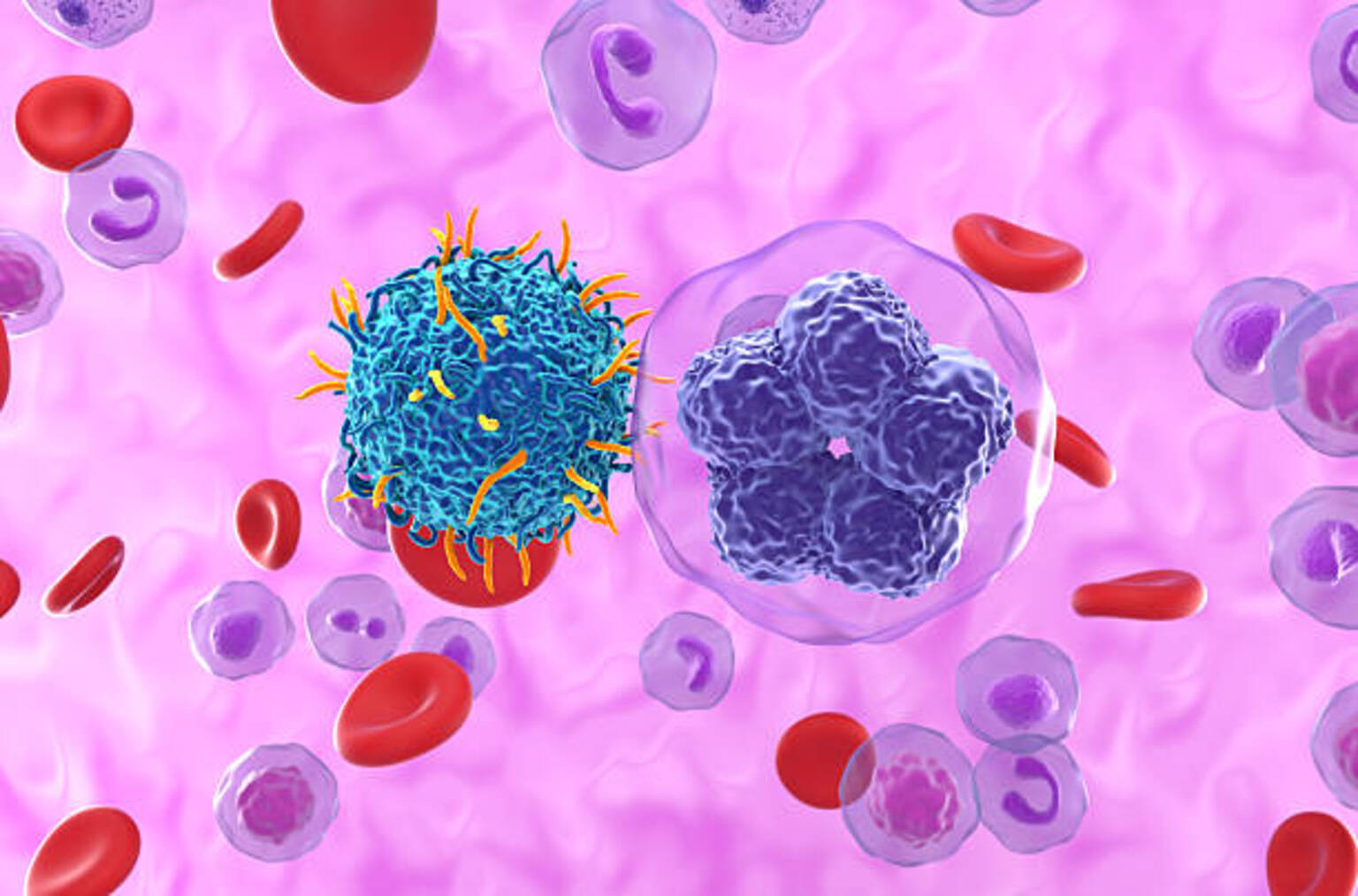
- Program Termination: Janux Therapeutics has decided to discontinue its EGFR-targeted candidate JANX008, despite its differentiated tolerability profile observed in phase 1 trials, indicating a strategic shift towards prioritizing other pipeline candidates.
- Tolerability Insights: Phase 1 results revealed that JANX008 had fewer gastrointestinal, dermatologic, and subcutaneous adverse events compared to conventional EGFR-targeted therapies, yet the company opted not to advance the program, reflecting a careful consideration of clinical data.
- Strategic Shift: The company stated that the termination of this program will not impact its overall strategy for the TRACTr program, demonstrating Janux's commitment to its long-term research and development direction despite facing short-term challenges.
- Financial Performance: Janux Therapeutics reported a GAAP EPS of -$0.51, beating expectations by $0.16, indicating a degree of market confidence despite the pressures from the program discontinuation.
See More
Oil Price Surge Leads to Market Decline


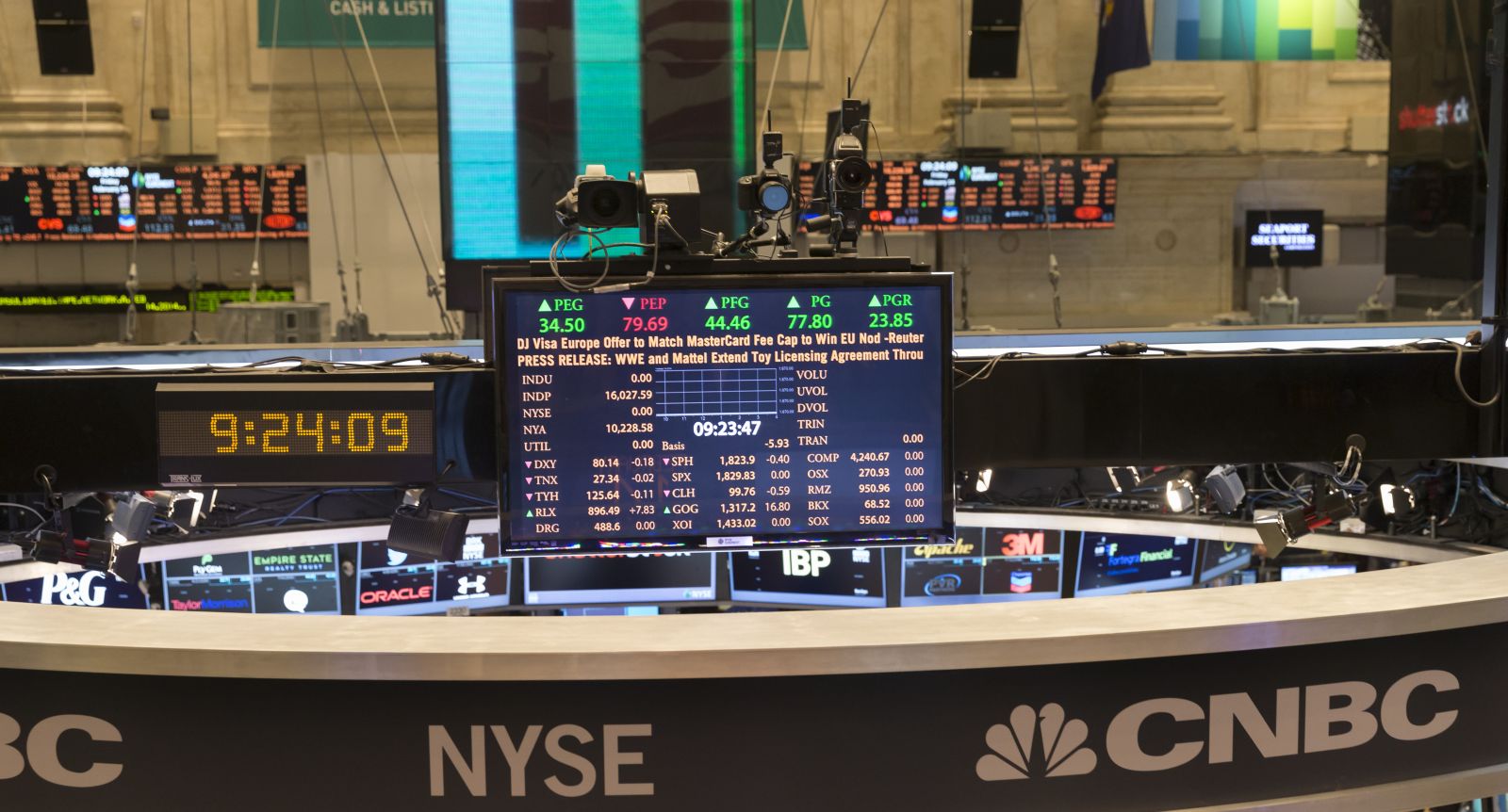
- Market Decline: The S&P 500 index fell by 0.21%, the Dow Jones Industrial Average by 0.04%, and the Nasdaq 100 by 0.24%, indicating investor concerns over rising oil prices that could impact corporate earnings and overall market confidence.
- Oil Price Surge: WTI crude oil prices increased by over 5% due to the closure of the Strait of Hormuz following the US's refusal to lift its naval blockade on Iranian vessels, which could exacerbate global oil and fuel shortages and raise operational costs for affected industries.
- Earnings Expectations: So far, 81% of the 48 S&P 500 companies that reported earnings have exceeded estimates, with Q1 earnings projected to rise by 12% year-over-year; however, excluding the tech sector, growth is only expected to be 3%, indicating signs of an overall economic slowdown.
- Airline and Chip Stocks Under Pressure: Airline stocks are down due to rising fuel costs, with Norwegian Cruise Line Holdings falling over 6%, while chipmakers like Intel are also down more than 2%, reflecting the negative impact of high oil prices across multiple sectors.
See More
VERAXA Biotech Secures $27.5 Million Financing Agreement
- Financing Agreement Secured: VERAXA Biotech AG has entered into a securities purchase agreement with an institutional investor for $27.5 million, in addition to a $50 million share purchase agreement with Lincoln Park Capital Fund, significantly enhancing the company's liquidity.
- NASDAQ Listing Application: The company has applied for a NASDAQ listing under the ticker symbol “VRXA” through a merger with Voyager Acquisition Corp., aiming to accelerate the advancement of its cancer therapies pipeline, reflecting confidence in future growth prospects.
- Management Statement: CFO Torsten Bürgermeister stated that securing these financings marks a significant step in the ongoing business combination with Voyager Acquisition Corp., indicating a disciplined and flexible approach to capital management.
- Investor Support Acknowledged: The company expressed gratitude for the financial support from investors, emphasizing the importance of maintaining prudent financial management during ongoing capital acquisition efforts to ensure long-term growth and market competitiveness.
See More
Prosight Management Increases Stake in Nektar Therapeutics
- Share Increase: On May 15, 2026, Prosight Management disclosed an increase of 180,367 shares in Nektar Therapeutics, valued at approximately $10.27 million, indicating strong confidence in the company's future prospects.
- Market Value Growth: The total value of Nektar's shares rose by $29.43 million at the end of the quarter, reflecting the dual impact of trading activity and share price appreciation, further solidifying Prosight's significance in its investment portfolio.
- Improved Financial Position: Nektar's revenue increased from $10.5 million to $10.9 million in the first quarter, with cash and marketable securities reaching $731.6 million, showcasing its relative strength among clinical-stage biotech peers.
- Clinical Development Outlook: Nektar's rezpegaldesleukin treatment has shown encouraging data in trials, with plans to initiate the Phase 3 ZENITH-AD program in July, which could significantly enhance the company's valuation if successful.
See More
Janux Therapeutics Q1 Earnings Beat Expectations Despite Revenue Miss
- Earnings Performance: Janux Therapeutics reported a Q1 GAAP EPS of -$0.39, beating expectations by $0.13, indicating some improvement in financial management despite still being in a loss position.
- Revenue Situation: The company generated $3.73M in revenue for the first quarter, missing expectations by $0.96M, reflecting challenges in product sales or market promotion that could impact future cash inflows.
- Cash Reserves: As of March 31, 2026, Janux reported cash and cash equivalents totaling $956.4M, down from $966.6M on December 31, 2025, indicating cautious fund utilization and consideration for future investments.
- Asset Development Adjustment: Janux has ceased development of its Tumor Activated T Cell Engager asset, suggesting a strategic shift in resource allocation to focus on more promising projects to optimize investment returns.
See More
Janux Discontinues JANX008 Development to Focus on Other Pipeline Programs
- Program Discontinuation: Janux Therapeutics announced the discontinuation of its JANX008 program due to insufficient overall efficacy observed in early-stage trials across multiple solid tumor indications, reflecting the company's disciplined resource allocation strategy.
- Tolerability Profile: The experimental therapy exhibited a favorable tolerability profile with fewer gastrointestinal, dermatologic, and subcutaneous adverse events compared to other drugs in its category, allowing for outpatient dosing and enhancing patient management potential.
- Market Reaction: Following the announcement, Janux's shares edged up 1% in after-hours trading; however, the stock has fallen 53% over the past 12 months, indicating investor concerns regarding the company's future prospects.
- Strategic Focus: The decision to discontinue JANX008 is program-specific, with Janux prioritizing resources toward other pipeline programs that meet high standards for safety, activity, and differentiation, showcasing its strategic approach to pipeline management.
See More
Janux Therapeutics Discontinues JANX008 Program
- Program Termination: Janux Therapeutics has decided to discontinue its EGFR-targeted candidate JANX008, despite its differentiated tolerability profile observed in phase 1 trials, indicating a strategic shift towards prioritizing other pipeline candidates.
- Tolerability Insights: Phase 1 results revealed that JANX008 had fewer gastrointestinal, dermatologic, and subcutaneous adverse events compared to conventional EGFR-targeted therapies, yet the company opted not to advance the program, reflecting a careful consideration of clinical data.
- Strategic Shift: The company stated that the termination of this program will not impact its overall strategy for the TRACTr program, demonstrating Janux's commitment to its long-term research and development direction despite facing short-term challenges.
- Financial Performance: Janux Therapeutics reported a GAAP EPS of -$0.51, beating expectations by $0.16, indicating a degree of market confidence despite the pressures from the program discontinuation.
See More
Oil Price Surge Leads to Market Decline
- Market Decline: The S&P 500 index fell by 0.21%, the Dow Jones Industrial Average by 0.04%, and the Nasdaq 100 by 0.24%, indicating investor concerns over rising oil prices that could impact corporate earnings and overall market confidence.
- Oil Price Surge: WTI crude oil prices increased by over 5% due to the closure of the Strait of Hormuz following the US's refusal to lift its naval blockade on Iranian vessels, which could exacerbate global oil and fuel shortages and raise operational costs for affected industries.
- Earnings Expectations: So far, 81% of the 48 S&P 500 companies that reported earnings have exceeded estimates, with Q1 earnings projected to rise by 12% year-over-year; however, excluding the tech sector, growth is only expected to be 3%, indicating signs of an overall economic slowdown.
- Airline and Chip Stocks Under Pressure: Airline stocks are down due to rising fuel costs, with Norwegian Cruise Line Holdings falling over 6%, while chipmakers like Intel are also down more than 2%, reflecting the negative impact of high oil prices across multiple sectors.
See More





