Texas Instruments Could Emerge as an AI Chip Winner
Written by Emily J. Thompson, Senior Investment Analyst
Updated: Feb 09 2026
0mins

Should l Buy TXN?
Source: Fool
- Market Potential: Texas Instruments' analog chips play a crucial role in power management within data centers, and with the initial buildout of AI infrastructure, significant growth is expected in the coming years, positioning the company as a key player in the AI market.
- Investment Expansion: Texas Instruments has been actively investing in new chip production capacity and recently acquired competitor Silicon Labs, indicating the company's preparedness for future growth and enhanced market competitiveness.
- Sales Reporting Adjustment: In Q4 2025, the company will report its data center business separately, which, despite accounting for only 9% of total revenue, grew 64% year-over-year, showcasing strong market demand and growth potential.
- Industry Leadership: While other analog chipmakers exist, Texas Instruments, with its industry-leading position and ongoing growth efforts, is expected to become a top chip manufacturer by 2027, particularly driven by the AI buildout.
Trade with 70% Backtested Accuracy
Stop guessing "Should I Buy TXN?" and start using high-conviction signals backed by rigorous historical data.
Sign up today to access powerful investing tools and make smarter, data-driven decisions.
Analyst Views on TXN
Wall Street analysts forecast TXN stock price to rise
20 Analyst Rating
10 Buy
5 Hold
5 Sell
Hold
Current: 193.230

Low
125.00
Averages
193.53
High
245.00
Current: 193.230
Low
125.00
Averages
193.53
High
245.00
About TXN
Texas Instruments Incorporated is a global semiconductor company that designs, manufactures, tests, and sells analog and embedded processing chips for markets, such as industrial, automotive, personal electronics, communications equipment, and enterprise systems. Its Analog segment includes product lines, such as Power and Signal Chain. Power includes products that help customers manage power in electronic systems. Its portfolio is designed to manage power requirements across different voltage levels, including battery-management solutions, DC/DC switching regulators, AC/DC and isolated DC/DC switching regulators, power switches, linear and low-dropout regulators, voltage references, and others. Signal Chain includes products that sense, condition, and measure real-world signals to allow information to be transferred or converted for further processing and control. The Embedded Processing segment includes microcontrollers, digital signal processors (DSPs) and applications processors.
About the author

Emily J. Thompson
Emily J. Thompson, a Chartered Financial Analyst (CFA) with 12 years in investment research, graduated with honors from the Wharton School. Specializing in industrial and technology stocks, she provides in-depth analysis for Intellectia’s earnings and market brief reports.
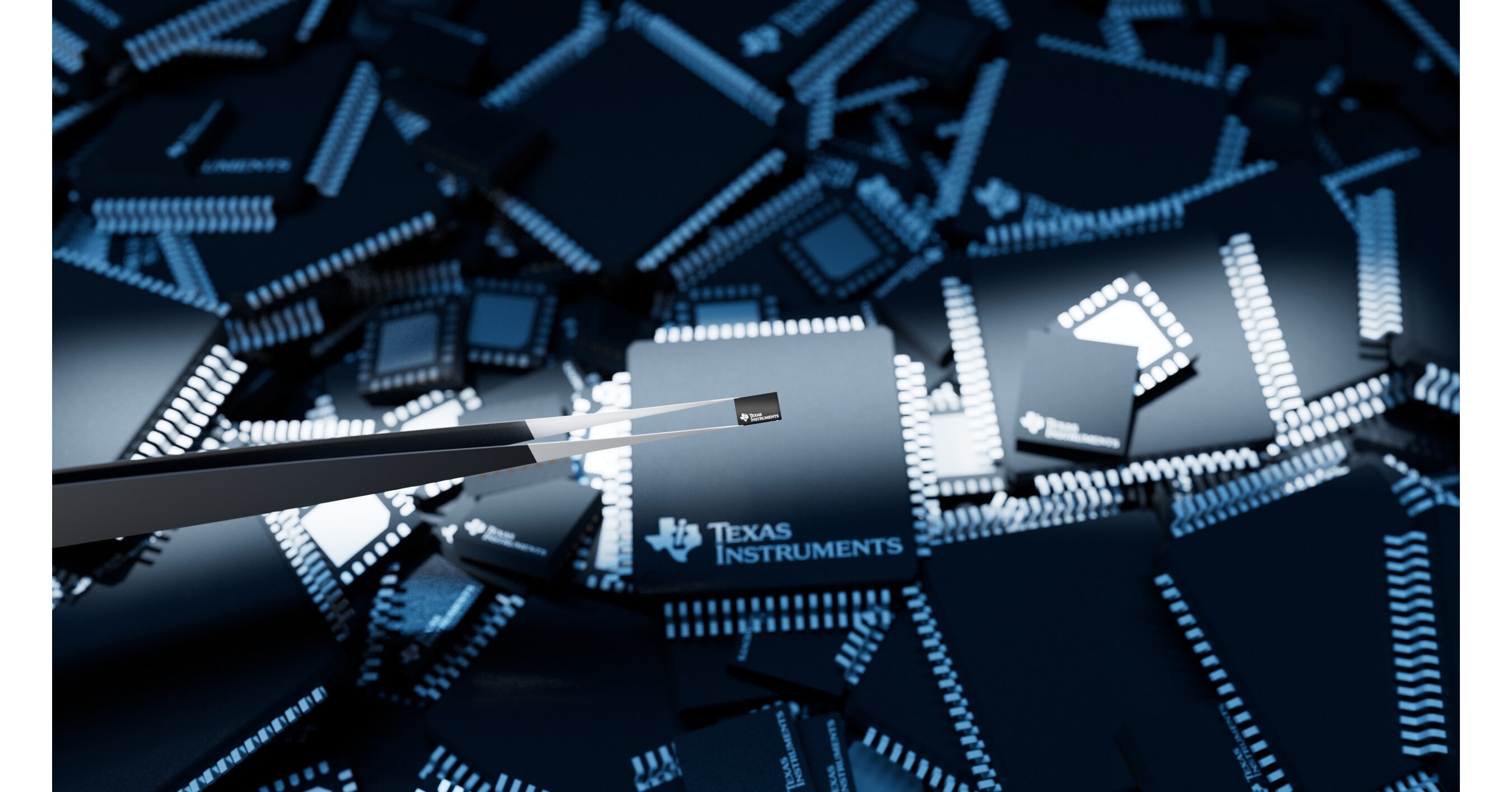
Texas Instruments Launches New AI Microcontrollers

- New MCU Launch: Texas Instruments introduces the MSPM0G5187 and AM13Ex microcontroller families, integrating the TinyEngine™ NPU to support edge AI, significantly enhancing embedded processing capabilities and enabling engineers to deploy intelligence across various devices.
- Cost Efficiency: The MSPM0G5187 MCU is priced under $1 in 1,000-unit quantities, reducing system and operating costs through hardware acceleration, providing an affordable AI solution for resource-constrained portable products.
- Integration Design Advantage: The AM13Ex MCU is the first to integrate a high-performance Arm Cortex-M33 core with the TinyEngine NPU and advanced real-time control architecture into a single chip, lowering bill-of-materials costs by up to 30%, allowing for simultaneous implementation of complex motor control and AI features.
- Development Tool Support: TI's CCStudio Edge AI Studio supports both MCU families, simplifying model selection, training, and deployment, with over 60 models and application examples available to help developers quickly deploy edge AI in devices.
See More

Texas Instruments Launches New AI Microcontrollers
- New MCU Launch: Texas Instruments introduces the MSPM0G5187 and AM13Ex microcontrollers, integrating the TinyEngine NPU to support edge AI, significantly enhancing embedded processing capabilities for various applications.
- Performance Enhancement: The TinyEngine NPU reduces AI inference latency by up to 90 times and energy consumption by over 120 times, greatly improving processing capabilities for resource-constrained devices and promoting the adoption of low-cost intelligent devices.
- Integrated Innovation: The AM13Ex MCU integrates a high-performance Arm Cortex-M33 core and TinyEngine NPU, enabling real-time control and AI acceleration for multi-motor systems, lowering bill-of-materials costs by up to 30%, and enhancing the intelligence of industrial automation and appliance designs.
- Development Ecosystem: TI's CCStudio Edge AI Studio provides developers with over 60 models and application examples, simplifying the selection, training, and deployment of AI models, further accelerating the application of edge AI across various devices.
See More

US Stocks Plunge Amid Rising Energy Prices and Labor Market Concerns


- Market Weakness: The S&P 500 index fell by 1.33%, and the Dow Jones Industrial Average hit a 3.5-month low, reflecting investor concerns over the Middle East conflict potentially driving energy prices higher and sparking inflation risks, which dampens market confidence.
- Disappointing Employment Data: The US nonfarm payrolls unexpectedly dropped by 92,000 in February, with the unemployment rate rising to 4.4%, indicating a weakening labor market that raises doubts about economic health and may lead the Fed to adopt a more cautious approach in future policy adjustments.
- Surge in Energy Prices: WTI crude oil prices surged over 12% to a 2.5-year high as the ongoing Middle East conflict exacerbates supply concerns, which is expected to push global oil prices even higher, impacting profitability across related sectors.
- Corporate Earnings Resilience: Despite the overall market decline, 74% of S&P 500 companies reported earnings that exceeded expectations, with Q4 earnings growth projected at 8.4%, demonstrating a degree of resilience among businesses that may support future market recovery.
See More

Texas Instruments Faces Seven-Day Decline
- Stock Price Decline: Texas Instruments (TXN) shares fell 2.3% on Friday to $193.34, marking a seven-day losing streak with a nearly 7% drop over the previous six sessions, indicating market concerns about its future performance.
- Analyst Rating Divergence: According to Seeking Alpha's Quant Rating, TXN holds a 'Hold' rating with a score of 3.3, receiving an A for profitability prospects but only a C- for growth factors, reflecting analysts' cautious outlook on the company's growth potential.
- Acquisition Impact: In February, Texas Instruments signed a definitive agreement to acquire Silicon Labs for approximately $7.5 billion; despite the strategic rationale, analysis suggests TXN shares remain fairly valued post-deal, with limited near-term upside.
- Market Reaction Analysis: On Wall Street, 14 analysts rated TXN as Buy or higher, while 18 recommended Hold and 5 rated it Sell or lower, indicating a significant divergence in market sentiment regarding the stock.
See More

Middle East War Triggers Market Turmoil
- Market Decline: The S&P 500 index fell by 0.95%, the Dow Jones Industrial Average by 1.00%, and the Nasdaq 100 by 0.76%, reflecting market concerns that the ongoing Middle East war could drive energy prices higher, leading to inflation.
- Weak Employment Data: U.S. nonfarm payrolls unexpectedly dropped by 92,000 in February, with the unemployment rate rising to 4.4%, indicating a deteriorating labor market and exacerbating fears of an economic slowdown.
- Surge in Energy Prices: WTI crude oil prices surged over 9% to a 2.25-year high due to the ongoing conflict in the Middle East, raising inflation expectations and diminishing investor confidence in the stock market.
- Corporate Earnings Performance: Despite the overall market weakness, 73% of S&P 500 companies exceeded earnings expectations, with Q4 earnings projected to grow by 8.4%, demonstrating resilience among some firms that may provide future market support.
See More

Middle East War Sparks Global Economic Concerns
- Market Decline: The S&P 500 index fell by 1.68%, with the Dow Jones Industrial Average hitting a 3.5-month low, reflecting market concerns that the Middle East war could drive energy prices higher, leading to inflation risks.
- Weak Labor Market: U.S. nonfarm payrolls unexpectedly dropped by 92,000 in February, with the unemployment rate rising to 4.4%, indicating a labor market health below expectations, which could slow consumer spending and impact economic growth.
- Surging Energy Prices: Amid escalating tensions in the Middle East, WTI crude prices surged over 7% to a 2.25-year high, likely pushing global fuel prices higher, which could affect airline profits and consumer spending.
- Optimistic Corporate Earnings: Despite market volatility, over 90% of S&P 500 companies have reported earnings, with 73% exceeding expectations, indicating strong corporate profitability, and S&P 500 earnings growth is projected to reach 8.4% for Q4.
See More
Texas Instruments Launches New AI Microcontrollers
- New MCU Launch: Texas Instruments introduces the MSPM0G5187 and AM13Ex microcontroller families, integrating the TinyEngine™ NPU to support edge AI, significantly enhancing embedded processing capabilities and enabling engineers to deploy intelligence across various devices.
- Cost Efficiency: The MSPM0G5187 MCU is priced under $1 in 1,000-unit quantities, reducing system and operating costs through hardware acceleration, providing an affordable AI solution for resource-constrained portable products.
- Integration Design Advantage: The AM13Ex MCU is the first to integrate a high-performance Arm Cortex-M33 core with the TinyEngine NPU and advanced real-time control architecture into a single chip, lowering bill-of-materials costs by up to 30%, allowing for simultaneous implementation of complex motor control and AI features.
- Development Tool Support: TI's CCStudio Edge AI Studio supports both MCU families, simplifying model selection, training, and deployment, with over 60 models and application examples available to help developers quickly deploy edge AI in devices.
See More
Texas Instruments Launches New AI Microcontrollers
- New MCU Launch: Texas Instruments introduces the MSPM0G5187 and AM13Ex microcontrollers, integrating the TinyEngine NPU to support edge AI, significantly enhancing embedded processing capabilities for various applications.
- Performance Enhancement: The TinyEngine NPU reduces AI inference latency by up to 90 times and energy consumption by over 120 times, greatly improving processing capabilities for resource-constrained devices and promoting the adoption of low-cost intelligent devices.
- Integrated Innovation: The AM13Ex MCU integrates a high-performance Arm Cortex-M33 core and TinyEngine NPU, enabling real-time control and AI acceleration for multi-motor systems, lowering bill-of-materials costs by up to 30%, and enhancing the intelligence of industrial automation and appliance designs.
- Development Ecosystem: TI's CCStudio Edge AI Studio provides developers with over 60 models and application examples, simplifying the selection, training, and deployment of AI models, further accelerating the application of edge AI across various devices.
See More
US Stocks Plunge Amid Rising Energy Prices and Labor Market Concerns
- Market Weakness: The S&P 500 index fell by 1.33%, and the Dow Jones Industrial Average hit a 3.5-month low, reflecting investor concerns over the Middle East conflict potentially driving energy prices higher and sparking inflation risks, which dampens market confidence.
- Disappointing Employment Data: The US nonfarm payrolls unexpectedly dropped by 92,000 in February, with the unemployment rate rising to 4.4%, indicating a weakening labor market that raises doubts about economic health and may lead the Fed to adopt a more cautious approach in future policy adjustments.
- Surge in Energy Prices: WTI crude oil prices surged over 12% to a 2.5-year high as the ongoing Middle East conflict exacerbates supply concerns, which is expected to push global oil prices even higher, impacting profitability across related sectors.
- Corporate Earnings Resilience: Despite the overall market decline, 74% of S&P 500 companies reported earnings that exceeded expectations, with Q4 earnings growth projected at 8.4%, demonstrating a degree of resilience among businesses that may support future market recovery.
See More
Texas Instruments Faces Seven-Day Decline
- Stock Price Decline: Texas Instruments (TXN) shares fell 2.3% on Friday to $193.34, marking a seven-day losing streak with a nearly 7% drop over the previous six sessions, indicating market concerns about its future performance.
- Analyst Rating Divergence: According to Seeking Alpha's Quant Rating, TXN holds a 'Hold' rating with a score of 3.3, receiving an A for profitability prospects but only a C- for growth factors, reflecting analysts' cautious outlook on the company's growth potential.
- Acquisition Impact: In February, Texas Instruments signed a definitive agreement to acquire Silicon Labs for approximately $7.5 billion; despite the strategic rationale, analysis suggests TXN shares remain fairly valued post-deal, with limited near-term upside.
- Market Reaction Analysis: On Wall Street, 14 analysts rated TXN as Buy or higher, while 18 recommended Hold and 5 rated it Sell or lower, indicating a significant divergence in market sentiment regarding the stock.
See More
Middle East War Triggers Market Turmoil
- Market Decline: The S&P 500 index fell by 0.95%, the Dow Jones Industrial Average by 1.00%, and the Nasdaq 100 by 0.76%, reflecting market concerns that the ongoing Middle East war could drive energy prices higher, leading to inflation.
- Weak Employment Data: U.S. nonfarm payrolls unexpectedly dropped by 92,000 in February, with the unemployment rate rising to 4.4%, indicating a deteriorating labor market and exacerbating fears of an economic slowdown.
- Surge in Energy Prices: WTI crude oil prices surged over 9% to a 2.25-year high due to the ongoing conflict in the Middle East, raising inflation expectations and diminishing investor confidence in the stock market.
- Corporate Earnings Performance: Despite the overall market weakness, 73% of S&P 500 companies exceeded earnings expectations, with Q4 earnings projected to grow by 8.4%, demonstrating resilience among some firms that may provide future market support.
See More
Middle East War Sparks Global Economic Concerns
- Market Decline: The S&P 500 index fell by 1.68%, with the Dow Jones Industrial Average hitting a 3.5-month low, reflecting market concerns that the Middle East war could drive energy prices higher, leading to inflation risks.
- Weak Labor Market: U.S. nonfarm payrolls unexpectedly dropped by 92,000 in February, with the unemployment rate rising to 4.4%, indicating a labor market health below expectations, which could slow consumer spending and impact economic growth.
- Surging Energy Prices: Amid escalating tensions in the Middle East, WTI crude prices surged over 7% to a 2.25-year high, likely pushing global fuel prices higher, which could affect airline profits and consumer spending.
- Optimistic Corporate Earnings: Despite market volatility, over 90% of S&P 500 companies have reported earnings, with 73% exceeding expectations, indicating strong corporate profitability, and S&P 500 earnings growth is projected to reach 8.4% for Q4.
See More