Tesla's Robotaxi Could Become a $250 Billion Market
Written by Emily J. Thompson, Senior Investment Analyst
Updated: Feb 21 2026
0mins


Source: Fool
- Market Potential Analysis: Wolfe Research analyst Emmanuel Rosner forecasts that Tesla's Robotaxi business could capture 30% of the autonomous vehicle market by 2035, potentially generating $250 billion in revenue, highlighting its significant market potential over the next decade.
- Financial Risk Warning: Despite the optimistic forecast, the analyst warns that Tesla's massive investments in research and development and capital expenditures will pressure its gross margins and free cash flow, especially as Robotaxi has yet to scale, potentially leading to deteriorating financial conditions.
- Market Adoption Uncertainty: Currently, most vehicles on the road are combustion engine cars, and while many automakers are exploring self-driving technology, the speed at which consumers will adopt these services remains unclear, making market size predictions highly uncertain.
- Valuation Pressure: Tesla's forward P/E ratio stands at 200, reflecting market optimism about its AI vision, but with Robotaxi not yet generating substantial revenue, this high valuation may face correction risks.
Trade with 70% Backtested Accuracy
Stop guessing "Should I Buy TSLA?" and start using high-conviction signals backed by rigorous historical data.
Sign up today to access powerful investing tools and make smarter, data-driven decisions.
Analyst Views on TSLA
Wall Street analysts forecast TSLA stock price to fall
30 Analyst Rating
12 Buy
11 Hold
7 Sell
Hold
Current: 418.450

Low
25.28
Averages
401.93
High
600.00
Current: 418.450
Low
25.28
Averages
401.93
High
600.00
About TSLA
Tesla, Inc. designs, develops, manufactures, sells and leases high-performance fully electric vehicles and energy generation and storage systems, and offers services related to its products. Its segments include automotive, and energy generation and storage. The automotive segment includes the design, development, manufacturing, sales and leasing of high-performance fully electric vehicles, and sales of automotive regulatory credits. It also includes sales of used vehicles, non-warranty maintenance services and collisions, part sales, paid supercharging, insurance services revenue and retail merchandise sales. The energy generation and storage segment include the design, manufacture, installation, sales and leasing of solar energy generation and energy storage products and related services and sales of solar energy systems incentives. Its consumer vehicles include the Model 3, Y, S, X and Cybertruck. Its lithium-ion battery energy storage products include Powerwall and Megapack.
About the author

Emily J. Thompson
Emily J. Thompson, a Chartered Financial Analyst (CFA) with 12 years in investment research, graduated with honors from the Wharton School. Specializing in industrial and technology stocks, she provides in-depth analysis for Intellectia’s earnings and market brief reports.
SpaceX IPO Valuation Hits $1.77 Trillion

- Historic IPO Valuation: SpaceX is set to launch its IPO on June 12 with a valuation of $1.77 trillion, which, while lower than the previously anticipated $2 trillion, will still mark the largest IPO in U.S. history, likely having a significant impact on the broader market.
- Stock Pricing and Fundraising Goals: The company plans to sell 555.6 million Class A shares at $135 each, aiming to raise approximately $75 billion, a figure that far exceeds Alibaba's $22 billion raised in 2014, indicating strong market interest in space technology.
- Market Reaction and Risk Factors: Although SpaceX's IPO is viewed as a powerful market move, the $200 billion reduction in valuation raises concerns about the company's future performance, especially following Blue Origin's recent rocket launch failure, which has heightened industry risks.
- Potential Merger Considerations: Reports suggest that CEO Elon Musk may be considering a merger between SpaceX and Tesla, a strategic move that could further influence investor perceptions of SpaceX, particularly in the current market climate.
See More
Tesla Delays Next-Gen Roadster Unveiling
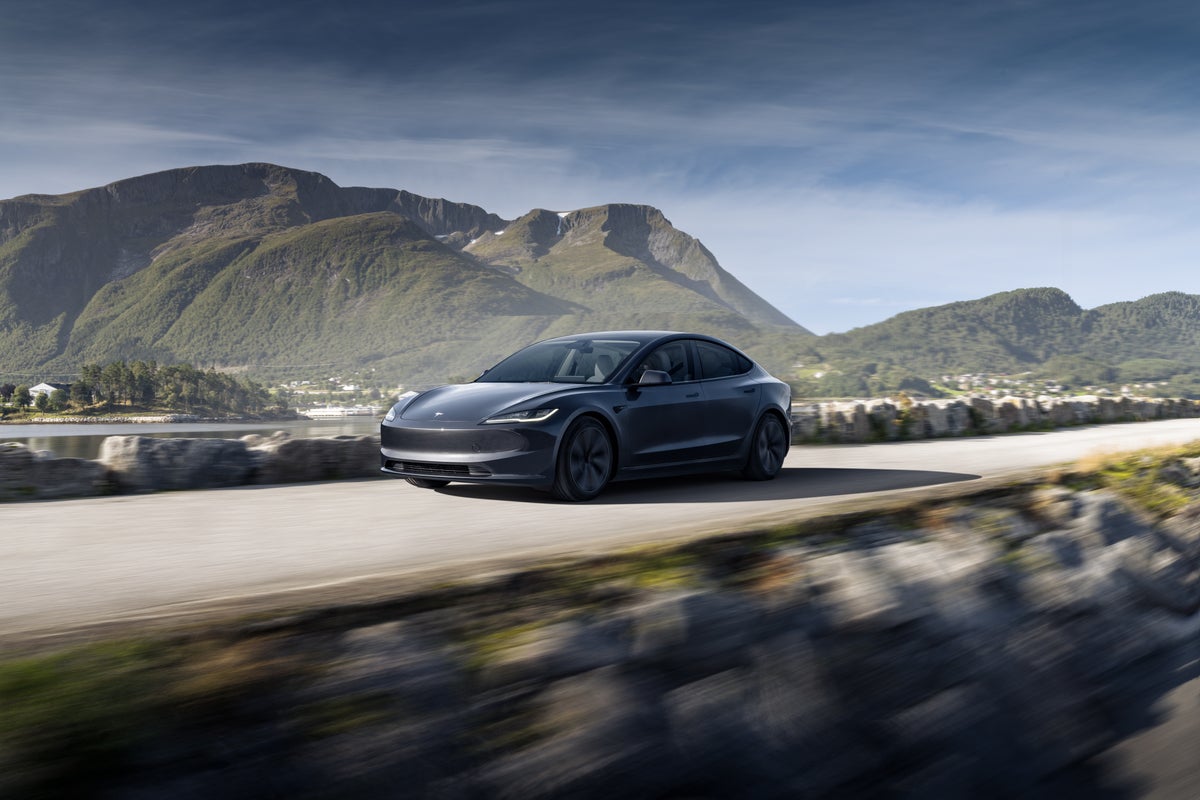
- Launch Delay: Tesla's planned unveiling of the next-generation Roadster, initially set for April 1 in Texas, has been postponed to August or later, resulting in a 5% drop in stock price on Friday, potentially marking the worst week since June 2025 if losses persist.
- Collaboration with SpaceX: Musk revealed that Tesla is collaborating with his rocket manufacturing company SpaceX to achieve acceleration from 0 to 60 mph in under one second, although safety is not the primary goal, which may attract high-end consumers looking for performance.
- Limited Financial Impact: While the new Roadster is seen as the latest addition to Tesla's lineup, Musk indicated that it will have a negligible impact on the company's finances, with an expected starting price of $200,000, significantly higher than the Cybertruck's $79,990 base price.
- Bearish Market Sentiment: On Stocktwits, retail sentiment around TSLA shares remains in the 'bearish' territory, with users generally viewing the stock as overvalued, reflecting investor concerns about Tesla's strategic pivot towards autonomous taxis and humanoid robots.
See More

Magnificent Seven's Capital Expenditure Soars


- Surge in Capital Expenditure: The Magnificent Seven, including Alphabet, Amazon, Microsoft, and Meta, are expected to collectively spend $725 billion this year, a 77% increase from last year, significantly boosting their investments in AI infrastructure and further solidifying their market leadership.
- Tesla's Investment Growth: Tesla's capital spending is projected to jump from $8.5 billion to over $25 billion, primarily for the development of humanoid robots and robotaxis, enhancing its competitive edge in the future mobility market.
- Nvidia's Revenue Surge: Nvidia reported an 85% year-over-year revenue growth in Q1 of fiscal 2027, with current quarter estimates reaching $91 billion, reflecting strong demand for its AI chips that will significantly enhance future profitability.
- Sandisk's Growth Potential: Sandisk's NAND flash storage solutions are in high demand, with AI storage market revenues expected to soar from $36 billion to $322 billion by 2035, indicating its critical role in AI infrastructure will drive exponential earnings growth.
See More

Nvidia and Sandisk Thrive Amid AI Infrastructure Boom
- Surge in AI Infrastructure Demand: Nvidia's Vera Rubin AI processors are being widely deployed across the top four hyperscalers in the U.S., leading to an 85% year-over-year revenue growth in Q1, with current quarter revenue expected to reach $91 billion, reflecting strong market demand and future growth potential.
- Significant Capital Expenditure Increase: The 'Magnificent Seven', including Alphabet, Amazon, and Microsoft, are projected to collectively invest $725 billion in capital expenditures this year, a 77% increase from last year, which will further drive the construction of AI infrastructure and enhance the performance of related companies.
- Sandisk's Market Outlook: With demand for Sandisk's NAND flash storage solutions exceeding supply, the AI storage market's revenue is expected to grow from $36 billion last year to $322 billion by 2035, propelling Sandisk's earnings per share to $2.99 in fiscal 2025, indicating strong growth potential in the AI sector.
- Investment Value Comparison: While Nvidia shows significant growth potential, Sandisk's growth rate is faster, and its forward P/E ratio of 22 is more attractive compared to Nvidia's 25, suggesting that Sandisk may be the better choice for building a million-dollar portfolio.
See More
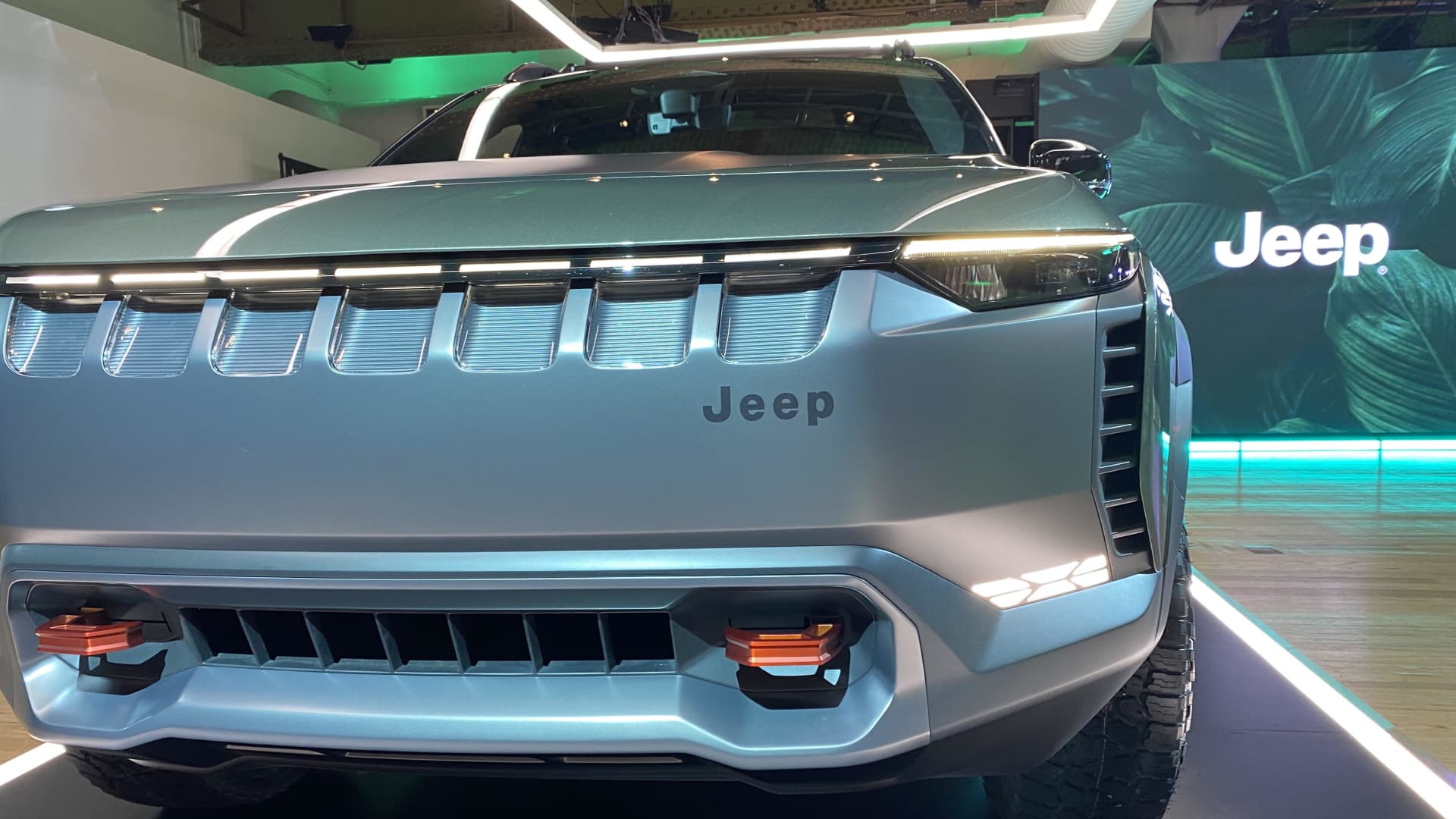
Chinese EV Expansion into U.S. Market Gains Momentum


- Market Expansion Strategy: Chinese electric vehicles are aggressively expanding their footprint across Europe, the U.K., Asia, and Australia, with exports reaching millions, showcasing strong competitiveness in the global EV market, particularly with potential opportunities in the U.S.
- Challenges in U.S. Market: Despite facing tariffs as high as 125% and stringent regulations, the likelihood of Chinese EVs entering the U.S. market in the coming years is increasing, especially through localized manufacturing in joint ventures.
- Competitive Pressure on Industry: Traditional U.S. automakers like GM and Ford are struggling with the transition to electric vehicles, as they remain focused on internal combustion engine cars, which may lead to further erosion of their market share as China rapidly advances in the EV sector.
- Future Collaboration Opportunities: As Chinese EVs gradually penetrate the North American market, U.S. automakers are expected to seek partnerships with Chinese companies to address competitive pressures and maintain relevance, particularly in EV technology and production capabilities.
See More
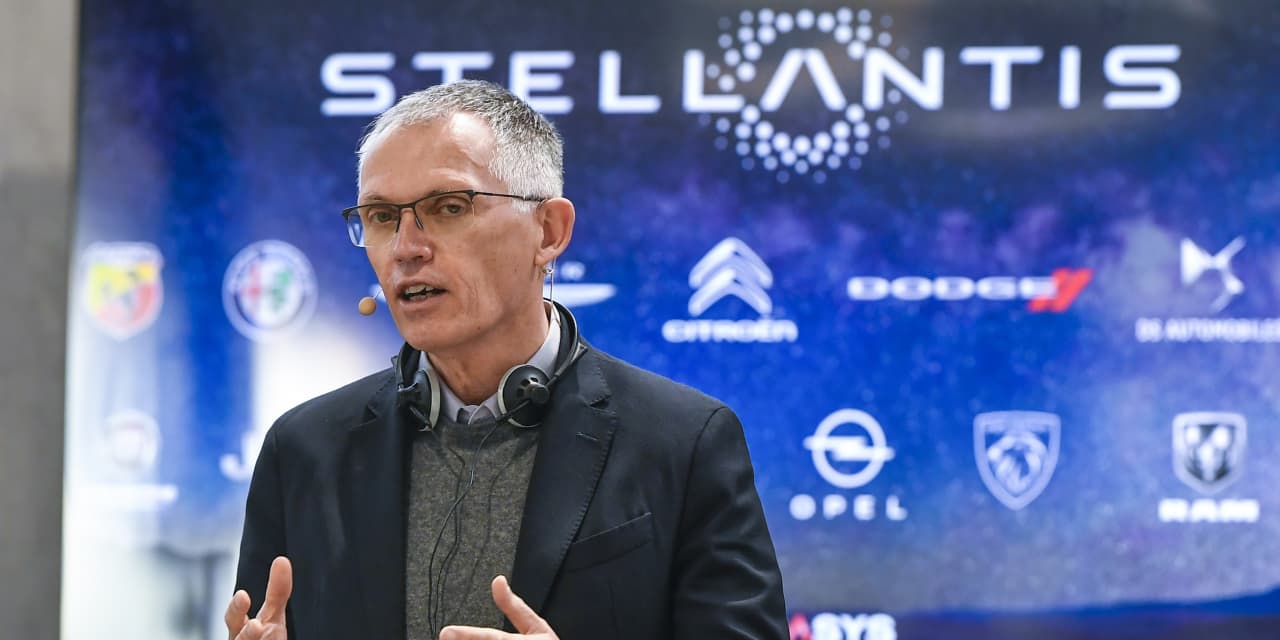
Analysis of Chinese EV Market Prospects in the U.S.
- Market Expansion Potential: China is projected to produce 16 million electric vehicles in 2025, exceeding domestic demand by 20%, which will double exports to 2.5 million units, highlighting China's dominance in the global EV market.
- U.S. Market Challenges: Despite import restrictions on Chinese EVs, sales in Mexico and Canada account for 25% of total sales, paving the way for potential future entry into the U.S. market.
- Collaboration Opportunities: U.S. automakers like Ford and GM are forming partnerships with Chinese companies, with Ford's negotiations with Geely indicating American interest in Chinese EVs, which could enhance technology sharing and competitiveness.
- Policy Barriers and Opportunities: While Congress has proposed a ban on Chinese vehicles, experts believe that future joint ventures and localized production could still allow for the legal sale of Chinese EVs in the U.S.
See More
SpaceX IPO Valuation Hits $1.77 Trillion
- Historic IPO Valuation: SpaceX is set to launch its IPO on June 12 with a valuation of $1.77 trillion, which, while lower than the previously anticipated $2 trillion, will still mark the largest IPO in U.S. history, likely having a significant impact on the broader market.
- Stock Pricing and Fundraising Goals: The company plans to sell 555.6 million Class A shares at $135 each, aiming to raise approximately $75 billion, a figure that far exceeds Alibaba's $22 billion raised in 2014, indicating strong market interest in space technology.
- Market Reaction and Risk Factors: Although SpaceX's IPO is viewed as a powerful market move, the $200 billion reduction in valuation raises concerns about the company's future performance, especially following Blue Origin's recent rocket launch failure, which has heightened industry risks.
- Potential Merger Considerations: Reports suggest that CEO Elon Musk may be considering a merger between SpaceX and Tesla, a strategic move that could further influence investor perceptions of SpaceX, particularly in the current market climate.
See More
Tesla Delays Next-Gen Roadster Unveiling
- Launch Delay: Tesla's planned unveiling of the next-generation Roadster, initially set for April 1 in Texas, has been postponed to August or later, resulting in a 5% drop in stock price on Friday, potentially marking the worst week since June 2025 if losses persist.
- Collaboration with SpaceX: Musk revealed that Tesla is collaborating with his rocket manufacturing company SpaceX to achieve acceleration from 0 to 60 mph in under one second, although safety is not the primary goal, which may attract high-end consumers looking for performance.
- Limited Financial Impact: While the new Roadster is seen as the latest addition to Tesla's lineup, Musk indicated that it will have a negligible impact on the company's finances, with an expected starting price of $200,000, significantly higher than the Cybertruck's $79,990 base price.
- Bearish Market Sentiment: On Stocktwits, retail sentiment around TSLA shares remains in the 'bearish' territory, with users generally viewing the stock as overvalued, reflecting investor concerns about Tesla's strategic pivot towards autonomous taxis and humanoid robots.
See More
Magnificent Seven's Capital Expenditure Soars
- Surge in Capital Expenditure: The Magnificent Seven, including Alphabet, Amazon, Microsoft, and Meta, are expected to collectively spend $725 billion this year, a 77% increase from last year, significantly boosting their investments in AI infrastructure and further solidifying their market leadership.
- Tesla's Investment Growth: Tesla's capital spending is projected to jump from $8.5 billion to over $25 billion, primarily for the development of humanoid robots and robotaxis, enhancing its competitive edge in the future mobility market.
- Nvidia's Revenue Surge: Nvidia reported an 85% year-over-year revenue growth in Q1 of fiscal 2027, with current quarter estimates reaching $91 billion, reflecting strong demand for its AI chips that will significantly enhance future profitability.
- Sandisk's Growth Potential: Sandisk's NAND flash storage solutions are in high demand, with AI storage market revenues expected to soar from $36 billion to $322 billion by 2035, indicating its critical role in AI infrastructure will drive exponential earnings growth.
See More
Nvidia and Sandisk Thrive Amid AI Infrastructure Boom
- Surge in AI Infrastructure Demand: Nvidia's Vera Rubin AI processors are being widely deployed across the top four hyperscalers in the U.S., leading to an 85% year-over-year revenue growth in Q1, with current quarter revenue expected to reach $91 billion, reflecting strong market demand and future growth potential.
- Significant Capital Expenditure Increase: The 'Magnificent Seven', including Alphabet, Amazon, and Microsoft, are projected to collectively invest $725 billion in capital expenditures this year, a 77% increase from last year, which will further drive the construction of AI infrastructure and enhance the performance of related companies.
- Sandisk's Market Outlook: With demand for Sandisk's NAND flash storage solutions exceeding supply, the AI storage market's revenue is expected to grow from $36 billion last year to $322 billion by 2035, propelling Sandisk's earnings per share to $2.99 in fiscal 2025, indicating strong growth potential in the AI sector.
- Investment Value Comparison: While Nvidia shows significant growth potential, Sandisk's growth rate is faster, and its forward P/E ratio of 22 is more attractive compared to Nvidia's 25, suggesting that Sandisk may be the better choice for building a million-dollar portfolio.
See More
Chinese EV Expansion into U.S. Market Gains Momentum
- Market Expansion Strategy: Chinese electric vehicles are aggressively expanding their footprint across Europe, the U.K., Asia, and Australia, with exports reaching millions, showcasing strong competitiveness in the global EV market, particularly with potential opportunities in the U.S.
- Challenges in U.S. Market: Despite facing tariffs as high as 125% and stringent regulations, the likelihood of Chinese EVs entering the U.S. market in the coming years is increasing, especially through localized manufacturing in joint ventures.
- Competitive Pressure on Industry: Traditional U.S. automakers like GM and Ford are struggling with the transition to electric vehicles, as they remain focused on internal combustion engine cars, which may lead to further erosion of their market share as China rapidly advances in the EV sector.
- Future Collaboration Opportunities: As Chinese EVs gradually penetrate the North American market, U.S. automakers are expected to seek partnerships with Chinese companies to address competitive pressures and maintain relevance, particularly in EV technology and production capabilities.
See More
Analysis of Chinese EV Market Prospects in the U.S.
- Market Expansion Potential: China is projected to produce 16 million electric vehicles in 2025, exceeding domestic demand by 20%, which will double exports to 2.5 million units, highlighting China's dominance in the global EV market.
- U.S. Market Challenges: Despite import restrictions on Chinese EVs, sales in Mexico and Canada account for 25% of total sales, paving the way for potential future entry into the U.S. market.
- Collaboration Opportunities: U.S. automakers like Ford and GM are forming partnerships with Chinese companies, with Ford's negotiations with Geely indicating American interest in Chinese EVs, which could enhance technology sharing and competitiveness.
- Policy Barriers and Opportunities: While Congress has proposed a ban on Chinese vehicles, experts believe that future joint ventures and localized production could still allow for the legal sale of Chinese EVs in the U.S.
See More