Semiconductor Stocks Lose Over $1 Trillion in Market Value
Written by Emily J. Thompson, Senior Investment Analyst
Updated: 1 hour ago
0mins
Source: seekingalpha
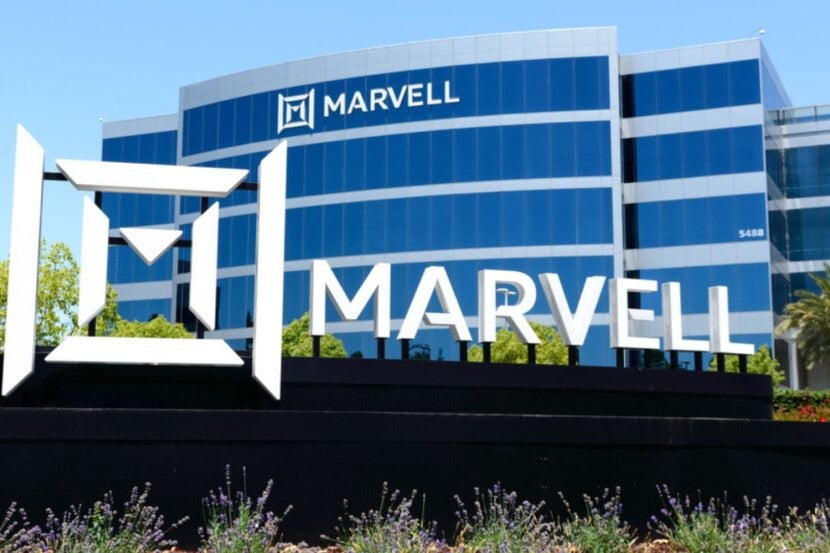
- Earnings Report Disappointment: Broadcom's (AVGO) lackluster earnings report failed to boost market confidence, leading to a selloff in semiconductor stocks that erased over $1 trillion in market value, indicating investor concerns about the industry's outlook.
- Market Index Plunge: The PHLX Semiconductor Index (SOXQ) dropped over 10% on Friday, marking its largest single-day decline since March 2020, reflecting a waning confidence in economic recovery among investors.
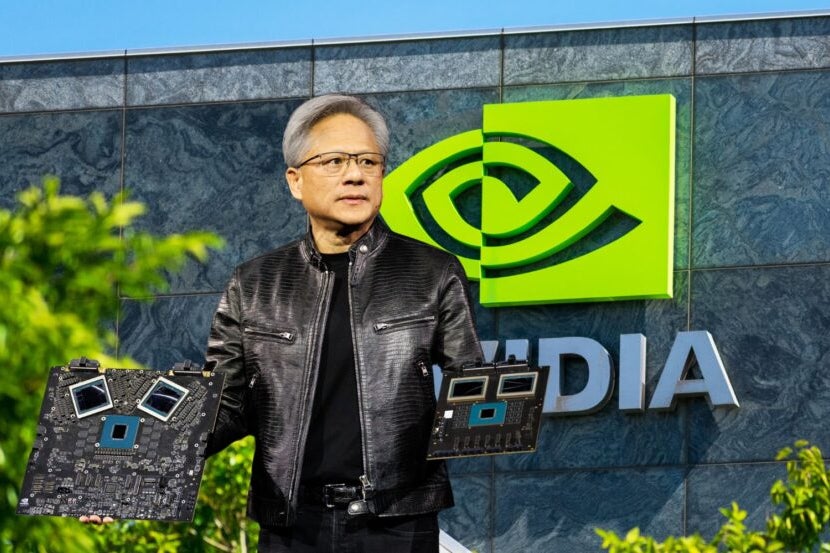
- Individual Stock Struggles: Nvidia (NVDA) saw its stock price fall over 6%, resulting in a market cap loss exceeding $300 billion, marking its largest single-day selloff in over a year, showcasing the pressures in the AI sector.
- Overall Market Capitalization Loss: The entire semiconductor sector, including Micron Technology (MU) and other major players, collectively lost about $1.3 trillion in market capitalization on Friday, highlighting the prevailing pessimism surrounding the semiconductor industry.
Trade with 70% Backtested Accuracy
Stop guessing "Should I Buy NVDA?" and start using high-conviction signals backed by rigorous historical data.
Sign up today to access powerful investing tools and make smarter, data-driven decisions.
Analyst Views on NVDA
Wall Street analysts forecast NVDA stock price to rise
41 Analyst Rating
39 Buy
1 Hold
1 Sell
Strong Buy
Current: 218.660

Low
200.00
Averages
264.97
High
352.00
Current: 218.660
Low
200.00
Averages
264.97
High
352.00
About NVDA
NVIDIA Corporation is an artificial intelligence (AI) infrastructure company. The Company is engaged in accelerated computing to help solve the challenging computational problems. Its segments include Compute & Networking and Graphics. The Compute & Networking segment includes its Data Center accelerated computing and networking platforms and AI solutions and software, and automotive platforms and autonomous and electric vehicle solutions, including software. The Graphics segment includes GeForce GPUs for gaming and personal computers (PCs), and Quadro/NVIDIA RTX GPUs for enterprise workstation graphics. Its technology stack includes the foundational NVIDIA CUDA development platform that runs on all NVIDIA GPUs, as well as hundreds of domain-specific software libraries, frameworks, algorithms, software development kits (SDKs), and application programming interfaces (APIs). Its platforms address four markets, which include Data Center, Gaming, Professional Visualization, and Automotive.
About the author

Emily J. Thompson
Emily J. Thompson, a Chartered Financial Analyst (CFA) with 12 years in investment research, graduated with honors from the Wharton School. Specializing in industrial and technology stocks, she provides in-depth analysis for Intellectia’s earnings and market brief reports.
Anthropic Plans Initial Public Offering Amid AI Boom

- IPO Filing: Anthropic confidentially filed for an IPO with the SEC on June 1, indicating its rapid growth in the AI sector and positioning itself as a potential trillion-dollar company, likely to attract significant investor interest.
- Funding Background: Following a $65 billion Series H funding round, Anthropic's valuation reached $965 billion, surpassing OpenAI's $852 billion, reflecting strong competitive positioning and investor confidence in the AI market.
- Profitability Outlook: Anthropic expects to achieve nearly $50 billion in annualized revenue by the end of June and to turn an operating profit in the current quarter, making its IPO valuation potentially more attractive with a 20x forward revenue multiple compared to OpenAI's 40x.
- Market Sentiment: There is considerable anticipation for Anthropic's IPO, with investors assigning a 53% chance that its market cap will exceed $1.8 trillion on the first day of trading, indicating optimistic expectations for its future performance.
See More

Stock Market Plummets as Tech Stocks Take a Hit

- Market Turmoil: The stock market faced a massive sell-off on Friday, with the S&P 500 and Nasdaq dropping 2.6% and 4.2%, respectively, breaking a nine-week winning streak and indicating investor anxiety over the Federal Reserve's interest rate policies.
- Tech Stock Struggles: Broadcom's stock plummeted 12.6% post-earnings, failing to meet high market expectations, which undermined investor confidence and exacerbated the overall decline in tech stocks.
- IPO Surge: SpaceX plans to issue 555.6 million shares at $135 each, raising approximately $75 billion and achieving a market value of $1.8 trillion, highlighting strong demand for high-tech companies but raising concerns about market oversupply.
- Investor Sentiment Dips: Following Alphabet's announcement of an $85 billion stock sale to fund AI investments, the market reacted negatively, with Meta Platforms also dropping over 6% due to potential dilution fears, reflecting investor apprehension about equity dilution.
See More
Semiconductor Stocks Lose Over $1 Trillion in Market Value

- Earnings Report Disappointment: Broadcom's (AVGO) lackluster earnings report failed to boost market confidence, leading to a selloff in semiconductor stocks that erased over $1 trillion in market value, indicating investor concerns about the industry's outlook.
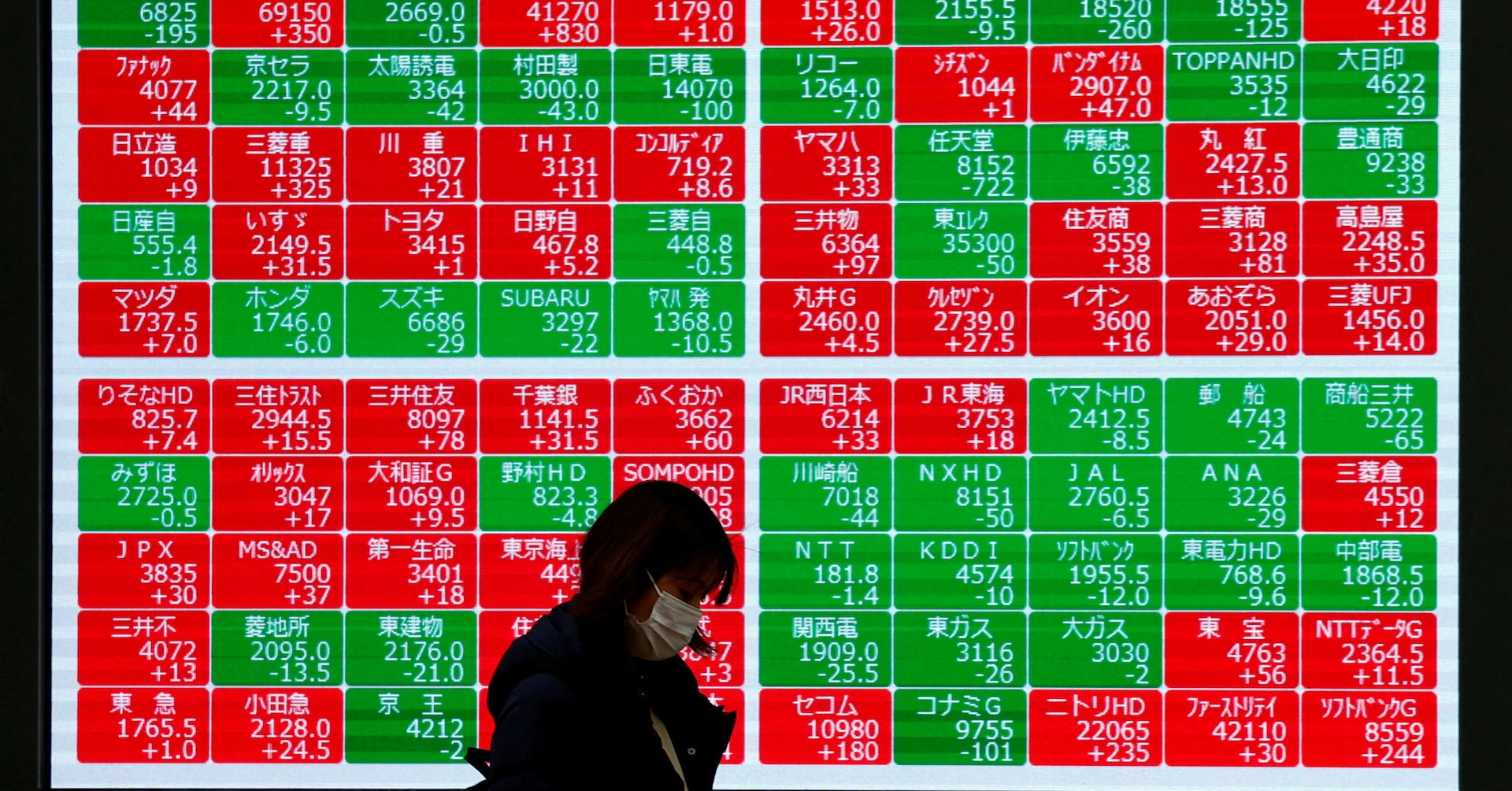
- Market Index Plunge: The PHLX Semiconductor Index (SOXQ) dropped over 10% on Friday, marking its largest single-day decline since March 2020, reflecting a waning confidence in economic recovery among investors.
- Individual Stock Struggles: Nvidia (NVDA) saw its stock price fall over 6%, resulting in a market cap loss exceeding $300 billion, marking its largest single-day selloff in over a year, showcasing the pressures in the AI sector.
- Overall Market Capitalization Loss: The entire semiconductor sector, including Micron Technology (MU) and other major players, collectively lost about $1.3 trillion in market capitalization on Friday, highlighting the prevailing pessimism surrounding the semiconductor industry.
See More
SpaceX Sets IPO Price at $135 per Share
- Transparent IPO Pricing: SpaceX is targeting a fixed IPO price of $135 per share, bypassing the traditional book-building process, which enhances transparency for investors and mitigates the risk of last-minute price hikes, thereby boosting investor confidence.
- Investor Participation Barriers: While the fixed price appears attractive, most retail investors may not be able to purchase shares at this price, as it is primarily available to institutional investors and high-net-worth individuals, leading to potentially higher market prices during actual trading.
- Brokerage Policy Variations: Different brokerage firms have varying eligibility criteria for IPO participation; for instance, Robinhood and SoFi allow access for smaller accounts, while traditional brokers like Charles Schwab and Fidelity may require account minimums over $100,000, affecting retail investors' opportunities.
- Market Demand Influences Pricing: Once SpaceX begins trading, share prices will fluctuate based on market demand, meaning retail investors may end up purchasing shares at prices exceeding $135 on the first day, which could alter the risk-reward profile of their investments, necessitating careful evaluation of long-term investment value.
See More

Microsoft's Nuclear Partnership Fuels AI Growth


- Surging Power Demand: The widespread adoption of AI models is driving a significant increase in electricity demand, particularly from data centers, making power supply a critical factor for the AI industry's growth and altering its economic landscape.
- Microsoft's Strategic Partnership: By signing a long-term agreement to restart the Three Mile Island nuclear reactor, Microsoft demonstrates a profound understanding of the dual reliance on power and computing capabilities, potentially opening new avenues for AI industry development.
- Constellation Energy's Advantage: As the largest clean energy producer in the U.S. with a vast fleet of nuclear power plants, Constellation Energy is well-positioned to provide reliable electricity to data centers, likely enhancing its market value amid rising AI demand.
- Investor Focus on Power Supply: With the advent of the AI era, electricity supply is becoming a focal point for investors, and Constellation Energy, due to its unique position in the power market, could emerge as a winner in future investments, having seen its stock rise nearly 600% over the past five years.
See More

Magnificent Seven's Capital Expenditure Soars

- Surge in Capital Expenditure: The Magnificent Seven, including Alphabet, Amazon, Microsoft, and Meta, are expected to collectively spend $725 billion this year, a 77% increase from last year, significantly boosting their investments in AI infrastructure and further solidifying their market leadership.
- Tesla's Investment Growth: Tesla's capital spending is projected to jump from $8.5 billion to over $25 billion, primarily for the development of humanoid robots and robotaxis, enhancing its competitive edge in the future mobility market.
- Nvidia's Revenue Surge: Nvidia reported an 85% year-over-year revenue growth in Q1 of fiscal 2027, with current quarter estimates reaching $91 billion, reflecting strong demand for its AI chips that will significantly enhance future profitability.
- Sandisk's Growth Potential: Sandisk's NAND flash storage solutions are in high demand, with AI storage market revenues expected to soar from $36 billion to $322 billion by 2035, indicating its critical role in AI infrastructure will drive exponential earnings growth.
See More
Anthropic Plans Initial Public Offering Amid AI Boom
- IPO Filing: Anthropic confidentially filed for an IPO with the SEC on June 1, indicating its rapid growth in the AI sector and positioning itself as a potential trillion-dollar company, likely to attract significant investor interest.
- Funding Background: Following a $65 billion Series H funding round, Anthropic's valuation reached $965 billion, surpassing OpenAI's $852 billion, reflecting strong competitive positioning and investor confidence in the AI market.
- Profitability Outlook: Anthropic expects to achieve nearly $50 billion in annualized revenue by the end of June and to turn an operating profit in the current quarter, making its IPO valuation potentially more attractive with a 20x forward revenue multiple compared to OpenAI's 40x.
- Market Sentiment: There is considerable anticipation for Anthropic's IPO, with investors assigning a 53% chance that its market cap will exceed $1.8 trillion on the first day of trading, indicating optimistic expectations for its future performance.
See More
Stock Market Plummets as Tech Stocks Take a Hit
- Market Turmoil: The stock market faced a massive sell-off on Friday, with the S&P 500 and Nasdaq dropping 2.6% and 4.2%, respectively, breaking a nine-week winning streak and indicating investor anxiety over the Federal Reserve's interest rate policies.
- Tech Stock Struggles: Broadcom's stock plummeted 12.6% post-earnings, failing to meet high market expectations, which undermined investor confidence and exacerbated the overall decline in tech stocks.
- IPO Surge: SpaceX plans to issue 555.6 million shares at $135 each, raising approximately $75 billion and achieving a market value of $1.8 trillion, highlighting strong demand for high-tech companies but raising concerns about market oversupply.
- Investor Sentiment Dips: Following Alphabet's announcement of an $85 billion stock sale to fund AI investments, the market reacted negatively, with Meta Platforms also dropping over 6% due to potential dilution fears, reflecting investor apprehension about equity dilution.
See More
Semiconductor Stocks Lose Over $1 Trillion in Market Value
- Earnings Report Disappointment: Broadcom's (AVGO) lackluster earnings report failed to boost market confidence, leading to a selloff in semiconductor stocks that erased over $1 trillion in market value, indicating investor concerns about the industry's outlook.
- Market Index Plunge: The PHLX Semiconductor Index (SOXQ) dropped over 10% on Friday, marking its largest single-day decline since March 2020, reflecting a waning confidence in economic recovery among investors.
- Individual Stock Struggles: Nvidia (NVDA) saw its stock price fall over 6%, resulting in a market cap loss exceeding $300 billion, marking its largest single-day selloff in over a year, showcasing the pressures in the AI sector.
- Overall Market Capitalization Loss: The entire semiconductor sector, including Micron Technology (MU) and other major players, collectively lost about $1.3 trillion in market capitalization on Friday, highlighting the prevailing pessimism surrounding the semiconductor industry.
See More
SpaceX Sets IPO Price at $135 per Share
- Transparent IPO Pricing: SpaceX is targeting a fixed IPO price of $135 per share, bypassing the traditional book-building process, which enhances transparency for investors and mitigates the risk of last-minute price hikes, thereby boosting investor confidence.
- Investor Participation Barriers: While the fixed price appears attractive, most retail investors may not be able to purchase shares at this price, as it is primarily available to institutional investors and high-net-worth individuals, leading to potentially higher market prices during actual trading.
- Brokerage Policy Variations: Different brokerage firms have varying eligibility criteria for IPO participation; for instance, Robinhood and SoFi allow access for smaller accounts, while traditional brokers like Charles Schwab and Fidelity may require account minimums over $100,000, affecting retail investors' opportunities.
- Market Demand Influences Pricing: Once SpaceX begins trading, share prices will fluctuate based on market demand, meaning retail investors may end up purchasing shares at prices exceeding $135 on the first day, which could alter the risk-reward profile of their investments, necessitating careful evaluation of long-term investment value.
See More
Microsoft's Nuclear Partnership Fuels AI Growth
- Surging Power Demand: The widespread adoption of AI models is driving a significant increase in electricity demand, particularly from data centers, making power supply a critical factor for the AI industry's growth and altering its economic landscape.
- Microsoft's Strategic Partnership: By signing a long-term agreement to restart the Three Mile Island nuclear reactor, Microsoft demonstrates a profound understanding of the dual reliance on power and computing capabilities, potentially opening new avenues for AI industry development.
- Constellation Energy's Advantage: As the largest clean energy producer in the U.S. with a vast fleet of nuclear power plants, Constellation Energy is well-positioned to provide reliable electricity to data centers, likely enhancing its market value amid rising AI demand.
- Investor Focus on Power Supply: With the advent of the AI era, electricity supply is becoming a focal point for investors, and Constellation Energy, due to its unique position in the power market, could emerge as a winner in future investments, having seen its stock rise nearly 600% over the past five years.
See More
Magnificent Seven's Capital Expenditure Soars
- Surge in Capital Expenditure: The Magnificent Seven, including Alphabet, Amazon, Microsoft, and Meta, are expected to collectively spend $725 billion this year, a 77% increase from last year, significantly boosting their investments in AI infrastructure and further solidifying their market leadership.
- Tesla's Investment Growth: Tesla's capital spending is projected to jump from $8.5 billion to over $25 billion, primarily for the development of humanoid robots and robotaxis, enhancing its competitive edge in the future mobility market.
- Nvidia's Revenue Surge: Nvidia reported an 85% year-over-year revenue growth in Q1 of fiscal 2027, with current quarter estimates reaching $91 billion, reflecting strong demand for its AI chips that will significantly enhance future profitability.
- Sandisk's Growth Potential: Sandisk's NAND flash storage solutions are in high demand, with AI storage market revenues expected to soar from $36 billion to $322 billion by 2035, indicating its critical role in AI infrastructure will drive exponential earnings growth.
See More