Tech Stocks Start 2026 Strong with Nvidia and Alphabet Up Over 1%
Written by Emily J. Thompson, Senior Investment Analyst
Updated: Jan 02 2026
0mins

Source: CNBC
- Tech Stock Performance: On the first trading day of 2026, tech stocks continued to lead, with Nvidia and Alphabet both rising over 1%, indicating sustained investor confidence in the tech sector despite ongoing concerns about high valuations.
- Semiconductor Sector Recovery: The semiconductor sector saw a collective rise, with Broadcom gaining over 1.5%, reflecting optimistic sentiment about the industry's recovery, which could drive profitability for related companies.
- AI Investment Trends: While AI stocks performed strongly in 2025, with Palantir up 135% and Oracle up 17%, increased investor caution regarding high valuations may prompt a shift towards more cyclical stocks, impacting future investment strategies.
- Market Expectations: According to the 2026 CNBC Market Strategist Survey, Wall Street anticipates the S&P 500 will rise by approximately 11% in 2026, a respectable increase that, while lower than previous years, still indicates healthy market development potential.
Trade with 70% Backtested Accuracy
Stop guessing "Should I Buy AVGO?" and start using high-conviction signals backed by rigorous historical data.
Sign up today to access powerful investing tools and make smarter, data-driven decisions.
Analyst Views on AVGO
Wall Street analysts forecast AVGO stock price to rise
30 Analyst Rating
29 Buy
1 Hold
0 Sell
Strong Buy
Current: 392.900

Low
370.00
Averages
457.75
High
525.00
Current: 392.900
Low
370.00
Averages
457.75
High
525.00
About AVGO
Broadcom Inc. is a global technology firm that designs, develops, and supplies a range of semiconductors, enterprise software and security solutions. The Company operates through two segments: semiconductor solutions and infrastructure software. Its semiconductor solutions segment includes all of its product lines and intellectual property (IP) licensing. It provides a variety of radio frequency semiconductor devices, wireless connectivity solutions, custom touch controllers, and inductive charging solutions for mobile applications. Its infrastructure software segment includes its private and hybrid cloud, application development and delivery, software-defined edge, application networking and security, mainframe, distributed and cybersecurity solutions, and its FC SAN business. It provides a portfolio of software solutions that enable customers to plan, develop, automate, manage and secure applications across mainframe, distributed, mobile and cloud platforms.
About the author

Emily J. Thompson
Emily J. Thompson, a Chartered Financial Analyst (CFA) with 12 years in investment research, graduated with honors from the Wharton School. Specializing in industrial and technology stocks, she provides in-depth analysis for Intellectia’s earnings and market brief reports.

Broadcom Announces Cash Tender Offer Pricing Terms

- Tender Offer Details: Broadcom has announced a cash tender offer to purchase various maturing bonds with a maximum price of $2.5 billion, including 4.926% and 4.900% senior notes, aimed at optimizing its capital structure and reducing financing costs.
- Acceptance Priority: The acceptance priority of the bonds in the tender offer will influence the final purchase decisions, ensuring the company can prioritize the acquisition of eligible debt instruments, thereby enhancing financial flexibility.
- Deadline Set: The deadline for the tender offer is set for June 17, 2026, at 5 PM; if conditions are not met, Broadcom reserves the right not to accept certain series of bonds, potentially impacting investor decisions.
- Market Reaction Expectations: Broadcom's tender offer may positively affect its debt market, boosting investor confidence and potentially improving the company's financing conditions in the capital markets.
See More
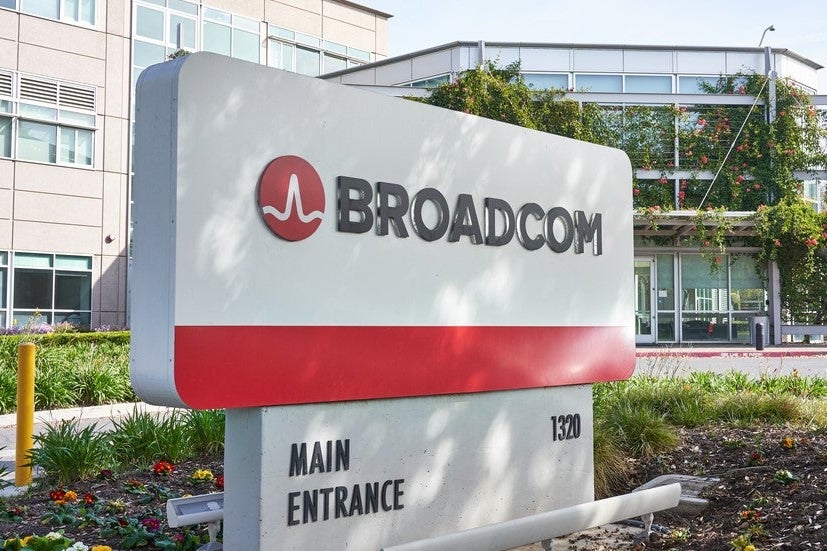
Broadcom's Rapid Growth in the AI Market

- Surge in AI Chip Sales: In fiscal 2025, Broadcom's AI chip sales soared by 65% to $20 billion, accounting for 31% of its total revenue, with projections indicating this could rise to at least $100 billion by fiscal 2027, representing over 58% of revenue, highlighting its robust growth potential in the AI sector.
- Rising Customer Demand: As the AI market expands, Broadcom's hyperscale customers are expected to ramp up chip purchases, enabling them to reduce infrastructure costs by installing more custom ASICs, thereby decreasing long-term dependence on Nvidia and enhancing competitive positioning.
- Diverse Product Portfolio: Broadcom also offers a wide range of non-AI chips across mobile, data center, and networking sectors; while these segments are not growing as rapidly, bundling products can lock in customers and widen its competitive moat across various markets.
- Attractive Investment Value: Analysts forecast Broadcom's revenue and EPS to grow at CAGRs of 53% and 66% from fiscal 2025 to 2028, yet it trades at just 25 times next year's earnings, indicating a compelling investment opportunity relative to its growth rate in the booming AI market.
See More

Broadcom's AI Chip Sales Surge
- Significant Sales Growth: In fiscal 2025, Broadcom's AI chip sales surged 65% to $20 billion, accounting for 31% of total revenue, with projections to reach at least $100 billion by fiscal 2027, representing over 58% of revenue, indicating strong market demand and growth potential.
- Increased Customer Demand: As the AI market expands, Broadcom's hyperscale customers are expected to ramp up chip purchases, reducing infrastructure costs and long-term dependence on Nvidia by installing more custom ASICs, thereby further solidifying their market position.
- Relative Valuation Advantage: Despite the rapid growth of Broadcom's AI chip business, it trades at just 25 times next year's earnings, making it relatively cheap compared to Nvidia's 16 times, attracting long-term investors' attention.
- Diverse Product Portfolio: Broadcom also sells a wide range of non-AI chips and infrastructure software, which, although growing slower, allows the company to bundle products, lock in customers, and expand competitive advantages across multiple markets, enhancing its market moat.
See More
Broadcom's Rise in the AI Market
- AI Chip Sales Surge: Broadcom's AI chip sales soared 65% in fiscal 2025 to $20 billion, accounting for 31% of total revenue, with projections to reach at least $100 billion by fiscal 2027, representing over 58% of revenue, indicating strong growth potential in the AI market.
- Increased Customer Demand: As the AI market expands, Broadcom's hyperscale customers are expected to ramp up chip purchases, reducing infrastructure costs by installing more custom ASICs, thereby decreasing long-term dependence on Nvidia and enhancing competitive positioning.
- Significant Investment Value: Analysts forecast Broadcom's revenue and EPS to grow at CAGRs of 53% and 66% from fiscal 2025 to 2028, respectively, while trading at just 25 times next year's earnings, highlighting its undervaluation relative to growth, making it one of the cheapest mega-cap AI stocks in the market.
- Diverse Product Portfolio: Although Broadcom's non-AI chip business is growing more slowly, its extensive product range across mobile, data center, and networking sectors allows for bundling, locking in customers and widening its competitive moat across multiple markets.
See More

Investment Opportunities in AI Infrastructure
- Market Leadership: Nvidia anticipates total orders for its Blackwell and Vera Rubin platforms to reach $1 trillion between 2026 and 2027, propelling revenue from $253.5 billion over the past 12 months to $391.7 billion, indicating robust growth potential.
- AI Chip Surge: Broadcom's AI semiconductor revenue soared by 143% year-over-year to $10.8 billion in Q2 of fiscal 2026, with projections to exceed $100 billion by 2027, highlighting its rapid ascent in the AI market.
- Infrastructure Significance: Vertiv Holdings reported a 44% organic sales increase in the Americas to $1.8 billion, reflecting strong demand for data center construction, although it may face risks of market slowdown in the future.
- Long-Term Growth Potential: Analysts estimate annualized earnings growth rates of 45% for Nvidia, 46% for Broadcom, and over 32% for Vertiv, underscoring the long-term investment value of these companies in the AI sector.
See More

Nvidia's Vera Rubin Platform Fuels Growth Potential
- Nvidia's Growth Potential: Nvidia anticipates total orders for its Blackwell and Vera Rubin platforms to reach $1 trillion between 2026 and 2027, propelling revenue from $253.5 billion over the past 12 months to $391.7 billion, indicating strong market demand and explosive growth potential ahead.
- Broadcom's AI Chip Surge: Broadcom's AI semiconductor revenue surged 143% year-over-year to $10.8 billion in Q2 of fiscal 2026, with projections to exceed $100 billion by 2027, showcasing its competitive edge and profitability in the AI chip market.
- Vertiv's Infrastructure Significance: Vertiv's organic sales grew 44% to $1.8 billion in the Americas, with operating profit margins rising by 5.1 percentage points, highlighting its crucial role and pricing power in data center construction, despite potential market fluctuations ahead.
- Sustained AI Investment Cycle: Major tech companies continue to ramp up investments in AI infrastructure, indicating that the largest investment cycle since the industrial revolution is still ongoing, with Nvidia, Broadcom, and Vertiv poised to benefit significantly from this trend.
See More
Broadcom Announces Cash Tender Offer Pricing Terms
- Tender Offer Details: Broadcom has announced a cash tender offer to purchase various maturing bonds with a maximum price of $2.5 billion, including 4.926% and 4.900% senior notes, aimed at optimizing its capital structure and reducing financing costs.
- Acceptance Priority: The acceptance priority of the bonds in the tender offer will influence the final purchase decisions, ensuring the company can prioritize the acquisition of eligible debt instruments, thereby enhancing financial flexibility.
- Deadline Set: The deadline for the tender offer is set for June 17, 2026, at 5 PM; if conditions are not met, Broadcom reserves the right not to accept certain series of bonds, potentially impacting investor decisions.
- Market Reaction Expectations: Broadcom's tender offer may positively affect its debt market, boosting investor confidence and potentially improving the company's financing conditions in the capital markets.
See More
Broadcom's Rapid Growth in the AI Market
- Surge in AI Chip Sales: In fiscal 2025, Broadcom's AI chip sales soared by 65% to $20 billion, accounting for 31% of its total revenue, with projections indicating this could rise to at least $100 billion by fiscal 2027, representing over 58% of revenue, highlighting its robust growth potential in the AI sector.
- Rising Customer Demand: As the AI market expands, Broadcom's hyperscale customers are expected to ramp up chip purchases, enabling them to reduce infrastructure costs by installing more custom ASICs, thereby decreasing long-term dependence on Nvidia and enhancing competitive positioning.
- Diverse Product Portfolio: Broadcom also offers a wide range of non-AI chips across mobile, data center, and networking sectors; while these segments are not growing as rapidly, bundling products can lock in customers and widen its competitive moat across various markets.
- Attractive Investment Value: Analysts forecast Broadcom's revenue and EPS to grow at CAGRs of 53% and 66% from fiscal 2025 to 2028, yet it trades at just 25 times next year's earnings, indicating a compelling investment opportunity relative to its growth rate in the booming AI market.
See More
Broadcom's AI Chip Sales Surge
- Significant Sales Growth: In fiscal 2025, Broadcom's AI chip sales surged 65% to $20 billion, accounting for 31% of total revenue, with projections to reach at least $100 billion by fiscal 2027, representing over 58% of revenue, indicating strong market demand and growth potential.
- Increased Customer Demand: As the AI market expands, Broadcom's hyperscale customers are expected to ramp up chip purchases, reducing infrastructure costs and long-term dependence on Nvidia by installing more custom ASICs, thereby further solidifying their market position.
- Relative Valuation Advantage: Despite the rapid growth of Broadcom's AI chip business, it trades at just 25 times next year's earnings, making it relatively cheap compared to Nvidia's 16 times, attracting long-term investors' attention.
- Diverse Product Portfolio: Broadcom also sells a wide range of non-AI chips and infrastructure software, which, although growing slower, allows the company to bundle products, lock in customers, and expand competitive advantages across multiple markets, enhancing its market moat.
See More
Broadcom's Rise in the AI Market
- AI Chip Sales Surge: Broadcom's AI chip sales soared 65% in fiscal 2025 to $20 billion, accounting for 31% of total revenue, with projections to reach at least $100 billion by fiscal 2027, representing over 58% of revenue, indicating strong growth potential in the AI market.
- Increased Customer Demand: As the AI market expands, Broadcom's hyperscale customers are expected to ramp up chip purchases, reducing infrastructure costs by installing more custom ASICs, thereby decreasing long-term dependence on Nvidia and enhancing competitive positioning.
- Significant Investment Value: Analysts forecast Broadcom's revenue and EPS to grow at CAGRs of 53% and 66% from fiscal 2025 to 2028, respectively, while trading at just 25 times next year's earnings, highlighting its undervaluation relative to growth, making it one of the cheapest mega-cap AI stocks in the market.
- Diverse Product Portfolio: Although Broadcom's non-AI chip business is growing more slowly, its extensive product range across mobile, data center, and networking sectors allows for bundling, locking in customers and widening its competitive moat across multiple markets.
See More
Investment Opportunities in AI Infrastructure
- Market Leadership: Nvidia anticipates total orders for its Blackwell and Vera Rubin platforms to reach $1 trillion between 2026 and 2027, propelling revenue from $253.5 billion over the past 12 months to $391.7 billion, indicating robust growth potential.
- AI Chip Surge: Broadcom's AI semiconductor revenue soared by 143% year-over-year to $10.8 billion in Q2 of fiscal 2026, with projections to exceed $100 billion by 2027, highlighting its rapid ascent in the AI market.
- Infrastructure Significance: Vertiv Holdings reported a 44% organic sales increase in the Americas to $1.8 billion, reflecting strong demand for data center construction, although it may face risks of market slowdown in the future.
- Long-Term Growth Potential: Analysts estimate annualized earnings growth rates of 45% for Nvidia, 46% for Broadcom, and over 32% for Vertiv, underscoring the long-term investment value of these companies in the AI sector.
See More
Nvidia's Vera Rubin Platform Fuels Growth Potential
- Nvidia's Growth Potential: Nvidia anticipates total orders for its Blackwell and Vera Rubin platforms to reach $1 trillion between 2026 and 2027, propelling revenue from $253.5 billion over the past 12 months to $391.7 billion, indicating strong market demand and explosive growth potential ahead.
- Broadcom's AI Chip Surge: Broadcom's AI semiconductor revenue surged 143% year-over-year to $10.8 billion in Q2 of fiscal 2026, with projections to exceed $100 billion by 2027, showcasing its competitive edge and profitability in the AI chip market.
- Vertiv's Infrastructure Significance: Vertiv's organic sales grew 44% to $1.8 billion in the Americas, with operating profit margins rising by 5.1 percentage points, highlighting its crucial role and pricing power in data center construction, despite potential market fluctuations ahead.
- Sustained AI Investment Cycle: Major tech companies continue to ramp up investments in AI infrastructure, indicating that the largest investment cycle since the industrial revolution is still ongoing, with Nvidia, Broadcom, and Vertiv poised to benefit significantly from this trend.
See More