Strong Healthcare Stocks: Bristol Myers Squibb and Medtronic
Written by Emily J. Thompson, Senior Investment Analyst
Updated: 5 days ago
0mins

Source: Fool
- Market Performance of Bristol Myers Squibb: Bristol Myers Squibb boasts a robust portfolio across multiple therapeutic areas, with ten products generating over $1 billion each last year; despite facing patent expirations, the company is poised to maintain growth through new therapies, ensuring stable revenue and earnings moving forward.
- New Product Growth Drivers: The introduction of a new subcutaneous formulation of Opdivo will enhance Bristol Myers Squibb's market competitiveness, helping to sustain strong sales even after Eliquis loses patent protection, with expectations for significant revenue increases in the future.
- Innovative Products from Medtronic: Medtronic leads in the medical device sector, recently gaining clearance for the Hugo system, a robotic-assisted surgery device with significant market potential in urology, expected to drive long-term growth, especially in underpenetrated markets.
- Stable Dividend Policy: Medtronic has increased its dividends for 48 consecutive years, demonstrating resilience across various market conditions; combined with plans to spin off its diabetes care unit, this is expected to further enhance profit margins, making it an ideal choice for long-term investors.
Trade with 70% Backtested Accuracy
Stop guessing "Should I Buy BMY?" and start using high-conviction signals backed by rigorous historical data.
Sign up today to access powerful investing tools and make smarter, data-driven decisions.
Analyst Views on BMY
Wall Street analysts forecast BMY stock price to fall
20 Analyst Rating
8 Buy
11 Hold
1 Sell
Moderate Buy
Current: 60.630

Low
37.00
Averages
55.86
High
68.00
Current: 60.630
Low
37.00
Averages
55.86
High
68.00
About BMY
Bristol-Myers Squibb Company is a global biopharmaceutical company. It is engaged in the discovery, development and delivery of transformational medicines for patients facing serious diseases in areas: oncology, hematology, immunology, cardiovascular, neuroscience and other areas. Its growth portfolio includes Opdivo (nivolumab), Opdivo Qvantig (nivolumab and hyaluronidase-nvhy), Yervoy (ipilimumab), Reblozyl (luspatercept-aamt), Opdualag (nivolumab and relatlimab-rmbw), Breyanzi (lisocabtagene maraleucel), Camzyos (mavacamten), Zeposia (ozanimod), Abecma (idecabtagene vicleucel), and Sotyktu (deucravacitinib). Its other growth products include Onureg, Inrebic, and Empliciti. Its legacy portfolio includes Eliquis (apixaban), Revlimid (lenalidomide), Pomalyst/Imnovid (pomalidomide), Sprycel (dasatinib), and Abraxane (paclitaxel albumin-bound particles for injectable suspension). Opdivo (nivolumab) is a fully human monoclonal antibody that binds to the PD-1 on T and NKT cells.
About the author

Emily J. Thompson
Emily J. Thompson, a Chartered Financial Analyst (CFA) with 12 years in investment research, graduated with honors from the Wharton School. Specializing in industrial and technology stocks, she provides in-depth analysis for Intellectia’s earnings and market brief reports.

Analysis of High-Yield Stocks in Pharma Sector


- Pfizer's Dividend Yield: Pfizer's forward-looking dividend yield has risen to 6.5%, despite its annual revenue declining from over $60 billion in 2022, indicating investor optimism about its upcoming blockbuster drugs, which may attract income-seeking investors.
- Dentsply Sirona's Growth Potential: While Dentsply Sirona's dividend yield is slightly below 5%, its dividend payments have more than doubled over the past decade, showcasing strong dividend growth potential that long-term investors should consider.
- Bristol Myers Squibb's Stability: Bristol Myers Squibb has raised its dividend for 17 consecutive years, and despite its stock price being volatile over the past decade, its profitability remains robust, particularly due to ongoing cash flows from blockbuster drugs like Eliquis and Opdivo.
- Investor Choices: Although Pfizer did not make the Motley Fool's list of top stocks, its undervalued stock price and high dividend yield may present an attractive buying opportunity for investors seeking income in the healthcare sector.
See More

Top High-Yield Healthcare Stocks to Consider
- Pfizer's Current Status: Pfizer (PFE) has seen its annual revenue decline from over $100 billion in 2022 to below $60 billion due to reduced demand for its Comirnaty vaccine and Paxlovid treatment, resulting in its stock price dropping to less than half of its late-2021 peak, currently priced at $26.80 with a market cap of $152 billion and a dividend yield of 6.42%.
- Dentsply Sirona's Growth Potential: Dentsply Sirona (XRAY) offers a dividend yield slightly above 5%, and while it may not increase its annual payout every year, its dividend payments have more than doubled over the past decade, indicating stability and long-term growth potential in the dental supplies market, with a current stock price of $60.59.
- Bristol Myers Squibb's Profitability: Bristol Myers Squibb (BMY) has not seen net growth in its stock price over the past decade, yet it remains profitable with blockbuster drugs like Eliquis and Opdivo, providing steady cash flow, and its dividend yield stands at 4.11%, having been raised for 17 consecutive years, showcasing financial stability.
- Investment Opportunity Analysis: Despite short-term challenges faced by Pfizer and Bristol Myers Squibb, their high dividend yields and potential for new drug developments make these stocks attractive within the healthcare sector, especially during market downturns, allowing investors to capitalize on these undervalued stocks for long-term gains.
See More
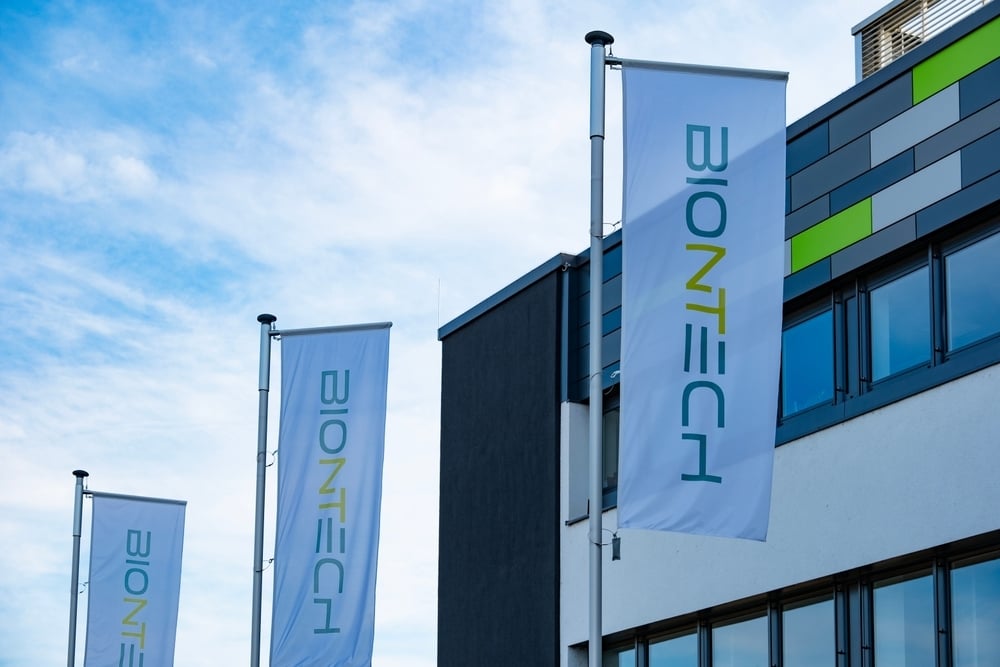
BioNTech's Strategic Shift and Clinical Progress

- Executive Transition: Co-founders Ugur Sahin and Özlem Türeci plan to lead a new venture by the end of 2026, prompting BioNTech's Supervisory Board to initiate a search for successors, which may impact the company's strategic direction and market confidence.
- Clinical Trial Progress: BioNTech expects to have 15 ongoing Phase 3 clinical trials by the end of 2026, covering major cancer types, with the resulting data informing regulatory and launch plans, potentially enhancing the company's competitiveness in oncology.
- Stock Performance: BioNTech's shares have decreased by 3.03% over the past 12 months, currently trading at $87.60, which is 18% below its 100-day simple moving average, reflecting a bearish market sentiment that could affect investor confidence.
- Market Momentum Analysis: With a Benzinga Edge score of 19.82 indicating weak momentum, BioNTech's stock is underperforming the broader market, although the strategic pivot may present future growth opportunities, current market sentiment remains negative.
See More

BioNTech Announces Earnings, But That's Not the Reason for the 17% Drop in Stock Price.

- Quarterly Loss: BioNTech reported a significant quarterly loss, indicating challenges in its operations.
- Leadership Changes: The company announced the departure of its co-founders, marking a significant shift in its leadership structure.
See More

Bristol Myers Squibb Reports Positive Phase 3 Trial Results
- Successful Clinical Trial: Bristol Myers Squibb's SUCCESSOR-2 study shows that oral mezigdomide combined with carfilzomib and dexamethasone significantly improves progression-free survival (PFS) in patients with relapsed or refractory multiple myeloma, indicating the combination therapy's clinical significance.
- Safety Consistency: The safety findings align with the known profile of mezigdomide, suggesting good safety in combination therapy, with patients continuing to be monitored for survival and safety to ensure long-term efficacy.
- Study Design Features: The SUCCESSOR-2 study is a multicenter, randomized, open-label Phase 2/3 trial primarily assessing the efficacy and safety of mezigdomide, with PFS as the primary endpoint, providing crucial evidence for future clinical applications.
- Key Secondary Endpoints: The study also focuses on several key secondary endpoints, including overall survival (OS) and overall response rate (ORR), which will further evaluate the comprehensive efficacy of the treatment regimen and its impact on patient quality of life, holding significant clinical value.
See More
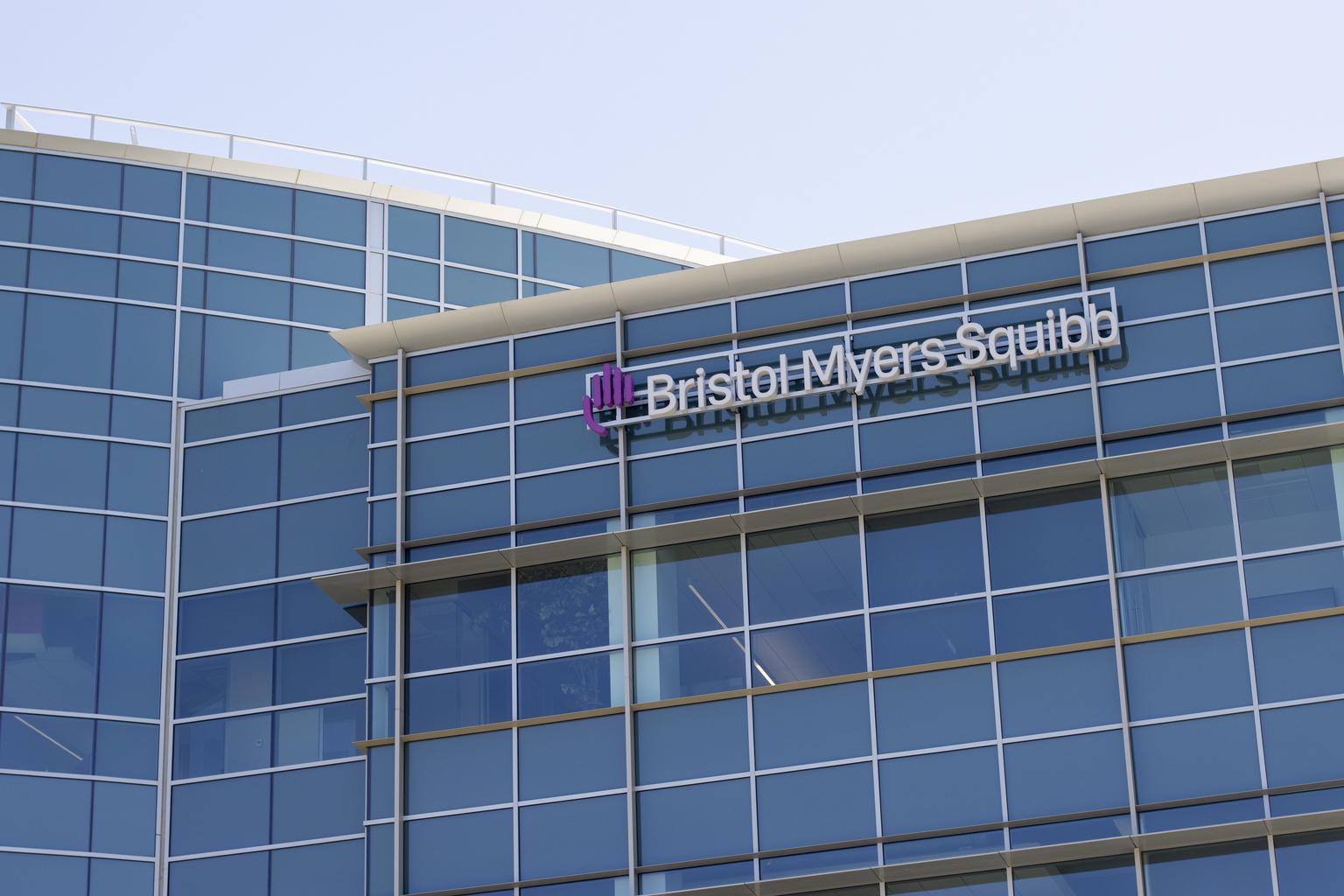
Bristol Myers Squibb's Cancer Drug Meets Key Trial Goals
- Clinical Trial Success: Bristol Myers Squibb's experimental cancer drug mezigdomide achieved its primary goal in a late-stage study for relapsed or refractory multiple myeloma, demonstrating statistically significant and clinically meaningful improvement in progression-free survival compared to carfilzomib and dexamethasone alone.
- Combination Therapy Advantage: The combination of mezigdomide with carfilzomib and dexamethasone in the SUCCESSOR-2 trial shows potential in treating rare blood cancers, indicating a new treatment option for patients.
- Safety Consistency: The safety findings were consistent with the known profile of mezigdomide, suggesting its acceptability in clinical use and enhancing confidence in its market introduction.
- Strategic Implications: This successful Phase 3 trial marks the first positive outcome for mezigdomide and the second positive Phase 3 study for Bristol Myers Squibb's CELMoD program, further solidifying the company's core strength in oncology.
See More
Analysis of High-Yield Stocks in Pharma Sector
- Pfizer's Dividend Yield: Pfizer's forward-looking dividend yield has risen to 6.5%, despite its annual revenue declining from over $60 billion in 2022, indicating investor optimism about its upcoming blockbuster drugs, which may attract income-seeking investors.
- Dentsply Sirona's Growth Potential: While Dentsply Sirona's dividend yield is slightly below 5%, its dividend payments have more than doubled over the past decade, showcasing strong dividend growth potential that long-term investors should consider.
- Bristol Myers Squibb's Stability: Bristol Myers Squibb has raised its dividend for 17 consecutive years, and despite its stock price being volatile over the past decade, its profitability remains robust, particularly due to ongoing cash flows from blockbuster drugs like Eliquis and Opdivo.
- Investor Choices: Although Pfizer did not make the Motley Fool's list of top stocks, its undervalued stock price and high dividend yield may present an attractive buying opportunity for investors seeking income in the healthcare sector.
See More
Top High-Yield Healthcare Stocks to Consider
- Pfizer's Current Status: Pfizer (PFE) has seen its annual revenue decline from over $100 billion in 2022 to below $60 billion due to reduced demand for its Comirnaty vaccine and Paxlovid treatment, resulting in its stock price dropping to less than half of its late-2021 peak, currently priced at $26.80 with a market cap of $152 billion and a dividend yield of 6.42%.
- Dentsply Sirona's Growth Potential: Dentsply Sirona (XRAY) offers a dividend yield slightly above 5%, and while it may not increase its annual payout every year, its dividend payments have more than doubled over the past decade, indicating stability and long-term growth potential in the dental supplies market, with a current stock price of $60.59.
- Bristol Myers Squibb's Profitability: Bristol Myers Squibb (BMY) has not seen net growth in its stock price over the past decade, yet it remains profitable with blockbuster drugs like Eliquis and Opdivo, providing steady cash flow, and its dividend yield stands at 4.11%, having been raised for 17 consecutive years, showcasing financial stability.
- Investment Opportunity Analysis: Despite short-term challenges faced by Pfizer and Bristol Myers Squibb, their high dividend yields and potential for new drug developments make these stocks attractive within the healthcare sector, especially during market downturns, allowing investors to capitalize on these undervalued stocks for long-term gains.
See More
BioNTech's Strategic Shift and Clinical Progress
- Executive Transition: Co-founders Ugur Sahin and Özlem Türeci plan to lead a new venture by the end of 2026, prompting BioNTech's Supervisory Board to initiate a search for successors, which may impact the company's strategic direction and market confidence.
- Clinical Trial Progress: BioNTech expects to have 15 ongoing Phase 3 clinical trials by the end of 2026, covering major cancer types, with the resulting data informing regulatory and launch plans, potentially enhancing the company's competitiveness in oncology.
- Stock Performance: BioNTech's shares have decreased by 3.03% over the past 12 months, currently trading at $87.60, which is 18% below its 100-day simple moving average, reflecting a bearish market sentiment that could affect investor confidence.
- Market Momentum Analysis: With a Benzinga Edge score of 19.82 indicating weak momentum, BioNTech's stock is underperforming the broader market, although the strategic pivot may present future growth opportunities, current market sentiment remains negative.
See More
BioNTech Announces Earnings, But That's Not the Reason for the 17% Drop in Stock Price.
- Quarterly Loss: BioNTech reported a significant quarterly loss, indicating challenges in its operations.
- Leadership Changes: The company announced the departure of its co-founders, marking a significant shift in its leadership structure.
See More
Bristol Myers Squibb Reports Positive Phase 3 Trial Results
- Successful Clinical Trial: Bristol Myers Squibb's SUCCESSOR-2 study shows that oral mezigdomide combined with carfilzomib and dexamethasone significantly improves progression-free survival (PFS) in patients with relapsed or refractory multiple myeloma, indicating the combination therapy's clinical significance.
- Safety Consistency: The safety findings align with the known profile of mezigdomide, suggesting good safety in combination therapy, with patients continuing to be monitored for survival and safety to ensure long-term efficacy.
- Study Design Features: The SUCCESSOR-2 study is a multicenter, randomized, open-label Phase 2/3 trial primarily assessing the efficacy and safety of mezigdomide, with PFS as the primary endpoint, providing crucial evidence for future clinical applications.
- Key Secondary Endpoints: The study also focuses on several key secondary endpoints, including overall survival (OS) and overall response rate (ORR), which will further evaluate the comprehensive efficacy of the treatment regimen and its impact on patient quality of life, holding significant clinical value.
See More
Bristol Myers Squibb's Cancer Drug Meets Key Trial Goals
- Clinical Trial Success: Bristol Myers Squibb's experimental cancer drug mezigdomide achieved its primary goal in a late-stage study for relapsed or refractory multiple myeloma, demonstrating statistically significant and clinically meaningful improvement in progression-free survival compared to carfilzomib and dexamethasone alone.
- Combination Therapy Advantage: The combination of mezigdomide with carfilzomib and dexamethasone in the SUCCESSOR-2 trial shows potential in treating rare blood cancers, indicating a new treatment option for patients.
- Safety Consistency: The safety findings were consistent with the known profile of mezigdomide, suggesting its acceptability in clinical use and enhancing confidence in its market introduction.
- Strategic Implications: This successful Phase 3 trial marks the first positive outcome for mezigdomide and the second positive Phase 3 study for Bristol Myers Squibb's CELMoD program, further solidifying the company's core strength in oncology.
See More