S&P 500 Rises Amidst Concerns, with Nvidia Emerging as a Significant Issue


Market Performance: The S&P 500 is facing challenges at the beginning of September, a historically poor month for stocks, but is finding support in the 6,340 to 6,360 range, potentially paving the way for new all-time highs.
Indicators and Signals: Despite a generally positive SPX chart, there are mixed signals from internal indicators, including a McMillan volatility band sell signal that remains active, which would be negated by a close above the +4σ modified Bollinger band at 6,600.
Trade with 70% Backtested Accuracy
Analyst Views on LUV

About LUV
About the author

U.S.-Iran Negotiations Progress and Meta Verdict


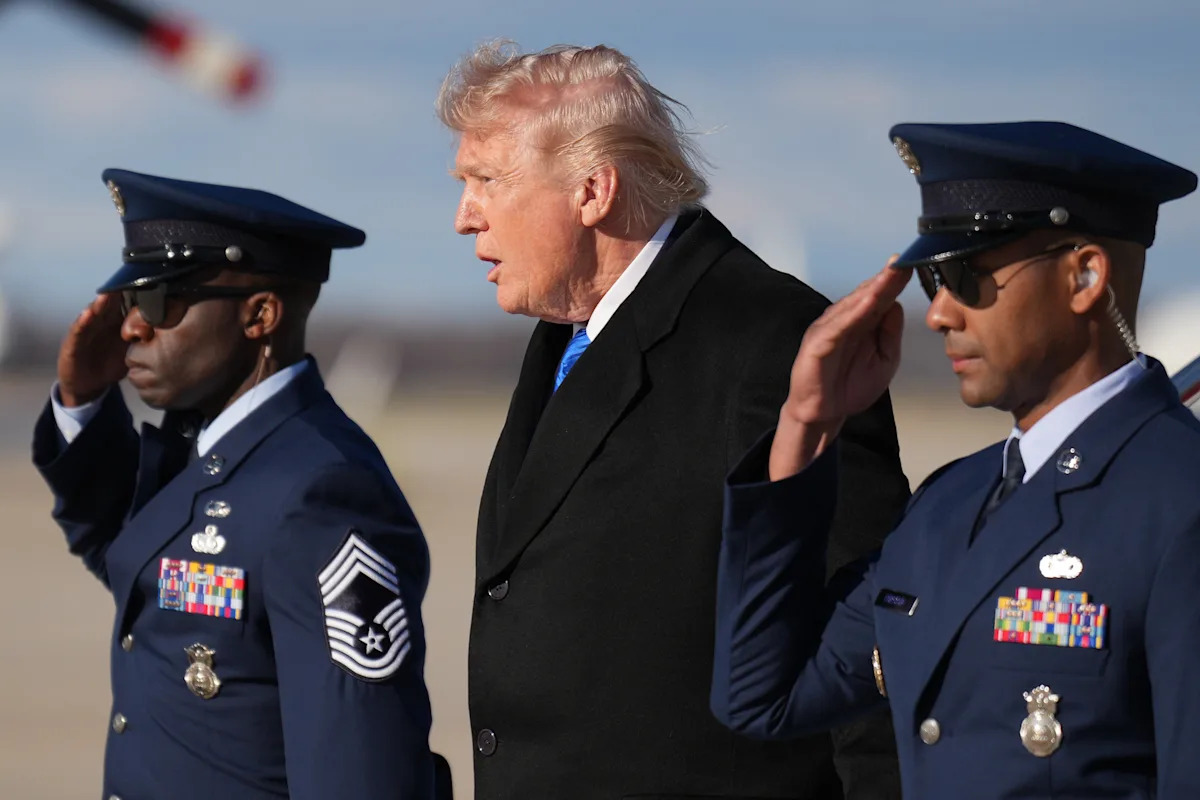
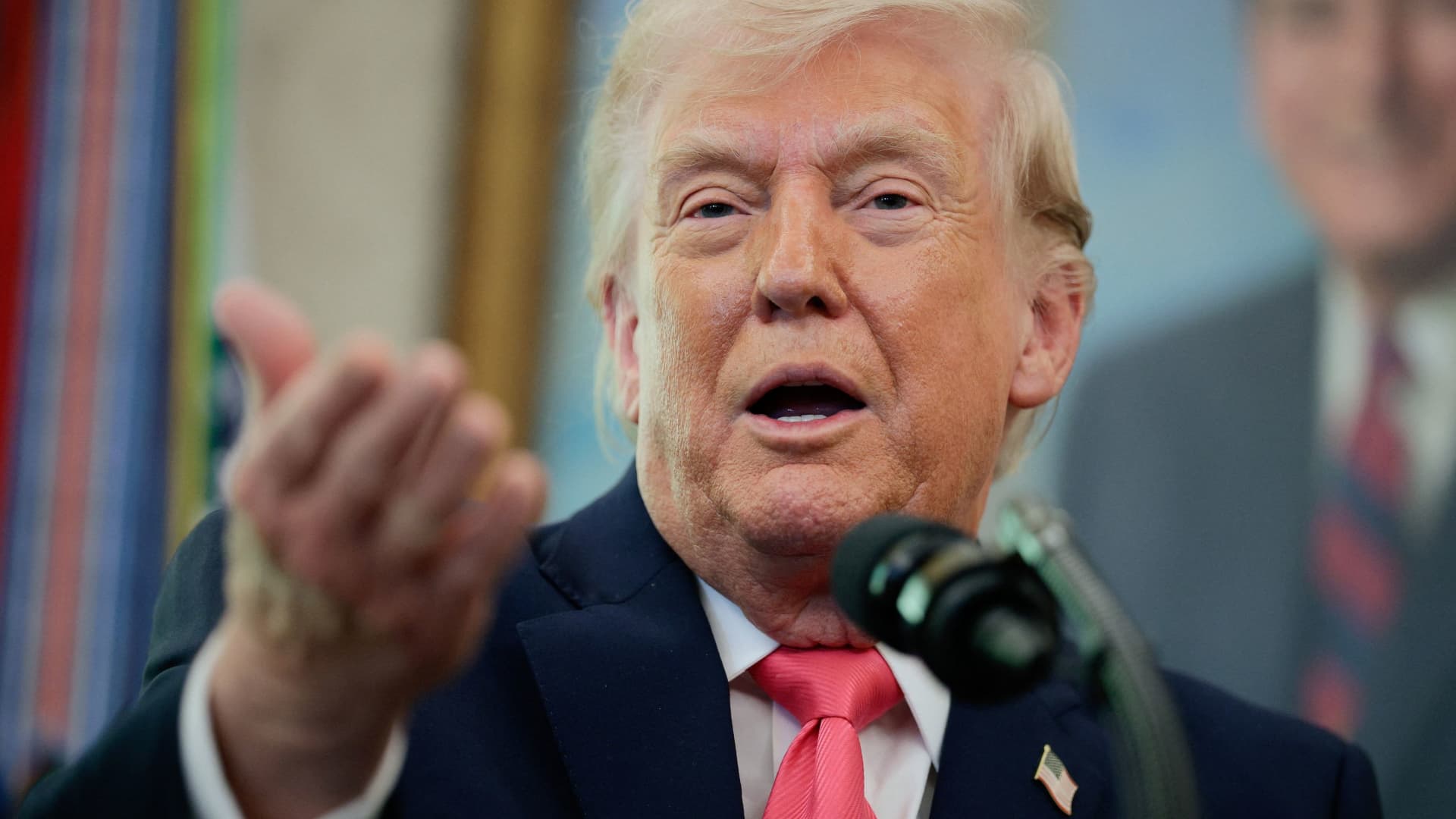
- U.S.-Iran Negotiations: President Trump announced that the U.S. and Iran are currently in negotiations, having sent a 15-point peace plan to Tehran, which has lifted investor sentiment and pushed U.S. stock futures higher despite ongoing war-related uncertainties.
- Meta Verdict Impact: A New Mexico jury found Meta liable for $375 million in damages for failing to protect children from online predators, a ruling that could pressure Meta's financials, with the company stating it will appeal the decision.
- OpenAI Strategic Shift: OpenAI is shutting down its short-form video app Sora, which achieved one million downloads within five days of launch, reflecting the company's cost-cutting measures as it prepares for a potential IPO, while the CFO revealed plans to raise $10 billion in new funding.
- Government Shutdown Agreement Near: Senate Republicans and the White House are close to a deal to end the partial government shutdown, which could stabilize market sentiment, particularly regarding funding for the Department of Homeland Security, although Democrats have yet to express approval.
Southwest Airlines' Decision to Abandon Fuel Hedging Program Becomes Expensive Amid Rising Oil Prices

Fuel Hedging Program: Southwest Airlines has recently discontinued its fuel hedging program, which is a strategy used to protect against rising fuel costs.
Timing Concerns: The decision to abandon this program is viewed as poorly timed, especially given the current volatility in fuel prices.
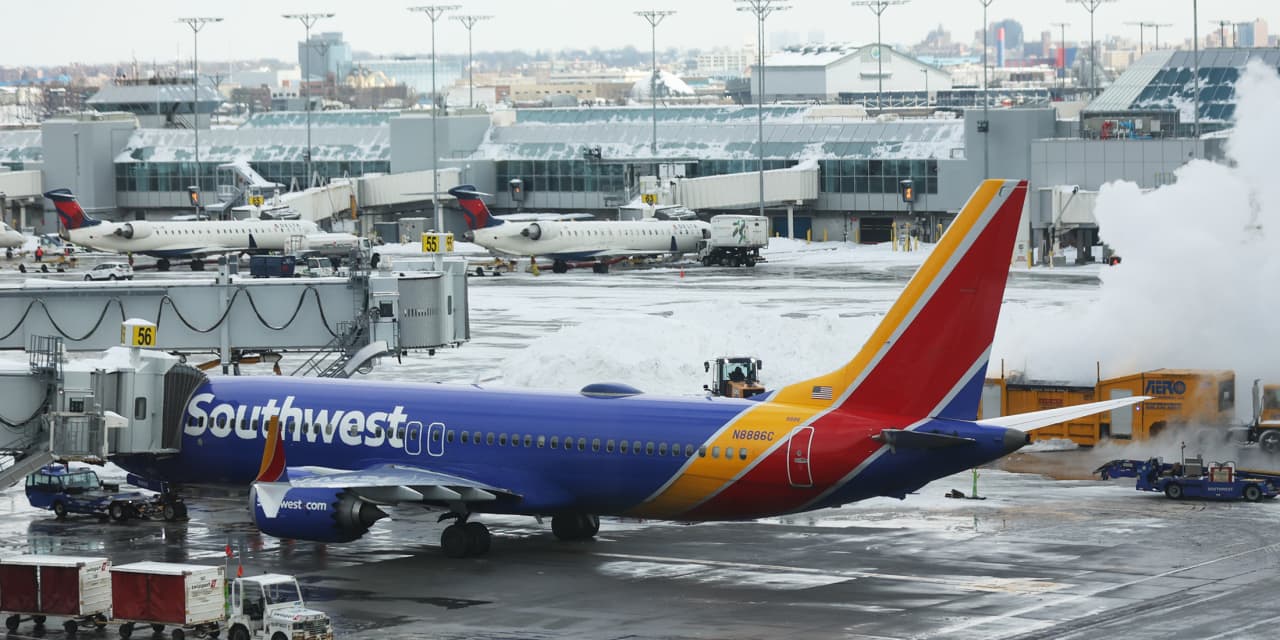
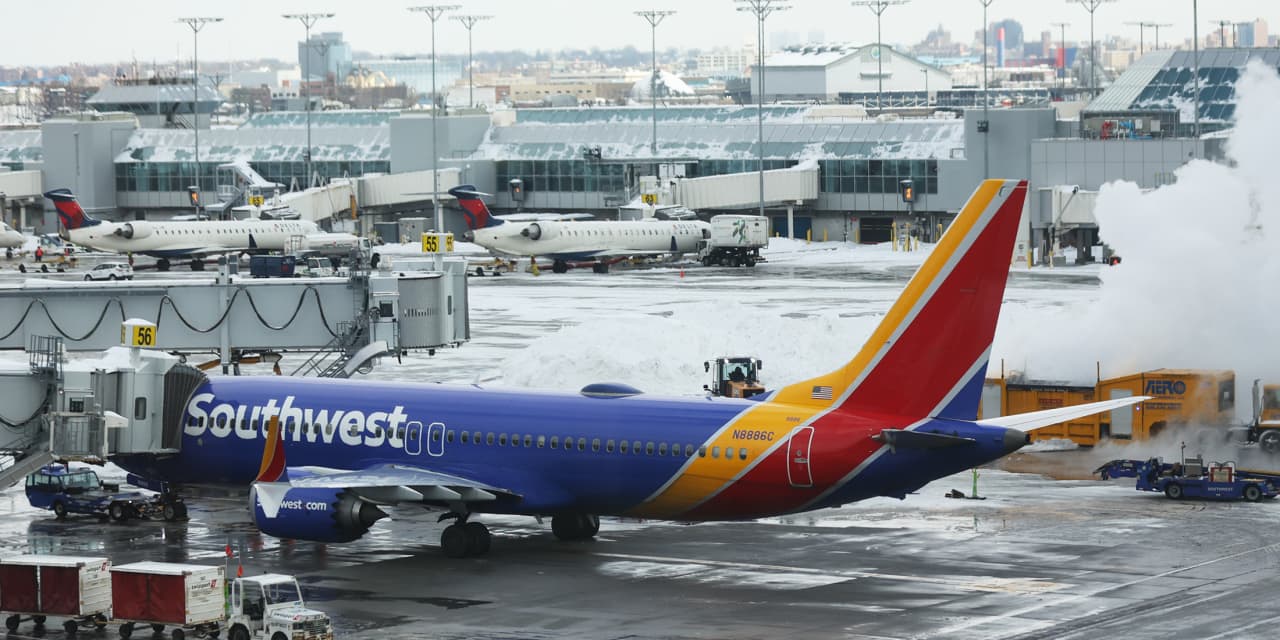
Southwest Airlines' Decision to Abandon Fuel Hedging Program Is Becoming Expensive Amid Rising Oil Prices
Fuel Hedging Program: Southwest Airlines has recently discontinued its fuel hedging program, which is a strategy used to protect against rising fuel costs.
Timing Concerns: The decision to abandon this program is viewed as poorly timed, especially given the current volatility in fuel prices.
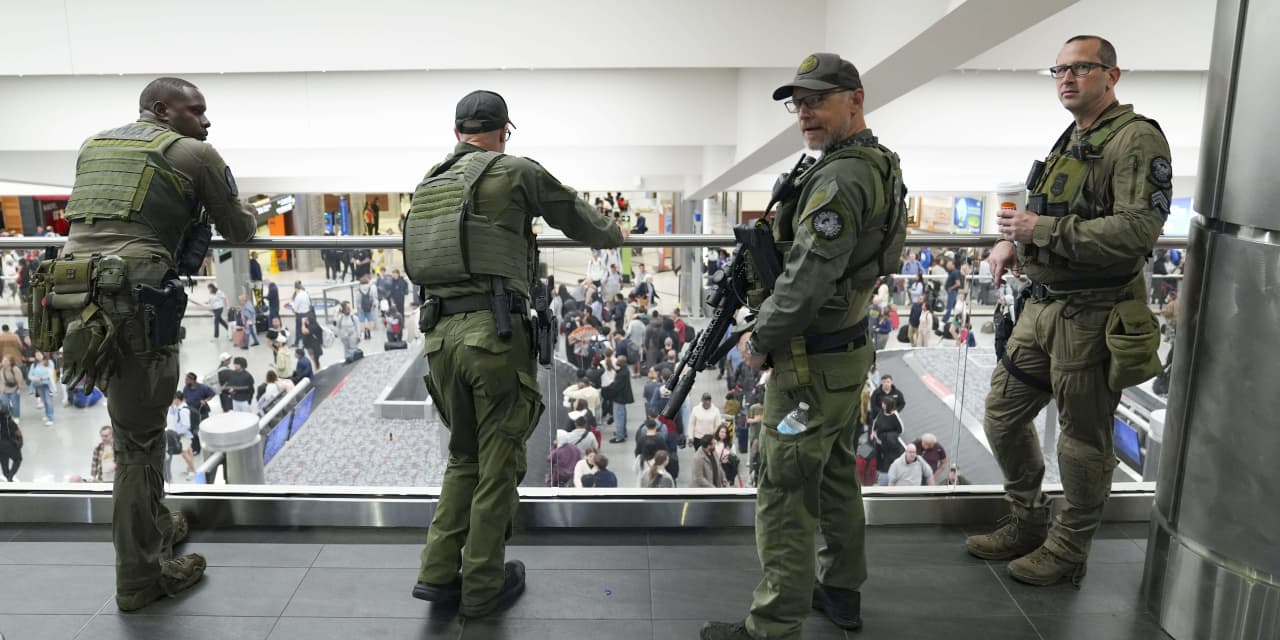
Shutdown Agreement Approaches: Hope for Air Travelers and TSA Employees Ahead.

Government Shutdown Impact: The Transportation Security Administration (TSA) agents have been affected by a 38-day partial government shutdown, resulting in them not receiving paychecks.
Potential Resolution: Republican Senators have indicated they will propose a deal to Democrats that could potentially end the government shutdown and restore pay to TSA agents.
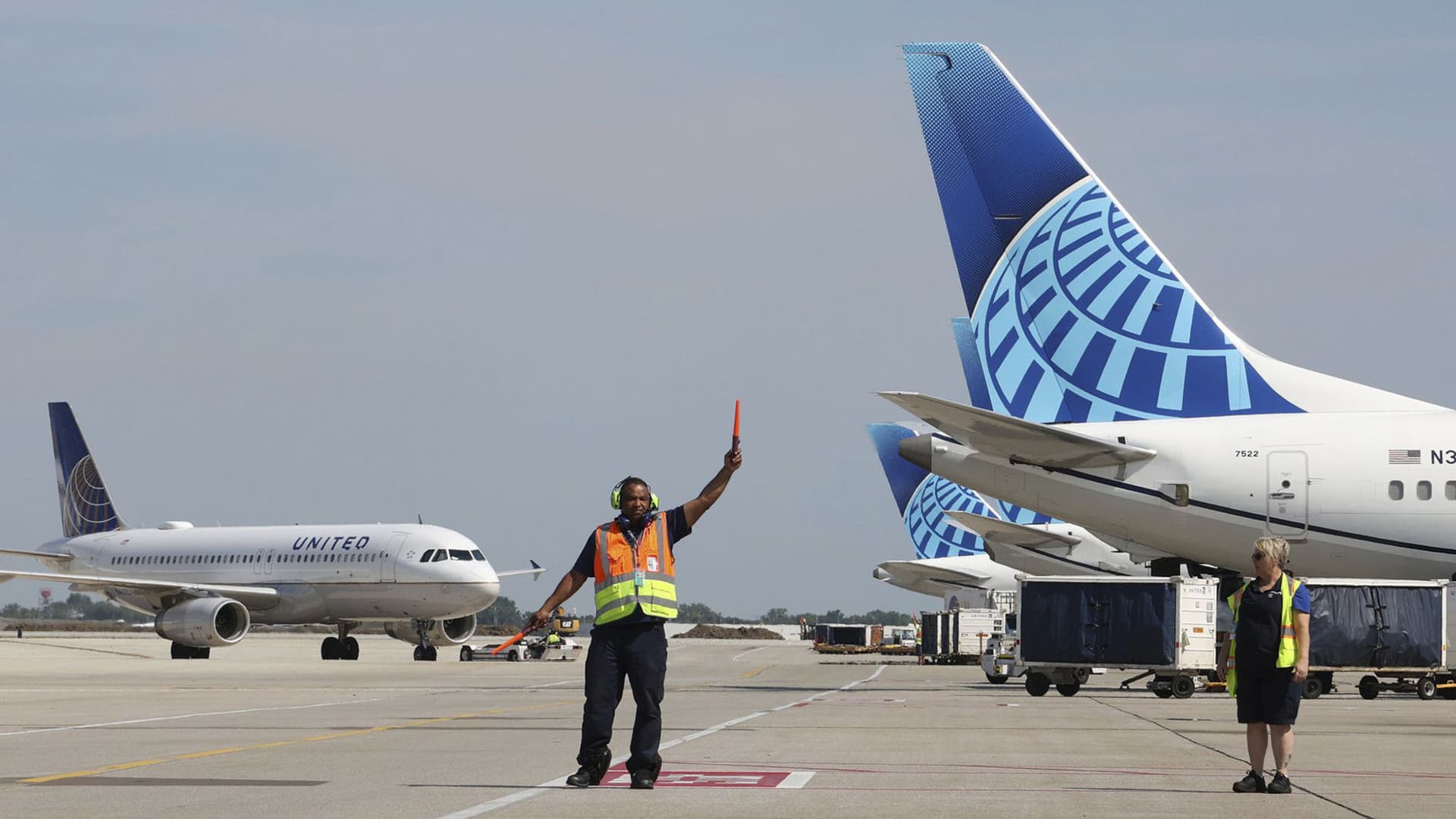
United Airlines Invests in Denver Facility
- New Cabin Design: United Airlines has unveiled a new cabin design that reduces standard coach seating while increasing premium seating options, which is expected to enhance overall profit margins, particularly given the strong demand in the premium market.
- Fare Discrepancy: For instance, a flight from Newark to San Francisco has a fare of $423 in standard coach, while the top-tier Polaris class costs $5,556, highlighting the profit potential of premium seating.
- New Aircraft Introduction: United plans to introduce the A321neo 'Coastliner' with 20 Polaris seats, set to debut this summer, further strengthening its competitive position in the premium market.
- Market Trend: Airlines are increasingly dedicating more space to premium seating, and United's strategy aligns with this industry trend, aiming to meet the growing demand for high-end travel and drive revenue growth.
United Airlines Enhances Premium Seating Configuration
- Premium Seat Expansion: United Airlines is introducing more premium seating options on its regional jets and a new subfleet of Airbus planes featuring lie-flat Polaris seats, aiming to attract high-end customers and enhance overall profitability through superior travel experiences.
- Significant Fare Disparity: For instance, a flight from Newark to San Francisco is priced at $423 in economy class while the top-tier Polaris class costs $5,556, illustrating the strong demand in the premium market that drives revenue growth for the airline.
- New Aircraft Introduction: United plans to roll out a subfleet of Airbus A321neo jets dubbed 'Coastliner' with 20 Polaris seats, expecting to have 40 of these aircraft by 2028, which enhances its competitiveness on transcontinental flights while improving customer comfort and satisfaction.
- Market Trend Response: In response to the growing demand for premium seating, United is adjusting its cabin configurations by reducing the number of standard economy seats to make way for more premium options, demonstrating the company's strategic focus on the high-end market and future revenue growth.
U.S.-Iran Negotiations Progress and Meta Verdict
- U.S.-Iran Negotiations: President Trump announced that the U.S. and Iran are currently in negotiations, having sent a 15-point peace plan to Tehran, which has lifted investor sentiment and pushed U.S. stock futures higher despite ongoing war-related uncertainties.
- Meta Verdict Impact: A New Mexico jury found Meta liable for $375 million in damages for failing to protect children from online predators, a ruling that could pressure Meta's financials, with the company stating it will appeal the decision.
- OpenAI Strategic Shift: OpenAI is shutting down its short-form video app Sora, which achieved one million downloads within five days of launch, reflecting the company's cost-cutting measures as it prepares for a potential IPO, while the CFO revealed plans to raise $10 billion in new funding.
- Government Shutdown Agreement Near: Senate Republicans and the White House are close to a deal to end the partial government shutdown, which could stabilize market sentiment, particularly regarding funding for the Department of Homeland Security, although Democrats have yet to express approval.
Southwest Airlines' Decision to Abandon Fuel Hedging Program Becomes Expensive Amid Rising Oil Prices
Fuel Hedging Program: Southwest Airlines has recently discontinued its fuel hedging program, which is a strategy used to protect against rising fuel costs.
Timing Concerns: The decision to abandon this program is viewed as poorly timed, especially given the current volatility in fuel prices.
Southwest Airlines' Decision to Abandon Fuel Hedging Program Is Becoming Expensive Amid Rising Oil Prices
Fuel Hedging Program: Southwest Airlines has recently discontinued its fuel hedging program, which is a strategy used to protect against rising fuel costs.
Timing Concerns: The decision to abandon this program is viewed as poorly timed, especially given the current volatility in fuel prices.
Shutdown Agreement Approaches: Hope for Air Travelers and TSA Employees Ahead.
Government Shutdown Impact: The Transportation Security Administration (TSA) agents have been affected by a 38-day partial government shutdown, resulting in them not receiving paychecks.
Potential Resolution: Republican Senators have indicated they will propose a deal to Democrats that could potentially end the government shutdown and restore pay to TSA agents.
United Airlines Invests in Denver Facility
- New Cabin Design: United Airlines has unveiled a new cabin design that reduces standard coach seating while increasing premium seating options, which is expected to enhance overall profit margins, particularly given the strong demand in the premium market.
- Fare Discrepancy: For instance, a flight from Newark to San Francisco has a fare of $423 in standard coach, while the top-tier Polaris class costs $5,556, highlighting the profit potential of premium seating.
- New Aircraft Introduction: United plans to introduce the A321neo 'Coastliner' with 20 Polaris seats, set to debut this summer, further strengthening its competitive position in the premium market.
- Market Trend: Airlines are increasingly dedicating more space to premium seating, and United's strategy aligns with this industry trend, aiming to meet the growing demand for high-end travel and drive revenue growth.
United Airlines Enhances Premium Seating Configuration
- Premium Seat Expansion: United Airlines is introducing more premium seating options on its regional jets and a new subfleet of Airbus planes featuring lie-flat Polaris seats, aiming to attract high-end customers and enhance overall profitability through superior travel experiences.
- Significant Fare Disparity: For instance, a flight from Newark to San Francisco is priced at $423 in economy class while the top-tier Polaris class costs $5,556, illustrating the strong demand in the premium market that drives revenue growth for the airline.
- New Aircraft Introduction: United plans to roll out a subfleet of Airbus A321neo jets dubbed 'Coastliner' with 20 Polaris seats, expecting to have 40 of these aircraft by 2028, which enhances its competitiveness on transcontinental flights while improving customer comfort and satisfaction.
- Market Trend Response: In response to the growing demand for premium seating, United is adjusting its cabin configurations by reducing the number of standard economy seats to make way for more premium options, demonstrating the company's strategic focus on the high-end market and future revenue growth.