S&P 500 Faces Key Support Level Test
Written by Emily J. Thompson, Senior Investment Analyst
Updated: Jun 26 2026
0mins

Source: Yahoo Finance
- Market Turbulence: The S&P 500 is poised to breach a key support level on Friday, indicating fragile market sentiment that could lead to a decline in investor confidence and negatively impact overall market performance.
- Nasdaq Weakness: The Nasdaq is testing recent lows, reflecting ongoing weakness in technology stocks, which may raise concerns among investors regarding future growth in the tech sector, potentially affecting the performance of related stocks.
- Micron Price Correction: Micron Technology is giving back some of Thursday's gains, suggesting uncertainty in the semiconductor industry's outlook, which could undermine investor confidence in the company's long-term prospects.
- Investor Strategy Adjustment: Amid increasing market volatility, investors may need to reassess their portfolios and consider risk management strategies to mitigate potential downside risks in the market.
Trade with 70% Backtested Accuracy
Stop guessing "Should I Buy AAPL?" and start using high-conviction signals backed by rigorous historical data.
Sign up today to access powerful investing tools and make smarter, data-driven decisions.
Analyst Views on AAPL
Wall Street analysts forecast AAPL stock price to rise
27 Analyst Rating
17 Buy
9 Hold
1 Sell
Moderate Buy
Current: 294.380

Low
239.00
Averages
306.89
High
350.00
Current: 294.380
Low
239.00
Averages
306.89
High
350.00
About AAPL
Apple Inc. designs, manufactures and markets smartphones, personal computers, tablets, wearables and accessories, and sells a variety of related services. Its product categories include iPhone, Mac, iPad, Wearables, Home and Accessories. Its services include advertising, AppleCare, cloud services, digital content, and payment services. The Company operates various platforms, including the App Store, that allow customers to discover and download applications and digital content, such as books, music, video, games and podcasts. It also offers digital content through subscription-based services, including Apple Arcade, Apple Fitness+, Apple Music, Apple News+, and Apple TV+. Its wearables include smartwatches, wireless headphones, and spatial computers. Its products include iPhone 16 Pro, iPhone 16, iPhone 15, iPhone 14, iPhone SE, MacBook Air, MacBook Pro, iMac, Mac mini, Mac Studio, Mac Pro, iPad Pro, iPad Air, AirPods, AirPods Pro, AirPods Max, Apple TV, Apple Vision Pro and others.
About the author

Emily J. Thompson
Emily J. Thompson, a Chartered Financial Analyst (CFA) with 12 years in investment research, graduated with honors from the Wharton School. Specializing in industrial and technology stocks, she provides in-depth analysis for Intellectia’s earnings and market brief reports.
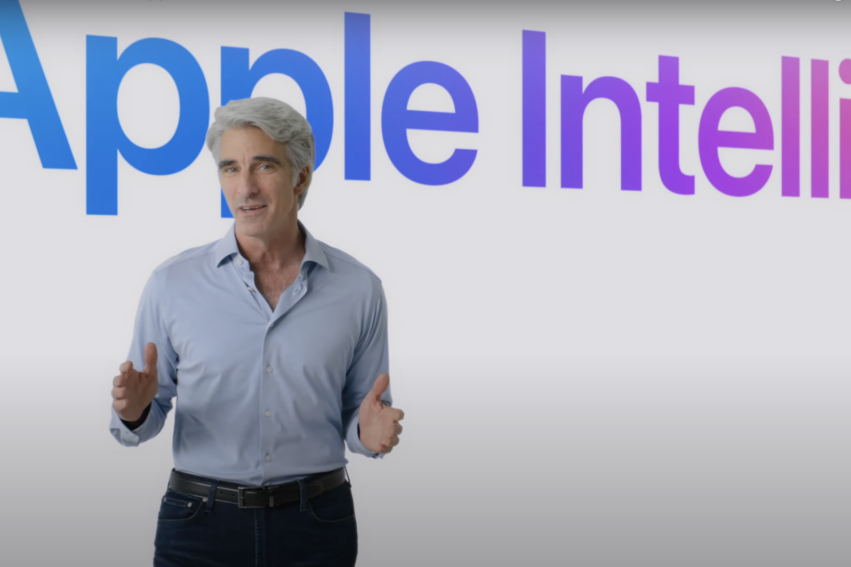
Apple's Price Increases Spark Controversy Amid Strong Earnings

- Sustained Sales Growth: Apple has seen its stock price rise over 1,100% over the past decade, driven by a solid customer base and innovative products, reflecting its strong market performance and profitability.
- Record Services Revenue: With 2.5 billion active devices, Apple's services revenue continues to reach new highs, indicating a successful transformation in user services that enhances its long-term profitability.
- Price Increases Raise Concerns: In response to rising memory and storage costs, Apple has raised prices on several products, such as the MacBook Neo from $599 to $699, leading to a 6% drop in stock price and raising market concerns about customer demand.
- Strong Brand Loyalty: Despite the price hikes, Apple maintains a customer retention rate of over 90%, demonstrating the brand's strong appeal, and it is expected that this will not significantly impact sales, making it a solid long-term investment.
See More

Key Energy Company Driving AI Industry Growth

- Nuclear Power Agreement: Constellation Energy signed a 20-year power purchase agreement with Microsoft to restart operations at Three Mile Island in 2024, addressing the significant power demands of data centers and enhancing its market position in AI computing.
- Project Expansion: Recently, Constellation secured a 380-megawatt agreement with Calpine to supply power to CyrusOne's data center in Texas, which not only boosts its service capacity but also solidifies its critical role in the rapidly growing AI industry.
- Demand-Driven Market: With the surge in AI computing needs, Constellation Energy's nuclear assets can provide immediate power, making its stock an attractive option for AI-focused investors and reflecting the company's strategic value in the energy supply chain.
- Competitive Advantage: Unlike advanced nuclear reactor companies that require regulatory approval, Constellation Energy's existing nuclear assets allow for rapid market response, positioning the company favorably in the AI sector and enhancing its long-term growth potential.
See More

SpaceX Reaches $2.25 Trillion Valuation Amid Promising Yet Risky Prospects


- Valuation vs. Revenue Gap: SpaceX's market cap ranges between $2.25 trillion and $2.5 trillion, yet its total revenue for 2026 is only $18.7 billion, significantly lower than other trillion-dollar companies, indicating potential overvaluation risks for its stock.
- Revenue Source Breakdown: The company's revenue primarily comes from $4 billion in launch services, $11.4 billion from Starlink satellite internet, and $3.2 billion in AI services; while these segments show growth potential, the overall revenue remains insufficient.
- Competitive Market Pressures: In the satellite internet and AI services sectors, SpaceX faces fierce competition from rivals like Amazon and Rocket Lab, and despite currently holding a dominant position, its future market share could be jeopardized.
- Profitability Challenges: With a gross margin just above 50% and a projected $2.5 billion operating loss in 2025, SpaceX stands as the highest-valued unprofitable company in history, trading at a price-to-sales ratio exceeding 100, reflecting uncertainty about its future profitability.
See More
SpaceX Reaches $2.25 Trillion Market Cap Amidst Growing Competition
- Market Cap vs. Revenue Gap: SpaceX's current market cap stands at $2.25 trillion, making it the seventh-largest company globally, yet its total revenue for 2026 is only $18.7 billion, significantly lower than other trillion-dollar companies, indicating potential overvaluation risks for its stock.
- Revenue Source Breakdown: The company's revenue is primarily derived from launch services ($4 billion), Starlink satellite internet ($11.4 billion), and AI services ($3.2 billion); while these segments show growth potential, the current revenue levels fall short of market expectations.
- Intensifying Market Competition: In the satellite internet and AI services sectors, SpaceX faces fierce competition from companies like Amazon and Rocket Lab, which are investing billions to establish their own satellite internet constellations, potentially impacting SpaceX's market share and revenue growth.
- Financial Health and Valuation: Despite completing the largest IPO in history and having $9 billion in cash, SpaceX's gross margin is just above 50% with a $2.5 billion operating loss, and its price-to-sales ratio exceeds 100, reflecting extreme valuation and uncertainty regarding future profitability.
See More

AI Boom Shows Signs of Exhaustion; Investors Should Shift to Quality Stocks

- Market Weakness Signs: The 'Magnificent Seven' stocks that have driven major indices higher are all down over the past three years, with all but Apple (AAPL) in correction territory, indicating potential risks that investors should be wary of.
- Defensive Investment Strategy: Given the underperformance of growth stocks, investors may need to seek more defensive and undervalued options, with quality stocks becoming a focal point due to their healthy balance sheets and strong cash flows.
- ETF Investment Advantages: Picking individual winners is notoriously challenging, so investors are advised to consider buying exchange-traded funds (ETFs) like the Invesco S&P 500 Quality ETF (SPHQ), which currently allocates 42% to tech, reflecting the sector's earnings and revenue growth potential.
- Diversification and Durability: This ETF is roughly 80% weighted to large caps and 20% to mid- and small caps, a profile that not only complements ETFs tracking the S&P 500 but also provides protection during market downturns, helping investors navigate future market challenges.
See More

AI Boom May Be Exhausting; Investors Should Be Cautious
- Market Weakness: The 'Magnificent Seven' stocks that have driven major indices higher over the past three years are all down, with all but Apple (AAPL) in correction territory, indicating signs of market exhaustion that investors need to reassess.
- Defensive Investment Strategy: Given the uncertain economic environment, investors may seek more defensive and undervalued quality stocks to mitigate potential market downturn risks, ensuring stability and cash flow for their portfolios.
- ETF Investment Advantage: The Invesco S&P 500 Quality ETF (SPHQ) is recommended, currently allocating 42% to tech stocks while also covering 15%-20% in industrials and financials, providing a diversified portfolio to reduce concentration risk.
- Historical Return Comparison: Although the Invesco S&P 500 Quality ETF was not highlighted as a top investment by The Motley Fool, its historical performance shows a remarkable 918% return compared to the S&P 500's 208%, suggesting investors should focus on long-term potential.
See More
Apple's Price Increases Spark Controversy Amid Strong Earnings
- Sustained Sales Growth: Apple has seen its stock price rise over 1,100% over the past decade, driven by a solid customer base and innovative products, reflecting its strong market performance and profitability.
- Record Services Revenue: With 2.5 billion active devices, Apple's services revenue continues to reach new highs, indicating a successful transformation in user services that enhances its long-term profitability.
- Price Increases Raise Concerns: In response to rising memory and storage costs, Apple has raised prices on several products, such as the MacBook Neo from $599 to $699, leading to a 6% drop in stock price and raising market concerns about customer demand.
- Strong Brand Loyalty: Despite the price hikes, Apple maintains a customer retention rate of over 90%, demonstrating the brand's strong appeal, and it is expected that this will not significantly impact sales, making it a solid long-term investment.
See More
Key Energy Company Driving AI Industry Growth
- Nuclear Power Agreement: Constellation Energy signed a 20-year power purchase agreement with Microsoft to restart operations at Three Mile Island in 2024, addressing the significant power demands of data centers and enhancing its market position in AI computing.
- Project Expansion: Recently, Constellation secured a 380-megawatt agreement with Calpine to supply power to CyrusOne's data center in Texas, which not only boosts its service capacity but also solidifies its critical role in the rapidly growing AI industry.
- Demand-Driven Market: With the surge in AI computing needs, Constellation Energy's nuclear assets can provide immediate power, making its stock an attractive option for AI-focused investors and reflecting the company's strategic value in the energy supply chain.
- Competitive Advantage: Unlike advanced nuclear reactor companies that require regulatory approval, Constellation Energy's existing nuclear assets allow for rapid market response, positioning the company favorably in the AI sector and enhancing its long-term growth potential.
See More
SpaceX Reaches $2.25 Trillion Valuation Amid Promising Yet Risky Prospects
- Valuation vs. Revenue Gap: SpaceX's market cap ranges between $2.25 trillion and $2.5 trillion, yet its total revenue for 2026 is only $18.7 billion, significantly lower than other trillion-dollar companies, indicating potential overvaluation risks for its stock.
- Revenue Source Breakdown: The company's revenue primarily comes from $4 billion in launch services, $11.4 billion from Starlink satellite internet, and $3.2 billion in AI services; while these segments show growth potential, the overall revenue remains insufficient.
- Competitive Market Pressures: In the satellite internet and AI services sectors, SpaceX faces fierce competition from rivals like Amazon and Rocket Lab, and despite currently holding a dominant position, its future market share could be jeopardized.
- Profitability Challenges: With a gross margin just above 50% and a projected $2.5 billion operating loss in 2025, SpaceX stands as the highest-valued unprofitable company in history, trading at a price-to-sales ratio exceeding 100, reflecting uncertainty about its future profitability.
See More
SpaceX Reaches $2.25 Trillion Market Cap Amidst Growing Competition
- Market Cap vs. Revenue Gap: SpaceX's current market cap stands at $2.25 trillion, making it the seventh-largest company globally, yet its total revenue for 2026 is only $18.7 billion, significantly lower than other trillion-dollar companies, indicating potential overvaluation risks for its stock.
- Revenue Source Breakdown: The company's revenue is primarily derived from launch services ($4 billion), Starlink satellite internet ($11.4 billion), and AI services ($3.2 billion); while these segments show growth potential, the current revenue levels fall short of market expectations.
- Intensifying Market Competition: In the satellite internet and AI services sectors, SpaceX faces fierce competition from companies like Amazon and Rocket Lab, which are investing billions to establish their own satellite internet constellations, potentially impacting SpaceX's market share and revenue growth.
- Financial Health and Valuation: Despite completing the largest IPO in history and having $9 billion in cash, SpaceX's gross margin is just above 50% with a $2.5 billion operating loss, and its price-to-sales ratio exceeds 100, reflecting extreme valuation and uncertainty regarding future profitability.
See More
AI Boom Shows Signs of Exhaustion; Investors Should Shift to Quality Stocks
- Market Weakness Signs: The 'Magnificent Seven' stocks that have driven major indices higher are all down over the past three years, with all but Apple (AAPL) in correction territory, indicating potential risks that investors should be wary of.
- Defensive Investment Strategy: Given the underperformance of growth stocks, investors may need to seek more defensive and undervalued options, with quality stocks becoming a focal point due to their healthy balance sheets and strong cash flows.
- ETF Investment Advantages: Picking individual winners is notoriously challenging, so investors are advised to consider buying exchange-traded funds (ETFs) like the Invesco S&P 500 Quality ETF (SPHQ), which currently allocates 42% to tech, reflecting the sector's earnings and revenue growth potential.
- Diversification and Durability: This ETF is roughly 80% weighted to large caps and 20% to mid- and small caps, a profile that not only complements ETFs tracking the S&P 500 but also provides protection during market downturns, helping investors navigate future market challenges.
See More
AI Boom May Be Exhausting; Investors Should Be Cautious
- Market Weakness: The 'Magnificent Seven' stocks that have driven major indices higher over the past three years are all down, with all but Apple (AAPL) in correction territory, indicating signs of market exhaustion that investors need to reassess.
- Defensive Investment Strategy: Given the uncertain economic environment, investors may seek more defensive and undervalued quality stocks to mitigate potential market downturn risks, ensuring stability and cash flow for their portfolios.
- ETF Investment Advantage: The Invesco S&P 500 Quality ETF (SPHQ) is recommended, currently allocating 42% to tech stocks while also covering 15%-20% in industrials and financials, providing a diversified portfolio to reduce concentration risk.
- Historical Return Comparison: Although the Invesco S&P 500 Quality ETF was not highlighted as a top investment by The Motley Fool, its historical performance shows a remarkable 918% return compared to the S&P 500's 208%, suggesting investors should focus on long-term potential.
See More