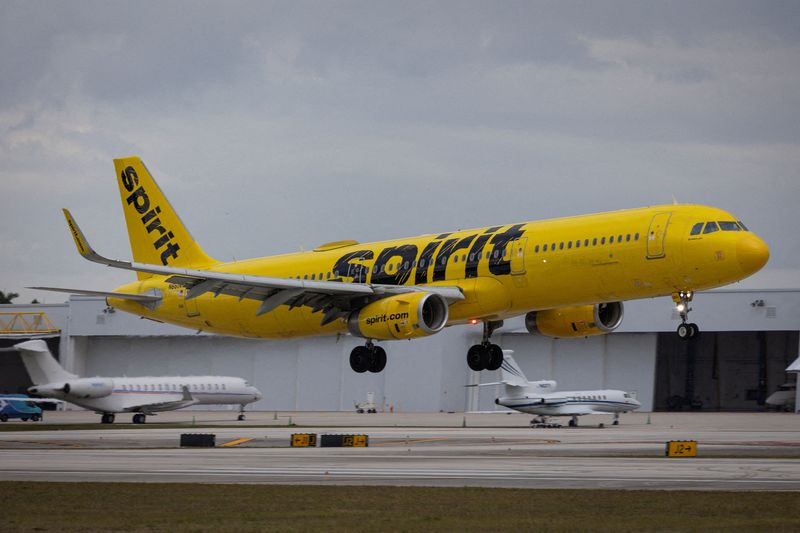
Southwest Airlines Offers Support for Affected Travelers
Written by Emily J. Thompson, Senior Investment Analyst
Updated: 2 days ago
0mins
Should l Buy LUV?
Source: Newsfilter
- Fare Discounts: Southwest Airlines is offering special fares for travelers affected by Spirit Airlines' cessation of operations, available at ticket counters for eligible routes, with prices set at $200 for 1-500 miles, $300 for 501-1,000 miles, and $400 for over 1,000 miles, enhancing customer travel options and strengthening market competitiveness.
- International Flight Discounts: In addition to domestic fares, Southwest will also provide discounted rates for international flights, further broadening the options for affected travelers and aiming to attract more customers while enhancing brand image.
- Membership Benefits: Spirit customers holding Silver or Gold Status can enjoy A-List benefits through a status match program, which enhances customer loyalty and satisfaction, reflecting Southwest's commitment to its clientele.
- Company Mission: Southwest Airlines is dedicated to serving communities worldwide by providing friendly, reliable, and low-cost air travel, having carried over 134 million passengers in 2025, showcasing its leadership in the airline market and commitment to customer service.
Trade with 70% Backtested Accuracy
Stop guessing "Should I Buy LUV?" and start using high-conviction signals backed by rigorous historical data.
Sign up today to access powerful investing tools and make smarter, data-driven decisions.
Analyst Views on LUV
Wall Street analysts forecast LUV stock price to rise
14 Analyst Rating
4 Buy
9 Hold
1 Sell
Hold
Current: 38.760

Low
34.00
Averages
44.21
High
60.00
Current: 38.760
Low
34.00
Averages
44.21
High
60.00
About LUV
Southwest Airlines Co. (Southwest) operates Southwest Airlines, a passenger airline that provides scheduled air transportation in the United States and near-international markets. The Company's fare products include four categories: Wanna Get Away, Wanna Get Away Plus, Anytime, and Business Select to provide customers options when choosing a fare. It also offers ancillary services, such as EarlyBird Check-In, Upgraded Boarding, and transportation of pets and unaccompanied minors, in accordance with Southwest’s respective policies. Its Rapid Rewards loyalty program enables program members to earn points for every dollar spent on Southwest base fares, also including purchases paid with LUV Vouchers, gift cards, or flight credit, with no portion of the purchase price paid with Rapid Rewards points. It operates over 803 Boeing 737 aircraft in its fleet and serves 117 destinations in 42 states, the District of Columbia, the Commonwealth of Puerto Rico, and ten near-international countries.
About the author

Emily J. Thompson
Emily J. Thompson, a Chartered Financial Analyst (CFA) with 12 years in investment research, graduated with honors from the Wharton School. Specializing in industrial and technology stocks, she provides in-depth analysis for Intellectia’s earnings and market brief reports.
Airline Sector Faces Major Challenges and Restructuring

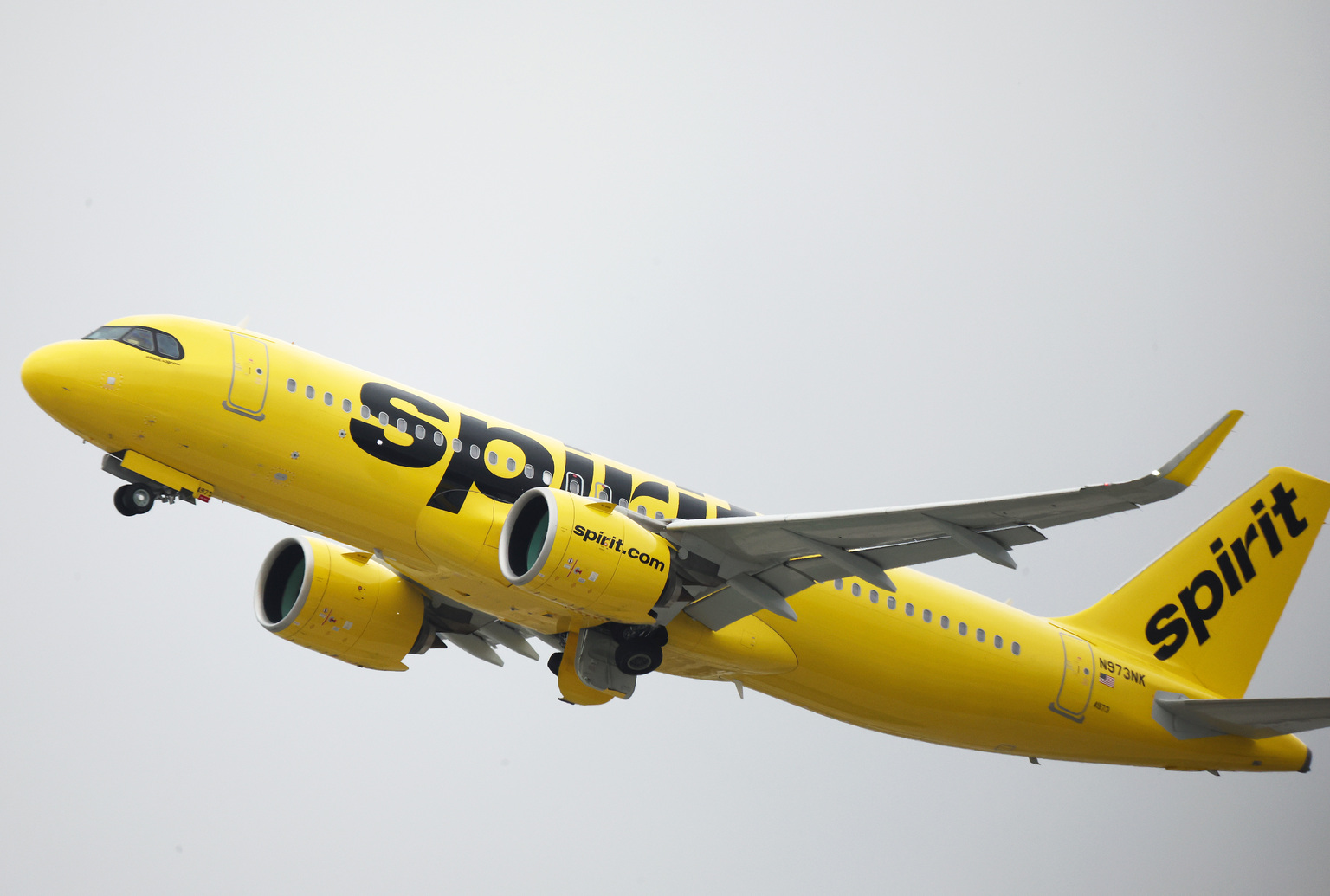
- Spirit Airlines Shutdown: Spirit Airlines officially ceased operations at 3:00 a.m. ET on May 2 after failing to secure federal bailout or creditor support, resulting in a significant drop in its stock price and highlighting the fragility of the airline sector.
- Industry Rating Reevaluation: Following Spirit's closure, the Quant rating framework reassesses the airline industry, revealing that most airlines hold 'Hold' ratings, with only Southwest Airlines and LATAM Airlines receiving 'Buy' ratings, indicating market confidence in their fundamentals.
- Fuel Price Impact: The soaring jet fuel prices linked to the conflict in Iran place additional operational pressures on budget carriers, forcing industry leaders to reevaluate their financial health and potentially leading to further contraction strategies.
- Uncertain Market Outlook: Despite strong performances from Southwest and LATAM Airlines, the overall airline market remains uncertain, as the 'Hold' ratings for major players like Delta Air Lines and American Airlines reflect investor concerns regarding future profitability.
See More
Spirit Airlines Ceases Operations, Ending 30-Year Run

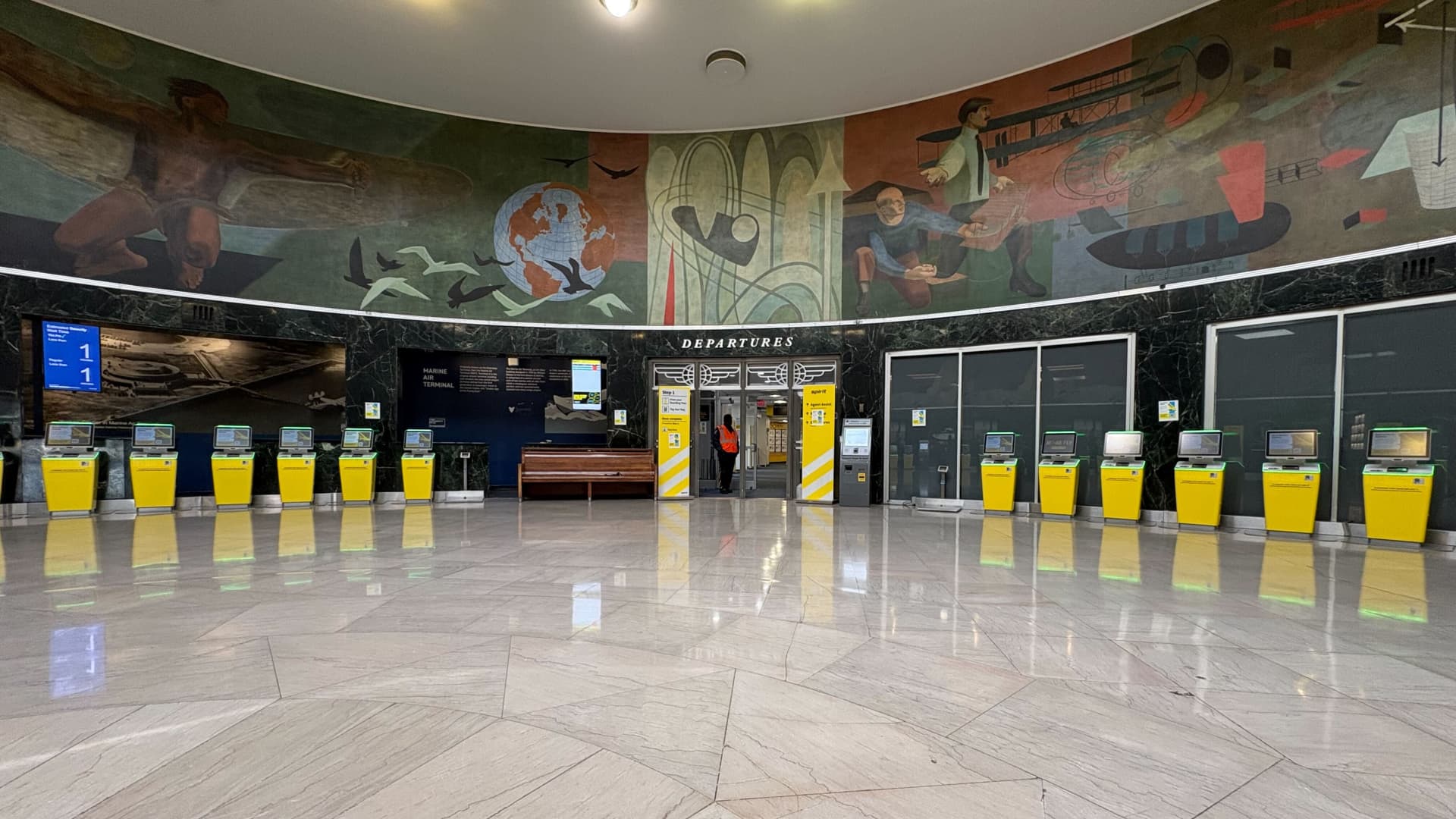
- Shutdown Announcement: Spirit Airlines announced its cessation of operations on May 2, ending a 34-year run of low-cost air travel, resulting in over 17,000 job losses, highlighting the dual pressures of intensified competition and rising costs in the airline industry.
- Final Flights: On its last operational day, Spirit transported over 50,000 passengers despite facing a cash flow crisis and an unfulfilled $500 million bailout proposal, demonstrating the urgency of its operations and strong customer demand.
- Market Share and Competition: With approximately 4% market share in the U.S., Spirit struggled to remain profitable due to fierce competition from larger rivals like Delta and American Airlines, alongside its own cost structure issues, reflecting the survival challenges faced by low-cost carriers.
- Industry Impact: The collapse of Spirit Airlines not only affected its customers and employees but also prompted other airlines like United and JetBlue to adjust fares to assist stranded passengers, illustrating the interdependence and dynamics within the airline industry.
See More
Spirit Airlines Ceases Operations, 17,000 Employees Laid Off
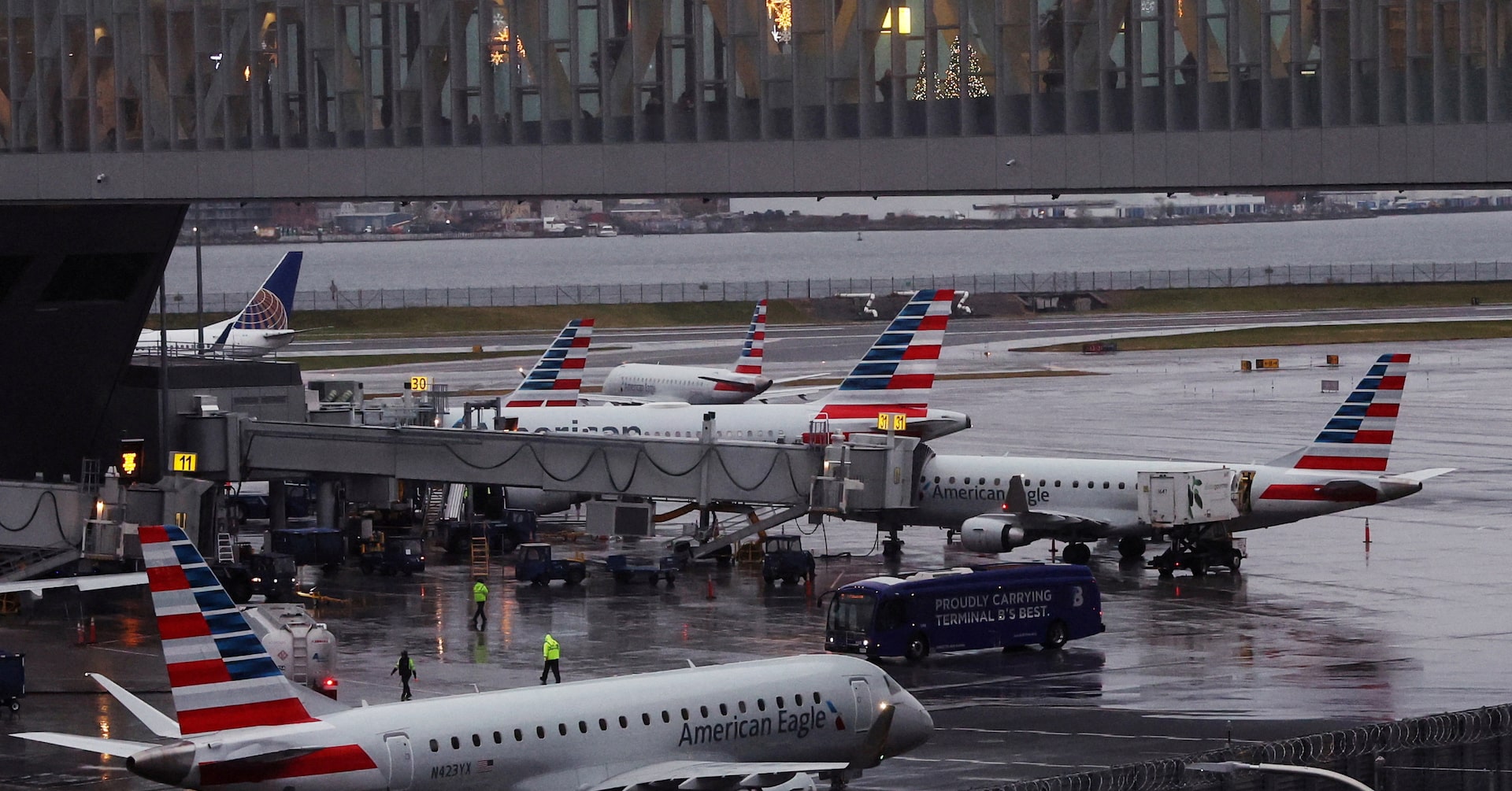
- Operational Shutdown: Spirit Airlines officially ceased operations at 3 a.m. Saturday, marking the end of its three-decade service providing discount air travel across the U.S. and parts of the Caribbean and Latin America, resulting in over 17,000 employees losing their jobs and significantly impacting their families and communities.
- Failed Government Bailout: After last-minute negotiations with the Trump administration fell through, Spirit failed to secure a bailout of up to $500 million, leading bondholders to reject the proposal and exacerbating the airline's financial crisis.
- Market Share and Competitive Pressure: Despite holding approximately 4% of the U.S. market share, Spirit faced intense competition from larger rivals like Delta, United, and American Airlines, compounded by its own low-fare strategy and rising costs, resulting in continuous losses over the past few years.
- Employee Support Requests: The airline's employee union has urged the federal government to provide a $600 weekly unemployment supplement to assist laid-off pilots and flight attendants, emphasizing that standard unemployment coverage does not replace full wages and that enhanced support is crucial for stabilizing households.
See More
Spirit Airlines Shutdown Leaves Travelers Stranded and Options Limited

- Airline Shutdown: Spirit Airlines abruptly ceased operations on Saturday due to financial pressures, stranding thousands of passengers and staff across the U.S., Caribbean, and Latin America, significantly impacting low-income and working-class travelers who relied on its low-cost options.
- Rising Fuel Costs: The airline's inability to cope with sharply rising fuel prices, exacerbated by the Iran war, ultimately led to its closure, which is expected to increase travel costs for American consumers amidst a broader inflationary environment.
- Market Response: Following Spirit's shutdown, other airlines such as Frontier, JetBlue, and Southwest quickly introduced discounted fares and new route plans to fill the gap, demonstrating the industry's responsiveness to the demand for affordable travel options.
- Traveler Sentiment: Many former Spirit passengers expressed their disappointment on social media, highlighting that the price difference with other carriers could exceed $1,000, indicating that numerous families may now find vacations financially out of reach.
See More

Spirit Airlines Bankruptcy Marks First Casualty of Iran War

- First Industry Casualty: Spirit Airlines declared bankruptcy on Saturday due to a doubling of jet fuel prices linked to the Iran war, marking the first airline casualty from the conflict and resulting in an estimated loss of 15,000 jobs, significantly impacting the industry.
- Failed Government Rescue: Despite a proposed $500 million bailout from the Trump administration, Spirit could not secure necessary funding as creditors rejected the deal, highlighting the limitations of government intervention in the airline sector.
- Declining Market Share: Spirit accounted for 5% of U.S. flights in 2022, but its market share has dropped from 5.1% to 3.9% as consumer preferences shifted post-pandemic, indicating challenges for ultra-low-cost carriers in adapting to market demands.
- Competitors to Benefit: The collapse of Spirit is expected to benefit rivals like JetBlue and Frontier Airlines, which are also grappling with rising fuel costs, as they aim to capture Spirit's customers and employees to expand their market share.
See More

DUFFY: UNITED, DELTA, JETBLUE, AND SOUTHWEST LIMIT TICKET PRICES FOR SPIRIT CUSTOMERS REBOOKING CANCELLED FLIGHTS
Airlines Capping Ticket Prices: Major airlines including United, Delta, JetBlue, and Southwest are implementing caps on ticket prices specifically for customers who need to rebook canceled flights.
Focus on Spirit Customers: The price capping initiative is particularly aimed at customers of Spirit Airlines who are looking to rebook their canceled flights.
See More
Airline Sector Faces Major Challenges and Restructuring
- Spirit Airlines Shutdown: Spirit Airlines officially ceased operations at 3:00 a.m. ET on May 2 after failing to secure federal bailout or creditor support, resulting in a significant drop in its stock price and highlighting the fragility of the airline sector.
- Industry Rating Reevaluation: Following Spirit's closure, the Quant rating framework reassesses the airline industry, revealing that most airlines hold 'Hold' ratings, with only Southwest Airlines and LATAM Airlines receiving 'Buy' ratings, indicating market confidence in their fundamentals.
- Fuel Price Impact: The soaring jet fuel prices linked to the conflict in Iran place additional operational pressures on budget carriers, forcing industry leaders to reevaluate their financial health and potentially leading to further contraction strategies.
- Uncertain Market Outlook: Despite strong performances from Southwest and LATAM Airlines, the overall airline market remains uncertain, as the 'Hold' ratings for major players like Delta Air Lines and American Airlines reflect investor concerns regarding future profitability.
See More
Spirit Airlines Ceases Operations, Ending 30-Year Run
- Shutdown Announcement: Spirit Airlines announced its cessation of operations on May 2, ending a 34-year run of low-cost air travel, resulting in over 17,000 job losses, highlighting the dual pressures of intensified competition and rising costs in the airline industry.
- Final Flights: On its last operational day, Spirit transported over 50,000 passengers despite facing a cash flow crisis and an unfulfilled $500 million bailout proposal, demonstrating the urgency of its operations and strong customer demand.
- Market Share and Competition: With approximately 4% market share in the U.S., Spirit struggled to remain profitable due to fierce competition from larger rivals like Delta and American Airlines, alongside its own cost structure issues, reflecting the survival challenges faced by low-cost carriers.
- Industry Impact: The collapse of Spirit Airlines not only affected its customers and employees but also prompted other airlines like United and JetBlue to adjust fares to assist stranded passengers, illustrating the interdependence and dynamics within the airline industry.
See More
Spirit Airlines Ceases Operations, 17,000 Employees Laid Off
- Operational Shutdown: Spirit Airlines officially ceased operations at 3 a.m. Saturday, marking the end of its three-decade service providing discount air travel across the U.S. and parts of the Caribbean and Latin America, resulting in over 17,000 employees losing their jobs and significantly impacting their families and communities.
- Failed Government Bailout: After last-minute negotiations with the Trump administration fell through, Spirit failed to secure a bailout of up to $500 million, leading bondholders to reject the proposal and exacerbating the airline's financial crisis.
- Market Share and Competitive Pressure: Despite holding approximately 4% of the U.S. market share, Spirit faced intense competition from larger rivals like Delta, United, and American Airlines, compounded by its own low-fare strategy and rising costs, resulting in continuous losses over the past few years.
- Employee Support Requests: The airline's employee union has urged the federal government to provide a $600 weekly unemployment supplement to assist laid-off pilots and flight attendants, emphasizing that standard unemployment coverage does not replace full wages and that enhanced support is crucial for stabilizing households.
See More
Spirit Airlines Shutdown Leaves Travelers Stranded and Options Limited
- Airline Shutdown: Spirit Airlines abruptly ceased operations on Saturday due to financial pressures, stranding thousands of passengers and staff across the U.S., Caribbean, and Latin America, significantly impacting low-income and working-class travelers who relied on its low-cost options.
- Rising Fuel Costs: The airline's inability to cope with sharply rising fuel prices, exacerbated by the Iran war, ultimately led to its closure, which is expected to increase travel costs for American consumers amidst a broader inflationary environment.
- Market Response: Following Spirit's shutdown, other airlines such as Frontier, JetBlue, and Southwest quickly introduced discounted fares and new route plans to fill the gap, demonstrating the industry's responsiveness to the demand for affordable travel options.
- Traveler Sentiment: Many former Spirit passengers expressed their disappointment on social media, highlighting that the price difference with other carriers could exceed $1,000, indicating that numerous families may now find vacations financially out of reach.
See More
Spirit Airlines Bankruptcy Marks First Casualty of Iran War
- First Industry Casualty: Spirit Airlines declared bankruptcy on Saturday due to a doubling of jet fuel prices linked to the Iran war, marking the first airline casualty from the conflict and resulting in an estimated loss of 15,000 jobs, significantly impacting the industry.
- Failed Government Rescue: Despite a proposed $500 million bailout from the Trump administration, Spirit could not secure necessary funding as creditors rejected the deal, highlighting the limitations of government intervention in the airline sector.
- Declining Market Share: Spirit accounted for 5% of U.S. flights in 2022, but its market share has dropped from 5.1% to 3.9% as consumer preferences shifted post-pandemic, indicating challenges for ultra-low-cost carriers in adapting to market demands.
- Competitors to Benefit: The collapse of Spirit is expected to benefit rivals like JetBlue and Frontier Airlines, which are also grappling with rising fuel costs, as they aim to capture Spirit's customers and employees to expand their market share.
See More
DUFFY: UNITED, DELTA, JETBLUE, AND SOUTHWEST LIMIT TICKET PRICES FOR SPIRIT CUSTOMERS REBOOKING CANCELLED FLIGHTS
Airlines Capping Ticket Prices: Major airlines including United, Delta, JetBlue, and Southwest are implementing caps on ticket prices specifically for customers who need to rebook canceled flights.
Focus on Spirit Customers: The price capping initiative is particularly aimed at customers of Spirit Airlines who are looking to rebook their canceled flights.
See More