South Korean Markets Plunge Amid Political Turmoil As President Yoon's Martial Law U-Turn Sparks Uncertainty: Samsung, SK Hynix, And Hyundai Stocks Tumble
Market Reaction to Political Unrest: South Korean markets experienced significant declines, with the Kospi index falling 1.15% and the Kosdaq 100 dropping 2.64%, following President Yoon Suk Yeol's brief imposition of martial law amid parliamentary opposition.
Impact on Major Stocks and Currency: Major technology and industrial stocks, including Samsung Electronics and Hyundai Motor, saw losses, while the South Korean won weakened against the U.S. dollar, reflecting the political turbulence's effect on the economy and global supply chains.
Trade with 70% Backtested Accuracy
Analyst Views on EWY
About the author


KOSPI Index Reaches 6,600 as SK Hynix Soars 5%, Roundhill Memory ETF DRAM Gains 2%, and iShares MSCI South Korea ETF EWY Increases 1% in After-Hours Trading


KOSPI Performance: Korea's Composite Index (KOSPI) has hit 6,600 points, indicating a positive trend in the market.
SK Hynix Growth: Shares of Korean memory giant SK Hynix have jumped by 5%, reflecting strong investor confidence.
DRAM ETF Increase: The Roundhill Memory ETF (DRAM.US) has seen a 2% increase, suggesting a favorable outlook for the memory sector.
MSCI South Korea ETF Rise: The iShares MSCI South Korea ETF (EWY.US) has risen by 1% in overnight trading, indicating a broader interest in South Korean equities.
SK Hynix Gains 4% on Tuesday, Marking Two Consecutive Days of Increases; Roundhill Memory ETF Up 0.4%, iShares MSCI South Korea ETF Rises 1% in After-Hours Trading.

SK Hynix Production Announcement: SK Hynix has commenced mass production of 192 GB SOICAMM2 memory chips, designed for next-generation NVIDIA AI servers, offering double bandwidth capabilities.
Market Reaction: Following the announcement, SK Hynix's stock rose by 4%, while the Roundhill Memory ETF (DRAM.US) increased by 0.4%, and the iShares MSCI South Korea ETF (EWY.US) climbed by 1% in overnight trading.
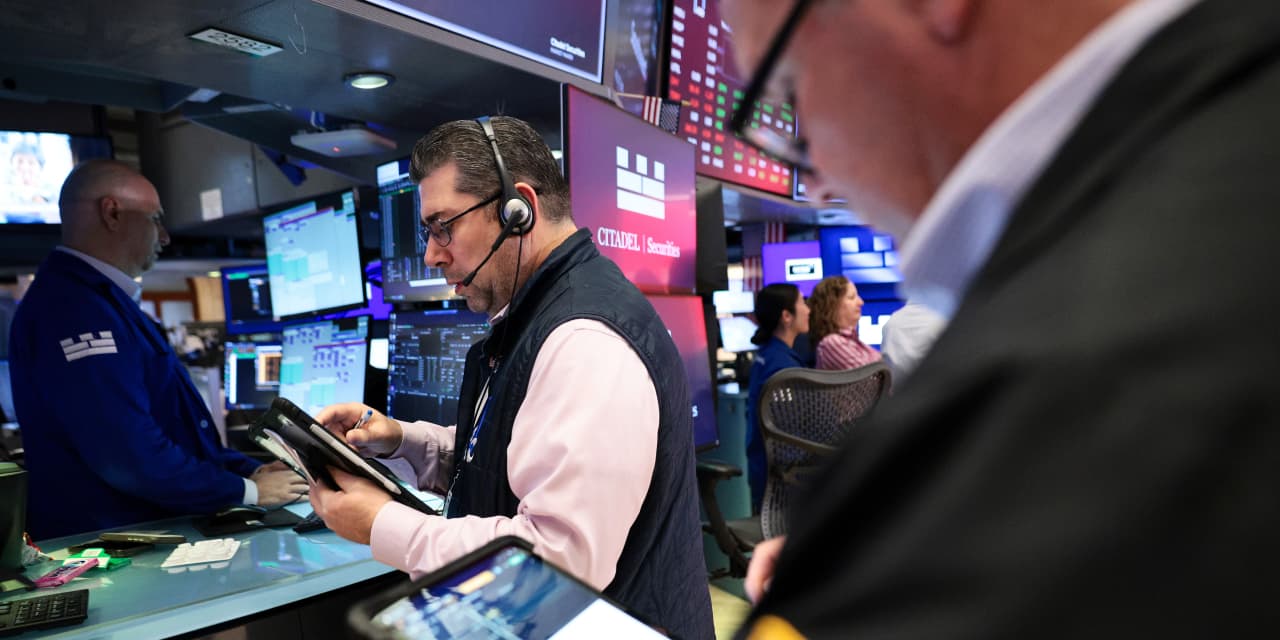
Assessing the Stability of the Iran Cease-Fire and Investment Options if It Fails

U.S. Stock Market Reaction: U.S. stocks experienced a surge following the announcement of a two-week cease-fire agreement between the U.S. and Iran.
Geopolitical Concerns: Analysts are closely monitoring developments in the Middle East and Washington, D.C., as there are concerns that the cease-fire may be unstable and could collapse.

Japan's Nikkei Index Surges 4.5% Past 56,000; Korea's KOSPI Index Increases 5% to 5,800, Boosting Related ETFs with EWJ Up 3% and EWY Up 7%; DRAM Stocks, Heavily Influenced by Samsung and SK Hynix, Soar 10%.


Japan's Nikkei Performance: Japan's Nikkei share average has risen by 4.5%, surpassing 56,000 points.
KOSPI Index Growth: The Korean KOSPI index has increased by 5%, reaching 5,800 points.
ETFs Surge: Related ETFs have seen significant gains, with EWJ rising by 3% and EWY climbing by 7%.
DRAM Stocks Rise: DRAM stocks, heavily weighted in Samsung and SK Hynix, have soared by 10%.
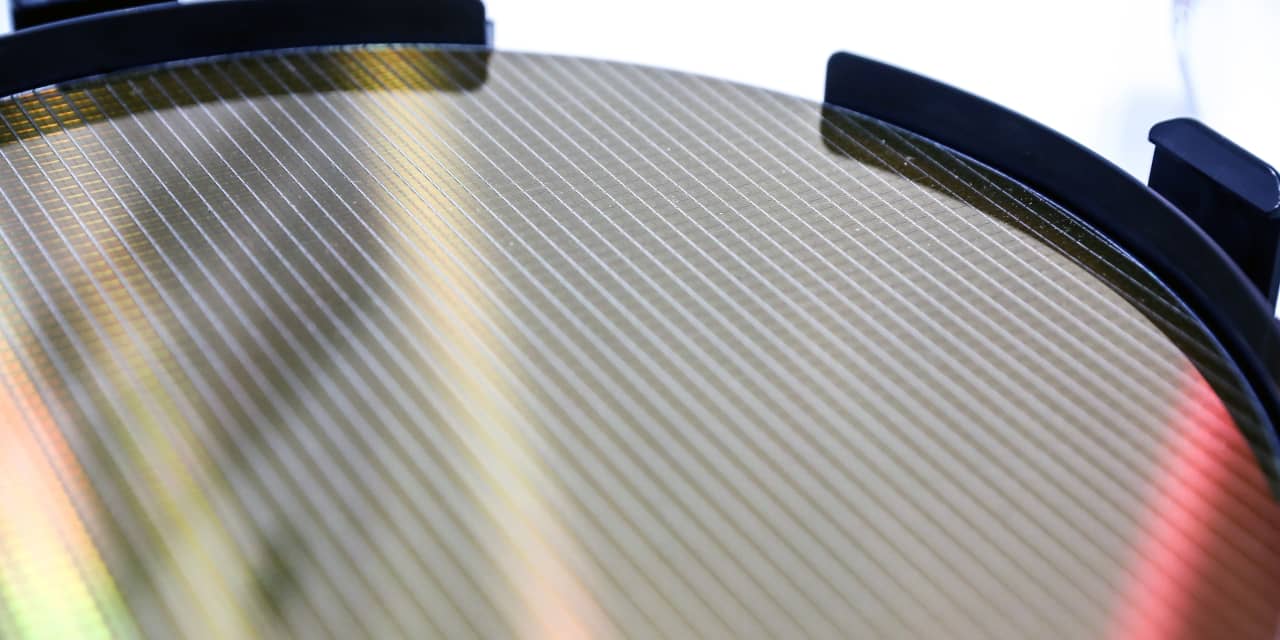
The Iran Conflict Highlights Taiwan Risks: Implications for Your Investment Portfolio.


- Geopolitical Risks: The ongoing war in Iran and the blockage of the Strait of Hormuz highlight significant geopolitical risks affecting global markets.
- Impact on Tech Investments: Investors in tech-heavy portfolios, particularly those focused on artificial intelligence, should be wary of the potential risks associated with Taiwan's geopolitical situation.
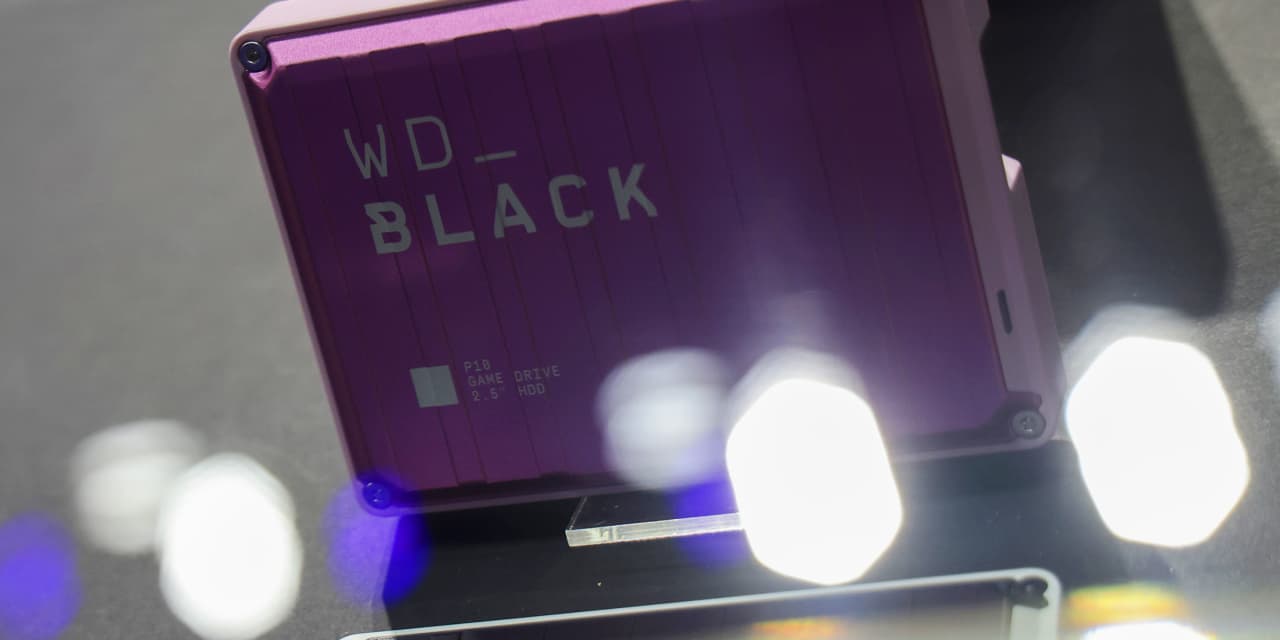
4 Memory Stocks to Watch as Demand Continues to Rise


AI Concerns: There are ongoing concerns regarding artificial intelligence and its implications.
Chips Resilience: Despite these concerns, the semiconductor industry, particularly chips, is not experiencing significant challenges.
KOSPI Index Reaches 6,600 as SK Hynix Soars 5%, Roundhill Memory ETF DRAM Gains 2%, and iShares MSCI South Korea ETF EWY Increases 1% in After-Hours Trading
KOSPI Performance: Korea's Composite Index (KOSPI) has hit 6,600 points, indicating a positive trend in the market.
SK Hynix Growth: Shares of Korean memory giant SK Hynix have jumped by 5%, reflecting strong investor confidence.
DRAM ETF Increase: The Roundhill Memory ETF (DRAM.US) has seen a 2% increase, suggesting a favorable outlook for the memory sector.
MSCI South Korea ETF Rise: The iShares MSCI South Korea ETF (EWY.US) has risen by 1% in overnight trading, indicating a broader interest in South Korean equities.
SK Hynix Gains 4% on Tuesday, Marking Two Consecutive Days of Increases; Roundhill Memory ETF Up 0.4%, iShares MSCI South Korea ETF Rises 1% in After-Hours Trading.
SK Hynix Production Announcement: SK Hynix has commenced mass production of 192 GB SOICAMM2 memory chips, designed for next-generation NVIDIA AI servers, offering double bandwidth capabilities.
Market Reaction: Following the announcement, SK Hynix's stock rose by 4%, while the Roundhill Memory ETF (DRAM.US) increased by 0.4%, and the iShares MSCI South Korea ETF (EWY.US) climbed by 1% in overnight trading.
Assessing the Stability of the Iran Cease-Fire and Investment Options if It Fails
U.S. Stock Market Reaction: U.S. stocks experienced a surge following the announcement of a two-week cease-fire agreement between the U.S. and Iran.
Geopolitical Concerns: Analysts are closely monitoring developments in the Middle East and Washington, D.C., as there are concerns that the cease-fire may be unstable and could collapse.
Japan's Nikkei Index Surges 4.5% Past 56,000; Korea's KOSPI Index Increases 5% to 5,800, Boosting Related ETFs with EWJ Up 3% and EWY Up 7%; DRAM Stocks, Heavily Influenced by Samsung and SK Hynix, Soar 10%.
Japan's Nikkei Performance: Japan's Nikkei share average has risen by 4.5%, surpassing 56,000 points.
KOSPI Index Growth: The Korean KOSPI index has increased by 5%, reaching 5,800 points.
ETFs Surge: Related ETFs have seen significant gains, with EWJ rising by 3% and EWY climbing by 7%.
DRAM Stocks Rise: DRAM stocks, heavily weighted in Samsung and SK Hynix, have soared by 10%.
The Iran Conflict Highlights Taiwan Risks: Implications for Your Investment Portfolio.
- Geopolitical Risks: The ongoing war in Iran and the blockage of the Strait of Hormuz highlight significant geopolitical risks affecting global markets.
- Impact on Tech Investments: Investors in tech-heavy portfolios, particularly those focused on artificial intelligence, should be wary of the potential risks associated with Taiwan's geopolitical situation.
4 Memory Stocks to Watch as Demand Continues to Rise
AI Concerns: There are ongoing concerns regarding artificial intelligence and its implications.
Chips Resilience: Despite these concerns, the semiconductor industry, particularly chips, is not experiencing significant challenges.