Scorpio Tankers Set to Announce Q4 Earnings with Strong Estimates
Written by Emily J. Thompson, Senior Investment Analyst
Updated: Feb 11 2026
0mins
Should l Buy STNG?
Source: seekingalpha
- Earnings Announcement Date: Scorpio Tankers is set to release its Q4 earnings on February 12 before market open, with a consensus EPS estimate of $1.55, reflecting a significant 146% year-over-year increase, which could positively impact the stock price.
- Revenue Growth Expectations: The anticipated revenue for Q4 is $233.57 million, representing a 14.5% year-over-year growth, indicating strong performance amid recovering market demand, potentially boosting investor confidence in future growth.
- Historical Performance Review: Over the past two years, Scorpio Tankers has beaten EPS and revenue estimates 88% of the time, showcasing its stable performance and adaptability in the market, further solidifying its competitive position in the industry.
- Estimate Adjustment Dynamics: In the last three months, EPS estimates have seen three upward revisions and three downward revisions, while revenue estimates experienced one upward revision and three downward revisions, reflecting mixed market sentiments regarding the company's future performance, warranting close attention to the actual earnings results.
Trade with 70% Backtested Accuracy
Stop guessing "Should I Buy STNG?" and start using high-conviction signals backed by rigorous historical data.
Sign up today to access powerful investing tools and make smarter, data-driven decisions.
Analyst Views on STNG
Wall Street analysts forecast STNG stock price to fall
4 Analyst Rating
3 Buy
0 Hold
1 Sell
Moderate Buy
Current: 74.100

Low
53.00
Averages
72.00
High
80.00
Current: 74.100
Low
53.00
Averages
72.00
High
80.00
About STNG
Scorpio Tankers Inc is a Monaco-based provider in the transportation of refined petroleum products. The Company involves in the oil, seaborne transportation of refined petroleum products from the tanker industry to the international shipping markets. It operates through four segments: Handymax, MR (Medium Range), Long Range 1 (LR1)/Panamax and Long Range 2 (LR2)/Aframax. It consists of 113 wholly owned, finance leased or bareboat chartered-in tankers (39 LR2, 60 MR and 14 Handymax). The segments represent a different type of vessel being around 110 with which it operates with the smaller and bigger type of ships that include Handymax, MR, LR1 and LR2 under its own ownership as well as finance, leased or chartered in.
About the author

Emily J. Thompson
Emily J. Thompson, a Chartered Financial Analyst (CFA) with 12 years in investment research, graduated with honors from the Wharton School. Specializing in industrial and technology stocks, she provides in-depth analysis for Intellectia’s earnings and market brief reports.
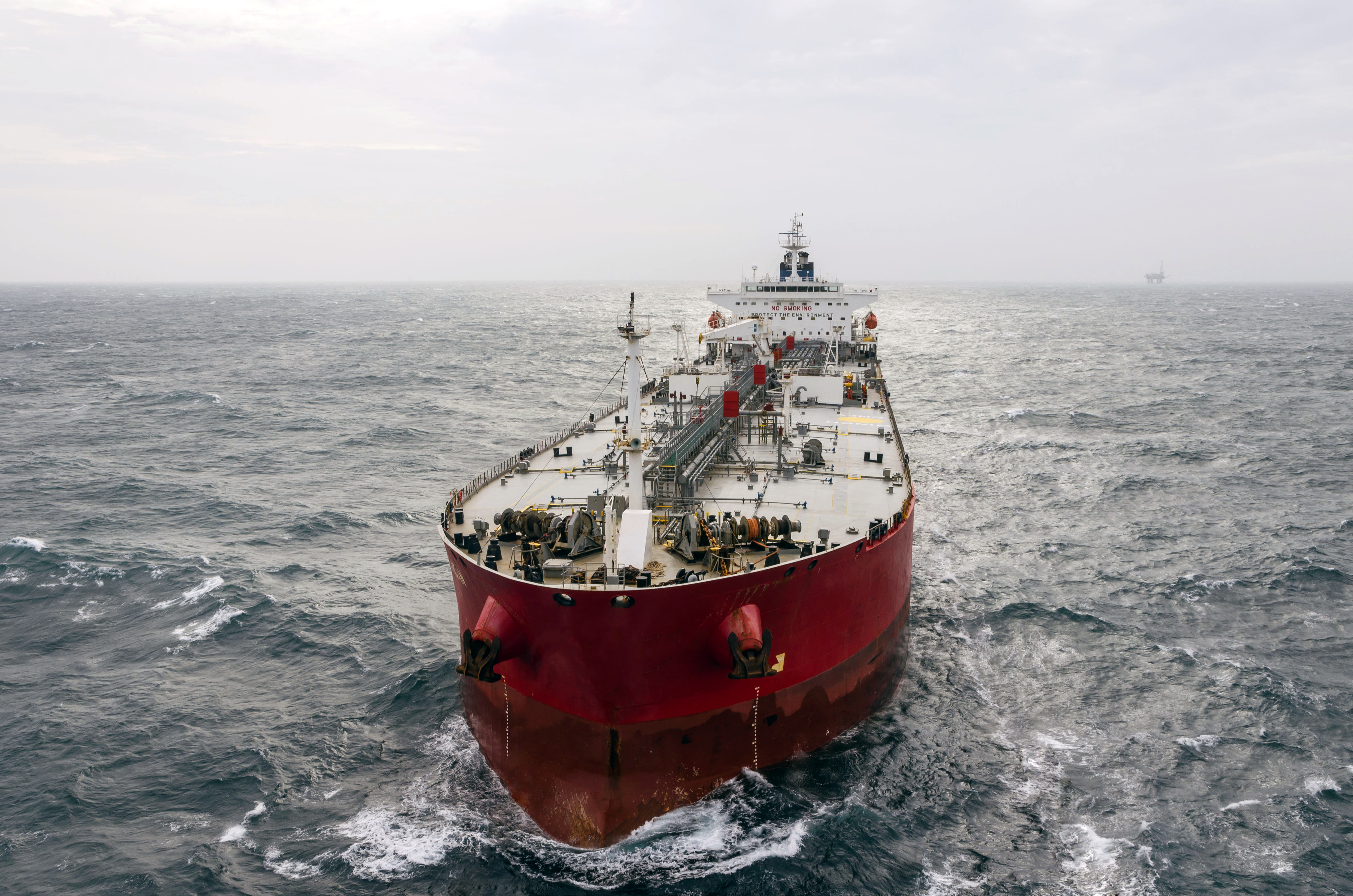
Scorpio Tankers Partners with Ampera for Micronuclear Energy Development
- Strategic Collaboration: Scorpio Tankers has entered a strategic partnership with reactor developer Ampera, backed by a $10 million investment, to jointly develop advanced micronuclear energy systems aimed at meeting the growing demand for zero-carbon power solutions in maritime and port infrastructure markets.
- Market Leadership Role: Scorpio Tankers will serve as the strategic market lead and domain expert for marine and maritime applications, contributing marine engineering, technical design, and regulatory expertise, thereby enhancing its commercial relationships across shipping and maritime infrastructure sectors.
- Innovative Technology Potential: The microreactor technology, based on a compact, containerized design using thorium fuel, has the potential to fundamentally change how ships and offshore infrastructure are powered, highlighting the significance of this collaboration in the future energy transition.
- Industry Outlook: CEO Emanuele Lauro stated that this partnership positions Scorpio Tankers at the forefront of the energy transition, indicating new growth opportunities as global demand for reliable, zero-carbon power solutions continues to rise.
See More
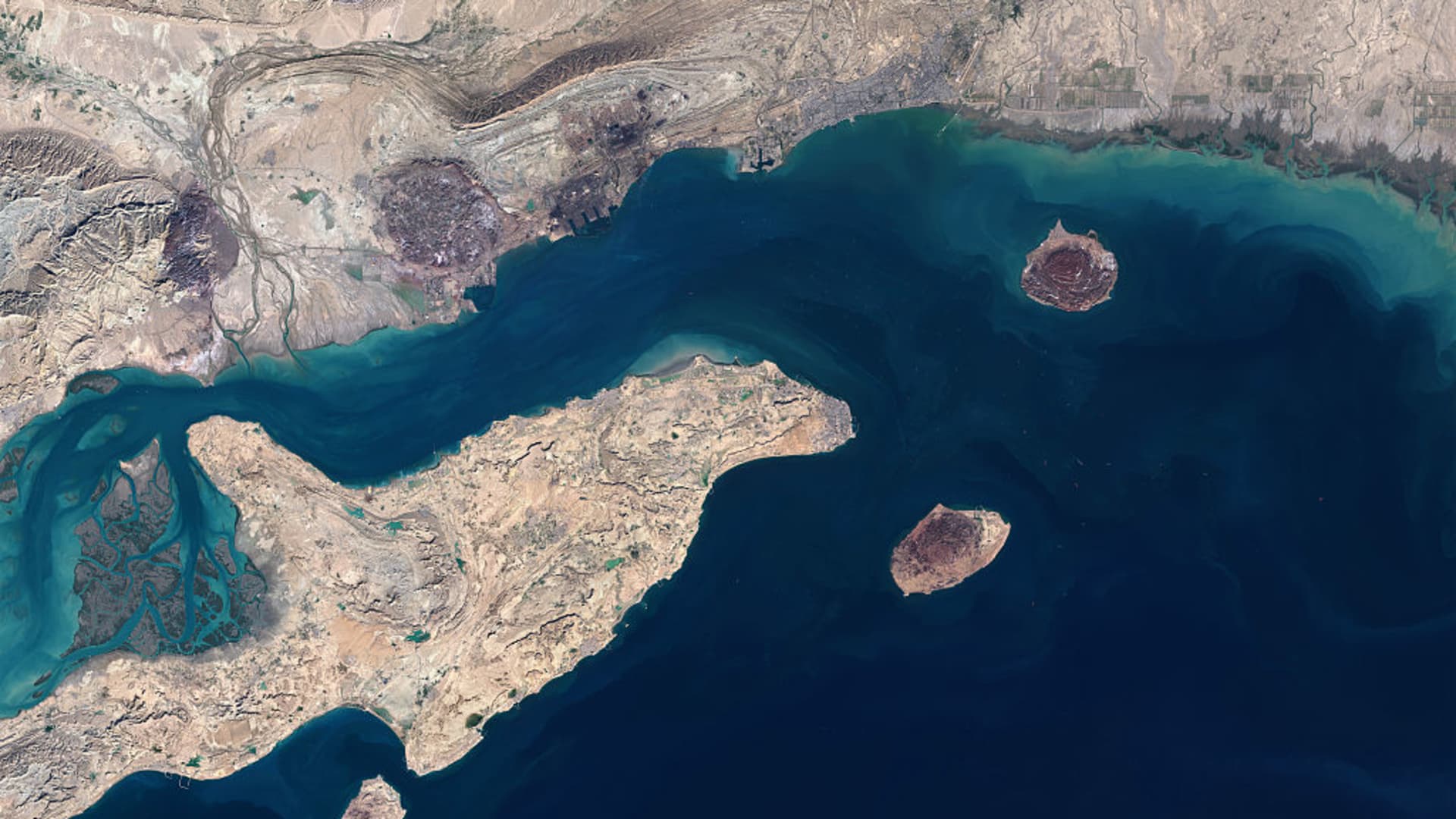
Iran Establishes Toll Corridor in Strait of Hormuz Amid Shipping Crisis
- Shipping Corridor Control: Iran has established a de facto safe shipping corridor near Larak Island in the Strait of Hormuz, resulting in a 90% drop in traffic since February 28, which has caused one of the most severe energy supply shocks globally.
- Toll System Implementation: The Iranian parliament passed a bill to impose fees on vessels transiting the strait, a move that, despite international legal disputes, would institutionalize Tehran's financial control over this critical waterway.
- Selective Passage: All 57 transits recorded since March 13 have taken the Larak detour, indicating strict vetting by the IRGC, which prioritizes vessels from countries with friendly relations, thereby increasing uncertainty in international shipping.
- International Response: While Iran claims the right to charge transit fees, legal experts argue that such unilateral measures may face strong diplomatic and legal challenges under the framework of the United Nations Convention on the Law of the Sea.
See More

Scorpio Tankers to Sell Two MR Product Tankers for $35 Million Each
- Transaction Value: Scorpio Tankers has entered into agreements to sell two 2015-built scrubber-fitted MR product tankers for $35 million each, totaling $70 million, demonstrating the company's strong pricing power in the market.
- Closing Timeline: The sale is expected to close in the second quarter of 2026, indicating the company's proactive approach to optimizing its asset portfolio in alignment with future market demands and operational strategies.
- Market Impact: This transaction is likely to positively affect Scorpio Tankers' financial position, enhancing liquidity and providing funding for subsequent investments, thereby strengthening the company's competitive edge in the oil transportation sector.
- Strategic Shift: By divesting these two tankers, Scorpio Tankers can concentrate resources on more promising assets, reflecting the company's ability to adapt its strategy flexibly in a dynamic market environment.
See More

Scorpio Tankers Sells Two MR Product Tankers for $35 Million Each
- Transaction Overview: Scorpio Tankers has entered into agreements to sell two 2015-built scrubber-fitted MR product tankers, STI Brooklyn and STI Black Hawk, for $35 million each, with the sale expected to close in Q2 2026, enhancing the company's liquidity.
- Fleet Restructuring: This sale is part of the company's strategy to optimize its fleet structure, as it currently owns 89 tankers with an average age of 10.1 years, and divesting older vessels will help improve overall operational efficiency.
- Newbuilding Plans: The company has also secured agreements for four MR newbuildings and four LR2 newbuildings, with deliveries expected between 2026 and 2029, which will further strengthen its market competitiveness and service capabilities.
- Market Outlook: By combining the sale of older vessels with newbuilding strategies, Scorpio Tankers aims to enhance its flexibility and adaptability in response to changing global oil transportation demands, positioning itself to tackle future market challenges.
See More
Scorpio Tankers Updates 2026 TCE Revenue and Debt Position
- TCE Revenue Growth: In Q1 2026, Scorpio Tankers reported an average daily TCE revenue of $51,000 for LR2 vessels with 2,095 expected revenue days, achieving a 97% utilization rate, indicating stable revenue growth amid strong market demand.
- Q2 Outlook: For Q2 2026, the average daily TCE revenue for LR2 vessels is projected to rise to $101,000, despite only 1,780 expected revenue days, reflecting market volatility and the company's potential for profitability in a high-demand environment.
- Debt and Liquidity Status: As of March 20, 2026, Scorpio Tankers' total debt stood at $589,056,000, with cash reserves of $974,000,000 and net cash of $384,944,000, indicating a strong position in terms of debt servicing and liquidity.
- Vessel Sale Plans: The company has agreements to sell two MR tankers and one LR2 tanker, expected to generate $105,000,000 in cash inflow, which will further enhance the company's financial position and support future expansion plans.
See More

Trump Administration Delays Military Action Against Iran, Boosting Stocks


- Market Reaction: The Trump administration's postponement of military action against Iran led to a significant rise in the Dow Jones Industrial Average, reflecting increased investor confidence in global economic stability and optimism in trading floors.
- Cyclical Sector Gains: Companies in cyclical sectors, such as construction equipment firm Caterpillar and manufacturing conglomerate 3M, outperformed as reduced geopolitical risks highlighted their strong international operations and potential for growth.
- Stock Performance Highlights: Heavy Transportation Equipment company Greenbrier saw a 3.9% increase, while Electrical Systems company Acuity Brands rose by 4.1%, indicating a resurgence of investor interest in these stocks and potential for future growth.
- Oil Price Volatility Impact: Brent crude prices surged over 6% due to geopolitical tensions, and sustained increases could lead to higher inflation, affecting consumer spending and corporate earnings, which complicates the Federal Reserve's interest rate strategy.
See More
Scorpio Tankers Partners with Ampera for Micronuclear Energy Development
- Strategic Collaboration: Scorpio Tankers has entered a strategic partnership with reactor developer Ampera, backed by a $10 million investment, to jointly develop advanced micronuclear energy systems aimed at meeting the growing demand for zero-carbon power solutions in maritime and port infrastructure markets.
- Market Leadership Role: Scorpio Tankers will serve as the strategic market lead and domain expert for marine and maritime applications, contributing marine engineering, technical design, and regulatory expertise, thereby enhancing its commercial relationships across shipping and maritime infrastructure sectors.
- Innovative Technology Potential: The microreactor technology, based on a compact, containerized design using thorium fuel, has the potential to fundamentally change how ships and offshore infrastructure are powered, highlighting the significance of this collaboration in the future energy transition.
- Industry Outlook: CEO Emanuele Lauro stated that this partnership positions Scorpio Tankers at the forefront of the energy transition, indicating new growth opportunities as global demand for reliable, zero-carbon power solutions continues to rise.
See More
Iran Establishes Toll Corridor in Strait of Hormuz Amid Shipping Crisis
- Shipping Corridor Control: Iran has established a de facto safe shipping corridor near Larak Island in the Strait of Hormuz, resulting in a 90% drop in traffic since February 28, which has caused one of the most severe energy supply shocks globally.
- Toll System Implementation: The Iranian parliament passed a bill to impose fees on vessels transiting the strait, a move that, despite international legal disputes, would institutionalize Tehran's financial control over this critical waterway.
- Selective Passage: All 57 transits recorded since March 13 have taken the Larak detour, indicating strict vetting by the IRGC, which prioritizes vessels from countries with friendly relations, thereby increasing uncertainty in international shipping.
- International Response: While Iran claims the right to charge transit fees, legal experts argue that such unilateral measures may face strong diplomatic and legal challenges under the framework of the United Nations Convention on the Law of the Sea.
See More
Scorpio Tankers to Sell Two MR Product Tankers for $35 Million Each
- Transaction Value: Scorpio Tankers has entered into agreements to sell two 2015-built scrubber-fitted MR product tankers for $35 million each, totaling $70 million, demonstrating the company's strong pricing power in the market.
- Closing Timeline: The sale is expected to close in the second quarter of 2026, indicating the company's proactive approach to optimizing its asset portfolio in alignment with future market demands and operational strategies.
- Market Impact: This transaction is likely to positively affect Scorpio Tankers' financial position, enhancing liquidity and providing funding for subsequent investments, thereby strengthening the company's competitive edge in the oil transportation sector.
- Strategic Shift: By divesting these two tankers, Scorpio Tankers can concentrate resources on more promising assets, reflecting the company's ability to adapt its strategy flexibly in a dynamic market environment.
See More
Scorpio Tankers Sells Two MR Product Tankers for $35 Million Each
- Transaction Overview: Scorpio Tankers has entered into agreements to sell two 2015-built scrubber-fitted MR product tankers, STI Brooklyn and STI Black Hawk, for $35 million each, with the sale expected to close in Q2 2026, enhancing the company's liquidity.
- Fleet Restructuring: This sale is part of the company's strategy to optimize its fleet structure, as it currently owns 89 tankers with an average age of 10.1 years, and divesting older vessels will help improve overall operational efficiency.
- Newbuilding Plans: The company has also secured agreements for four MR newbuildings and four LR2 newbuildings, with deliveries expected between 2026 and 2029, which will further strengthen its market competitiveness and service capabilities.
- Market Outlook: By combining the sale of older vessels with newbuilding strategies, Scorpio Tankers aims to enhance its flexibility and adaptability in response to changing global oil transportation demands, positioning itself to tackle future market challenges.
See More
Scorpio Tankers Updates 2026 TCE Revenue and Debt Position
- TCE Revenue Growth: In Q1 2026, Scorpio Tankers reported an average daily TCE revenue of $51,000 for LR2 vessels with 2,095 expected revenue days, achieving a 97% utilization rate, indicating stable revenue growth amid strong market demand.
- Q2 Outlook: For Q2 2026, the average daily TCE revenue for LR2 vessels is projected to rise to $101,000, despite only 1,780 expected revenue days, reflecting market volatility and the company's potential for profitability in a high-demand environment.
- Debt and Liquidity Status: As of March 20, 2026, Scorpio Tankers' total debt stood at $589,056,000, with cash reserves of $974,000,000 and net cash of $384,944,000, indicating a strong position in terms of debt servicing and liquidity.
- Vessel Sale Plans: The company has agreements to sell two MR tankers and one LR2 tanker, expected to generate $105,000,000 in cash inflow, which will further enhance the company's financial position and support future expansion plans.
See More
Trump Administration Delays Military Action Against Iran, Boosting Stocks
- Market Reaction: The Trump administration's postponement of military action against Iran led to a significant rise in the Dow Jones Industrial Average, reflecting increased investor confidence in global economic stability and optimism in trading floors.
- Cyclical Sector Gains: Companies in cyclical sectors, such as construction equipment firm Caterpillar and manufacturing conglomerate 3M, outperformed as reduced geopolitical risks highlighted their strong international operations and potential for growth.
- Stock Performance Highlights: Heavy Transportation Equipment company Greenbrier saw a 3.9% increase, while Electrical Systems company Acuity Brands rose by 4.1%, indicating a resurgence of investor interest in these stocks and potential for future growth.
- Oil Price Volatility Impact: Brent crude prices surged over 6% due to geopolitical tensions, and sustained increases could lead to higher inflation, affecting consumer spending and corporate earnings, which complicates the Federal Reserve's interest rate strategy.
See More