Reasons Salesforce Stock Could Still Thrive in the AI Landscape

Business Adoption of AI: Business customers have been hesitant to systematically adopt artificial intelligence tools, but this trend is starting to change.
Salesforce's AI Revenue: Salesforce, a notable software company, has reported that while its core AI revenue is currently small, it is experiencing rapid growth.
Trade with 70% Backtested Accuracy
Analyst Views on CRM

About CRM
About the author


Salesforce Faces AI Disruption, Stock Down 26.6%
- Revenue Growth: Salesforce reported a fiscal 2026 revenue of $41.5 billion, reflecting a 10% year-over-year increase, demonstrating the company's solid foundation in securing long-term customers and projects despite concerns over AI disrupting traditional SaaS models.
- Performance Outlook: The company anticipates fiscal 2027 revenue between $45.8 billion and $46.2 billion, implying a year-over-year growth of 10% to 11%, indicating that while growth concerns persist, there may be relief in the upcoming quarters.
- AI Product Expansion: Salesforce's Agentforce platform and Data 360 offerings have reached $2.9 billion in annual recurring revenue, up 200% year-over-year, showcasing the company's rapid expansion potential in the AI-driven market.
- Competitive Advantage: Salesforce's AI strategy appears to enhance its platform rather than disrupt it, as all top ten deals in Q4 included Agentforce, indicating customers prefer the integrated Salesforce stack over standalone AI solutions.

US Stocks Decline Amid Ongoing Iran Conflict


- Market Performance: On Tuesday, the S&P 500 Index fell by 0.37%, the Dow Jones Industrial Average decreased by 0.18%, and the Nasdaq 100 Index dropped by 0.77%, reflecting investor concerns over the ongoing conflict in Iran and a general decline in market sentiment.
- Oil Price Fluctuations: WTI crude oil prices surged over 4%, reaching elevated levels due to Iran's missile and drone strikes on Israel and US bases, raising fears about energy supply disruptions that could impact global economic recovery.
- Economic Data: Despite market pressures, Q4 nonfarm productivity remained at 1.8%, while unit labor costs were revised up to 4.4%, exceeding expectations, indicating resilience in the economic fundamentals that may provide some support to the stock market.
- International Tensions: Reports of Saudi Arabia and the UAE aligning with the Iran conflict have heightened market anxiety, as investors are closely monitoring the potential for increased US military deployment, which could escalate tensions and affect global market stability.

Software Stocks Are Declining Once More: Reasons 'HALO' Companies May Not Be a Superior Investment.


Author Background: Seth Kirkham serves as the chief investment officer at Galvanize Global Equities, bringing expertise in investment strategies.
Investment Insights: The article likely discusses current trends and strategies in global equities, reflecting Kirkham's perspective on market dynamics.
Market Analysis: It may provide an analysis of economic indicators and their impact on investment decisions, emphasizing the importance of informed choices.
Future Outlook: The content could also explore predictions for market movements and investment opportunities, guiding readers on potential future trends.

Salesforce Shares Plunge Amid AI Disruption Fears
- Significant Stock Drop: Salesforce shares fell 5.8% to $182.50 on Tuesday, reflecting a broader downturn in the enterprise software sector due to rising AI competition, leading to investor concerns about future prospects.
- Intensified AI Competition: The release of Anthropic's new AI agent, capable of remotely operating computers and completing various tasks, has triggered market fears that traditional enterprise software may be displaced, posing a potential threat to Salesforce as an industry leader.
- Strategic Investment: Salesforce holds approximately 1% of Anthropic through Salesforce Ventures, valued at $3.8 billion, which, while not immediately impactful, could yield significant strategic value in the long run as AI capabilities evolve.
- Stock Buyback Initiative: Salesforce has aggressively repurchased shares in recent months, completing a $25 billion accelerated buyback, which, despite increasing debt, demonstrates confidence in future market conditions and commitment to shareholders.

Shift4 Payments and Salesforce Options Trading Active


- Shift4 Options Volume: Shift4 Payments Inc (FOUR) has seen an options volume of 16,047 contracts today, equating to approximately 1.6 million shares, which represents a significant 53.1% of its average daily trading volume of 3.0 million shares over the past month, indicating heightened market interest in FOUR.
- High Volume Contracts: Among FOUR's options, the $50 strike call option expiring on December 18, 2026, has been particularly active, with 2,075 contracts traded today, representing about 207,500 underlying shares, suggesting a bullish sentiment among investors regarding FOUR's future performance.
- Salesforce Options Activity: Salesforce Inc (CRM) has recorded an options volume of 78,157 contracts today, translating to approximately 7.8 million shares, which constitutes a notable 52.9% of its average daily trading volume of 14.8 million shares over the past month, reflecting strong trading interest in CRM.
- Key Contract Insights: For CRM, the $210 strike call option expiring on April 17, 2026, has seen a trading volume of 3,362 contracts today, representing around 336,200 shares, indicating investor confidence in CRM's growth potential moving forward.
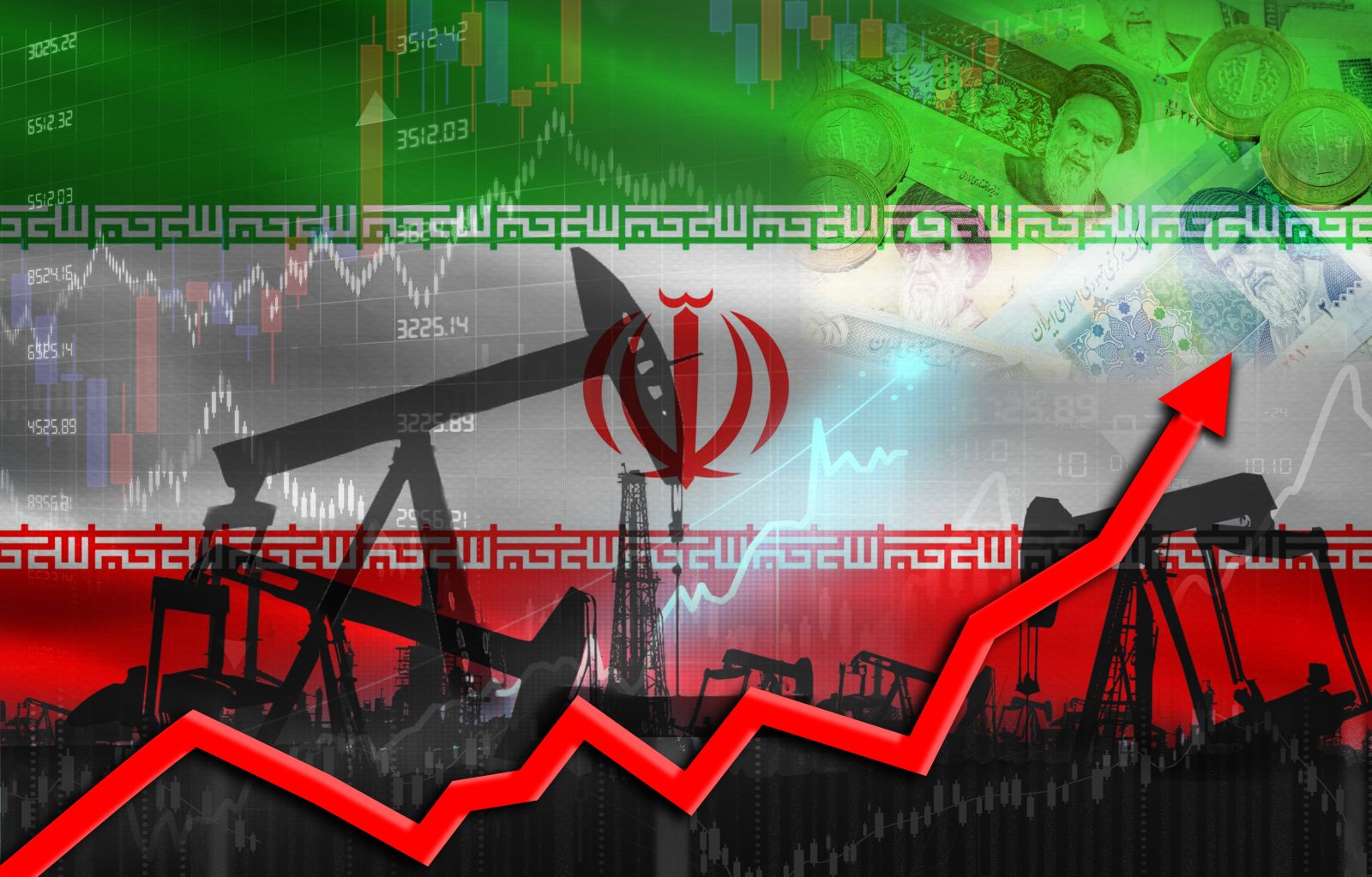
US Stocks Decline Amid Ongoing Iran Conflict

- Market Movement: The S&P 500 Index is down 0.16%, while the Dow Jones Industrial Average is up 0.13%, and the Nasdaq 100 Index has decreased by 0.50%, reflecting investor concerns over the ongoing Iran conflict, which is dampening market sentiment.
- Rising Energy Prices: WTI crude oil prices have surged over 4% due to Iran's missile strikes on Israel and US bases, which not only limits stock market declines but also raises inflation expectations, potentially influencing future monetary policy decisions.
- Economic Data Performance: The US Q4 nonfarm productivity remained unchanged at 1.8%, while unit labor costs were revised up to 4.4% from 2.8%, exceeding market expectations, indicating economic resilience that may support the stock market.
- International Tensions Impact: Saudi Arabia and the UAE have taken steps toward joining the Iran war, potentially escalating the conflict, which increases market concerns about future geopolitical risks and drives investors towards safer assets.
Salesforce Faces AI Disruption, Stock Down 26.6%
- Revenue Growth: Salesforce reported a fiscal 2026 revenue of $41.5 billion, reflecting a 10% year-over-year increase, demonstrating the company's solid foundation in securing long-term customers and projects despite concerns over AI disrupting traditional SaaS models.
- Performance Outlook: The company anticipates fiscal 2027 revenue between $45.8 billion and $46.2 billion, implying a year-over-year growth of 10% to 11%, indicating that while growth concerns persist, there may be relief in the upcoming quarters.
- AI Product Expansion: Salesforce's Agentforce platform and Data 360 offerings have reached $2.9 billion in annual recurring revenue, up 200% year-over-year, showcasing the company's rapid expansion potential in the AI-driven market.
- Competitive Advantage: Salesforce's AI strategy appears to enhance its platform rather than disrupt it, as all top ten deals in Q4 included Agentforce, indicating customers prefer the integrated Salesforce stack over standalone AI solutions.
US Stocks Decline Amid Ongoing Iran Conflict
- Market Performance: On Tuesday, the S&P 500 Index fell by 0.37%, the Dow Jones Industrial Average decreased by 0.18%, and the Nasdaq 100 Index dropped by 0.77%, reflecting investor concerns over the ongoing conflict in Iran and a general decline in market sentiment.
- Oil Price Fluctuations: WTI crude oil prices surged over 4%, reaching elevated levels due to Iran's missile and drone strikes on Israel and US bases, raising fears about energy supply disruptions that could impact global economic recovery.
- Economic Data: Despite market pressures, Q4 nonfarm productivity remained at 1.8%, while unit labor costs were revised up to 4.4%, exceeding expectations, indicating resilience in the economic fundamentals that may provide some support to the stock market.
- International Tensions: Reports of Saudi Arabia and the UAE aligning with the Iran conflict have heightened market anxiety, as investors are closely monitoring the potential for increased US military deployment, which could escalate tensions and affect global market stability.
Software Stocks Are Declining Once More: Reasons 'HALO' Companies May Not Be a Superior Investment.
Author Background: Seth Kirkham serves as the chief investment officer at Galvanize Global Equities, bringing expertise in investment strategies.
Investment Insights: The article likely discusses current trends and strategies in global equities, reflecting Kirkham's perspective on market dynamics.
Market Analysis: It may provide an analysis of economic indicators and their impact on investment decisions, emphasizing the importance of informed choices.
Future Outlook: The content could also explore predictions for market movements and investment opportunities, guiding readers on potential future trends.
Salesforce Shares Plunge Amid AI Disruption Fears
- Significant Stock Drop: Salesforce shares fell 5.8% to $182.50 on Tuesday, reflecting a broader downturn in the enterprise software sector due to rising AI competition, leading to investor concerns about future prospects.
- Intensified AI Competition: The release of Anthropic's new AI agent, capable of remotely operating computers and completing various tasks, has triggered market fears that traditional enterprise software may be displaced, posing a potential threat to Salesforce as an industry leader.
- Strategic Investment: Salesforce holds approximately 1% of Anthropic through Salesforce Ventures, valued at $3.8 billion, which, while not immediately impactful, could yield significant strategic value in the long run as AI capabilities evolve.
- Stock Buyback Initiative: Salesforce has aggressively repurchased shares in recent months, completing a $25 billion accelerated buyback, which, despite increasing debt, demonstrates confidence in future market conditions and commitment to shareholders.
Shift4 Payments and Salesforce Options Trading Active
- Shift4 Options Volume: Shift4 Payments Inc (FOUR) has seen an options volume of 16,047 contracts today, equating to approximately 1.6 million shares, which represents a significant 53.1% of its average daily trading volume of 3.0 million shares over the past month, indicating heightened market interest in FOUR.
- High Volume Contracts: Among FOUR's options, the $50 strike call option expiring on December 18, 2026, has been particularly active, with 2,075 contracts traded today, representing about 207,500 underlying shares, suggesting a bullish sentiment among investors regarding FOUR's future performance.
- Salesforce Options Activity: Salesforce Inc (CRM) has recorded an options volume of 78,157 contracts today, translating to approximately 7.8 million shares, which constitutes a notable 52.9% of its average daily trading volume of 14.8 million shares over the past month, reflecting strong trading interest in CRM.
- Key Contract Insights: For CRM, the $210 strike call option expiring on April 17, 2026, has seen a trading volume of 3,362 contracts today, representing around 336,200 shares, indicating investor confidence in CRM's growth potential moving forward.
US Stocks Decline Amid Ongoing Iran Conflict
- Market Movement: The S&P 500 Index is down 0.16%, while the Dow Jones Industrial Average is up 0.13%, and the Nasdaq 100 Index has decreased by 0.50%, reflecting investor concerns over the ongoing Iran conflict, which is dampening market sentiment.
- Rising Energy Prices: WTI crude oil prices have surged over 4% due to Iran's missile strikes on Israel and US bases, which not only limits stock market declines but also raises inflation expectations, potentially influencing future monetary policy decisions.
- Economic Data Performance: The US Q4 nonfarm productivity remained unchanged at 1.8%, while unit labor costs were revised up to 4.4% from 2.8%, exceeding market expectations, indicating economic resilience that may support the stock market.
- International Tensions Impact: Saudi Arabia and the UAE have taken steps toward joining the Iran war, potentially escalating the conflict, which increases market concerns about future geopolitical risks and drives investors towards safer assets.