Real estate stocks trading mixed as mortgage lenders gap down, homebuilders advance


Real Estate Market Movements: Real estate stocks experienced volatility on Monday, with mortgage lenders declining while homebuilders saw gains; Rocket Companies announced a $1.75B acquisition of Redfin, causing significant stock fluctuations.
Economic Concerns Impacting Stocks: Broader economic growth concerns, exacerbated by President Trump's recession comments, negatively affected the equities market, particularly impacting hotel and shopping center REITs, while healthcare and triple-net REITs showed resilience.
Trade with 70% Backtested Accuracy
Analyst Views on RKT

About RKT
About the author


NASDAQ 100 Pre-Market Update: Active Stocks and Trends


- Market Performance: The NASDAQ 100 Pre-Market Indicator is down 40.56 points to 29,194.43, indicating cautious market sentiment that may influence short-term investor decisions.
- Active Stocks: Nokia Corporation (NOK) is up $0.27 to $13.09 with a trading volume of 6,532,196 shares, and the current mean recommendation is in the 'buy range', reflecting optimistic market expectations for its future performance.
- Earnings Forecast Revisions: Circle Internet Group, Inc. (CRCL) has risen $2.33 to $116.00, with three upward revisions in earnings forecasts over the past four weeks, projecting an EPS of $0.19 for the fiscal quarter ending June 2026, indicating strong market confidence in its growth potential.
- Target Price Analysis: Hims & Hers Health, Inc. (HIMS) is up $1.19 to $29.46, with its current price at 116.67% of the target price of $25.25, suggesting its market performance exceeds expectations and may attract more investor interest.

ROCKET COMPANIES STOCK RISES 3.5% IN PREMARKET TRADING FOLLOWING Q1 PROFIT BEAT

Stock Performance: Rocket Companies' shares increased by 3.5% in pre-market trading.
Earnings Report: This rise follows the company's Q1 profit estimates, which exceeded expectations.

Rocket Companies Reports Strong Q1 2026 Earnings Amid Market Volatility
- Performance Exceeds Expectations: Rocket Companies reported adjusted revenue of $2.822 billion in Q1, surpassing the high end of guidance, indicating strong performance in a volatile market, which is likely to boost investor confidence and drive stock price appreciation.
- AI-Driven Efficiency Gains: The company has invested over $500 million in AI and automation over the past six years, utilizing AI to reduce loan officer prospecting time from up to two hours per day to zero, significantly enhancing operational efficiency and lowering labor costs.
- Market Share Growth: The net rate lock volume reached $49 billion in Q1, a 19% quarter-over-quarter increase, with 54% of refinancing coming from existing service clients, indicating sustained competitiveness in the market and the potential for further consolidation of market position.
- Optimistic Future Outlook: Management expects adjusted revenue for Q2 to be between $2.700 billion and $2.900 billion, and despite facing higher mortgage rates and market challenges, they remain confident in continued share gains, reflecting a positive outlook for the company's future.

Rocket Companies Reports Q1 Net Income Surge
- Net Income Reversal: Rocket Companies reported a net income of $297 million for Q1, translating to $0.10 per share, a significant turnaround from a net loss of $10 million or $0.08 per share in the previous year, indicating a marked improvement in profitability.
- Adjusted Earnings Surge: The adjusted earnings reached $422 million, or $0.15 per share, compared to $80 million and $0.04 per share last year, showcasing the company's success in cost management and revenue growth.
- Total Revenue Increase: The total revenue for the first quarter was $2.941 billion, up 167% from last year's $1.101 billion, reflecting strong sales growth driven by robust market demand.
- Positive Stock Reaction: Following the earnings report, Rocket Companies' stock rose by 3.11% to $14.59 in after-hours trading, suggesting that the market's positive response could further bolster investor confidence.
Sierra Raises Nearly $1 Billion Amid Intensifying AI Market Competition


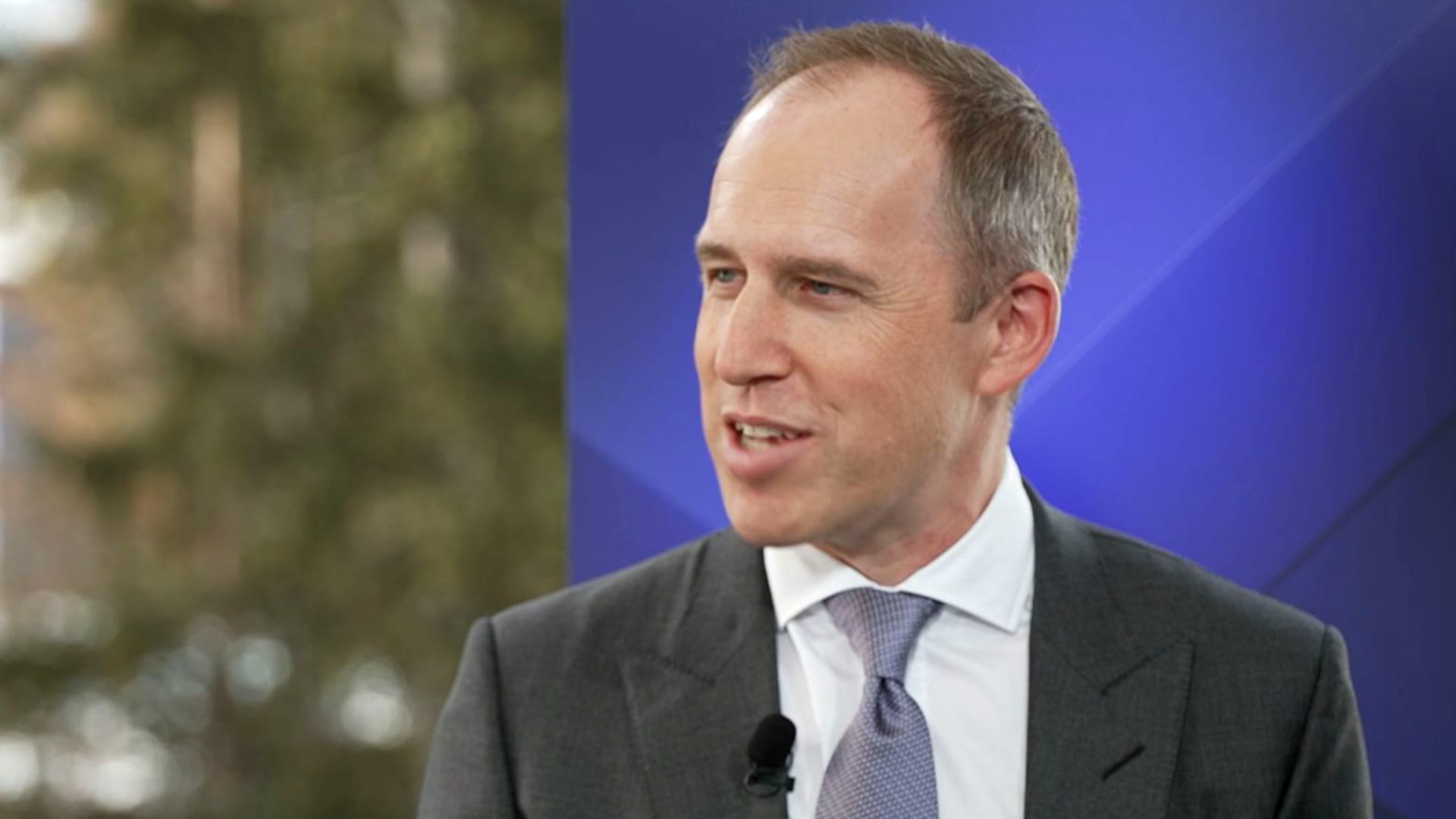
- Record Funding Round: Sierra has raised $950 million in its latest funding round, achieving a post-money valuation of $15.8 billion, which underscores the strong interest and confidence from investors in the AI sector, particularly in a rapidly intensifying competitive landscape.
- Rapid Revenue Growth: The company surpassed $150 million in annual recurring revenue (ARR) within eight quarters, a growth trajectory unprecedented in traditional software, highlighting the intense market demand for its AI customer service agents.
- Significant Market Opportunity: Taylor estimates that $400 billion is spent annually on customer service, and as enterprises increasingly shift towards AI agents, Sierra is positioned to capitalize on this substantial market opportunity by offering more efficient service experiences.
- Strategic Expansion Plans: With the new funding, Sierra aims to solidify its market leadership; Taylor noted that despite fierce competition, the company is multiples larger than its nearest rivals and will continue to invest aggressively to maintain its competitive edge.

AI Startup Sierra Raises $950 Million in Series E Funding
- Record Funding Round: Sierra raised $950 million in its latest funding round, pushing its valuation from $10 billion to $15.8 billion, highlighting investors' strong interest in the AI sector and their pursuit of emerging market leaders.
- Diverse Clientele: The startup serves major enterprises like Prudential, Cigna, Blue Cross Blue Shield, and Rocket Mortgage, reaching over 40% of Fortune 50 companies, which underscores its market leadership in AI customer service.
- Rapid Revenue Growth: Sierra achieved over $150 million in annual recurring revenue (ARR) within eight quarters, an unprecedented growth rate in traditional software, reflecting intense market demand for its offerings.
- Expansive Market Potential: Founder Bret Taylor estimates that $400 billion is spent annually on customer service, and as AI agents become more prevalent, Sierra is focused on maintaining its competitive edge in an increasingly crowded market.
NASDAQ 100 Pre-Market Update: Active Stocks and Trends
- Market Performance: The NASDAQ 100 Pre-Market Indicator is down 40.56 points to 29,194.43, indicating cautious market sentiment that may influence short-term investor decisions.
- Active Stocks: Nokia Corporation (NOK) is up $0.27 to $13.09 with a trading volume of 6,532,196 shares, and the current mean recommendation is in the 'buy range', reflecting optimistic market expectations for its future performance.
- Earnings Forecast Revisions: Circle Internet Group, Inc. (CRCL) has risen $2.33 to $116.00, with three upward revisions in earnings forecasts over the past four weeks, projecting an EPS of $0.19 for the fiscal quarter ending June 2026, indicating strong market confidence in its growth potential.
- Target Price Analysis: Hims & Hers Health, Inc. (HIMS) is up $1.19 to $29.46, with its current price at 116.67% of the target price of $25.25, suggesting its market performance exceeds expectations and may attract more investor interest.
ROCKET COMPANIES STOCK RISES 3.5% IN PREMARKET TRADING FOLLOWING Q1 PROFIT BEAT
Stock Performance: Rocket Companies' shares increased by 3.5% in pre-market trading.
Earnings Report: This rise follows the company's Q1 profit estimates, which exceeded expectations.
Rocket Companies Reports Strong Q1 2026 Earnings Amid Market Volatility
- Performance Exceeds Expectations: Rocket Companies reported adjusted revenue of $2.822 billion in Q1, surpassing the high end of guidance, indicating strong performance in a volatile market, which is likely to boost investor confidence and drive stock price appreciation.
- AI-Driven Efficiency Gains: The company has invested over $500 million in AI and automation over the past six years, utilizing AI to reduce loan officer prospecting time from up to two hours per day to zero, significantly enhancing operational efficiency and lowering labor costs.
- Market Share Growth: The net rate lock volume reached $49 billion in Q1, a 19% quarter-over-quarter increase, with 54% of refinancing coming from existing service clients, indicating sustained competitiveness in the market and the potential for further consolidation of market position.
- Optimistic Future Outlook: Management expects adjusted revenue for Q2 to be between $2.700 billion and $2.900 billion, and despite facing higher mortgage rates and market challenges, they remain confident in continued share gains, reflecting a positive outlook for the company's future.
Rocket Companies Reports Q1 Net Income Surge
- Net Income Reversal: Rocket Companies reported a net income of $297 million for Q1, translating to $0.10 per share, a significant turnaround from a net loss of $10 million or $0.08 per share in the previous year, indicating a marked improvement in profitability.
- Adjusted Earnings Surge: The adjusted earnings reached $422 million, or $0.15 per share, compared to $80 million and $0.04 per share last year, showcasing the company's success in cost management and revenue growth.
- Total Revenue Increase: The total revenue for the first quarter was $2.941 billion, up 167% from last year's $1.101 billion, reflecting strong sales growth driven by robust market demand.
- Positive Stock Reaction: Following the earnings report, Rocket Companies' stock rose by 3.11% to $14.59 in after-hours trading, suggesting that the market's positive response could further bolster investor confidence.
Sierra Raises Nearly $1 Billion Amid Intensifying AI Market Competition
- Record Funding Round: Sierra has raised $950 million in its latest funding round, achieving a post-money valuation of $15.8 billion, which underscores the strong interest and confidence from investors in the AI sector, particularly in a rapidly intensifying competitive landscape.
- Rapid Revenue Growth: The company surpassed $150 million in annual recurring revenue (ARR) within eight quarters, a growth trajectory unprecedented in traditional software, highlighting the intense market demand for its AI customer service agents.
- Significant Market Opportunity: Taylor estimates that $400 billion is spent annually on customer service, and as enterprises increasingly shift towards AI agents, Sierra is positioned to capitalize on this substantial market opportunity by offering more efficient service experiences.
- Strategic Expansion Plans: With the new funding, Sierra aims to solidify its market leadership; Taylor noted that despite fierce competition, the company is multiples larger than its nearest rivals and will continue to invest aggressively to maintain its competitive edge.
AI Startup Sierra Raises $950 Million in Series E Funding
- Record Funding Round: Sierra raised $950 million in its latest funding round, pushing its valuation from $10 billion to $15.8 billion, highlighting investors' strong interest in the AI sector and their pursuit of emerging market leaders.
- Diverse Clientele: The startup serves major enterprises like Prudential, Cigna, Blue Cross Blue Shield, and Rocket Mortgage, reaching over 40% of Fortune 50 companies, which underscores its market leadership in AI customer service.
- Rapid Revenue Growth: Sierra achieved over $150 million in annual recurring revenue (ARR) within eight quarters, an unprecedented growth rate in traditional software, reflecting intense market demand for its offerings.
- Expansive Market Potential: Founder Bret Taylor estimates that $400 billion is spent annually on customer service, and as AI agents become more prevalent, Sierra is focused on maintaining its competitive edge in an increasingly crowded market.