Projected Target Price for IWB Analyst: $425


ETF Analysis: The iShares Russell 1000 ETF (IWB) has an implied analyst target price of $425.23, indicating a potential upside of 13.66% from its current trading price of $374.14.
Notable Holdings: Key underlying holdings with significant upside potential include Liberty Global Ltd Class C (LBTYK), Lineage Inc (LINE), and Under Armour Inc (UAA), with expected price increases of 35.01%, 32.66%, and 17.75% respectively.
Analyst Target Justification: The article raises questions about whether analysts' target prices are justified or overly optimistic, suggesting that high targets may lead to downgrades if they are based on outdated information.
Investor Research: Investors are encouraged to conduct further research to assess the validity of analyst targets in light of recent company and industry developments.
Trade with 70% Backtested Accuracy
Analyst Views on UAA

About UAA
About the author

Analysis of Short Interest in Consumer Discretionary Stocks

- Concentration of Short Interest: As of the end of June, furniture retailer RH led the consumer discretionary sector with a short interest of 28.02%, indicating market pessimism about its future performance, which could impact its stock price stability.
- Low Short Interest: MINISO Group's short interest stood at just 0.70%, ranking among the lowest in the consumer sector, suggesting a positive market outlook for its growth and potentially attracting more investor interest.
- Sector Performance Discrepancy: The Consumer Discretionary Select Sector SPDR Fund (XLY) has declined by 1.39% year-to-date, contrasting sharply with the S&P 500's 9.6% rise, highlighting the challenges faced by the consumer sector compared to the overall market strength.
- Short Positioning Trends: While companies like RH and Kohl's exhibit high short interest, larger firms such as Amazon maintain a low short interest of 0.92%, reflecting stronger market confidence in large-cap companies, which may influence investor strategy decisions.

Prada Unveils Astronaut Inner Layer Garment
- Astronaut Garment Launch: Italian luxury brand Prada has unveiled an inner-layer garment for NASA astronauts in collaboration with Axiom Space, marking its significant entry into the space industry aimed at attracting affluent consumers considering space travel.
- Technological Innovation: The new garment features knitted ventilation tubes, enhancing astronaut comfort and functionality in space, showcasing Prada's capability in merging high fashion with technology.
- Market Strategy: Prada's space suit initiative aligns with NASA's Artemis 3 and Artemis 4 missions, set to launch in 2027 and 2028 respectively, further elevating the brand's avant-garde image and market influence.
- Industry Trend: Amid challenges in the luxury goods sector, Prada's partnership in space exploration not only demonstrates its innovative prowess but may also lead other luxury brands to explore opportunities in the space domain.
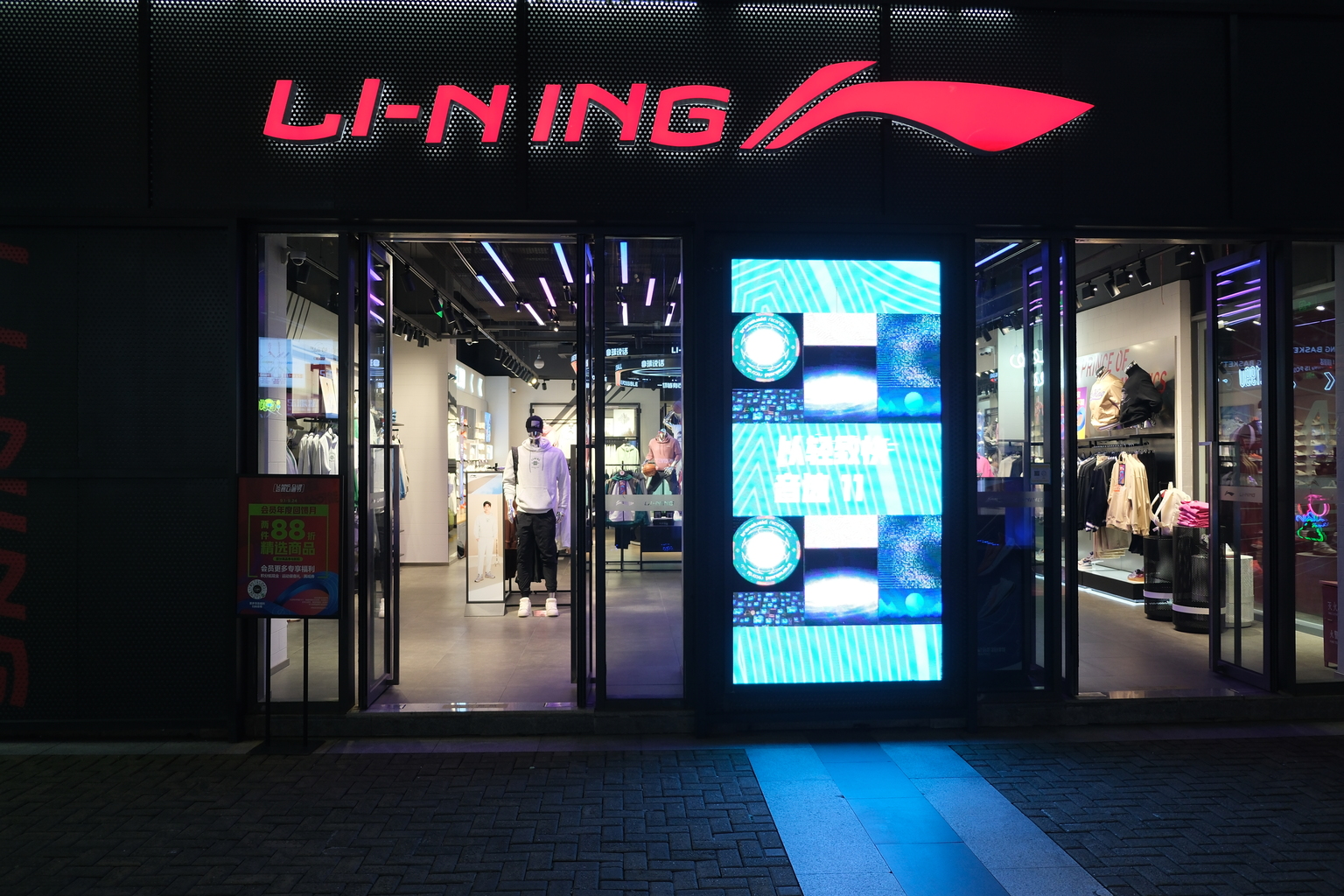
Stephen Curry Signs Long-Term Deal with Li Ning
- Brand Partnership Impact: NBA star Stephen Curry has signed a long-term shoe and apparel deal with Chinese sportswear brand Li Ning, which could disrupt the basketball shoe market for Nike and Adidas in China, while also affecting brands like Under Armour and Skechers.
- Market Expansion Potential: The partnership will focus on developing professional sports equipment across multiple categories, expected to help both the Curry brand and Li Ning expand globally in basketball, golf, and lifestyle sportswear, enhancing their market competitiveness.
- Athlete Perspective: Curry emphasized that Li Ning approaches its business from an athlete's perspective, aiming to inspire the next generation through high-quality and innovative products, highlighting that their collaboration will foster mutual growth for both brands.
- End of Historical Partnership: The 12-year association between Curry and Under Armour concluded at the end of 2025, and this new collaboration with Li Ning marks a significant shift in his career, potentially altering his positioning in the sports equipment market.

AT&T Faces Crisis in Finding Skilled Blue-Collar Workers


- Shortage of Blue-Collar Workers: AT&T CEO John Stankey highlighted the urgent need for skilled blue-collar workers knowledgeable in electricity and photonics, as the job prospects for college graduates diminish in the AI era, creating a recruitment challenge for the company.
- Investment and Hiring Plans: AT&T plans to invest $250 billion over the next five years, with approximately 15% allocated for hiring and training blue-collar technicians to meet the surging demand from AI data centers and increased network usage, indicating a strategic pivot towards blue-collar labor.
- Shifts in Industry Trends: The rise of AI poses a threat to many traditional white-collar jobs, leading to a slowdown in employment growth for new graduates, particularly in marketing, legal, and IT sectors, reflecting significant changes in the economic landscape.
- Salary and Benefits Competition: To attract skilled technicians, AT&T offers sign-on and retention bonuses of up to $10,000, with entry-level wages ranging from $18.18 to $31.45 per hour, showcasing the intense competition in recruiting blue-collar workers.
Wall Street's Latest Ratings Overview

- Nvidia's Positive Outlook: Oppenheimer reiterates Nvidia as an outperform, projecting CY26 free cash flow to approach $200 billion, and if half is allocated for dividends, the yield could reach nearly 2.5%, which would bolster investor confidence and drive stock price appreciation.
- Apple's Strong Ecosystem: Daiwa raises Apple's price target from $310 to $325, emphasizing its vast ecosystem as a core strength, while acknowledging potential memory management challenges in 2H CY26, the long-term outlook remains favorable for this core holding.
- Positive Outlook for Housing Platform: UBS upgrades KE Holdings to buy from neutral, citing significant upside due to its agency business in tier 1 cities, particularly as the market recovery is led by the secondary market, positioning the company for strong performance.
- Wendy's Potential Privatization: Argus upgrades Wendy's to buy from neutral, driven by news of a potential move to take the restaurant chain private, with Trian Fund Management owning about 40% of the stock, indicating strong market confidence in this strategic shift.

Under Armour Q4 Fiscal 2026 Earnings Call Insights
- Revenue Decline: Under Armour reported a 4% decline in Q4 fiscal 2026 revenue to $5 billion, primarily due to a 3% drop in wholesale revenue, despite a 5% increase in direct-to-consumer sales, reflecting consumer uncertainty and market pressures.
- Margin Pressure: The gross margin for Q4 decreased by 470 basis points year-over-year to 42%, with adjusted gross margin down 360 basis points to 43.1%, indicating significant external cost impacts, particularly from U.S. tariffs contributing 260 basis points of pressure.
- Future Outlook: Management anticipates a slight revenue decline in fiscal 2027, primarily due to the exit of the Curry brand, although gross margin is expected to expand by 220 to 270 basis points, reflecting strategic adjustments in product focus and brand value enhancement.
- Restructuring Plan: Under Armour is implementing a restructuring plan with an estimated total cost of approximately $305 million, expected to be substantially complete by December 31, aimed at enhancing operational efficiency through SKU reduction and a focus on premium products, despite ongoing market challenges.
Analysis of Short Interest in Consumer Discretionary Stocks
- Concentration of Short Interest: As of the end of June, furniture retailer RH led the consumer discretionary sector with a short interest of 28.02%, indicating market pessimism about its future performance, which could impact its stock price stability.
- Low Short Interest: MINISO Group's short interest stood at just 0.70%, ranking among the lowest in the consumer sector, suggesting a positive market outlook for its growth and potentially attracting more investor interest.
- Sector Performance Discrepancy: The Consumer Discretionary Select Sector SPDR Fund (XLY) has declined by 1.39% year-to-date, contrasting sharply with the S&P 500's 9.6% rise, highlighting the challenges faced by the consumer sector compared to the overall market strength.
- Short Positioning Trends: While companies like RH and Kohl's exhibit high short interest, larger firms such as Amazon maintain a low short interest of 0.92%, reflecting stronger market confidence in large-cap companies, which may influence investor strategy decisions.
Prada Unveils Astronaut Inner Layer Garment
- Astronaut Garment Launch: Italian luxury brand Prada has unveiled an inner-layer garment for NASA astronauts in collaboration with Axiom Space, marking its significant entry into the space industry aimed at attracting affluent consumers considering space travel.
- Technological Innovation: The new garment features knitted ventilation tubes, enhancing astronaut comfort and functionality in space, showcasing Prada's capability in merging high fashion with technology.
- Market Strategy: Prada's space suit initiative aligns with NASA's Artemis 3 and Artemis 4 missions, set to launch in 2027 and 2028 respectively, further elevating the brand's avant-garde image and market influence.
- Industry Trend: Amid challenges in the luxury goods sector, Prada's partnership in space exploration not only demonstrates its innovative prowess but may also lead other luxury brands to explore opportunities in the space domain.
Stephen Curry Signs Long-Term Deal with Li Ning
- Brand Partnership Impact: NBA star Stephen Curry has signed a long-term shoe and apparel deal with Chinese sportswear brand Li Ning, which could disrupt the basketball shoe market for Nike and Adidas in China, while also affecting brands like Under Armour and Skechers.
- Market Expansion Potential: The partnership will focus on developing professional sports equipment across multiple categories, expected to help both the Curry brand and Li Ning expand globally in basketball, golf, and lifestyle sportswear, enhancing their market competitiveness.
- Athlete Perspective: Curry emphasized that Li Ning approaches its business from an athlete's perspective, aiming to inspire the next generation through high-quality and innovative products, highlighting that their collaboration will foster mutual growth for both brands.
- End of Historical Partnership: The 12-year association between Curry and Under Armour concluded at the end of 2025, and this new collaboration with Li Ning marks a significant shift in his career, potentially altering his positioning in the sports equipment market.
AT&T Faces Crisis in Finding Skilled Blue-Collar Workers
- Shortage of Blue-Collar Workers: AT&T CEO John Stankey highlighted the urgent need for skilled blue-collar workers knowledgeable in electricity and photonics, as the job prospects for college graduates diminish in the AI era, creating a recruitment challenge for the company.
- Investment and Hiring Plans: AT&T plans to invest $250 billion over the next five years, with approximately 15% allocated for hiring and training blue-collar technicians to meet the surging demand from AI data centers and increased network usage, indicating a strategic pivot towards blue-collar labor.
- Shifts in Industry Trends: The rise of AI poses a threat to many traditional white-collar jobs, leading to a slowdown in employment growth for new graduates, particularly in marketing, legal, and IT sectors, reflecting significant changes in the economic landscape.
- Salary and Benefits Competition: To attract skilled technicians, AT&T offers sign-on and retention bonuses of up to $10,000, with entry-level wages ranging from $18.18 to $31.45 per hour, showcasing the intense competition in recruiting blue-collar workers.
Wall Street's Latest Ratings Overview
- Nvidia's Positive Outlook: Oppenheimer reiterates Nvidia as an outperform, projecting CY26 free cash flow to approach $200 billion, and if half is allocated for dividends, the yield could reach nearly 2.5%, which would bolster investor confidence and drive stock price appreciation.
- Apple's Strong Ecosystem: Daiwa raises Apple's price target from $310 to $325, emphasizing its vast ecosystem as a core strength, while acknowledging potential memory management challenges in 2H CY26, the long-term outlook remains favorable for this core holding.
- Positive Outlook for Housing Platform: UBS upgrades KE Holdings to buy from neutral, citing significant upside due to its agency business in tier 1 cities, particularly as the market recovery is led by the secondary market, positioning the company for strong performance.
- Wendy's Potential Privatization: Argus upgrades Wendy's to buy from neutral, driven by news of a potential move to take the restaurant chain private, with Trian Fund Management owning about 40% of the stock, indicating strong market confidence in this strategic shift.
Under Armour Q4 Fiscal 2026 Earnings Call Insights
- Revenue Decline: Under Armour reported a 4% decline in Q4 fiscal 2026 revenue to $5 billion, primarily due to a 3% drop in wholesale revenue, despite a 5% increase in direct-to-consumer sales, reflecting consumer uncertainty and market pressures.
- Margin Pressure: The gross margin for Q4 decreased by 470 basis points year-over-year to 42%, with adjusted gross margin down 360 basis points to 43.1%, indicating significant external cost impacts, particularly from U.S. tariffs contributing 260 basis points of pressure.
- Future Outlook: Management anticipates a slight revenue decline in fiscal 2027, primarily due to the exit of the Curry brand, although gross margin is expected to expand by 220 to 270 basis points, reflecting strategic adjustments in product focus and brand value enhancement.
- Restructuring Plan: Under Armour is implementing a restructuring plan with an estimated total cost of approximately $305 million, expected to be substantially complete by December 31, aimed at enhancing operational efficiency through SKU reduction and a focus on premium products, despite ongoing market challenges.