Private Credit Market Faces Growing Liquidity Crisis
Written by Emily J. Thompson, Senior Investment Analyst
Updated: Mar 17 2026
0mins


Source: CNBC
- Surge in Redemption Requests: Recent redemption requests in private credit have surged to 14%, prompting Cliffwater to limit withdrawals from its flagship Cliffwater Corporate Lending Fund, indicating a strong demand for liquidity that could lead to a broader liquidity crisis.
- Active Secondary Market: Saba Capital, in collaboration with Cox Capital Partners, is launching tender offers to buy 6.9% of shares in Blue Owl Capital Corporation II at $3.80 per share in cash, highlighting the secondary market as a crucial avenue for investors seeking liquidity, although concerns remain about the market's capacity to handle large-scale redemptions.
- Necessity of Liquidity Restrictions: Chris Kotowski from Oppenheimer emphasizes that liquidity limitations in private credit funds are designed to achieve total return over time, and despite the market's lack of understanding of these structures, historically, these firms have shown resilience during downturns, indicating their strength.
- Rising Default Rate Risks: Industry experts warn that default rates in private credit could double in the coming years, with Morgan Stanley analysts suggesting defaults may reach 8%, reflecting growing concerns over loan quality, particularly as AI disrupts software companies.
Trade with 70% Backtested Accuracy
Stop guessing "Should I Buy OWL?" and start using high-conviction signals backed by rigorous historical data.
Sign up today to access powerful investing tools and make smarter, data-driven decisions.
Analyst Views on OWL
Wall Street analysts forecast OWL stock price to rise
15 Analyst Rating
12 Buy
3 Hold
0 Sell
Strong Buy
Current: 10.350

Low
18.00
Averages
21.13
High
28.00
Current: 10.350
Low
18.00
Averages
21.13
High
28.00
About OWL
Blue Owl Capital Inc. is an alternative asset management company. The Company deploys private capital across Credit, GP Strategic Capital and Real Estate platforms on behalf of institutional and private wealth clients. Its product platforms include Credit, GP Strategic Capital and Real Estate. Its credit products offer private financing solutions primarily to upper-middle-market companies. Its credit products are offered through a mix of business development companies, long-dated private funds, managed accounts and collateralized loan obligations. It is focused on acquiring equity stakes in or providing debt financing to private capital firms. Its Real Estate products are focused on acquiring triple net lease real estate occupied by investment-grade or creditworthy tenants. Its Real Estate products are offered through Permanent Capital vehicles, including its real estate investment trusts, and long-dated private funds. It offers asset management services to the insurance industry.
About the author

Emily J. Thompson
Emily J. Thompson, a Chartered Financial Analyst (CFA) with 12 years in investment research, graduated with honors from the Wharton School. Specializing in industrial and technology stocks, she provides in-depth analysis for Intellectia’s earnings and market brief reports.
Federal Reserve: Private Credit Risks Manageable

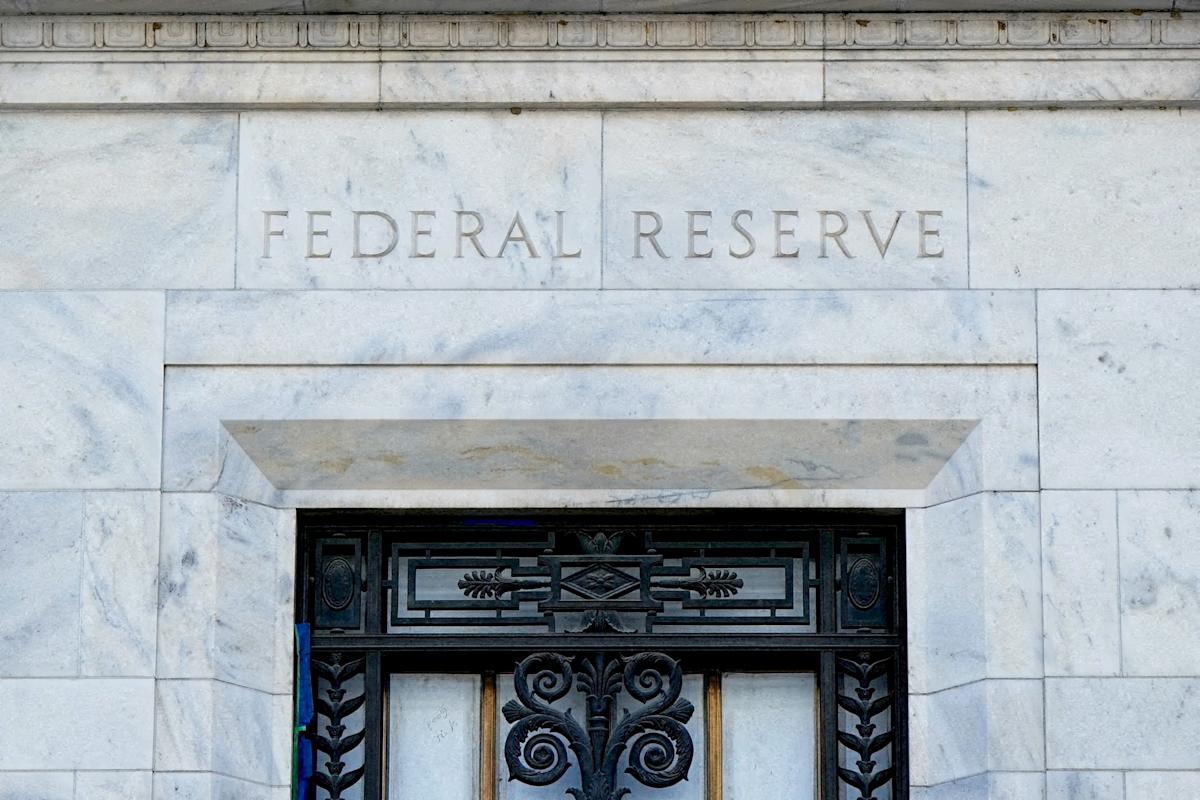
- Financial System Risk Assessment: The Federal Reserve's latest report indicates that risks from private credit to the financial system are 'limited and manageable,' although credit availability for higher-risk borrowers may decrease due to redemptions and negative sentiment, impacting their financing costs and accessibility.
- Redemption Wave Impact: Following the cancellation of a merger by private credit lender Blue Owl Capital, investors have rushed to redeem their investments, heightening market concerns, particularly regarding the potential disruption of traditional software business models, which could lead to a surge in defaults among previously safe companies.
- Liquidity Risk Warning: The report highlights that some open-end bond and loan mutual funds face 'liquidity transformation risks' that could trigger asset fire sales during market downturns, even as overall loan default rates remain relatively low, demonstrating market resilience.
- Insurance Company Investment Trends: Over the past decade, life insurers have steadily increased their investments in risky and illiquid assets, contributing to the expansion of private credit, although the Fed notes that banks continue to increase loan commitments and outstanding amounts to private credit funds, reflecting normal risk management practices.
See More

Blue Owl Reduces Software Investment Exposure Amid AI Uncertainty

- Decline in Software Assets: Blue Owl's CEO Craig Packer reported that the share of software assets in the portfolio decreased from 19% to 16% in Q1, primarily due to borrower repayments, indicating a cautious stance towards the software sector amid AI uncertainties.
- Dividend Cut: OBDC reduced its dividend from 36 cents to 31 cents per share, reflecting a conservative financial strategy in light of a 2.7% decline in overall asset value to $14.41 per share, as the company navigates market volatility.
- Weak Market Performance: Although Blue Owl's stock has begun to recover from lows in March and April, it remains down 30% year-to-date, highlighting investor concerns regarding the private credit sector, particularly in the context of high valuations.
- Stock Buybacks: OBDC and Blue Owl Technology Finance Corp repurchased a combined $85 million in stock during Q1, demonstrating the company's commitment to enhancing shareholder value, despite a 7.1% decline in its stock price this year.
See More
Blue Owl's Private Credit Fund OBDC to Remain "Very Cautious" in Software Investments, According to Fund President
- Cautious Approach: The private credit fund OBDC will continue to exercise caution in the software sector.
- Leadership Insight: The fund president emphasizes the importance of being "very cautious" in their investment strategies.
See More
BLUE OWL CAPITAL STOCK FALLS 3.2% IN PREMARKET TRADING FOLLOWING DIVIDEND CUT (UPDATED WITH CORRECT RIC AND EXPLANATION)
- Market Reaction: Blue Owl Capital shares fell by 3.2% in pre-market trading following the announcement of a dividend cut.
- Dividend Adjustment: The company clarified the reasons behind the decision to reduce the dividend, indicating a strategic financial move.
See More
BLUE OWL CAPITAL STOCK FALLS 3.2% IN PREMARKET TRADING FOLLOWING DIVIDEND CUTS BY TWO PRIVATE CREDIT FUNDS
Market Performance: Blue Owl Capital shares have decreased by 3.2% in pre-market trading.
Dividend Cuts: The decline follows the company's decision to cut dividends for two of its private credit funds.
See More
Blue Owl Capital Cuts Dividend Amid Rising Borrowing Costs
- Dividend Cut: Blue Owl Capital announced a reduction in its dividend from 0.36 cents to 0.31 cents per share, reflecting a decrease in net asset value per share in the first quarter, indicating financial pressure on the company.
- Decline in Asset Value: The company reported a decrease in net asset value per share in its first-quarter filing, primarily attributed to rising borrowing costs in debt markets, which could impact its future investment capacity and returns.
- Market Environment Impact: As borrowing costs rise, Blue Owl Capital may need to adjust its investment strategy to navigate the changing market landscape, ensuring long-term financial stability.
- Investor Confidence Challenge: The dividend cut may negatively affect investor confidence, particularly among those seeking stable income, potentially leading to stock price volatility and capital outflows.
See More
Federal Reserve: Private Credit Risks Manageable
- Financial System Risk Assessment: The Federal Reserve's latest report indicates that risks from private credit to the financial system are 'limited and manageable,' although credit availability for higher-risk borrowers may decrease due to redemptions and negative sentiment, impacting their financing costs and accessibility.
- Redemption Wave Impact: Following the cancellation of a merger by private credit lender Blue Owl Capital, investors have rushed to redeem their investments, heightening market concerns, particularly regarding the potential disruption of traditional software business models, which could lead to a surge in defaults among previously safe companies.
- Liquidity Risk Warning: The report highlights that some open-end bond and loan mutual funds face 'liquidity transformation risks' that could trigger asset fire sales during market downturns, even as overall loan default rates remain relatively low, demonstrating market resilience.
- Insurance Company Investment Trends: Over the past decade, life insurers have steadily increased their investments in risky and illiquid assets, contributing to the expansion of private credit, although the Fed notes that banks continue to increase loan commitments and outstanding amounts to private credit funds, reflecting normal risk management practices.
See More
Blue Owl Reduces Software Investment Exposure Amid AI Uncertainty
- Decline in Software Assets: Blue Owl's CEO Craig Packer reported that the share of software assets in the portfolio decreased from 19% to 16% in Q1, primarily due to borrower repayments, indicating a cautious stance towards the software sector amid AI uncertainties.
- Dividend Cut: OBDC reduced its dividend from 36 cents to 31 cents per share, reflecting a conservative financial strategy in light of a 2.7% decline in overall asset value to $14.41 per share, as the company navigates market volatility.
- Weak Market Performance: Although Blue Owl's stock has begun to recover from lows in March and April, it remains down 30% year-to-date, highlighting investor concerns regarding the private credit sector, particularly in the context of high valuations.
- Stock Buybacks: OBDC and Blue Owl Technology Finance Corp repurchased a combined $85 million in stock during Q1, demonstrating the company's commitment to enhancing shareholder value, despite a 7.1% decline in its stock price this year.
See More
Blue Owl's Private Credit Fund OBDC to Remain "Very Cautious" in Software Investments, According to Fund President
- Cautious Approach: The private credit fund OBDC will continue to exercise caution in the software sector.
- Leadership Insight: The fund president emphasizes the importance of being "very cautious" in their investment strategies.
See More
BLUE OWL CAPITAL STOCK FALLS 3.2% IN PREMARKET TRADING FOLLOWING DIVIDEND CUT (UPDATED WITH CORRECT RIC AND EXPLANATION)
- Market Reaction: Blue Owl Capital shares fell by 3.2% in pre-market trading following the announcement of a dividend cut.
- Dividend Adjustment: The company clarified the reasons behind the decision to reduce the dividend, indicating a strategic financial move.
See More
BLUE OWL CAPITAL STOCK FALLS 3.2% IN PREMARKET TRADING FOLLOWING DIVIDEND CUTS BY TWO PRIVATE CREDIT FUNDS
Market Performance: Blue Owl Capital shares have decreased by 3.2% in pre-market trading.
Dividend Cuts: The decline follows the company's decision to cut dividends for two of its private credit funds.
See More
Blue Owl Capital Cuts Dividend Amid Rising Borrowing Costs
- Dividend Cut: Blue Owl Capital announced a reduction in its dividend from 0.36 cents to 0.31 cents per share, reflecting a decrease in net asset value per share in the first quarter, indicating financial pressure on the company.
- Decline in Asset Value: The company reported a decrease in net asset value per share in its first-quarter filing, primarily attributed to rising borrowing costs in debt markets, which could impact its future investment capacity and returns.
- Market Environment Impact: As borrowing costs rise, Blue Owl Capital may need to adjust its investment strategy to navigate the changing market landscape, ensuring long-term financial stability.
- Investor Confidence Challenge: The dividend cut may negatively affect investor confidence, particularly among those seeking stable income, potentially leading to stock price volatility and capital outflows.
See More