PepsiCo Becomes Official Beverage Supplier for VENU's Sunset Amphitheater Portfolio
Written by Emily J. Thompson, Senior Investment Analyst
Updated: Mar 18 2026
0mins

Source: Newsfilter
- Strategic Partnership: PepsiCo has partnered with VENU to become the official beverage supplier for its expanding Sunset Amphitheater portfolio, marking a shared vision to enhance customer experiences and expected to drive VENU's nationwide expansion.
- Brand Impact Enhancement: PepsiCo's beverage portfolio will be available at Sunset Amphitheaters in Broken Arrow, McKinney, Houston, and El Paso, leveraging its brand recognition in over 200 countries to enhance VENU's customer appeal and market competitiveness.
- Customer Experience Optimization: By offering a diverse range of beverages including soft drinks, sports drinks, and ready-to-drink coffee, PepsiCo will elevate VENU's hospitality service quality, thereby creating a higher level of entertainment experience for guests and further solidifying its position in the premium entertainment market.
- Future Development Potential: This partnership not only attracts PepsiCo but also support from other well-known brands, showcasing VENU's strong potential in the future high-end entertainment and hospitality experience sector, reinforcing its leadership position in the industry.
Trade with 70% Backtested Accuracy
Stop guessing "Should I Buy PEP?" and start using high-conviction signals backed by rigorous historical data.
Sign up today to access powerful investing tools and make smarter, data-driven decisions.
Analyst Views on PEP
Wall Street analysts forecast PEP stock price to rise
12 Analyst Rating
6 Buy
6 Hold
0 Sell
Moderate Buy
Current: 144.320

Low
144.00
Averages
161.90
High
172.00
Current: 144.320
Low
144.00
Averages
161.90
High
172.00
About PEP
PepsiCo, Inc. is a global beverage and convenient food company. The Company’s segments include PepsiCo Foods North America (PFNA), PepsiCo Beverages North America (PBNA), International Beverages Franchise (IB Franchise), Europe, Middle East and Africa (EMEA), Latin America Foods (LatAm Foods), and Asia Pacific Foods. PFNA segment includes all of its convenient food businesses in the United States and Canada. PBNA segment includes all of its beverage businesses in the United States and Canada. IB Franchise segment includes its international franchise beverage businesses, as well as its SodaStream business. EMEA segment includes its convenient food businesses and beverage businesses with Company-owned bottlers in Europe, the Middle East and Africa. LatAm Foods segment includes all of its convenient food businesses in Latin America. Asia Pacific Foods segment consists of its convenient food businesses in Asia Pacific, including China, Australia and New Zealand, as well as India.
About the author

Emily J. Thompson
Emily J. Thompson, a Chartered Financial Analyst (CFA) with 12 years in investment research, graduated with honors from the Wharton School. Specializing in industrial and technology stocks, she provides in-depth analysis for Intellectia’s earnings and market brief reports.

PepsiCo Options Volume Surges Significantly


- Options Volume Overview: As of now, PepsiCo (PEP) has seen an options trading volume of 40,390 contracts, equating to approximately 4.0 million shares, which represents a significant 50.3% of its average daily trading volume over the past month.
- High Strike Interest: Notably, the $150 strike call option expiring on June 12, 2026, has garnered attention with 26,190 contracts traded, representing about 2.6 million underlying shares, indicating strong market interest at this price point.
- Applied Digital Activity: In comparison, Applied Digital Corporation (APLD) has experienced even higher options trading volume at 103,704 contracts, translating to around 10.4 million shares, which is approximately 49.6% of its average daily trading volume over the past month.
- Strike Price Insights: The $45 strike call option for APLD also shows robust activity with 6,765 contracts traded, representing about 676,500 underlying shares, reflecting investor optimism regarding the company's future performance.
See More

Beyond Meat's Strategic Shift to Protein Drinks Amid Financial Struggles


- Sales Decline: Beyond Meat reported a net revenue of $275 million in 2025, reflecting a 16% year-over-year drop, indicating waning consumer interest in its plant-based meat products, which has severely impacted market confidence and investor sentiment.
- Increased Operating Losses: The company's operating losses surged to $333 million in 2025, more than doubling from 2024, as the cost of goods sold nearly matched revenue, highlighting ongoing profitability challenges that necessitated a strategic pivot.
- New Product Launch: In response to these challenges, Beyond Meat launched its Beyond Immerse protein drink line in January 2026, entering a $35 billion market projected to grow at a 9.4% CAGR; however, the company's lack of commitment to this product line raises doubts about its potential to regain investor confidence.
- Poor Financial Performance: In Q1 2026, Beyond Meat's net revenue fell to $58 million, down 15% year-over-year, and while losses improved, the absence of any signs of financial recovery suggests that investors should remain cautious about the company's future performance.
See More
Beyond Meat Launches Limited-Time Protein Drink Line
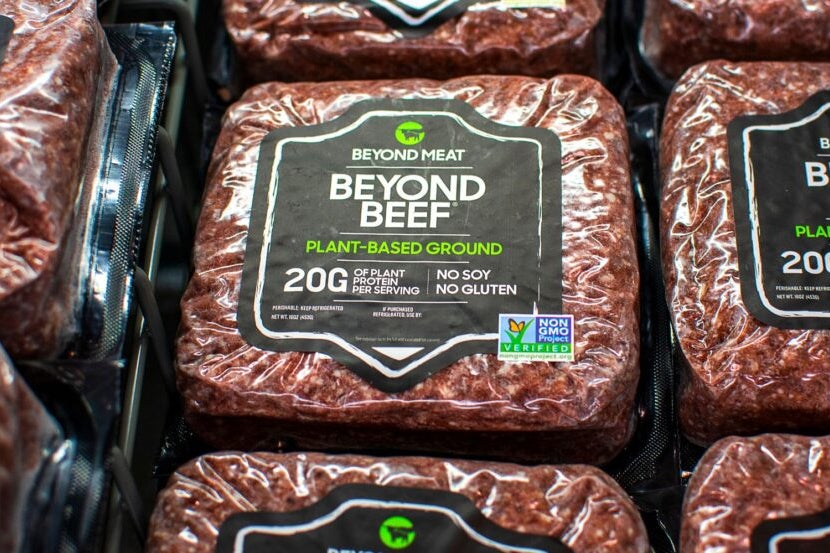
- Market Challenges: According to research data, the protein drink industry is growing at high single-digit levels, while Beyond Meat's net revenue fell to $275 million in 2025, down 16% year-over-year, indicating a decline in consumer interest in its plant-based meat products and resulting in severe financial challenges for the company.
- Product Launch: Beyond Meat launched its Beyond Immerse line of protein drinks in January 2026, and although the market is projected to reach $35 billion with a 9.4% CAGR through 2032, the product's limited-time offering has failed to boost investor confidence significantly.
- Deteriorating Financials: In Q1 2026, Beyond Meat reported net revenue of $58 million, a 15% year-over-year decline, and while losses improved from $61 million to $28 million, the company has yet to show signs of financial recovery, reflecting its vulnerable position in a competitive beverage market.
- Bleak Investment Outlook: Competing against industry giants like PepsiCo and Coca-Cola, Beyond Meat's protein drinks have not proven to be the turnaround catalyst needed for its stock, leading investors to approach the stock with caution unless the products gain traction and demonstrate sales growth.
See More

Mammoth Brands Takes on Traditional CPG Giants
- Significant Revenue Growth: Mammoth Brands anticipates reaching $835 million in revenue for 2024, with nearly $100 million in adjusted EBITDA, reflecting a robust compound annual growth rate exceeding 20%, indicating the success of its business model and increasing market acceptance.
- IPO Plans Emerging: The company is considering an initial public offering in the second half of 2024, aiming to attract a broader investor base and enhance its capital structure to support brand investments and market expansion, showcasing confidence in its future growth.
- Ongoing Acquisition Strategy: In 2025, Mammoth acquired the premium diaper brand Coterie for over $1 billion, with Coterie reporting over $200 million in net revenue over the past year, a nearly 60% increase, highlighting Mammoth's proactive approach to expanding its product lines and market share.
- Intensifying Market Competition: As smaller brands rise, traditional CPG giants face unprecedented challenges, with Mammoth redefining consumer expectations in personal care through its direct-to-consumer model and innovative products, driving industry transformation.
See More
Sales Outlook for Home Depot and PepsiCo
- Home Depot's Market Dominance: Home Depot generated $164.7 billion in sales in the latest fiscal year, nearly double that of its nearest competitor Lowe's at $86.3 billion, establishing a strong position in the home improvement retail market, although recent sales growth has slowed due to high interest rates and inflation.
- Acquisition Expansion Strategy: Home Depot plans to acquire SRS Distribution for $18.3 billion in 2024, followed by a $5.5 billion purchase of GMS, demonstrating its focus on the professional market and aiming to enhance market share through expanded service offerings.
- PepsiCo's Pricing Strategy: PepsiCo's selective price reductions have led to a 2.6% year-over-year sales increase in the first quarter, indicating that management's strategy effectively boosted consumer purchasing willingness, showcasing the company's adaptability under economic pressures.
- Attractive Investment Opportunity: Home Depot's P/E ratio has decreased from 25 to 22, slightly below its 10-year average of 23, combined with its strong market position, making it an appealing choice for long-term investors despite facing short-term volatility.
See More
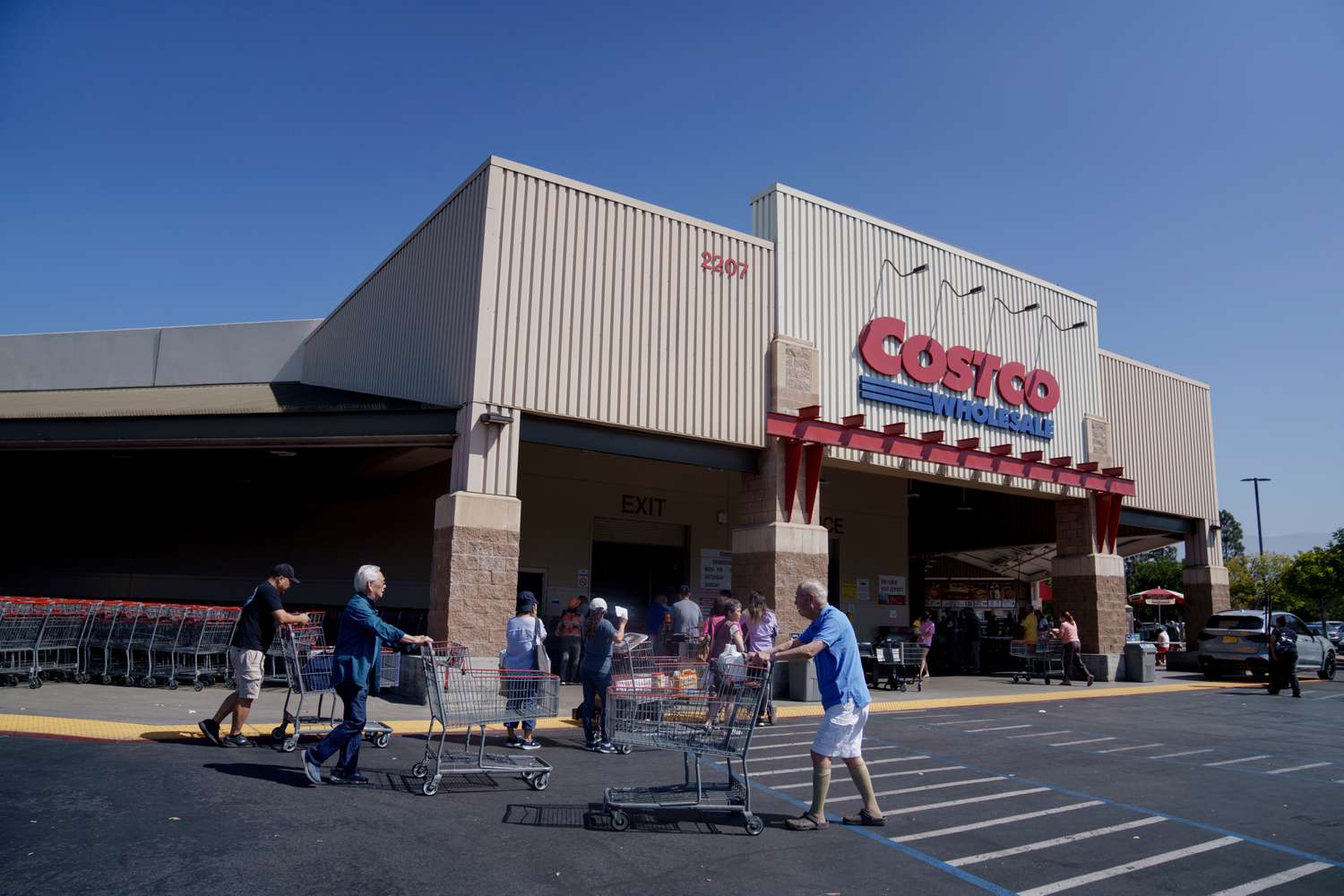
Investment Potential of Home Depot and PepsiCo
- Home Depot's Market Dominance: Home Depot generated $164.7 billion in sales in the latest fiscal year, nearly double that of its closest competitor Lowe's, showcasing its dominance in the home improvement retail sector; despite sluggish sales growth due to high interest rates and inflation, its strong market position and attractive valuation make it an ideal choice for long-term investors.
- Acquisition Strategy: Home Depot's acquisition of SRS Distribution for $18.3 billion in 2024, followed by a $5.5 billion purchase of GMS, further solidifies its penetration into the professional customer market, which is expected to drive future sales growth.
- PepsiCo's Sales Growth: PepsiCo's first-quarter adjusted sales grew 2.6% year-over-year; despite facing consumer spending pressures, the company's selective price reduction strategy successfully stimulated demand, indicating effective management responses.
- Attractive Valuation: PepsiCo's P/E ratio stands at 22, up from last year, yet still below its long-term historical average of 26; combined with strong brand power and pricing strategies, the stock is poised to deliver substantial returns for long-term shareholders.
See More
PepsiCo Options Volume Surges Significantly
- Options Volume Overview: As of now, PepsiCo (PEP) has seen an options trading volume of 40,390 contracts, equating to approximately 4.0 million shares, which represents a significant 50.3% of its average daily trading volume over the past month.
- High Strike Interest: Notably, the $150 strike call option expiring on June 12, 2026, has garnered attention with 26,190 contracts traded, representing about 2.6 million underlying shares, indicating strong market interest at this price point.
- Applied Digital Activity: In comparison, Applied Digital Corporation (APLD) has experienced even higher options trading volume at 103,704 contracts, translating to around 10.4 million shares, which is approximately 49.6% of its average daily trading volume over the past month.
- Strike Price Insights: The $45 strike call option for APLD also shows robust activity with 6,765 contracts traded, representing about 676,500 underlying shares, reflecting investor optimism regarding the company's future performance.
See More
Beyond Meat's Strategic Shift to Protein Drinks Amid Financial Struggles
- Sales Decline: Beyond Meat reported a net revenue of $275 million in 2025, reflecting a 16% year-over-year drop, indicating waning consumer interest in its plant-based meat products, which has severely impacted market confidence and investor sentiment.
- Increased Operating Losses: The company's operating losses surged to $333 million in 2025, more than doubling from 2024, as the cost of goods sold nearly matched revenue, highlighting ongoing profitability challenges that necessitated a strategic pivot.
- New Product Launch: In response to these challenges, Beyond Meat launched its Beyond Immerse protein drink line in January 2026, entering a $35 billion market projected to grow at a 9.4% CAGR; however, the company's lack of commitment to this product line raises doubts about its potential to regain investor confidence.
- Poor Financial Performance: In Q1 2026, Beyond Meat's net revenue fell to $58 million, down 15% year-over-year, and while losses improved, the absence of any signs of financial recovery suggests that investors should remain cautious about the company's future performance.
See More
Beyond Meat Launches Limited-Time Protein Drink Line
- Market Challenges: According to research data, the protein drink industry is growing at high single-digit levels, while Beyond Meat's net revenue fell to $275 million in 2025, down 16% year-over-year, indicating a decline in consumer interest in its plant-based meat products and resulting in severe financial challenges for the company.
- Product Launch: Beyond Meat launched its Beyond Immerse line of protein drinks in January 2026, and although the market is projected to reach $35 billion with a 9.4% CAGR through 2032, the product's limited-time offering has failed to boost investor confidence significantly.
- Deteriorating Financials: In Q1 2026, Beyond Meat reported net revenue of $58 million, a 15% year-over-year decline, and while losses improved from $61 million to $28 million, the company has yet to show signs of financial recovery, reflecting its vulnerable position in a competitive beverage market.
- Bleak Investment Outlook: Competing against industry giants like PepsiCo and Coca-Cola, Beyond Meat's protein drinks have not proven to be the turnaround catalyst needed for its stock, leading investors to approach the stock with caution unless the products gain traction and demonstrate sales growth.
See More
Mammoth Brands Takes on Traditional CPG Giants
- Significant Revenue Growth: Mammoth Brands anticipates reaching $835 million in revenue for 2024, with nearly $100 million in adjusted EBITDA, reflecting a robust compound annual growth rate exceeding 20%, indicating the success of its business model and increasing market acceptance.
- IPO Plans Emerging: The company is considering an initial public offering in the second half of 2024, aiming to attract a broader investor base and enhance its capital structure to support brand investments and market expansion, showcasing confidence in its future growth.
- Ongoing Acquisition Strategy: In 2025, Mammoth acquired the premium diaper brand Coterie for over $1 billion, with Coterie reporting over $200 million in net revenue over the past year, a nearly 60% increase, highlighting Mammoth's proactive approach to expanding its product lines and market share.
- Intensifying Market Competition: As smaller brands rise, traditional CPG giants face unprecedented challenges, with Mammoth redefining consumer expectations in personal care through its direct-to-consumer model and innovative products, driving industry transformation.
See More
Sales Outlook for Home Depot and PepsiCo
- Home Depot's Market Dominance: Home Depot generated $164.7 billion in sales in the latest fiscal year, nearly double that of its nearest competitor Lowe's at $86.3 billion, establishing a strong position in the home improvement retail market, although recent sales growth has slowed due to high interest rates and inflation.
- Acquisition Expansion Strategy: Home Depot plans to acquire SRS Distribution for $18.3 billion in 2024, followed by a $5.5 billion purchase of GMS, demonstrating its focus on the professional market and aiming to enhance market share through expanded service offerings.
- PepsiCo's Pricing Strategy: PepsiCo's selective price reductions have led to a 2.6% year-over-year sales increase in the first quarter, indicating that management's strategy effectively boosted consumer purchasing willingness, showcasing the company's adaptability under economic pressures.
- Attractive Investment Opportunity: Home Depot's P/E ratio has decreased from 25 to 22, slightly below its 10-year average of 23, combined with its strong market position, making it an appealing choice for long-term investors despite facing short-term volatility.
See More
Investment Potential of Home Depot and PepsiCo
- Home Depot's Market Dominance: Home Depot generated $164.7 billion in sales in the latest fiscal year, nearly double that of its closest competitor Lowe's, showcasing its dominance in the home improvement retail sector; despite sluggish sales growth due to high interest rates and inflation, its strong market position and attractive valuation make it an ideal choice for long-term investors.
- Acquisition Strategy: Home Depot's acquisition of SRS Distribution for $18.3 billion in 2024, followed by a $5.5 billion purchase of GMS, further solidifies its penetration into the professional customer market, which is expected to drive future sales growth.
- PepsiCo's Sales Growth: PepsiCo's first-quarter adjusted sales grew 2.6% year-over-year; despite facing consumer spending pressures, the company's selective price reduction strategy successfully stimulated demand, indicating effective management responses.
- Attractive Valuation: PepsiCo's P/E ratio stands at 22, up from last year, yet still below its long-term historical average of 26; combined with strong brand power and pricing strategies, the stock is poised to deliver substantial returns for long-term shareholders.
See More