Oracle Expands Data Centers Amid AI Contracts
Written by Emily J. Thompson, Senior Investment Analyst
Updated: Mar 17 2026
0mins


Should l Buy ORCL?
Source: NASDAQ.COM
- Data Center Expansion: Oracle is building data centers that rent chips to companies seeking to run AI solutions, with projections indicating cloud infrastructure revenue could reach $158 billion by fiscal year 2030, reflecting strong market demand.
- Partnership with OpenAI: Oracle's performance is heavily reliant on a multi-year contract with OpenAI, which recently raised $110 billion, bolstering Oracle's confidence in future revenues, despite OpenAI's annual revenue being only $20 billion.
- Increased Capital Expenditure: In its fiscal 2026 second-quarter report, Oracle raised its capital expenditure guidance from $35 billion to $50 billion; although negative free cash flow raised investor concerns, strong remaining performance obligations (RPOs) of $553 billion indicate significant future growth potential.
- Positive Market Reaction: Following OpenAI's successful financing, Oracle's stock rebounded, with increased investor confidence in demand for its cloud infrastructure, and projections suggest it will exceed $18 billion in revenue this quarter, aligning with management's guidance.
Trade with 70% Backtested Accuracy
Stop guessing "Should I Buy ORCL?" and start using high-conviction signals backed by rigorous historical data.
Sign up today to access powerful investing tools and make smarter, data-driven decisions.
Analyst Views on ORCL
Wall Street analysts forecast ORCL stock price to rise
34 Analyst Rating
25 Buy
9 Hold
0 Sell
Moderate Buy
Current: 145.230

Low
180.00
Averages
309.59
High
400.00
Current: 145.230
Low
180.00
Averages
309.59
High
400.00
About ORCL
Oracle Corporation offers integrated suites of applications plus secure, autonomous infrastructure in the Oracle Cloud. The Company operates through three businesses: cloud and license, hardware and service. Its cloud and license business is engaged in the sale, marketing and delivery of its enterprise applications and infrastructure technologies through cloud and on-premise deployment models including its cloud services and license support offerings, and its cloud license and on-premise license offerings. Its hardware business provides infrastructure technologies including Oracle Engineered Systems, servers, storage, industry-specific hardware, operating systems, virtualization, management and other hardware-related software to support diverse IT environments. Its services business provides services to customers and partners to help maximize the performance of their investments in Oracle applications and infrastructure technologies.
About the author

Emily J. Thompson
Emily J. Thompson, a Chartered Financial Analyst (CFA) with 12 years in investment research, graduated with honors from the Wharton School. Specializing in industrial and technology stocks, she provides in-depth analysis for Intellectia’s earnings and market brief reports.

Oracle's Future Outlook Remains Positive Amid Stock Decline

- Financial Warning Signs: Oracle's stock has lost over 50% of its value in six months, yet its fiscal Q3 2026 report reveals a massive backlog of $553 billion, indicating significant demand for AI infrastructure development.
- Surge in AI Infrastructure Demand: The company's backlog increased by 325% year-over-year, demonstrating strong market demand for AI infrastructure, with management expecting to comfortably meet and likely exceed revenue growth forecasts for FY27.
- Rising Debt Burden: Despite substantial investments in AI infrastructure, Oracle's long-term debt has surged nearly 50% in less than a year, posing potential risks to financial stability, especially if customer orders are canceled.
- Investor Strategy Shift: Oracle is adjusting its approach by incorporating more pre-funding from customers to manage high infrastructure costs, suggesting that only aggressive investors should consider buying the stock at its current price.
See More

Trump's Hardline Stance on Iran War Intensifies


- Escalating Conflict: Trump's social media post threatens military action against Iran's power plants and bridges if the Strait of Hormuz is not reopened by Tuesday, provoking strong backlash from opposition leaders and civil society groups.
- Surging Oil Prices: The ongoing blockade of the Strait of Hormuz has pushed U.S. crude prices above $114 per barrel on Sunday, highlighting the significant impact of the regional conflict on global energy markets.
- Military Engagement: Iran continues to strike economic and infrastructure targets in neighboring Gulf Arab countries and shot down an American F-15E fighter jet over the weekend, with Trump confirming that the missing service member has been rescued, further escalating tensions.
- Federal Reserve Nomination: Trump's nominee Kevin Warsh is set for a Senate Banking Committee hearing on April 16, despite a separate criminal probe into the Fed, indicating a complex economic policy landscape under the Trump administration.
See More

Paramount in Talks for $24 Billion Investment from Sovereign Funds

- Investment Commitment: Paramount is in discussions to secure nearly $24 billion in equity commitments from three sovereign wealth funds led by Saudi Arabia, reflecting its ambition in media industry consolidation.
- Saudi Fund Participation: The Saudi Public Investment Fund has agreed to provide approximately $10 billion, which not only offers robust financial backing for the acquisition but also enhances Paramount's competitive position in the global media market.
- Diverse Investor Involvement: The deal is expected to include the Qatar Investment Authority and Abu Dhabi's L’imad Holding Co., indicating the increasing significance of Middle Eastern sovereign wealth funds in global media investments, potentially triggering more similar transactions.
- Transaction Completion Imminent: According to sources, the deal is likely to close as soon as Monday, providing essential funding support for Paramount's acquisition plans and potentially altering Warner Bros. Discovery's market position.
See More

Oracle's Stock Plummets 50% Amid AI Infrastructure Backlog
- Stock Price Decline: Oracle's stock has fallen over 50% in just six months, reflecting market concerns about its future, despite a 21% year-over-year increase in adjusted earnings for fiscal Q3 2026.
- Massive Backlog: The company boasts a backlog of $553 billion, up 325% year-over-year, indicating strong demand for AI infrastructure, with management expecting to exceed revenue growth forecasts for FY27.
- Increased Debt Load: Oracle's long-term debt has surged nearly 50% in less than a year, posing significant upfront cost challenges for data center construction, and any customer order cancellations could negatively impact its financial health.
- Investor Strategy Shift: Despite these challenges, Oracle is positioned as a key supplier for AI infrastructure, and aggressive investors may view the current stock decline as an entry point into this respected market.
See More

U.S. Stocks Rise on Strong Jobs Report Amid Geopolitical Tensions

- Strong Jobs Report: The U.S. March jobs report exceeded expectations, propelling the Nasdaq Composite up 4.4%, the S&P 500 by 3.3%, and the Dow Jones by 2.9%, indicating renewed investor confidence in economic recovery.
- Oracle Layoff Plan: Oracle plans to cut 20,000 to 30,000 jobs, potentially generating $8 billion to $10 billion in free cash flow, although restructuring costs may reach $2.1 billion, primarily for severance, reflecting a strategic shift in its cloud market positioning.
- Tesla Delivery Figures: Tesla delivered 358,023 vehicles in Q1, falling short of the 365,000 estimate but marking a 6.2% year-over-year increase, demonstrating strong demand despite challenges from the expiration of EV tax credits.
- Nike Earnings Warning: Nike forecasted a 2% to 4% decline in Q4 sales, missing the consensus estimate of a 1.9% increase, with a significant 20% revenue drop expected in Greater China, highlighting competitive pressures and consumer weakness.
See More
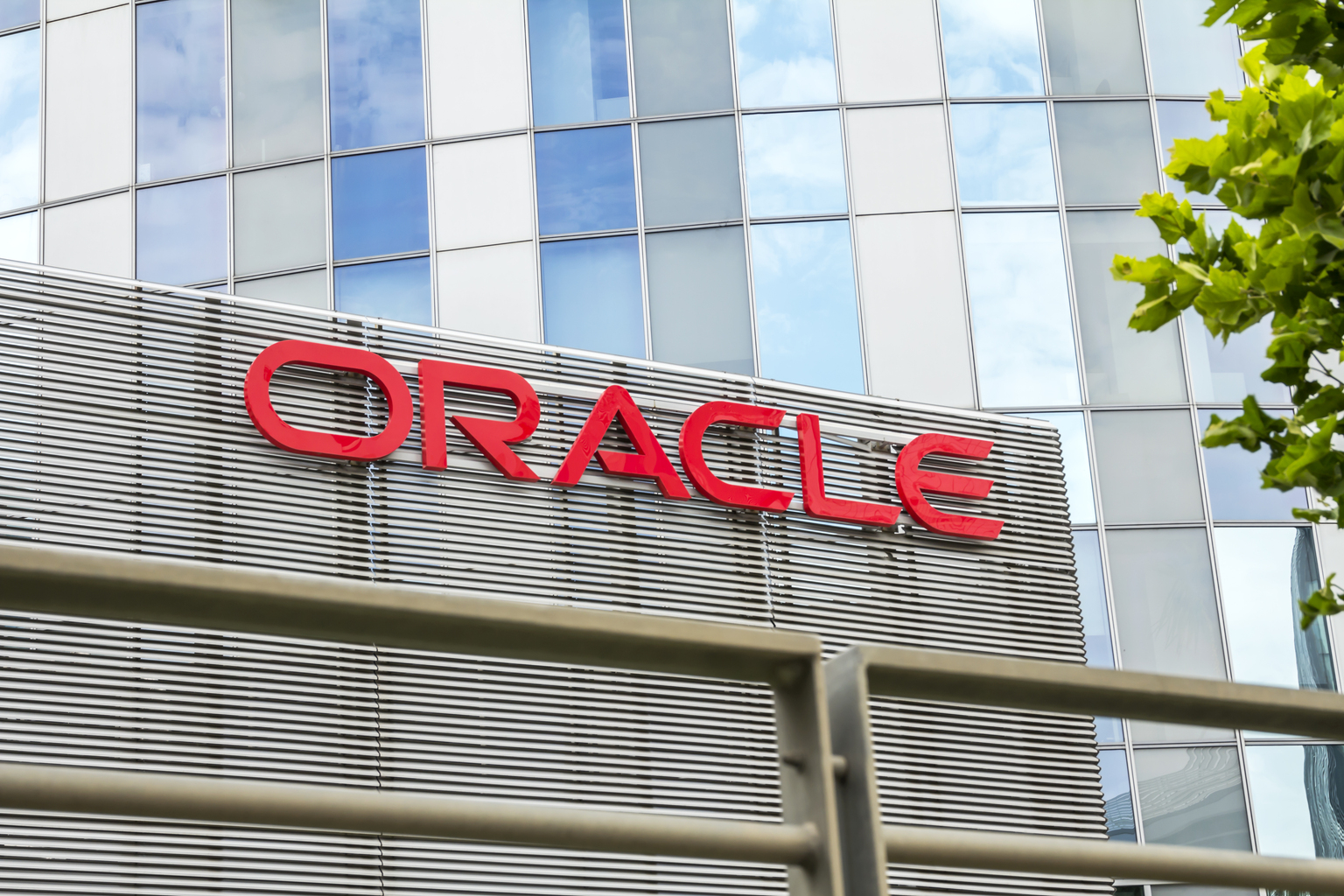
UAE Intercepted Missile Debris Falls on Oracle Building
- Missile Debris Incident: The UAE confirmed on Saturday that debris from an intercepted missile fell on the Oracle building in Dubai, highlighting the impact of the ongoing Middle Eastern conflict on Western tech firms, although no injuries were reported.
- Escalating Iranian Threats: The Iranian Revolutionary Guard Corps recently threatened to target multiple U.S. tech companies operating in the Middle East, including Oracle, indicating a significant escalation in regional tensions.
- Corporate Security Risks: This incident raises security risks for tech companies like Oracle, potentially affecting their operational and investment decisions in the Middle East amid the current geopolitical instability.
- Historical Context: Earlier in March, Iranian drone strikes had already damaged Amazon Web Services (AMZN) data centers in the UAE, causing outages in apps and digital services, underscoring the ongoing security threats.
See More
Oracle's Future Outlook Remains Positive Amid Stock Decline
- Financial Warning Signs: Oracle's stock has lost over 50% of its value in six months, yet its fiscal Q3 2026 report reveals a massive backlog of $553 billion, indicating significant demand for AI infrastructure development.
- Surge in AI Infrastructure Demand: The company's backlog increased by 325% year-over-year, demonstrating strong market demand for AI infrastructure, with management expecting to comfortably meet and likely exceed revenue growth forecasts for FY27.
- Rising Debt Burden: Despite substantial investments in AI infrastructure, Oracle's long-term debt has surged nearly 50% in less than a year, posing potential risks to financial stability, especially if customer orders are canceled.
- Investor Strategy Shift: Oracle is adjusting its approach by incorporating more pre-funding from customers to manage high infrastructure costs, suggesting that only aggressive investors should consider buying the stock at its current price.
See More
Trump's Hardline Stance on Iran War Intensifies
- Escalating Conflict: Trump's social media post threatens military action against Iran's power plants and bridges if the Strait of Hormuz is not reopened by Tuesday, provoking strong backlash from opposition leaders and civil society groups.
- Surging Oil Prices: The ongoing blockade of the Strait of Hormuz has pushed U.S. crude prices above $114 per barrel on Sunday, highlighting the significant impact of the regional conflict on global energy markets.
- Military Engagement: Iran continues to strike economic and infrastructure targets in neighboring Gulf Arab countries and shot down an American F-15E fighter jet over the weekend, with Trump confirming that the missing service member has been rescued, further escalating tensions.
- Federal Reserve Nomination: Trump's nominee Kevin Warsh is set for a Senate Banking Committee hearing on April 16, despite a separate criminal probe into the Fed, indicating a complex economic policy landscape under the Trump administration.
See More
Paramount in Talks for $24 Billion Investment from Sovereign Funds
- Investment Commitment: Paramount is in discussions to secure nearly $24 billion in equity commitments from three sovereign wealth funds led by Saudi Arabia, reflecting its ambition in media industry consolidation.
- Saudi Fund Participation: The Saudi Public Investment Fund has agreed to provide approximately $10 billion, which not only offers robust financial backing for the acquisition but also enhances Paramount's competitive position in the global media market.
- Diverse Investor Involvement: The deal is expected to include the Qatar Investment Authority and Abu Dhabi's L’imad Holding Co., indicating the increasing significance of Middle Eastern sovereign wealth funds in global media investments, potentially triggering more similar transactions.
- Transaction Completion Imminent: According to sources, the deal is likely to close as soon as Monday, providing essential funding support for Paramount's acquisition plans and potentially altering Warner Bros. Discovery's market position.
See More
Oracle's Stock Plummets 50% Amid AI Infrastructure Backlog
- Stock Price Decline: Oracle's stock has fallen over 50% in just six months, reflecting market concerns about its future, despite a 21% year-over-year increase in adjusted earnings for fiscal Q3 2026.
- Massive Backlog: The company boasts a backlog of $553 billion, up 325% year-over-year, indicating strong demand for AI infrastructure, with management expecting to exceed revenue growth forecasts for FY27.
- Increased Debt Load: Oracle's long-term debt has surged nearly 50% in less than a year, posing significant upfront cost challenges for data center construction, and any customer order cancellations could negatively impact its financial health.
- Investor Strategy Shift: Despite these challenges, Oracle is positioned as a key supplier for AI infrastructure, and aggressive investors may view the current stock decline as an entry point into this respected market.
See More
U.S. Stocks Rise on Strong Jobs Report Amid Geopolitical Tensions
- Strong Jobs Report: The U.S. March jobs report exceeded expectations, propelling the Nasdaq Composite up 4.4%, the S&P 500 by 3.3%, and the Dow Jones by 2.9%, indicating renewed investor confidence in economic recovery.
- Oracle Layoff Plan: Oracle plans to cut 20,000 to 30,000 jobs, potentially generating $8 billion to $10 billion in free cash flow, although restructuring costs may reach $2.1 billion, primarily for severance, reflecting a strategic shift in its cloud market positioning.
- Tesla Delivery Figures: Tesla delivered 358,023 vehicles in Q1, falling short of the 365,000 estimate but marking a 6.2% year-over-year increase, demonstrating strong demand despite challenges from the expiration of EV tax credits.
- Nike Earnings Warning: Nike forecasted a 2% to 4% decline in Q4 sales, missing the consensus estimate of a 1.9% increase, with a significant 20% revenue drop expected in Greater China, highlighting competitive pressures and consumer weakness.
See More
UAE Intercepted Missile Debris Falls on Oracle Building
- Missile Debris Incident: The UAE confirmed on Saturday that debris from an intercepted missile fell on the Oracle building in Dubai, highlighting the impact of the ongoing Middle Eastern conflict on Western tech firms, although no injuries were reported.
- Escalating Iranian Threats: The Iranian Revolutionary Guard Corps recently threatened to target multiple U.S. tech companies operating in the Middle East, including Oracle, indicating a significant escalation in regional tensions.
- Corporate Security Risks: This incident raises security risks for tech companies like Oracle, potentially affecting their operational and investment decisions in the Middle East amid the current geopolitical instability.
- Historical Context: Earlier in March, Iranian drone strikes had already damaged Amazon Web Services (AMZN) data centers in the UAE, causing outages in apps and digital services, underscoring the ongoing security threats.
See More