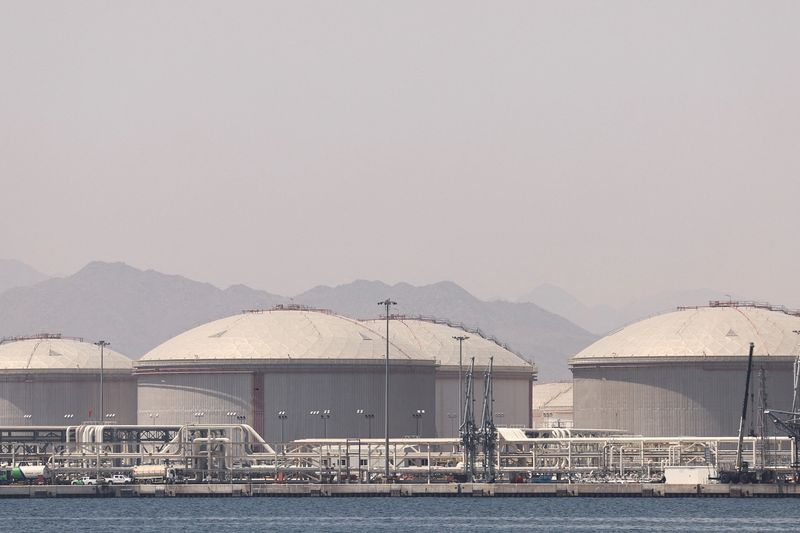
Oil Prices Surge as Strait of Hormuz Closure Threatens Supply
Written by Emily J. Thompson, Senior Investment Analyst
Updated: Mar 03 2026
0mins


Source: CNBC
- Oil Price Surge: Following Iran's order to close the Strait of Hormuz and threats against tankers, U.S. crude oil prices rose approximately 7% to $76.31 per barrel, while global benchmark Brent increased by 7.3% to $83.39 per barrel, reflecting strong market reactions to potential supply disruptions.
- Supply Chain Risks: The Strait of Hormuz accounts for 20% of global oil consumption, and its closure would severely impact exports to countries like China, India, and Japan, potentially driving oil prices above $100 per barrel in the long term, which could exert pressure on the global economy.
- Natural Gas Price Spike: European natural gas prices surged over 70% this week as Qatar halted liquefied natural gas production due to Iranian drone attacks, with British futures contracts rising about 30% and Dutch contracts jumping around 27%, indicating heightened market tension over energy supplies.
- Market Warnings: Wall Street commodities strategists have cautioned that prolonged closure of the Strait of Hormuz could lead to a dramatic increase in oil prices, further exacerbating uncertainties in the global energy market and impacting economic recovery efforts across nations.
Trade with 70% Backtested Accuracy
Stop guessing "Should I Buy CVX?" and start using high-conviction signals backed by rigorous historical data.
Sign up today to access powerful investing tools and make smarter, data-driven decisions.
Analyst Views on CVX
Wall Street analysts forecast CVX stock price to fall
19 Analyst Rating
15 Buy
4 Hold
0 Sell
Strong Buy
Current: 191.010

Low
158.00
Averages
176.95
High
206.00
Current: 191.010
Low
158.00
Averages
176.95
High
206.00
About CVX
Chevron Corporation is an integrated energy company. The Company produces crude oil and natural gas; manufactures transportation fuels, lubricants, petrochemicals and additives; and develops technologies that enhance its business and industry. The Company’s segments include Upstream and Downstream. Upstream operations consist primarily of exploring for, developing, producing and transporting crude oil and natural gas; liquefaction, transportation and regasification associated with LNG; transporting crude oil by major international oil export pipelines; processing, transporting, storage and marketing of natural gas; carbon capture and storage; and a gas-to-liquids plant. Downstream operations consist primarily of the refining of crude oil into petroleum products; marketing crude oil, refined products, and lubricants; manufacturing and marketing of renewable fuels, and transporting of crude oil and refined products by pipeline, marine vessel, motor equipment and rail car.
About the author

Emily J. Thompson
Emily J. Thompson, a Chartered Financial Analyst (CFA) with 12 years in investment research, graduated with honors from the Wharton School. Specializing in industrial and technology stocks, she provides in-depth analysis for Intellectia’s earnings and market brief reports.

Chevron to Generate $2.17B from Asia Pacific Asset Sale

- Asset Sale Agreement: Chevron has reached an agreement with Japan's Eneos to sell several refining and retail assets in the Asia Pacific, poised to generate $2.17 billion, thereby further optimizing its international portfolio and enhancing financial flexibility.
- Market Expansion Opportunity: The divested assets include downstream fuels and lubricants marketing businesses in Singapore, Malaysia, the Philippines, Australia, Vietnam, and Indonesia, allowing Eneos to expand its overseas operations and strengthen its market position in Singapore, a key oil trading hub in Asia.
- Cost Optimization Strategy: Chevron is actively seeking to divest refining and storage assets to streamline operations and reduce costs, having previously sold its Hong Kong retail stations for $270 million, demonstrating its commitment to optimizing asset allocation.
- Long-Term Investment Potential: While Chevron is viewed as a strong long-term investment, market analysts suggest that certain AI stocks may offer greater upside potential and lower downside risk, reflecting investor interest in diversified portfolios.
See More
Dow Jones Hits Record High Amid Market Optimism


- Market Optimism: The Dow Jones Industrial Average reached an intraday record high of 50,651 points on Friday, rising 0.73% from its previous record of 50,512.79 points set on February 10, reflecting optimism over negotiations to end the U.S.-Iran war.
- AI-Driven Trading: AI-driven trading activities and a ceasefire in the Middle East have aided market recovery from March lows, although the Dow lagged behind in a tech-driven market, indicating a strong risk appetite among investors.
- Rising Earnings Expectations: Analysts' estimates for U.S. corporate earnings over the next 12 months have risen by over 10% since the beginning of the year, suggesting that robust first-quarter earnings are supporting the market despite ongoing geopolitical uncertainties.
- Sector Performance Disparities: Within the Dow, tech stocks like Cisco, Amazon, and Nvidia have outperformed, while laggards such as Chevron, McDonald's, and Nike highlight significant disparities across sectors, reflecting varying investor confidence.
See More

U.S. Stocks Rally as Investors Eye Middle East Developments


- Market Rally: The S&P 500 is on track for its eighth consecutive weekly gain, reflecting growing investor optimism regarding de-escalation in the Middle East and increased confidence in economic recovery.
- Dow Jones Surge: The Dow Jones Industrial Average rose by 276.31 points to a record close, indicating positive market sentiment towards U.S.-Iran peace negotiations, which could attract further investments.
- Oil Price Volatility: Oil prices resumed their rally after three days of declines, with Brent and U.S. West Texas Intermediate futures both advancing around 2%, highlighting market concerns over energy supply and geopolitical uncertainties.
- Quantum Computing Investment: The U.S. government announced $2 billion in grants to nine firms, with IBM receiving $1 billion, significantly boosting quantum computing stocks and showcasing the ongoing investment surge in the tech sector.
See More

Chevron CEO to Attend Strategic Decisions Conference
- Conference Participation: Chevron's Chairman and CEO Mike Wirth will participate in the Bernstein 42nd Annual Strategic Decisions Conference on May 28, 2026, highlighting the company's leadership in the energy sector.
- Live Webcast: The event will be streamed live on Chevron's website, allowing investors to access real-time information and enhancing interaction between the company and its investors.
- Company Vision: Chevron is committed to providing affordable, reliable, and increasingly cleaner energy, emphasizing its strategic goals in oil and gas production and new technology development aimed at enabling human progress.
- Forward-Looking Statements: The company’s forward-looking statements underscore expectations regarding future operations and market conditions, cautioning investors about potential risks and uncertainties to ensure transparency.
See More

Nvidia's Strong Earnings Report Sparks Attention
- Strong Earnings: Nvidia's earnings report reveals nearly doubling year-over-year data center revenue, indicating relentless demand for its GPUs, although shares slipped in after-hours trading as investors scrutinized future guidance and rising competition.
- IPO Frenzy: SpaceX has filed for an IPO aiming to raise around $75 billion, surpassing Alibaba's record for the largest IPO, highlighting the intensifying competition among tech companies for public offerings, which could significantly impact market sentiment.
- Stabilizing Semiconductor Supply Chains: Samsung Electronics has reached a tentative agreement with its union to suspend a planned strike, likely providing temporary relief to global semiconductor supply chains critical for the ongoing AI boom.
- Market Rebound: Wall Street staged a strong rebound with the Dow surging over 600 points due to easing oil prices and moderating rate concerns, leading to a positive sentiment that has also lifted Asia-Pacific markets.
See More

U.S. Stocks Surge as Oil Prices Plunge, Boosting Market Sentiment


- Market Recovery: The S&P 500 Index rose by 1.08%, the Dow Jones Industrial Average increased by 1.31%, and the Nasdaq 100 Index climbed by 1.66%, reflecting renewed investor confidence in economic recovery, particularly amid a significant drop in oil prices.
- Oil Price Plunge: Crude oil prices fell by over 5% due to hopes for an end to the Iran conflict, which not only lowered inflation expectations but also caused the 10-year Treasury yield to drop by 10 basis points to 4.57%, providing support for the bond market.
- Semiconductor Stocks Rally: Nvidia rose more than 1% ahead of its earnings report, with Q1 sales expected to increase by 80%, drawing market attention to its production ramp-up and competitive strategies, positively impacting the overall tech sector.
- Mortgage Applications Decline: U.S. MBA mortgage applications fell by 2.3% for the week ending May 1, with the purchase mortgage sub-index down 4.1%, indicating pressure on the housing market from high interest rates, as the average 30-year fixed mortgage rate rose to 6.56%.
See More
Chevron to Generate $2.17B from Asia Pacific Asset Sale
- Asset Sale Agreement: Chevron has reached an agreement with Japan's Eneos to sell several refining and retail assets in the Asia Pacific, poised to generate $2.17 billion, thereby further optimizing its international portfolio and enhancing financial flexibility.
- Market Expansion Opportunity: The divested assets include downstream fuels and lubricants marketing businesses in Singapore, Malaysia, the Philippines, Australia, Vietnam, and Indonesia, allowing Eneos to expand its overseas operations and strengthen its market position in Singapore, a key oil trading hub in Asia.
- Cost Optimization Strategy: Chevron is actively seeking to divest refining and storage assets to streamline operations and reduce costs, having previously sold its Hong Kong retail stations for $270 million, demonstrating its commitment to optimizing asset allocation.
- Long-Term Investment Potential: While Chevron is viewed as a strong long-term investment, market analysts suggest that certain AI stocks may offer greater upside potential and lower downside risk, reflecting investor interest in diversified portfolios.
See More
Dow Jones Hits Record High Amid Market Optimism
- Market Optimism: The Dow Jones Industrial Average reached an intraday record high of 50,651 points on Friday, rising 0.73% from its previous record of 50,512.79 points set on February 10, reflecting optimism over negotiations to end the U.S.-Iran war.
- AI-Driven Trading: AI-driven trading activities and a ceasefire in the Middle East have aided market recovery from March lows, although the Dow lagged behind in a tech-driven market, indicating a strong risk appetite among investors.
- Rising Earnings Expectations: Analysts' estimates for U.S. corporate earnings over the next 12 months have risen by over 10% since the beginning of the year, suggesting that robust first-quarter earnings are supporting the market despite ongoing geopolitical uncertainties.
- Sector Performance Disparities: Within the Dow, tech stocks like Cisco, Amazon, and Nvidia have outperformed, while laggards such as Chevron, McDonald's, and Nike highlight significant disparities across sectors, reflecting varying investor confidence.
See More
U.S. Stocks Rally as Investors Eye Middle East Developments
- Market Rally: The S&P 500 is on track for its eighth consecutive weekly gain, reflecting growing investor optimism regarding de-escalation in the Middle East and increased confidence in economic recovery.
- Dow Jones Surge: The Dow Jones Industrial Average rose by 276.31 points to a record close, indicating positive market sentiment towards U.S.-Iran peace negotiations, which could attract further investments.
- Oil Price Volatility: Oil prices resumed their rally after three days of declines, with Brent and U.S. West Texas Intermediate futures both advancing around 2%, highlighting market concerns over energy supply and geopolitical uncertainties.
- Quantum Computing Investment: The U.S. government announced $2 billion in grants to nine firms, with IBM receiving $1 billion, significantly boosting quantum computing stocks and showcasing the ongoing investment surge in the tech sector.
See More
Chevron CEO to Attend Strategic Decisions Conference
- Conference Participation: Chevron's Chairman and CEO Mike Wirth will participate in the Bernstein 42nd Annual Strategic Decisions Conference on May 28, 2026, highlighting the company's leadership in the energy sector.
- Live Webcast: The event will be streamed live on Chevron's website, allowing investors to access real-time information and enhancing interaction between the company and its investors.
- Company Vision: Chevron is committed to providing affordable, reliable, and increasingly cleaner energy, emphasizing its strategic goals in oil and gas production and new technology development aimed at enabling human progress.
- Forward-Looking Statements: The company’s forward-looking statements underscore expectations regarding future operations and market conditions, cautioning investors about potential risks and uncertainties to ensure transparency.
See More
Nvidia's Strong Earnings Report Sparks Attention
- Strong Earnings: Nvidia's earnings report reveals nearly doubling year-over-year data center revenue, indicating relentless demand for its GPUs, although shares slipped in after-hours trading as investors scrutinized future guidance and rising competition.
- IPO Frenzy: SpaceX has filed for an IPO aiming to raise around $75 billion, surpassing Alibaba's record for the largest IPO, highlighting the intensifying competition among tech companies for public offerings, which could significantly impact market sentiment.
- Stabilizing Semiconductor Supply Chains: Samsung Electronics has reached a tentative agreement with its union to suspend a planned strike, likely providing temporary relief to global semiconductor supply chains critical for the ongoing AI boom.
- Market Rebound: Wall Street staged a strong rebound with the Dow surging over 600 points due to easing oil prices and moderating rate concerns, leading to a positive sentiment that has also lifted Asia-Pacific markets.
See More
U.S. Stocks Surge as Oil Prices Plunge, Boosting Market Sentiment
- Market Recovery: The S&P 500 Index rose by 1.08%, the Dow Jones Industrial Average increased by 1.31%, and the Nasdaq 100 Index climbed by 1.66%, reflecting renewed investor confidence in economic recovery, particularly amid a significant drop in oil prices.
- Oil Price Plunge: Crude oil prices fell by over 5% due to hopes for an end to the Iran conflict, which not only lowered inflation expectations but also caused the 10-year Treasury yield to drop by 10 basis points to 4.57%, providing support for the bond market.
- Semiconductor Stocks Rally: Nvidia rose more than 1% ahead of its earnings report, with Q1 sales expected to increase by 80%, drawing market attention to its production ramp-up and competitive strategies, positively impacting the overall tech sector.
- Mortgage Applications Decline: U.S. MBA mortgage applications fell by 2.3% for the week ending May 1, with the purchase mortgage sub-index down 4.1%, indicating pressure on the housing market from high interest rates, as the average 30-year fixed mortgage rate rose to 6.56%.
See More