Novo Nordisk Faces Market Pressures and Competition
Written by Emily J. Thompson, Senior Investment Analyst
Updated: Feb 25 2026
0mins
Should l Buy NVO?
Source: CNBC
- Market Share Decline: Despite being the first to launch a GLP-1 weight loss drug, Novo Nordisk's market share has fallen to about 40%, while rival Eli Lilly holds 60%, indicating a significant competitive disadvantage that could hinder future growth potential.
- Sales Forecast Downgrade: Novo Nordisk anticipates a 5% to 13% decline in sales and profits for 2026, marking the first annual sales drop since 2017, reflecting the company's vulnerability amid fierce competition and pricing pressures, which may further erode investor confidence.
- Drug Development Challenges: The disappointing trial results of Novo's next-generation weight loss drug CagriSema against Eli Lilly's Zepbound led to a more than 16% drop in stock price on the day of the announcement, significantly diminishing analysts' confidence in its commercial potential and possibly affecting future market performance.
- Increasing Pricing Pressure: The decline in GLP-1 drug prices in the U.S. is weighing on Novo Nordisk's revenue and profitability, especially since the U.S. market has accounted for over half of its total sales since 2023, making future pricing strategies critical for the company's ability to regain growth.
Trade with 70% Backtested Accuracy
Stop guessing "Should I Buy NVO?" and start using high-conviction signals backed by rigorous historical data.
Sign up today to access powerful investing tools and make smarter, data-driven decisions.
Analyst Views on NVO
Wall Street analysts forecast NVO stock price to rise
8 Analyst Rating
4 Buy
3 Hold
1 Sell
Moderate Buy
Current: 36.480

Low
42.00
Averages
54.67
High
70.00
Current: 36.480
Low
42.00
Averages
54.67
High
70.00
About NVO
Novo Nordisk A/S is a global healthcare company engaged in diabetes care. The Company is also engaged in the discovery, development, manufacturing and marketing of pharmaceutical products. The Company operates through two business segments: diabetes and obesity care, and biopharmaceuticals. The Company's diabetes and obesity care segment covers insulin, GLP-1, other protein-related products, such as glucagon, protein-related delivery systems and needles, and oral anti-diabetic drugs. The Company's biopharmaceuticals segment covers the therapy areas of hemophilia care, growth hormone therapy and hormone replacement therapy. The Company also offers Saxenda product to treat obesity. It offers a range of products, including NovoLog/NovoRapid; NovoLog Mix/NovoMix; Prandin/NovoNorm; NovoSeven; Norditropin, and Vagifem. As of December 31, 2016, it marketed its products in over 180 countries. Its regional structure consists of two commercial units: North America and International Operations.
About the author

Emily J. Thompson
Emily J. Thompson, a Chartered Financial Analyst (CFA) with 12 years in investment research, graduated with honors from the Wharton School. Specializing in industrial and technology stocks, she provides in-depth analysis for Intellectia’s earnings and market brief reports.

Middle East Conflict Disrupts Tourism Industry

- Flight Cancellations Surge: Over 46,000 flights to and from the Middle East have been canceled since the U.S.-Israel conflict began, posing significant operational challenges for airlines and destabilizing the global aviation market.
- High Airfare Affects Travel Plans: Vietnamese traveler Michelle Bui canceled her trip to the Middle East due to soaring ticket prices ranging from $1,500 to $2,000, highlighting the direct impact of the conflict on travel demand.
- Corporate Travel Strategy Adjustments: Voluntary flight cancellations on Europe-Asia routes more than doubled in the first week of March due to safety concerns, indicating that companies are reassessing employee travel safety, which affects the frequency of business trips.
- Regional Travel Gains Popularity: Ferry travel from Singapore to Batam, Indonesia, remains popular despite a $4.66 fuel surcharge, reflecting the appeal of regional travel options as Asian travelers prefer short getaways over long-haul flights.
See More
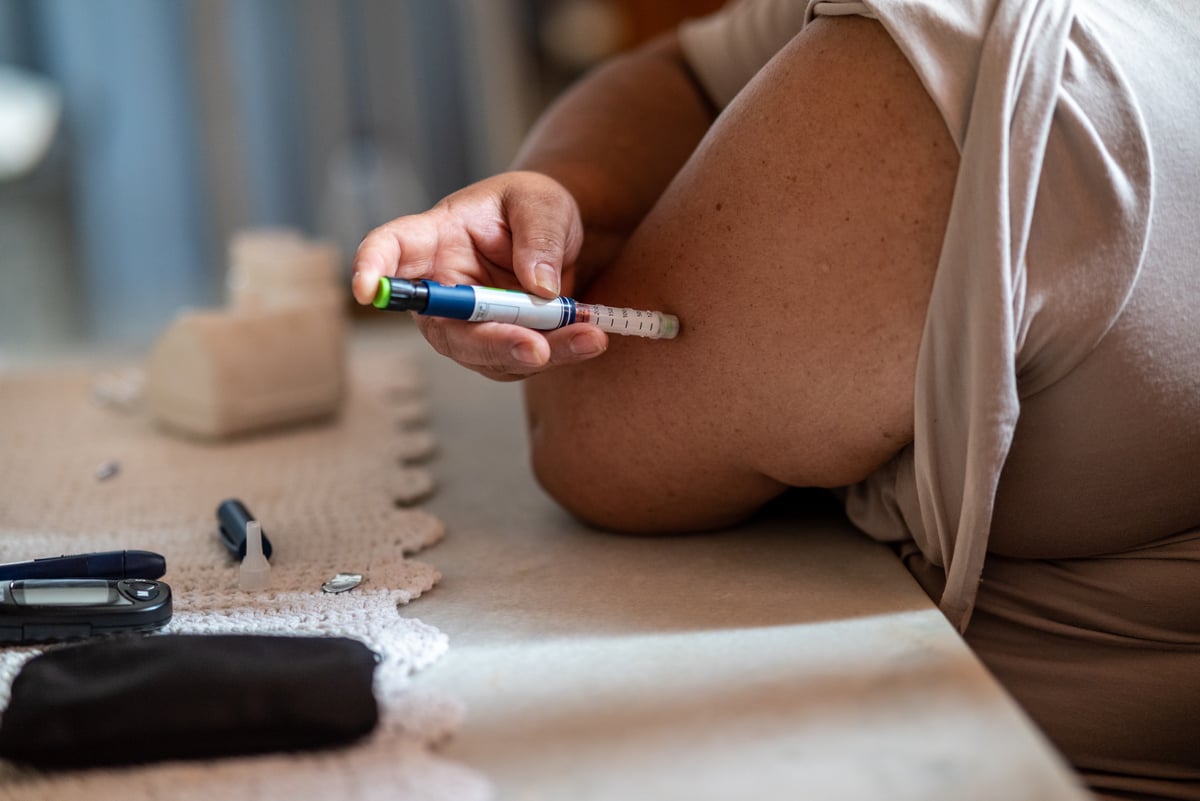
Novo Nordisk Launches Wegovy Subscription Plan to Regain Market Share

- Market Share Challenge: Novo Nordisk has lost its leading position in the anti-obesity market to Eli Lilly, and despite launching new drugs and label expansions, the market penetration remains insufficient, indicating increasing competitive pressure.
- Obesity Patient Status: Approximately 40.3% of adults in the U.S. are classified as obese, but some studies suggest this figure could be as high as 70%, highlighting a significant potential market; however, only 12% of patients are currently using GLP-1 drugs, revealing a substantial opportunity.
- New Subscription Plan: Novo Nordisk has introduced a subscription plan for Wegovy lasting three, six, or twelve months, allowing patients to access discounts through telehealth platforms, aiming to enhance drug accessibility and expand market reach.
- Future Outlook: While Novo Nordisk's subscription plan may not fully reclaim market share, its pipeline progress and relatively low valuation (11x forward earnings) could present an attractive opportunity for investors, especially as growth is expected to rebound in the coming years.
See More

Novo Nordisk Launches New Subscription Model to Expand Market Reach
- Market Potential: Research indicates that approximately 70% of adults in the U.S. may be obese, yet only 12% are currently using GLP-1 drugs, highlighting significant growth opportunities in the weight loss drug market that Novo Nordisk needs to capitalize on.
- New Subscription Model: Novo Nordisk has introduced a subscription model for Wegovy prescriptions lasting three, six, or twelve months, allowing patients to access lower prescription costs through telehealth platforms, which is expected to significantly enhance drug accessibility and attract more users.
- Competitive Pressure: While Novo Nordisk's subscription model may help expand its market share, the potential for Eli Lilly to adjust its pricing poses uncertainty regarding Novo Nordisk's ability to regain its market leadership position.
- Attractive Valuation: Currently, Novo Nordisk trades at an 11x forward earnings multiple, which is below the healthcare sector average of 17.3x, suggesting that investors purchasing its shares at this level may achieve favorable returns.
See More
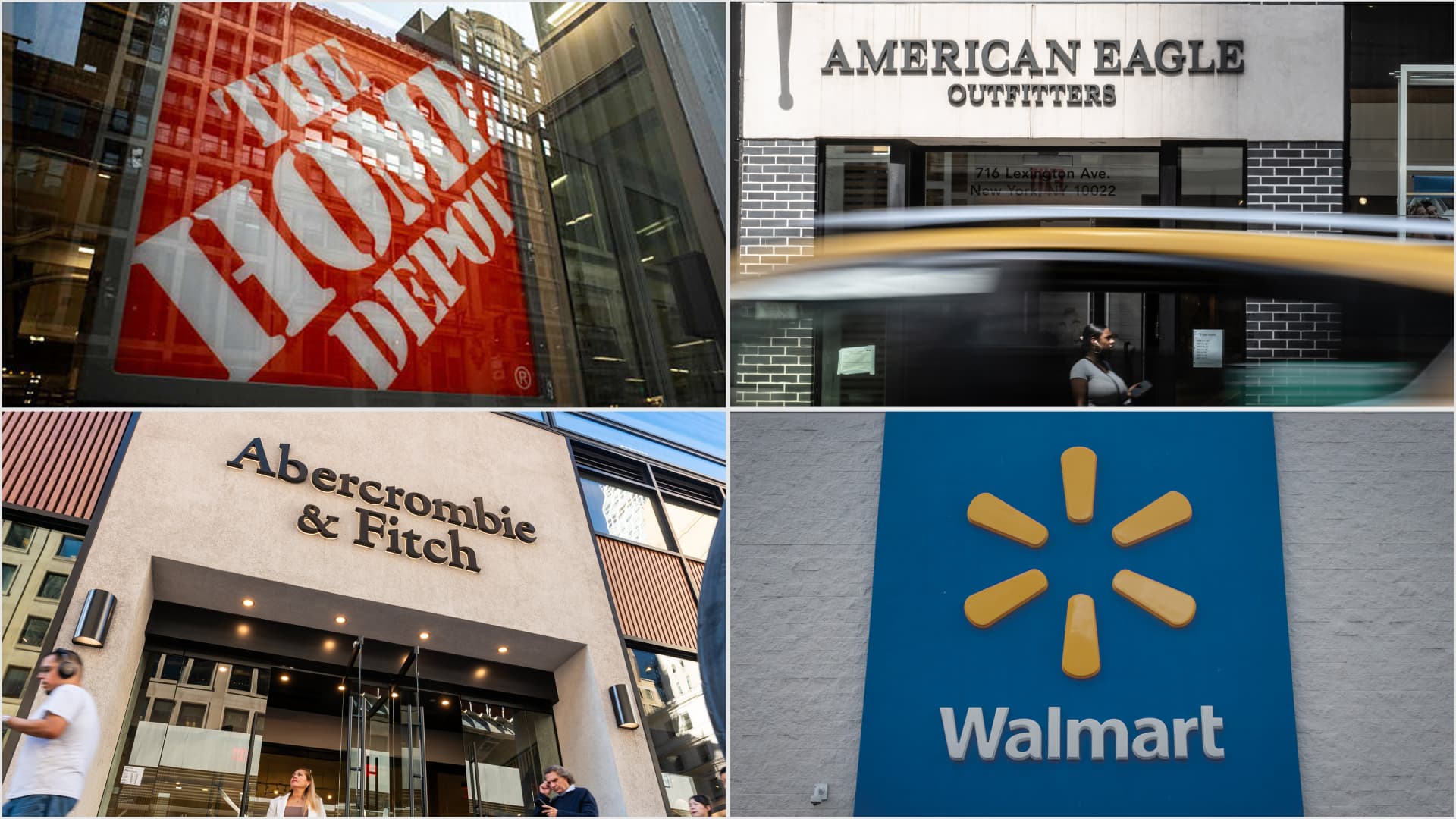
Impact of Trump's Tariffs One Year Later

- Widespread Tariff Impact: Trump's tariff policies have placed significant economic pressure on U.S. businesses over the past year, with approximately 80% to 85% of costs absorbed by companies, leading to reduced profits and increased consumer prices, thereby exacerbating overall economic uncertainty.
- Retail Sector Adaptation: While large retailers like Walmart have emerged relatively unscathed, smaller businesses have been severely impacted, with Home Depot aiming to limit purchases from any single country to 10% to reduce dependency and enhance supply chain flexibility.
- Automotive Industry Cost Surge: Automakers such as General Motors and Toyota are facing tariff impacts estimated at up to $9.5 billion, and although the Trump administration has taken steps to alleviate overlapping tariffs, overall costs remain significant, forcing companies to reassess their supply chain strategies.
- Pharmaceutical Sector Stability: Pharmaceutical companies have secured three-year tariff exemptions through pricing agreements with Trump, although new tariffs impose 100% on companies that do not reach agreements, the overall industry is still striving to increase investments in U.S. manufacturing.
See More
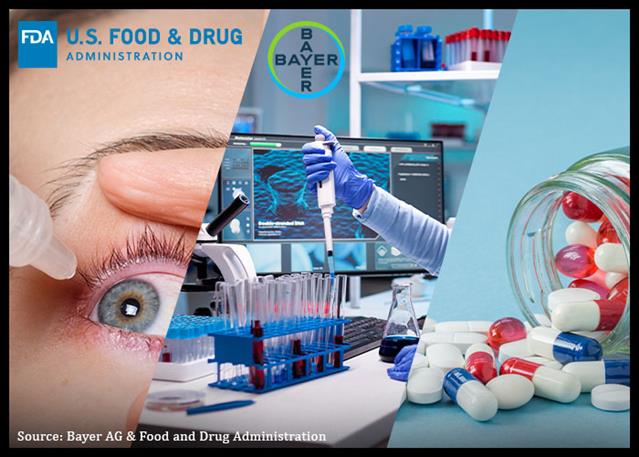
Biotech Landscape Update: Regulatory Approvals and Acquisitions
- ARS Pharma Expands Neffy Label: ARS Pharmaceuticals received FDA approval to update the Neffy 1mg label, removing age restrictions for individuals weighing over 33 lbs, which is expected to significantly boost market demand and enhance the company's competitive edge in allergy treatment.
- Novo Nordisk Wins Approval for Awiqli: Novo Nordisk's Awiqli (insulin icodec-abae) received FDA approval as the first once-weekly basal insulin, with a U.S. launch planned for 2H 2026, strengthening the company's leadership in diabetes care.
- Biogen Acquires Apellis: Biogen has agreed to acquire Apellis for $41 per share, valuing the deal at approximately $5.6 billion, which is expected to enhance its market share in immunology and rare diseases while driving future revenue growth.
- Takeda's Zasocitinib Clinical Trial Success: Takeda's Zasocitinib showed that about 70% of patients achieved significant skin clearance in Phase 3 trials, with plans to submit a New Drug Application in 2026, further solidifying its position in the dermatology market.
See More

Analysis Challenges Medicare's Weight Loss Drug Coverage Costs
- Annual Spending Forecast: Researchers from Vanderbilt University estimate that covering Novo Nordisk's Wegovy and Ozempic could result in annual spending between $3.9 billion and $4.8 billion, significantly exceeding government expectations and potentially straining Medicare budgets.
- Limited Savings: Although negotiated drug prices are projected to save approximately $933 million in the first year, this only covers 4.4% of the estimated 12.4 million Medicare beneficiaries eligible for the drugs, highlighting the limitations of the coverage scope.
- Potential Insurer Pushback: The authors note that Medicare plans may be reluctant to accept the trade-off of expanding obesity-indication coverage for lower per-fill prices due to potential budget implications, which could delay or alter Medicare policies.
- Policy Impact Assessment: The findings of this study may provoke pushback from Medicare insurers, further influencing future coverage policies for obesity drugs, especially in a tight budget environment.
See More
Middle East Conflict Disrupts Tourism Industry
- Flight Cancellations Surge: Over 46,000 flights to and from the Middle East have been canceled since the U.S.-Israel conflict began, posing significant operational challenges for airlines and destabilizing the global aviation market.
- High Airfare Affects Travel Plans: Vietnamese traveler Michelle Bui canceled her trip to the Middle East due to soaring ticket prices ranging from $1,500 to $2,000, highlighting the direct impact of the conflict on travel demand.
- Corporate Travel Strategy Adjustments: Voluntary flight cancellations on Europe-Asia routes more than doubled in the first week of March due to safety concerns, indicating that companies are reassessing employee travel safety, which affects the frequency of business trips.
- Regional Travel Gains Popularity: Ferry travel from Singapore to Batam, Indonesia, remains popular despite a $4.66 fuel surcharge, reflecting the appeal of regional travel options as Asian travelers prefer short getaways over long-haul flights.
See More
Novo Nordisk Launches Wegovy Subscription Plan to Regain Market Share
- Market Share Challenge: Novo Nordisk has lost its leading position in the anti-obesity market to Eli Lilly, and despite launching new drugs and label expansions, the market penetration remains insufficient, indicating increasing competitive pressure.
- Obesity Patient Status: Approximately 40.3% of adults in the U.S. are classified as obese, but some studies suggest this figure could be as high as 70%, highlighting a significant potential market; however, only 12% of patients are currently using GLP-1 drugs, revealing a substantial opportunity.
- New Subscription Plan: Novo Nordisk has introduced a subscription plan for Wegovy lasting three, six, or twelve months, allowing patients to access discounts through telehealth platforms, aiming to enhance drug accessibility and expand market reach.
- Future Outlook: While Novo Nordisk's subscription plan may not fully reclaim market share, its pipeline progress and relatively low valuation (11x forward earnings) could present an attractive opportunity for investors, especially as growth is expected to rebound in the coming years.
See More
Novo Nordisk Launches New Subscription Model to Expand Market Reach
- Market Potential: Research indicates that approximately 70% of adults in the U.S. may be obese, yet only 12% are currently using GLP-1 drugs, highlighting significant growth opportunities in the weight loss drug market that Novo Nordisk needs to capitalize on.
- New Subscription Model: Novo Nordisk has introduced a subscription model for Wegovy prescriptions lasting three, six, or twelve months, allowing patients to access lower prescription costs through telehealth platforms, which is expected to significantly enhance drug accessibility and attract more users.
- Competitive Pressure: While Novo Nordisk's subscription model may help expand its market share, the potential for Eli Lilly to adjust its pricing poses uncertainty regarding Novo Nordisk's ability to regain its market leadership position.
- Attractive Valuation: Currently, Novo Nordisk trades at an 11x forward earnings multiple, which is below the healthcare sector average of 17.3x, suggesting that investors purchasing its shares at this level may achieve favorable returns.
See More
Impact of Trump's Tariffs One Year Later
- Widespread Tariff Impact: Trump's tariff policies have placed significant economic pressure on U.S. businesses over the past year, with approximately 80% to 85% of costs absorbed by companies, leading to reduced profits and increased consumer prices, thereby exacerbating overall economic uncertainty.
- Retail Sector Adaptation: While large retailers like Walmart have emerged relatively unscathed, smaller businesses have been severely impacted, with Home Depot aiming to limit purchases from any single country to 10% to reduce dependency and enhance supply chain flexibility.
- Automotive Industry Cost Surge: Automakers such as General Motors and Toyota are facing tariff impacts estimated at up to $9.5 billion, and although the Trump administration has taken steps to alleviate overlapping tariffs, overall costs remain significant, forcing companies to reassess their supply chain strategies.
- Pharmaceutical Sector Stability: Pharmaceutical companies have secured three-year tariff exemptions through pricing agreements with Trump, although new tariffs impose 100% on companies that do not reach agreements, the overall industry is still striving to increase investments in U.S. manufacturing.
See More
Biotech Landscape Update: Regulatory Approvals and Acquisitions
- ARS Pharma Expands Neffy Label: ARS Pharmaceuticals received FDA approval to update the Neffy 1mg label, removing age restrictions for individuals weighing over 33 lbs, which is expected to significantly boost market demand and enhance the company's competitive edge in allergy treatment.
- Novo Nordisk Wins Approval for Awiqli: Novo Nordisk's Awiqli (insulin icodec-abae) received FDA approval as the first once-weekly basal insulin, with a U.S. launch planned for 2H 2026, strengthening the company's leadership in diabetes care.
- Biogen Acquires Apellis: Biogen has agreed to acquire Apellis for $41 per share, valuing the deal at approximately $5.6 billion, which is expected to enhance its market share in immunology and rare diseases while driving future revenue growth.
- Takeda's Zasocitinib Clinical Trial Success: Takeda's Zasocitinib showed that about 70% of patients achieved significant skin clearance in Phase 3 trials, with plans to submit a New Drug Application in 2026, further solidifying its position in the dermatology market.
See More
Analysis Challenges Medicare's Weight Loss Drug Coverage Costs
- Annual Spending Forecast: Researchers from Vanderbilt University estimate that covering Novo Nordisk's Wegovy and Ozempic could result in annual spending between $3.9 billion and $4.8 billion, significantly exceeding government expectations and potentially straining Medicare budgets.
- Limited Savings: Although negotiated drug prices are projected to save approximately $933 million in the first year, this only covers 4.4% of the estimated 12.4 million Medicare beneficiaries eligible for the drugs, highlighting the limitations of the coverage scope.
- Potential Insurer Pushback: The authors note that Medicare plans may be reluctant to accept the trade-off of expanding obesity-indication coverage for lower per-fill prices due to potential budget implications, which could delay or alter Medicare policies.
- Policy Impact Assessment: The findings of this study may provoke pushback from Medicare insurers, further influencing future coverage policies for obesity drugs, especially in a tight budget environment.
See More