

Noteworthy NCLH Put and Call Options for October 3rd
Put Contract Overview: The $23.00 strike price put contract has a bid of $1.02, allowing investors to buy shares at $23.00 while effectively lowering their cost basis to $21.98 after premium collection.
Potential Outcomes for Put Contract: With a 57% chance of expiring worthless, the put contract could yield a 4.43% return on cash commitment, equating to an annualized return of 37.64%.
Call Contract Strategy: The $26.00 strike price call contract has a bid of 7 cents; if shares are purchased at $23.16 and sold via a covered call, it could result in a total return of 12.56% if exercised by expiration.
Volatility Insights: Implied volatility for the put and call contracts is 56% and 58%, respectively, while actual trailing volatility is calculated at 51%, indicating market expectations for stock price fluctuations.
Trade with 70% Backtested Accuracy
Analyst Views on NCLH

About NCLH
About the author

Analysis of the Importance of Market Capitalization


- Market Capitalization Comparison: Charles River Laboratories International Inc. (CRL) has a market cap of $10.92 billion compared to Norwegian Cruise Line Holdings Ltd (NCLH) at $9.69 billion, indicating CRL's relative strength in attracting larger investors.
- Investor Misconceptions: Many novice investors mistakenly believe that a higher stock price equates to greater company value, but market capitalization provides a more accurate comparison, enabling better-informed investment decisions.
- Size Impact: Market capitalization determines a company's size tier among peers, directly influencing which mutual funds and ETFs are willing to hold the stock, particularly as large funds prefer companies valued over $10 billion.
- Index Influence: For instance, the S&P MidCap index focuses on smaller companies by excluding the largest 100, highlighting the significance of market capitalization in investment strategies and company performance, especially in favorable market conditions.
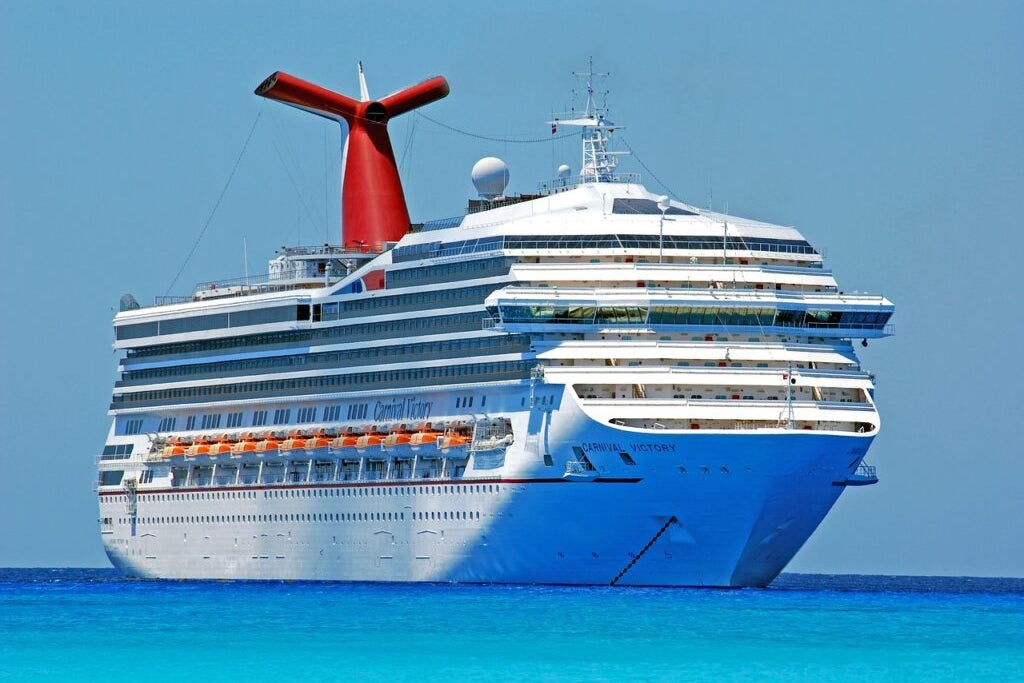
Oceania Cruises Unveils 2027 Specialty Cruise Itineraries
- Unique Voyage Experiences: Oceania Cruises' 2027 Specialty Cruises will feature destination-rich itineraries that blend cuisine, culture, and personal connection, aiming to provide guests with unique experiences that exceed expectations and enhance brand appeal.
- Celebrity Hosts: The cruises will feature renowned chefs like Sara Moulton and Claudine Pépin as hosts, offering cooking demonstrations and unique culinary events that enhance guest engagement and cultural understanding, further solidifying Oceania's position in the luxury cruise market.
- Diverse Itineraries: Specialty cruises include a 13-day journey from Athens to Rome and an 11-day voyage from Tokyo, where guests will experience local culinary cultures through specially crafted menus and activities, boosting customer satisfaction and loyalty.
- Annual Celebration Cruise: A 12-day Reunion Cruise set to sail in December 2027 aims to provide a festive opportunity for Oceania Club members and new guests to celebrate travel and cuisine, fostering interaction among customers and enhancing brand loyalty.

US Stocks Rise Slightly, Led by Chipmakers


- Chipmaker Surge: US stocks rose today, led by Micron Technology's forecast of $50 billion in Q4 revenue, significantly above the $43.24 billion consensus, resulting in an 11% stock price increase and bolstering the bullish case for AI trades.
- Positive Economic Indicators: US economic data revealed an upward revision of Q1 GDP to 2.1%, surpassing the expected 1.6%, while weekly initial jobless claims fell by 12,000 to 215,000, indicating a robust labor market that enhances market confidence.
- Improved Inflation Expectations: The May core PCE price index rose 3.4% year-over-year, aligning with expectations, and the 10-year Treasury yield dropped to a 6-week low of 4.36%, providing support for stocks and alleviating investor concerns about rate hikes.
- Apple's Stock Decline: Despite overall market gains, Apple's stock fell over 5% after raising prices on Macs and iPads to offset memory chip shortages, which limited the broader market's upward momentum.
Mixed US Stock Performance as Tech Stocks Weigh Down Market

- Tech Stock Weakness: The US stock market is mixed as the performance of the 'Magnificent Seven' tech stocks weighs down overall market sentiment, with Apple (AAPL) leading losses by dropping over 4% due to price hikes on Macs and iPads to offset rising costs from memory chip shortages, potentially impacting its market share and consumer demand.
- Strong Economic Data: Recent US economic indicators show Q1 GDP revised up to 2.1%, surpassing expectations of 1.6%, while weekly initial jobless claims fell to 215,000, indicating a resilient labor market that may influence the Federal Reserve's monetary policy decisions moving forward.
- Declining Oil Prices: WTI crude oil prices fell over 1% to a four-month low, with Saudi Arabian ships heading to the key Ras Tanura terminal, signaling a potential restart of exports from the Persian Gulf, which could affect global oil prices and profitability in related sectors.
- Chipmakers Surge: Micron Technology (MU) forecasts Q4 revenue of $50 billion, significantly above the consensus of $43.24 billion, leading to a stock price increase of over 9%, reflecting strong demand in the artificial intelligence sector that may further boost the stock prices of related tech companies.
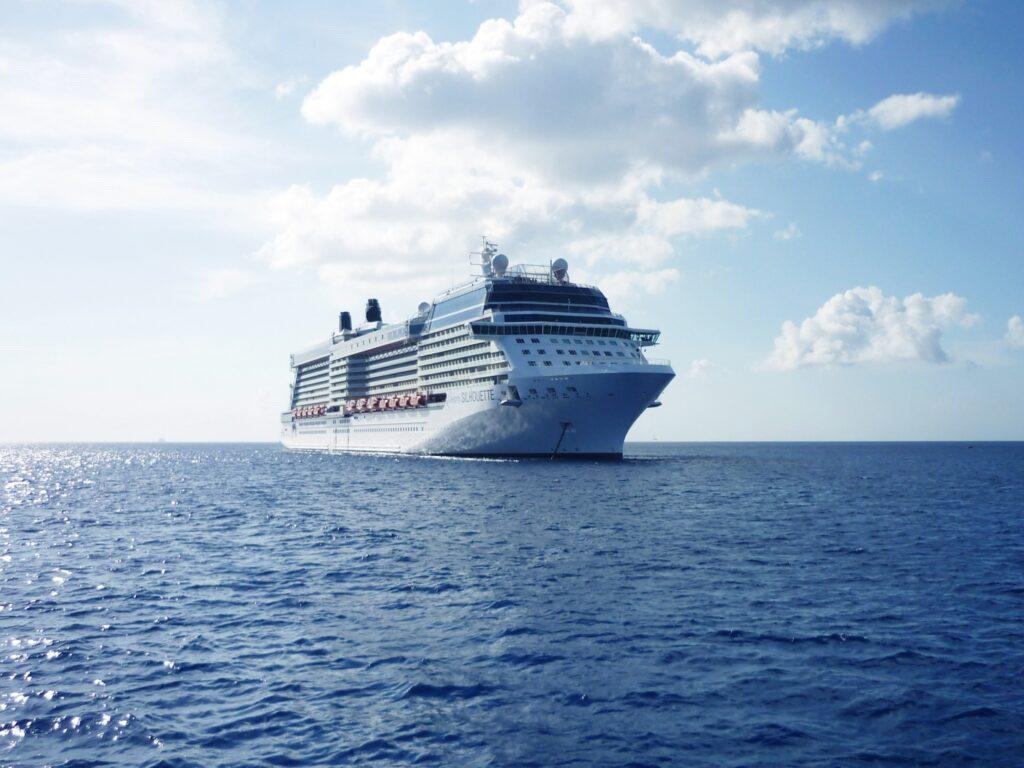
Norwegian Cruise Line Stock Rises 3.2% Amid Falling Oil Prices
- Oil Price Decline Benefits Cruise Sector: Global oil prices fell by 3%, with WTI crude dropping below the psychological $70 mark, significantly easing fuel cost pressures for Norwegian Cruise Line (NCLH), thereby boosting market confidence in its stock price.
- Increased Consumer Spending Potential: The drop in energy costs is expected to enhance disposable income for consumers, likely driving spending in travel and leisure, which supports the recovery of the cruise industry despite ongoing inflationary pressures.
- Shareholder Confidence Boost: Company director Stephen Pagliuca purchased 1.38 million shares for nearly $25 million in early June, increasing his direct ownership by 97%, a move interpreted as strong confidence in the company's future performance, even as the stock is down 7.9% year-to-date.
- Market Volatility Analysis: Norwegian Cruise Line has experienced 29 moves greater than 5% in the past year, with today's stock price rising 2.9% to $20.99, indicating that the market considers the current news significant but does not fundamentally alter its perception of the company's outlook.

U.S. Stocks Close Mixed as Chipmakers Weigh on Market
- Mixed Market Performance: The S&P 500 index fell by 0.10% and the Nasdaq 100 index dropped by 0.43%, while the Dow Jones Industrial Average rose by 0.35%, indicating a divergence in market sentiment, particularly under pressure from chipmakers.
- Chip Sector Pressure: Ahead of Micron Technology's earnings report, chipmakers saw declines, reflecting market concerns over AI infrastructure demand, despite Micron's stock rising over 260% this year, highlighting the volatility in tech stocks.
- Oil Price Impact: WTI crude oil prices sank to a 3.5-month low, leading to a drop in bond yields, with the 10-year Treasury yield falling to 4.40%, benefiting sectors like homebuilders and airlines by enhancing profit outlooks amid lower fuel costs.
- Decline in New Home Sales: U.S. May new home sales unexpectedly fell by 7.3% to 580,000 units, below the expected 640,000, indicating weakness in the housing market that could affect future economic growth expectations.
Analysis of the Importance of Market Capitalization
- Market Capitalization Comparison: Charles River Laboratories International Inc. (CRL) has a market cap of $10.92 billion compared to Norwegian Cruise Line Holdings Ltd (NCLH) at $9.69 billion, indicating CRL's relative strength in attracting larger investors.
- Investor Misconceptions: Many novice investors mistakenly believe that a higher stock price equates to greater company value, but market capitalization provides a more accurate comparison, enabling better-informed investment decisions.
- Size Impact: Market capitalization determines a company's size tier among peers, directly influencing which mutual funds and ETFs are willing to hold the stock, particularly as large funds prefer companies valued over $10 billion.
- Index Influence: For instance, the S&P MidCap index focuses on smaller companies by excluding the largest 100, highlighting the significance of market capitalization in investment strategies and company performance, especially in favorable market conditions.
Oceania Cruises Unveils 2027 Specialty Cruise Itineraries
- Unique Voyage Experiences: Oceania Cruises' 2027 Specialty Cruises will feature destination-rich itineraries that blend cuisine, culture, and personal connection, aiming to provide guests with unique experiences that exceed expectations and enhance brand appeal.
- Celebrity Hosts: The cruises will feature renowned chefs like Sara Moulton and Claudine Pépin as hosts, offering cooking demonstrations and unique culinary events that enhance guest engagement and cultural understanding, further solidifying Oceania's position in the luxury cruise market.
- Diverse Itineraries: Specialty cruises include a 13-day journey from Athens to Rome and an 11-day voyage from Tokyo, where guests will experience local culinary cultures through specially crafted menus and activities, boosting customer satisfaction and loyalty.
- Annual Celebration Cruise: A 12-day Reunion Cruise set to sail in December 2027 aims to provide a festive opportunity for Oceania Club members and new guests to celebrate travel and cuisine, fostering interaction among customers and enhancing brand loyalty.
US Stocks Rise Slightly, Led by Chipmakers
- Chipmaker Surge: US stocks rose today, led by Micron Technology's forecast of $50 billion in Q4 revenue, significantly above the $43.24 billion consensus, resulting in an 11% stock price increase and bolstering the bullish case for AI trades.
- Positive Economic Indicators: US economic data revealed an upward revision of Q1 GDP to 2.1%, surpassing the expected 1.6%, while weekly initial jobless claims fell by 12,000 to 215,000, indicating a robust labor market that enhances market confidence.
- Improved Inflation Expectations: The May core PCE price index rose 3.4% year-over-year, aligning with expectations, and the 10-year Treasury yield dropped to a 6-week low of 4.36%, providing support for stocks and alleviating investor concerns about rate hikes.
- Apple's Stock Decline: Despite overall market gains, Apple's stock fell over 5% after raising prices on Macs and iPads to offset memory chip shortages, which limited the broader market's upward momentum.
Mixed US Stock Performance as Tech Stocks Weigh Down Market
- Tech Stock Weakness: The US stock market is mixed as the performance of the 'Magnificent Seven' tech stocks weighs down overall market sentiment, with Apple (AAPL) leading losses by dropping over 4% due to price hikes on Macs and iPads to offset rising costs from memory chip shortages, potentially impacting its market share and consumer demand.
- Strong Economic Data: Recent US economic indicators show Q1 GDP revised up to 2.1%, surpassing expectations of 1.6%, while weekly initial jobless claims fell to 215,000, indicating a resilient labor market that may influence the Federal Reserve's monetary policy decisions moving forward.
- Declining Oil Prices: WTI crude oil prices fell over 1% to a four-month low, with Saudi Arabian ships heading to the key Ras Tanura terminal, signaling a potential restart of exports from the Persian Gulf, which could affect global oil prices and profitability in related sectors.
- Chipmakers Surge: Micron Technology (MU) forecasts Q4 revenue of $50 billion, significantly above the consensus of $43.24 billion, leading to a stock price increase of over 9%, reflecting strong demand in the artificial intelligence sector that may further boost the stock prices of related tech companies.
Norwegian Cruise Line Stock Rises 3.2% Amid Falling Oil Prices
- Oil Price Decline Benefits Cruise Sector: Global oil prices fell by 3%, with WTI crude dropping below the psychological $70 mark, significantly easing fuel cost pressures for Norwegian Cruise Line (NCLH), thereby boosting market confidence in its stock price.
- Increased Consumer Spending Potential: The drop in energy costs is expected to enhance disposable income for consumers, likely driving spending in travel and leisure, which supports the recovery of the cruise industry despite ongoing inflationary pressures.
- Shareholder Confidence Boost: Company director Stephen Pagliuca purchased 1.38 million shares for nearly $25 million in early June, increasing his direct ownership by 97%, a move interpreted as strong confidence in the company's future performance, even as the stock is down 7.9% year-to-date.
- Market Volatility Analysis: Norwegian Cruise Line has experienced 29 moves greater than 5% in the past year, with today's stock price rising 2.9% to $20.99, indicating that the market considers the current news significant but does not fundamentally alter its perception of the company's outlook.
U.S. Stocks Close Mixed as Chipmakers Weigh on Market
- Mixed Market Performance: The S&P 500 index fell by 0.10% and the Nasdaq 100 index dropped by 0.43%, while the Dow Jones Industrial Average rose by 0.35%, indicating a divergence in market sentiment, particularly under pressure from chipmakers.
- Chip Sector Pressure: Ahead of Micron Technology's earnings report, chipmakers saw declines, reflecting market concerns over AI infrastructure demand, despite Micron's stock rising over 260% this year, highlighting the volatility in tech stocks.
- Oil Price Impact: WTI crude oil prices sank to a 3.5-month low, leading to a drop in bond yields, with the 10-year Treasury yield falling to 4.40%, benefiting sectors like homebuilders and airlines by enhancing profit outlooks amid lower fuel costs.
- Decline in New Home Sales: U.S. May new home sales unexpectedly fell by 7.3% to 580,000 units, below the expected 640,000, indicating weakness in the housing market that could affect future economic growth expectations.





