NextEra and Exelon Approved for 765 kV Transmission Line

- Project Approval: NextEra Energy Transmission and Exelon Corporation's 765 kV transmission line project, spanning approximately 220 miles, has been approved by the PJM Board, aimed at enhancing electric reliability and affordability in West Virginia, Pennsylvania, and the Mid-Atlantic region.
- Addressing Power Demand: This project will add critically needed capacity to the grid to meet rising electricity demand and ensure that new generation can connect, thereby providing affordable electricity supply for families and small businesses.
- Economic Development Boost: The transmission line is expected to attract industrial investment and foster economic development, creating good-paying jobs during construction and further stimulating local economic growth.
- Community Engagement Commitment: NextEra and Exelon are dedicated to maintaining transparent and meaningful engagement with community members throughout the project process, planning open houses later this year to minimize impacts on landowners and the broader community.
Trade with 70% Backtested Accuracy
Analyst Views on NEE

About NEE
About the author

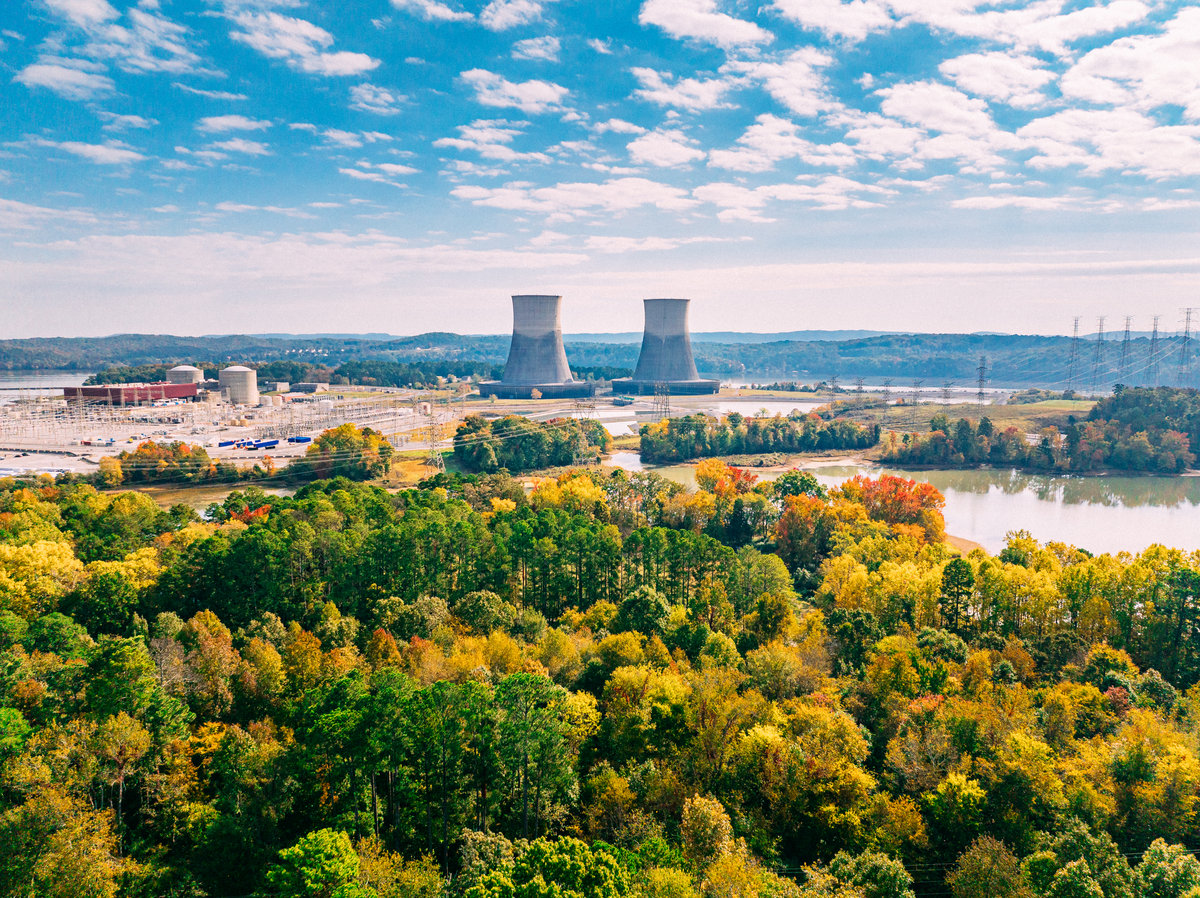
Nuclear Renaissance: Geopolitical Tensions Drive Investment

- Surge in Nuclear Demand: The closure of the Strait of Hormuz by Iran amid escalating Middle Eastern tensions has led to rising global oil and gas prices, prompting countries to pivot towards nuclear energy for greater energy independence.
- Global Nuclear Construction: According to the World Nuclear Association, there are currently 75 nuclear reactors under construction worldwide, with another 120 planned, indicating a strong commitment from nations to expand nuclear capacity over the coming decades.
- NextEra Energy's Strategy: As a major nuclear operator in the U.S., NextEra operates seven reactors across four plants and plans to add another by 2029, positioning itself as a prime investment opportunity in the nuclear renaissance.
- Partnership with Google: NextEra has partnered with Alphabet, Google's parent company, to supply electricity from the Duane Arnold Energy Center for 25 years, further advancing nuclear project development and highlighting the significance of nuclear energy in future power production.

Closure of Strait of Hormuz Accelerates Nuclear Energy Shift
- Nuclear Energy Outlook: The closure of the Strait of Hormuz is accelerating global demand for nuclear energy, with 120 reactors planned for construction over the next few decades, indicating strong investment interest from various countries.
- NextEra Energy Performance: As a major nuclear operator in the U.S., NextEra Energy operates seven reactors and is set to add another by 2029, currently generating 6 gigawatts of nuclear power, showcasing its robust growth potential in the nuclear sector.
- Partnership with Alphabet: NextEra's agreement with Alphabet will allow Google to purchase electricity from the resuscitated Duane Arnold Energy Center for the next 25 years, further solidifying NextEra's position in the nuclear market and driving future expansion plans.
- Stable Dividend Yield: With a current dividend yield of 2.54% and a history of 32 consecutive years of dividend increases, NextEra demonstrates financial health, and in light of escalating geopolitical tensions, nuclear investments are expected to become a long-term income opportunity.
A Guide for Managing Market Uncertainty in Q2 2026


Investment Strategies: Investors often choose between aggressive growth strategies or waiting for better market conditions, each carrying its own risks, such as potential losses or missing out on gains during market recoveries.
Johnson & Johnson's Performance: Johnson & Johnson has shifted focus towards innovation in its consumer products division, showing solid year-over-year revenue growth and maintaining strong earnings despite market challenges.
NextEra Energy's Stability: NextEra Energy is recognized for its steady performance in the clean energy sector, balancing growth with predictable cash flow, which appeals to long-term investors seeking stability.
Microsoft's Growth Potential: Microsoft is positioned as a strong investment due to its Azure cloud platform driving significant revenue growth, while maintaining financial stability and funding its expansion without risking shareholder dilution.

Meta Boosts Investment to $10 Billion for AI Data Center in Texas

- Significant Investment Increase: Meta has raised its investment in the Texas AI data center from an initial $1.5 billion to $10 billion, aiming for a capacity of 1GW by 2028, which will significantly enhance its competitive position in AI infrastructure.
- Job Creation: The data center is expected to create 300 new jobs and require over 4,000 construction workers at peak, contributing to local economic recovery and demonstrating Meta's commitment to the community.
- Renewable Energy Commitment: Meta is committed to adding over 5,000 megawatts of clean energy to the grid and is partnering with nonprofits to address local water issues, which will help alleviate environmental concerns raised by the data center's construction.
- Market Response and Challenges: Despite the surge in investment for AI infrastructure, Meta's stock has fallen 16% this year due to its lack of a cloud infrastructure business, facing increased scrutiny from Wall Street, indicating investor concerns about its long-term profitability.
NextEra Energy Positioned to Benefit from Rising Oil Prices
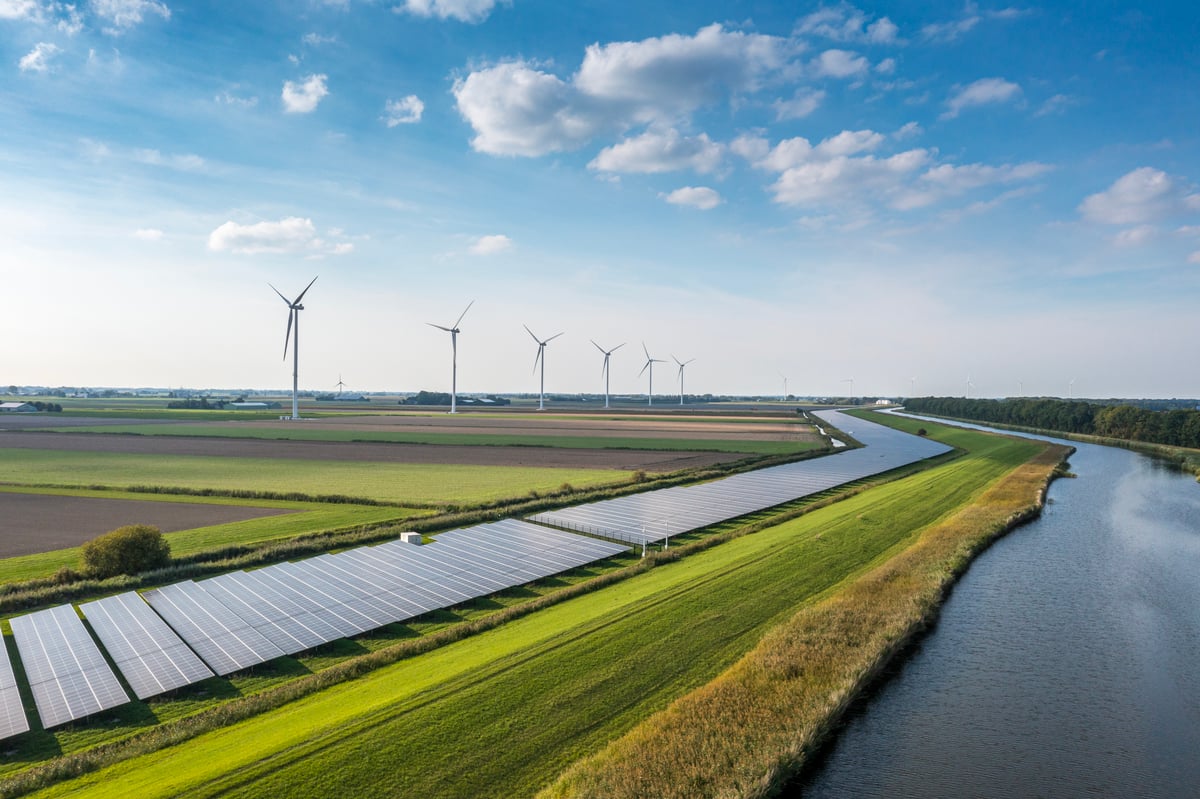
- Renewable Energy Developer: NextEra Energy stands as one of the top renewable energy developers in the U.S., having quickly embraced wind power and secured long-term contracts, ensuring competitiveness even in high oil price scenarios, thus demonstrating its defensive capabilities during market turbulence.
- Natural Gas Utility: As a prominent natural gas utility, NextEra can attract users to switch to cheaper natural gas when oil prices soar, further solidifying its market position in high oil price environments.
- Poor Market Performance: Despite having multiple avenues to benefit from high oil prices, NextEra's stock has declined by 2.5% over the past month, indicating a potential market misjudgment of its prospects, possibly dragged down by overall market sentiment.
- Data Center Demand: NextEra's natural gas operations also provide exposure to the data center market, as natural gas powers some data center hubs, offering additional growth momentum for the company in the future.

NextEra Energy's Stock Decline May Miss Market Potential
- Renewable Energy Advantage: As one of the top renewable energy developers in the U.S., NextEra has quickly embraced wind power and secured long-term contracts, positioning itself to benefit significantly if oil prices remain at $100 per barrel, thereby strengthening its market position.
- Rising Natural Gas Demand: In a high oil price environment, users often switch to cheaper natural gas, and as a major natural gas utility, NextEra is well-positioned to capitalize on this trend, enhancing its revenue streams.
- Market Misjudgment: Despite NextEra's stock declining by 2.5% over the past month, the market may be underestimating its multiple avenues for benefiting from high oil prices, indicating a potential misjudgment by investors regarding its prospects.
- Data Center Demand: NextEra's natural gas operations are also linked to the demand from data centers, and as energy needs for data centers increase, the company stands to gain additional market share in this sector.
Nuclear Renaissance: Geopolitical Tensions Drive Investment
- Surge in Nuclear Demand: The closure of the Strait of Hormuz by Iran amid escalating Middle Eastern tensions has led to rising global oil and gas prices, prompting countries to pivot towards nuclear energy for greater energy independence.
- Global Nuclear Construction: According to the World Nuclear Association, there are currently 75 nuclear reactors under construction worldwide, with another 120 planned, indicating a strong commitment from nations to expand nuclear capacity over the coming decades.
- NextEra Energy's Strategy: As a major nuclear operator in the U.S., NextEra operates seven reactors across four plants and plans to add another by 2029, positioning itself as a prime investment opportunity in the nuclear renaissance.
- Partnership with Google: NextEra has partnered with Alphabet, Google's parent company, to supply electricity from the Duane Arnold Energy Center for 25 years, further advancing nuclear project development and highlighting the significance of nuclear energy in future power production.
Closure of Strait of Hormuz Accelerates Nuclear Energy Shift
- Nuclear Energy Outlook: The closure of the Strait of Hormuz is accelerating global demand for nuclear energy, with 120 reactors planned for construction over the next few decades, indicating strong investment interest from various countries.
- NextEra Energy Performance: As a major nuclear operator in the U.S., NextEra Energy operates seven reactors and is set to add another by 2029, currently generating 6 gigawatts of nuclear power, showcasing its robust growth potential in the nuclear sector.
- Partnership with Alphabet: NextEra's agreement with Alphabet will allow Google to purchase electricity from the resuscitated Duane Arnold Energy Center for the next 25 years, further solidifying NextEra's position in the nuclear market and driving future expansion plans.
- Stable Dividend Yield: With a current dividend yield of 2.54% and a history of 32 consecutive years of dividend increases, NextEra demonstrates financial health, and in light of escalating geopolitical tensions, nuclear investments are expected to become a long-term income opportunity.
A Guide for Managing Market Uncertainty in Q2 2026
Investment Strategies: Investors often choose between aggressive growth strategies or waiting for better market conditions, each carrying its own risks, such as potential losses or missing out on gains during market recoveries.
Johnson & Johnson's Performance: Johnson & Johnson has shifted focus towards innovation in its consumer products division, showing solid year-over-year revenue growth and maintaining strong earnings despite market challenges.
NextEra Energy's Stability: NextEra Energy is recognized for its steady performance in the clean energy sector, balancing growth with predictable cash flow, which appeals to long-term investors seeking stability.
Microsoft's Growth Potential: Microsoft is positioned as a strong investment due to its Azure cloud platform driving significant revenue growth, while maintaining financial stability and funding its expansion without risking shareholder dilution.
Meta Boosts Investment to $10 Billion for AI Data Center in Texas
- Significant Investment Increase: Meta has raised its investment in the Texas AI data center from an initial $1.5 billion to $10 billion, aiming for a capacity of 1GW by 2028, which will significantly enhance its competitive position in AI infrastructure.
- Job Creation: The data center is expected to create 300 new jobs and require over 4,000 construction workers at peak, contributing to local economic recovery and demonstrating Meta's commitment to the community.
- Renewable Energy Commitment: Meta is committed to adding over 5,000 megawatts of clean energy to the grid and is partnering with nonprofits to address local water issues, which will help alleviate environmental concerns raised by the data center's construction.
- Market Response and Challenges: Despite the surge in investment for AI infrastructure, Meta's stock has fallen 16% this year due to its lack of a cloud infrastructure business, facing increased scrutiny from Wall Street, indicating investor concerns about its long-term profitability.
NextEra Energy Positioned to Benefit from Rising Oil Prices
- Renewable Energy Developer: NextEra Energy stands as one of the top renewable energy developers in the U.S., having quickly embraced wind power and secured long-term contracts, ensuring competitiveness even in high oil price scenarios, thus demonstrating its defensive capabilities during market turbulence.
- Natural Gas Utility: As a prominent natural gas utility, NextEra can attract users to switch to cheaper natural gas when oil prices soar, further solidifying its market position in high oil price environments.
- Poor Market Performance: Despite having multiple avenues to benefit from high oil prices, NextEra's stock has declined by 2.5% over the past month, indicating a potential market misjudgment of its prospects, possibly dragged down by overall market sentiment.
- Data Center Demand: NextEra's natural gas operations also provide exposure to the data center market, as natural gas powers some data center hubs, offering additional growth momentum for the company in the future.
NextEra Energy's Stock Decline May Miss Market Potential
- Renewable Energy Advantage: As one of the top renewable energy developers in the U.S., NextEra has quickly embraced wind power and secured long-term contracts, positioning itself to benefit significantly if oil prices remain at $100 per barrel, thereby strengthening its market position.
- Rising Natural Gas Demand: In a high oil price environment, users often switch to cheaper natural gas, and as a major natural gas utility, NextEra is well-positioned to capitalize on this trend, enhancing its revenue streams.
- Market Misjudgment: Despite NextEra's stock declining by 2.5% over the past month, the market may be underestimating its multiple avenues for benefiting from high oil prices, indicating a potential misjudgment by investors regarding its prospects.
- Data Center Demand: NextEra's natural gas operations are also linked to the demand from data centers, and as energy needs for data centers increase, the company stands to gain additional market share in this sector.