

NEWMONT INCREASES BY 5.8%, SIBANYE STILLWATER CLIMBS 5.7%, BARRICK MINING RISES 4.9%, HARMONY GOLD ADVANCES 6.2%
Written by Emily J. Thompson, Senior Investment Analyst
Updated: Mar 25 2026
0mins


Source: moomoo
Newmont's Performance: Newmont's stock has increased by 5.8%.
Sibanye Stillwater's Growth: Sibanye Stillwater's shares have risen by 5.7%.
Barrick Mining's Increase: Barrick Mining's stock has gone up by 4.9%.
Harmony Gold's Gains: Harmony Gold has experienced a 6.2% increase in its stock value.
Trade with 70% Backtested Accuracy
Stop guessing "Should I Buy NEM?" and start using high-conviction signals backed by rigorous historical data.
Sign up today to access powerful investing tools and make smarter, data-driven decisions.
Analyst Views on NEM
Wall Street analysts forecast NEM stock price to rise
14 Analyst Rating
11 Buy
3 Hold
0 Sell
Strong Buy
Current: 97.040

Low
89.00
Averages
110.85
High
125.00
Current: 97.040
Low
89.00
Averages
110.85
High
125.00
About NEM
Newmont Corporation is a gold company and a producer of copper, zinc, lead, and silver with operations and/or assets in the Africa, Australia, Latin America & Caribbean, North America, and Papua New Guinea regions. The Company's operations include Brucejack, Red Chris, Penasquito, Merian, Cerro Negro, Yanacocha, Boddington, Tanami, Cadia, Lihir, Ahafo, and NGM. The Brucejack operation includes four mining leases and six core mineral claims which cover 8,169 acres (3,306 hectares) and 337 mineral claims covering 298,795 acres (120,918 hectares). The Red Chris operation includes five mining leases which cover 12,703 acres and 199 mineral claims, encompassing an area of 164,903 acres (66,734 hectares). Penasquito includes 20 mining concessions for operations comprising 113,231 acres (45,823 hectares) and 60 mining concessions for exploration of 107,456 acres (43,486 hectares). The Merian operation includes one right of exploitation encompassing an area of 41,687 acres (16,870 hectares).
About the author

Emily J. Thompson
Emily J. Thompson, a Chartered Financial Analyst (CFA) with 12 years in investment research, graduated with honors from the Wharton School. Specializing in industrial and technology stocks, she provides in-depth analysis for Intellectia’s earnings and market brief reports.

Newmont Reports Record Q1 Earnings Amid Gold Price Decline

- Record Earnings and Cash Flow: Newmont reported record cash flows in Q1 2026, yet the gold price fell into a bear market in June, causing a 14.9% drop in share price, indicating heightened market concerns over future profitability.
- Stock Price Volatility: With production declines and rising costs, Newmont's stock only rose 10% in the first half of 2026, reflecting a sharp shift in investor sentiment towards the gold market, potentially prompting more investors to take profits ahead of the upcoming Q2 earnings report.
- Production Guidance Downgrade: Management has guided for attributable gold production to decrease from 5.9 million ounces in 2025 to 5.3 million ounces in 2026, primarily due to planned mining sequences and lower ore grades at key sites, which will further exacerbate market concerns about profitability.
- Rising Cost Pressures: Newmont's all-in sustaining costs are projected to rise significantly from $1,358 per ounce in 2025 to $1,680 this year, and this cost pressure combined with gold price volatility may lead to greater downside risks for its stock in the future.
See More

Gold Miners Show Contrarian Potential Amidst Recent Declines

- Quarterly Performance Review: GDX dropped 21% in Q2 2026, falling from $96 in early April to $75 by June 30, yet it remains up 50% over the past year, indicating a potential rebound for gold miners.
- Operational Leverage Effect: When gold prices rise from $2,000 to $3,000, miners' free cash flow significantly increases, demonstrating that miners' profitability amplifies during gold price increases and declines.
- Acquisition Activity Signal: Genesis Minerals' $3.9 billion bid for Vault Minerals indicates that producers view gold resources as cheap and their cash flows as durable, reflecting confidence in the industry's future.
- Investment Strategy Recommendation: GDX should be treated as a satellite position in a portfolio, with gold exposure recommended at 5% to 10%, as miners' operational leverage offers potential upside during gold price increases but also carries high volatility risks.
See More
Central Bank Gold Buying Drives Long-Term Demand
- Central Bank Trend: Central bank gold purchases are expected to continue driving long-term demand, particularly as rising U.S. debt levels encourage these institutions to diversify their reserves by increasing gold holdings.
- Investment Demand Surge: In 2025, a surge in gold investment demand led to a 65% increase in gold prices, and while jewelry demand declined due to higher prices, the robust investment interest underscores gold's appeal as a safe-haven asset.
- ETF Demand Fluctuation: In Q1 2026, ETF demand decreased by 65 metric tons, indicating that investors may liquidate positions during price volatility, although improved central bank demand suggests ongoing market uncertainty.
- Price Sensitivity Impact: Fluctuations in gold prices not only affect investor sentiment but may also stimulate a rebound in jewelry demand, particularly during price declines, further supporting market stability and long-term growth potential.
See More
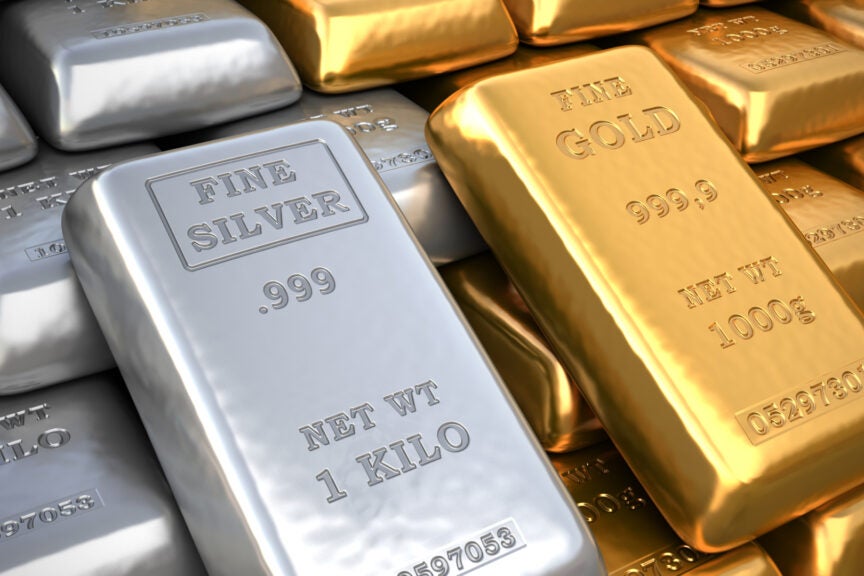
Analysis of Gold Market Volatility in 2026
- Gold Price Volatility: In the first half of 2026, gold experienced significant volatility, with a spike in late January followed by a sharp decline to below $4,100, reflecting a mid-single-digit decline year-to-date and indicating market instability.
- Investment Demand Shift: The 65% surge in gold prices in 2025 was primarily driven by increased investment demand; however, a 65-ton decrease in ETF demand in Q1 2026 suggests that investors began liquidating positions amid price volatility, potentially leading to further market adjustments.
- Central Bank Buying Trend: Despite the drop in ETF demand, net central bank demand improved in Q1, particularly with increased purchases from China, indicating a continuation of the long-term structural trend that may support gold prices moving forward.
- Future Outlook: While there are near-term downside risks, the long-term outlook remains bullish as ongoing central bank purchases and price declines are likely to stimulate jewelry demand, suggesting that investors should consider buying during significant market weakness to capitalize on future price increases.
See More
Newmont Stock Plummets Amid Falling Gold Prices
- Stock Volatility: Newmont (NEM) experienced a 14.9% drop in June, primarily due to falling gold prices and rising production costs, which triggered a sudden shift in investor sentiment, erasing an earlier 10% gain.
- Gold Market Correction: Despite gold reaching an all-time high of $5,608.35 per ounce in January 2026, it has since plummeted over 25% since June, contrasting sharply with persistent inflation and geopolitical tensions in the Middle East.
- Production Outlook Downgrade: Management has guided for a decline in attributable gold production to approximately 5.3 million ounces in 2026 from 5.9 million ounces in 2025, while all-in sustaining costs (AISC) are expected to rise significantly to $1,680 per ounce, raising concerns about profitability.
- Strong Financial Position: Despite these challenges, Newmont exited Q1 with a robust net cash position of $3.2 billion and has authorized an additional $6 billion for share buybacks, demonstrating resilience in a volatile gold market and positioning itself as a top stock to buy on dips.
See More

Mixed Close for US Stocks as Chipmakers Continue to Decline


- Market Divergence: On Thursday, the S&P 500 closed unchanged, while the Dow Jones Industrial Average rose 1.14% to a new all-time high, and the Nasdaq 100 fell 1.61%, indicating a split in market sentiment, particularly due to the ongoing weakness in chip stocks impacting the broader market.
- Employment Data Impact: US nonfarm payrolls rose by 57,000 in June, significantly below the expected 113,000, although the unemployment rate unexpectedly fell to a one-year low of 4.2%, suggesting a stronger labor market than anticipated, which may influence the Fed's interest rate decisions.
- Chipmaker Declines: Chipmakers faced another sell-off on Thursday, with the iShares Semiconductor ETF dropping over 5%, and SanDisk and KLA Corp falling more than 14% and 12%, respectively, reflecting growing market concerns over the sustainability of the AI buildout boom.
- Oil Price Decline Impact: WTI crude oil prices fell to a fresh 4.25-month low as UAE ramped up shipments by 30% in June, restoring exports to pre-war levels, a trend that may further lower inflation expectations and affect market sentiment.
See More
Newmont Reports Record Q1 Earnings Amid Gold Price Decline
- Record Earnings and Cash Flow: Newmont reported record cash flows in Q1 2026, yet the gold price fell into a bear market in June, causing a 14.9% drop in share price, indicating heightened market concerns over future profitability.
- Stock Price Volatility: With production declines and rising costs, Newmont's stock only rose 10% in the first half of 2026, reflecting a sharp shift in investor sentiment towards the gold market, potentially prompting more investors to take profits ahead of the upcoming Q2 earnings report.
- Production Guidance Downgrade: Management has guided for attributable gold production to decrease from 5.9 million ounces in 2025 to 5.3 million ounces in 2026, primarily due to planned mining sequences and lower ore grades at key sites, which will further exacerbate market concerns about profitability.
- Rising Cost Pressures: Newmont's all-in sustaining costs are projected to rise significantly from $1,358 per ounce in 2025 to $1,680 this year, and this cost pressure combined with gold price volatility may lead to greater downside risks for its stock in the future.
See More
Gold Miners Show Contrarian Potential Amidst Recent Declines
- Quarterly Performance Review: GDX dropped 21% in Q2 2026, falling from $96 in early April to $75 by June 30, yet it remains up 50% over the past year, indicating a potential rebound for gold miners.
- Operational Leverage Effect: When gold prices rise from $2,000 to $3,000, miners' free cash flow significantly increases, demonstrating that miners' profitability amplifies during gold price increases and declines.
- Acquisition Activity Signal: Genesis Minerals' $3.9 billion bid for Vault Minerals indicates that producers view gold resources as cheap and their cash flows as durable, reflecting confidence in the industry's future.
- Investment Strategy Recommendation: GDX should be treated as a satellite position in a portfolio, with gold exposure recommended at 5% to 10%, as miners' operational leverage offers potential upside during gold price increases but also carries high volatility risks.
See More
Central Bank Gold Buying Drives Long-Term Demand
- Central Bank Trend: Central bank gold purchases are expected to continue driving long-term demand, particularly as rising U.S. debt levels encourage these institutions to diversify their reserves by increasing gold holdings.
- Investment Demand Surge: In 2025, a surge in gold investment demand led to a 65% increase in gold prices, and while jewelry demand declined due to higher prices, the robust investment interest underscores gold's appeal as a safe-haven asset.
- ETF Demand Fluctuation: In Q1 2026, ETF demand decreased by 65 metric tons, indicating that investors may liquidate positions during price volatility, although improved central bank demand suggests ongoing market uncertainty.
- Price Sensitivity Impact: Fluctuations in gold prices not only affect investor sentiment but may also stimulate a rebound in jewelry demand, particularly during price declines, further supporting market stability and long-term growth potential.
See More
Analysis of Gold Market Volatility in 2026
- Gold Price Volatility: In the first half of 2026, gold experienced significant volatility, with a spike in late January followed by a sharp decline to below $4,100, reflecting a mid-single-digit decline year-to-date and indicating market instability.
- Investment Demand Shift: The 65% surge in gold prices in 2025 was primarily driven by increased investment demand; however, a 65-ton decrease in ETF demand in Q1 2026 suggests that investors began liquidating positions amid price volatility, potentially leading to further market adjustments.
- Central Bank Buying Trend: Despite the drop in ETF demand, net central bank demand improved in Q1, particularly with increased purchases from China, indicating a continuation of the long-term structural trend that may support gold prices moving forward.
- Future Outlook: While there are near-term downside risks, the long-term outlook remains bullish as ongoing central bank purchases and price declines are likely to stimulate jewelry demand, suggesting that investors should consider buying during significant market weakness to capitalize on future price increases.
See More
Newmont Stock Plummets Amid Falling Gold Prices
- Stock Volatility: Newmont (NEM) experienced a 14.9% drop in June, primarily due to falling gold prices and rising production costs, which triggered a sudden shift in investor sentiment, erasing an earlier 10% gain.
- Gold Market Correction: Despite gold reaching an all-time high of $5,608.35 per ounce in January 2026, it has since plummeted over 25% since June, contrasting sharply with persistent inflation and geopolitical tensions in the Middle East.
- Production Outlook Downgrade: Management has guided for a decline in attributable gold production to approximately 5.3 million ounces in 2026 from 5.9 million ounces in 2025, while all-in sustaining costs (AISC) are expected to rise significantly to $1,680 per ounce, raising concerns about profitability.
- Strong Financial Position: Despite these challenges, Newmont exited Q1 with a robust net cash position of $3.2 billion and has authorized an additional $6 billion for share buybacks, demonstrating resilience in a volatile gold market and positioning itself as a top stock to buy on dips.
See More
Mixed Close for US Stocks as Chipmakers Continue to Decline
- Market Divergence: On Thursday, the S&P 500 closed unchanged, while the Dow Jones Industrial Average rose 1.14% to a new all-time high, and the Nasdaq 100 fell 1.61%, indicating a split in market sentiment, particularly due to the ongoing weakness in chip stocks impacting the broader market.
- Employment Data Impact: US nonfarm payrolls rose by 57,000 in June, significantly below the expected 113,000, although the unemployment rate unexpectedly fell to a one-year low of 4.2%, suggesting a stronger labor market than anticipated, which may influence the Fed's interest rate decisions.
- Chipmaker Declines: Chipmakers faced another sell-off on Thursday, with the iShares Semiconductor ETF dropping over 5%, and SanDisk and KLA Corp falling more than 14% and 12%, respectively, reflecting growing market concerns over the sustainability of the AI buildout boom.
- Oil Price Decline Impact: WTI crude oil prices fell to a fresh 4.25-month low as UAE ramped up shipments by 30% in June, restoring exports to pre-war levels, a trend that may further lower inflation expectations and affect market sentiment.
See More





