Most Active Stocks in Pre-Market on October 20, 2025: REPL, RANI, TSLL, SQQQ, BITF, NUAI, ACHR, NIO, BBAI, IONQ, LAC, CLF
Written by Emily J. Thompson, Senior Investment Analyst
Updated: Oct 20 2025
0mins


Source: NASDAQ.COM
NASDAQ 100 Pre-Market Performance: The NASDAQ 100 Pre-Market Indicator is up 125.6 points to 24,943.55, with a total pre-market volume of 372,164,591 shares traded.
Most Active Stocks: Replimune Group, Inc. (REPL) leads with a significant increase of 4.09 to $8.59, while other notable active stocks include Rani Therapeutics Holdings, Inc. (RANI) and Direxion Daily TSLA Bull 2X Shares (TSLL), both showing positive movements.
Trade with 70% Backtested Accuracy
Stop guessing "Should I Buy CL?" and start using high-conviction signals backed by rigorous historical data.
Sign up today to access powerful investing tools and make smarter, data-driven decisions.
Analyst Views on CL
Wall Street analysts forecast CL stock price to fall
15 Analyst Rating
10 Buy
4 Hold
1 Sell
Moderate Buy
Current: 90.580

Low
77.00
Averages
87.79
High
95.00
Current: 90.580
Low
77.00
Averages
87.79
High
95.00
About CL
Colgate-Palmolive Company is a growth company. It is focused on Oral Care, Personal Care, Home Care and Pet Nutrition, it sells its products under brands, such as Colgate, Palmolive, elmex, hello, meridol, Sorriso, Tom's of Maine, EltaMD, Filorga, Irish Spring, Lady Speed Stick, PCA SKIN, Protex, Sanex, Softsoap, Speed Stick, Ajax, Axion, Fabuloso, Murphy, Soupline and Suavitel, as well as Hill's Science Diet and Hill's Prescription Diet. Its Oral, Personal and Home Care product segment is managed geographically in five segments, such as North America, Latin America, Europe, Asia Pacific and Africa/Eurasia, all of which sell primarily to a variety of traditional and e-commerce retailers, wholesalers, distributors, dentists and skin health professionals. Its Pet Nutrition products include specialty pet nutrition products manufactured and marketed by Hill's Pet Nutrition. The customers for Pet Nutrition products are authorized pet supply retailers, veterinarians and e-commerce retailers.
About the author

Emily J. Thompson
Emily J. Thompson, a Chartered Financial Analyst (CFA) with 12 years in investment research, graduated with honors from the Wharton School. Specializing in industrial and technology stocks, she provides in-depth analysis for Intellectia’s earnings and market brief reports.

IRGC Poised to Benefit from Sanctions Relief in Iran
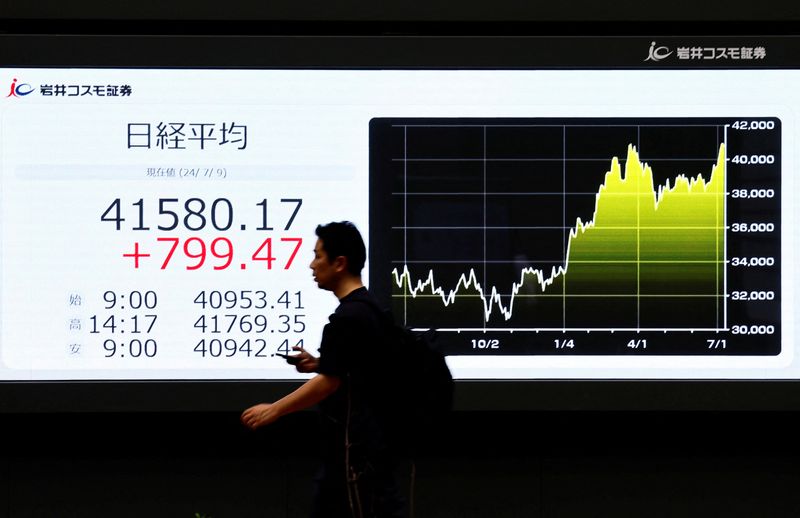
- Economic Expansion: According to an exclusive Reuters report, the Islamic Revolutionary Guard Corps (IRGC) is positioned to gain significant benefits from any sanctions relief due to its extensive presence in key sectors of Iran's economy, particularly in oil exports and economic reconstruction.
- Reconstruction Fund Potential: The anticipated broader agreement could provide Iran access to a reconstruction fund of up to $300 billion, offering the IRGC further opportunities to expand its commercial interests, especially in energy and infrastructure projects.
- Compliance Risk Challenges: Despite potential sanctions relief, legal experts indicate that foreign companies may still face compliance risks when partnering with local firms linked to the IRGC, as the organization remains subject to U.S. terrorism-related sanctions.
- Sustained Economic Influence: The IRGC has expanded its economic influence during sanctions by developing trade and oil export networks, enabling it to maintain a strong position even if broader sanctions remain in place.
See More
Colgate-Palmolive Declares Quarterly Cash Dividend
- Quarterly Cash Dividend: Colgate-Palmolive's Board of Directors declared a cash dividend of $0.53 per common share, payable on August 14, 2026, to shareholders of record on July 20, 2026, reflecting the company's commitment to shareholder returns.
- Dividend History: The company has paid uninterrupted dividends on its common stock since 1895, demonstrating its strong financial health and long-term commitment to shareholders, which enhances investor confidence.
- Global Market Presence: Colgate-Palmolive sells a variety of products under brands like Colgate and Palmolive in over 200 countries, showcasing its extensive influence in the personal and home care sectors, driving global business growth.
- Sustainability Commitment: The company has made significant strides in reducing plastic waste and promoting recyclability, particularly through its Colgate Bright Smiles, Bright Futures program, which has reached approximately two billion children and families since 1991, enhancing brand image and social responsibility.
See More

NYSE Issues Daily Market Update from Trading Floor

- Market Update: The New York Stock Exchange (NYSE) reported in its June 8 pre-market update that equities are higher on Monday morning, indicating market resilience and a recovery in investor confidence despite elevated tensions in the Middle East.
- Capital Allocation Plan: PointFive's Co-Founder and CPO Gal Ben David will disclose how the company plans to allocate $60 million in fresh capital during NYSE Live, a move that could enhance the company's market competitiveness and innovation capabilities.
- New ETF Launch: Man Group's CEO Robyn Grew will discuss the firm's first two active ETFs on the Taking Stock program, marking a strategic expansion into the ETF market that may attract more investor attention.
- Key Conference Participation: SEC Chairman Paul Atkins and NYSE Head of U.S. Listings Tara Dziedzic will speak at the NIRI 2026 conference in Chicago, connecting key decision-makers in the investor relations community to foster industry dialogue and collaboration.
See More

US Stocks Plunge Sharply, Tech Sector Under Pressure


- Market Decline: The S&P 500 fell 2.64% and the Nasdaq 100 dropped 4.77%, indicating a significant loss of investor confidence in tech stocks, particularly as AI infrastructure and semiconductor companies faced sell-offs, which could impact future investment strategies.
- Strong Employment Data: US nonfarm payrolls rose by 172,000 in May, significantly exceeding expectations of 88,000, while the unemployment rate held steady at 4.3%, potentially prompting the Fed to consider a rate hike at the upcoming meeting, thereby affecting market liquidity and investor sentiment.
- Rising Bond Yields: The 10-year Treasury yield climbed to 4.55%, a two-week high, reflecting heightened expectations for future rate hikes, which may lead to capital outflows from the stock market, further exacerbating market volatility.
- Tech Stock Retreat: Following Broadcom's disappointing chip sales outlook, Marvell and Micron stocks plummeted over 16% and 13%, respectively, suggesting that the market's overly optimistic sentiment towards tech stocks may be correcting, impacting investor confidence.
See More

Quantum Stocks Decline While Consumer Staples Rise


- Quantum Stocks Struggle: Quantinuum's debut on Nasdaq was lackluster, closing flat and subsequently dropping over 8% on Friday, falling below its IPO price of $60 per share, indicating market caution towards the quantum computing sector which may impact future funding and investor confidence.
- Consumer Staples Surge: Amid Friday's market sell-off, the consumer staples sector rose 2%, with companies like Colgate-Palmolive, Coca-Cola, and Procter & Gamble gaining over 3%, reflecting investor preference for defensive stocks, which could lead to a shift in capital towards these stable industries.
- Strong Performance in Medical Devices: Cooper Companies reported second-quarter adjusted earnings of $1.21 per share, exceeding the $1.10 consensus estimate, with revenue of $1.08 billion surpassing the $1.05 billion forecast, showcasing robust performance in the medical device sector that may attract more investor interest.
- Software Stocks Outlook Weakens: Docusign's outlook failed to impress, with shares slipping 6% as it projected second-quarter revenue between $865 million and $869 million, slightly below consensus, potentially affecting its future market performance and investor confidence.
See More

Ukrainian Drones Strike Russian Port and Oil Depot
- Attack Overview: Ukrainian drones struck a tanker at Russia's Taganrog port and ignited a fire at an oil depot in Armavir, injuring two people, highlighting the vulnerability of energy infrastructure amid ongoing conflict.
- Emergency Measures Extended: The local state of emergency in Taganrog, in effect since May 27, has been extended according to Mayor Svetlana Kambulova, reflecting ongoing security concerns in the region.
- Drone Interception Details: Rostov region Governor Yury Slyusar reported that nearly 50 drones were downed overnight, indicating enhanced air defense capabilities in the area and underscoring Ukraine's persistent offensive strategy in the conflict.
- Market Impact Monitoring: As energy infrastructure remains a frequent target, markets are closely monitoring developments in the region for potential implications on energy supplies, transportation networks, and commodity flows.
See More
IRGC Poised to Benefit from Sanctions Relief in Iran
- Economic Expansion: According to an exclusive Reuters report, the Islamic Revolutionary Guard Corps (IRGC) is positioned to gain significant benefits from any sanctions relief due to its extensive presence in key sectors of Iran's economy, particularly in oil exports and economic reconstruction.
- Reconstruction Fund Potential: The anticipated broader agreement could provide Iran access to a reconstruction fund of up to $300 billion, offering the IRGC further opportunities to expand its commercial interests, especially in energy and infrastructure projects.
- Compliance Risk Challenges: Despite potential sanctions relief, legal experts indicate that foreign companies may still face compliance risks when partnering with local firms linked to the IRGC, as the organization remains subject to U.S. terrorism-related sanctions.
- Sustained Economic Influence: The IRGC has expanded its economic influence during sanctions by developing trade and oil export networks, enabling it to maintain a strong position even if broader sanctions remain in place.
See More
Colgate-Palmolive Declares Quarterly Cash Dividend
- Quarterly Cash Dividend: Colgate-Palmolive's Board of Directors declared a cash dividend of $0.53 per common share, payable on August 14, 2026, to shareholders of record on July 20, 2026, reflecting the company's commitment to shareholder returns.
- Dividend History: The company has paid uninterrupted dividends on its common stock since 1895, demonstrating its strong financial health and long-term commitment to shareholders, which enhances investor confidence.
- Global Market Presence: Colgate-Palmolive sells a variety of products under brands like Colgate and Palmolive in over 200 countries, showcasing its extensive influence in the personal and home care sectors, driving global business growth.
- Sustainability Commitment: The company has made significant strides in reducing plastic waste and promoting recyclability, particularly through its Colgate Bright Smiles, Bright Futures program, which has reached approximately two billion children and families since 1991, enhancing brand image and social responsibility.
See More
NYSE Issues Daily Market Update from Trading Floor
- Market Update: The New York Stock Exchange (NYSE) reported in its June 8 pre-market update that equities are higher on Monday morning, indicating market resilience and a recovery in investor confidence despite elevated tensions in the Middle East.
- Capital Allocation Plan: PointFive's Co-Founder and CPO Gal Ben David will disclose how the company plans to allocate $60 million in fresh capital during NYSE Live, a move that could enhance the company's market competitiveness and innovation capabilities.
- New ETF Launch: Man Group's CEO Robyn Grew will discuss the firm's first two active ETFs on the Taking Stock program, marking a strategic expansion into the ETF market that may attract more investor attention.
- Key Conference Participation: SEC Chairman Paul Atkins and NYSE Head of U.S. Listings Tara Dziedzic will speak at the NIRI 2026 conference in Chicago, connecting key decision-makers in the investor relations community to foster industry dialogue and collaboration.
See More
US Stocks Plunge Sharply, Tech Sector Under Pressure
- Market Decline: The S&P 500 fell 2.64% and the Nasdaq 100 dropped 4.77%, indicating a significant loss of investor confidence in tech stocks, particularly as AI infrastructure and semiconductor companies faced sell-offs, which could impact future investment strategies.
- Strong Employment Data: US nonfarm payrolls rose by 172,000 in May, significantly exceeding expectations of 88,000, while the unemployment rate held steady at 4.3%, potentially prompting the Fed to consider a rate hike at the upcoming meeting, thereby affecting market liquidity and investor sentiment.
- Rising Bond Yields: The 10-year Treasury yield climbed to 4.55%, a two-week high, reflecting heightened expectations for future rate hikes, which may lead to capital outflows from the stock market, further exacerbating market volatility.
- Tech Stock Retreat: Following Broadcom's disappointing chip sales outlook, Marvell and Micron stocks plummeted over 16% and 13%, respectively, suggesting that the market's overly optimistic sentiment towards tech stocks may be correcting, impacting investor confidence.
See More
Quantum Stocks Decline While Consumer Staples Rise
- Quantum Stocks Struggle: Quantinuum's debut on Nasdaq was lackluster, closing flat and subsequently dropping over 8% on Friday, falling below its IPO price of $60 per share, indicating market caution towards the quantum computing sector which may impact future funding and investor confidence.
- Consumer Staples Surge: Amid Friday's market sell-off, the consumer staples sector rose 2%, with companies like Colgate-Palmolive, Coca-Cola, and Procter & Gamble gaining over 3%, reflecting investor preference for defensive stocks, which could lead to a shift in capital towards these stable industries.
- Strong Performance in Medical Devices: Cooper Companies reported second-quarter adjusted earnings of $1.21 per share, exceeding the $1.10 consensus estimate, with revenue of $1.08 billion surpassing the $1.05 billion forecast, showcasing robust performance in the medical device sector that may attract more investor interest.
- Software Stocks Outlook Weakens: Docusign's outlook failed to impress, with shares slipping 6% as it projected second-quarter revenue between $865 million and $869 million, slightly below consensus, potentially affecting its future market performance and investor confidence.
See More
Ukrainian Drones Strike Russian Port and Oil Depot
- Attack Overview: Ukrainian drones struck a tanker at Russia's Taganrog port and ignited a fire at an oil depot in Armavir, injuring two people, highlighting the vulnerability of energy infrastructure amid ongoing conflict.
- Emergency Measures Extended: The local state of emergency in Taganrog, in effect since May 27, has been extended according to Mayor Svetlana Kambulova, reflecting ongoing security concerns in the region.
- Drone Interception Details: Rostov region Governor Yury Slyusar reported that nearly 50 drones were downed overnight, indicating enhanced air defense capabilities in the area and underscoring Ukraine's persistent offensive strategy in the conflict.
- Market Impact Monitoring: As energy infrastructure remains a frequent target, markets are closely monitoring developments in the region for potential implications on energy supplies, transportation networks, and commodity flows.
See More