Morgan Stanley's Strategic Collaborations Drive Growth
Written by Emily J. Thompson, Senior Investment Analyst
Updated: Mar 11 2026
0mins

Source: NASDAQ.COM
- Enhanced Partnerships: Morgan Stanley is expanding its operational efficiency and entering new markets through collaborations with technology firms and digital asset infrastructure providers, which are expected to strengthen its competitive position and support sustainable growth.
- Acquisition Strategy Deepens: In January 2026, Morgan Stanley acquired EquityZen to deepen its investment in high-growth private companies, broadening investment opportunities for its wealth management clients, reflecting its focus on the private market.
- Digital Asset Expansion: Morgan Stanley's partnership with Zerohash aims to launch cryptocurrency trading on its E*TRADE platform, expected to begin in the first half of 2026, positioning the bank to compete with existing crypto trading platforms while integrating digital assets into its ecosystem.
- Japanese Market Integration: Morgan Stanley is deepening its 15-year alliance with Mitsubishi UFJ Financial Group by merging certain operations within their Japanese brokerage joint ventures, enhancing service capabilities for institutional clients and further solidifying profitability in the Japanese market.
Trade with 70% Backtested Accuracy
Stop guessing "Should I Buy JPM?" and start using high-conviction signals backed by rigorous historical data.
Sign up today to access powerful investing tools and make smarter, data-driven decisions.
Analyst Views on JPM
Wall Street analysts forecast JPM stock price to rise
19 Analyst Rating
11 Buy
7 Hold
1 Sell
Moderate Buy
Current: 306.740

Low
260.00
Averages
341.38
High
400.00
Current: 306.740
Low
260.00
Averages
341.38
High
400.00
About JPM
JPMorgan Chase & Co. is a financial holding company. The Company is engaged in investment banking, financial services for consumers and small businesses, commercial banking, financial transaction processing and asset management. The Company operates through three segments: Consumer & Community Banking (CCB), Commercial & Investment Bank (CIB), and Asset & Wealth Management (AWM). Its CCB segment offers products and services to consumers and small businesses through bank branches, ATMs, digital and telephone banking. Its CIB segment consists of banking and payments and markets and securities services, and offers a suite of investment banking, lending, payments, market-making, financing, custody and securities products and services to a global base of corporate and institutional clients. AWM segment offers investment and wealth management solutions. It offers multi-asset investment management solutions, retirement products and services, brokerage, custody, estate planning, and others.
About the author

Emily J. Thompson
Emily J. Thompson, a Chartered Financial Analyst (CFA) with 12 years in investment research, graduated with honors from the Wharton School. Specializing in industrial and technology stocks, she provides in-depth analysis for Intellectia’s earnings and market brief reports.

JPMorgan CEO Dimon Claims Bank is Over-Earning

- Earnings Guidance Adjustment: JPMorgan CEO Jamie Dimon stated at the Bernstein Conference that the bank is currently 'over-earning,' with net interest income expected to reach $95 billion, while 2026 costs may rise to $106 billion, exceeding previous guidance of $105 billion, which could impact future profitability.
- AI Application Development: Dimon disclosed that JPMorgan is developing 1,000 artificial intelligence use cases, with 50 to 60 classified as significant, indicating the company's ongoing investment in technological innovation aimed at enhancing operational efficiency and customer service.
- Market and Investment Banking Revenue Outlook: Dimon projected an 11% increase in market revenue and a 10% rise in investment banking revenue for the second quarter, reflecting the company's strong performance in the market environment, potentially providing funding for future business expansion.
- Acquisition Opportunity Assessment: Dimon mentioned that JPMorgan could deploy $10 billion to $20 billion for acquisitions in the future, a strategic move that would help the company further solidify its market position and achieve sustainable growth.
See More

JPMorgan Plans Up to $20 Billion Acquisition
- Acquisition Intent: JPMorgan CEO Jamie Dimon stated that the bank could pursue acquisitions up to $20 billion in the coming years, which would mark the largest deal of his 20-year tenure and test regulators' willingness for consolidation among major U.S. banks.
- Caution on Strategy: Dimon emphasized that acquisitions should be viewed as a last resort rather than a growth strategy, warning that executives who overly rely on M&A often compensate for weak organic growth, reflecting his commitment to sustainable business expansion.
- Integration Requirements: Any potential acquisition target must seamlessly integrate into JPMorgan's existing operations, align with the bank's culture, and enhance core businesses rather than operate as a standalone entity, highlighting Dimon's focus on post-acquisition integration.
- Focus on Organic Growth: JPMorgan has primarily relied on organic growth in recent years, with the notable exception of its FDIC-assisted acquisition of First Republic Bank in 2023, indicating a cautious approach to M&A and underscoring the importance of ensuring business health before pursuing acquisitions.
See More
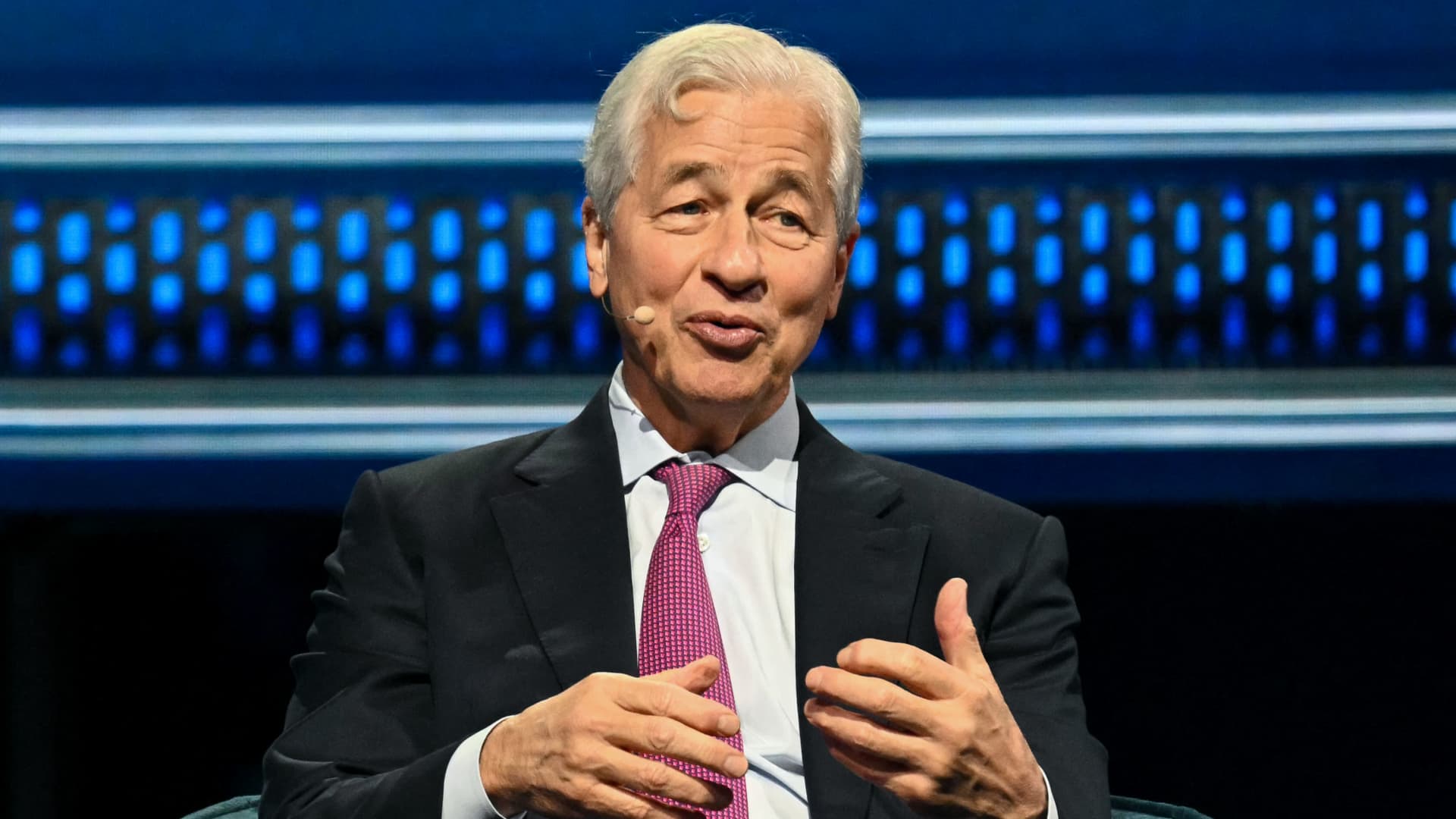
JPMorgan Plans Up to $20 Billion Acquisition
- Acquisition Intent: JPMorgan CEO Jamie Dimon stated that the bank could pursue acquisitions up to $20 billion in the coming years, marking the largest deal of his 20-year tenure, reflecting the company's ambition in M&A.
- Regulatory Challenges: Dimon noted that such a large transaction would test regulators' appetite for consolidation among major U.S. banks, highlighting market concerns and potential risks associated with banking sector mergers.
- Growth Strategy: While Dimon expressed caution regarding M&A as a primary growth strategy, he indicated that JPMorgan would actively seek opportunities if suitable acquisition targets arise to enhance core business operations.
- Organic Growth Priority: Dimon warned that excessive reliance on acquisitions could be compensating for weak organic growth, emphasizing the need for the company to focus on internal growth areas such as sales, technology, and profitability.
See More
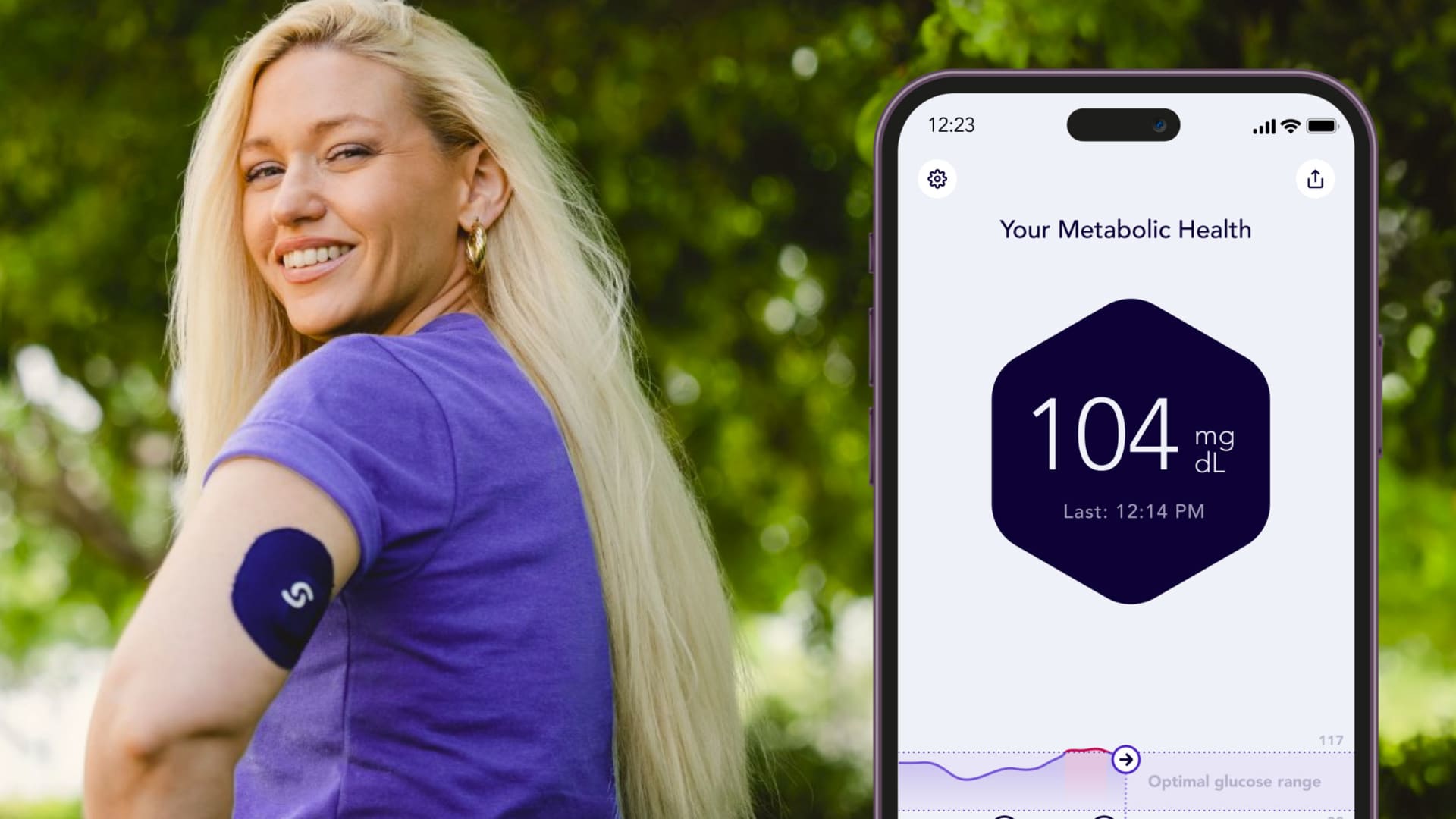
Signos Secures $20 Million Funding to Expand Market Presence
- Funding Expansion: Health tech startup Signos announced a $20 million funding round aimed at solidifying its foothold in the GLP-1-driven weight loss market while expanding its partnership with medical device giant Dexcom, reflecting strong market confidence in its offerings.
- Distribution Agreement: This funding includes a new distribution deal with Dexcom to feature Signos' subscription plans on Dexcom's direct-to-consumer site, which is expected to significantly enhance user acquisition and brand visibility, boosting the company's competitiveness in the rapidly growing weight loss market.
- AI Technology Innovation: Signos plans to use the new funding to expand its predictive AI features, such as meal scoring, which monitors how users' dietary choices affect glucose levels in real-time, providing personalized health recommendations to help users achieve sustainable weight loss goals.
- Market Potential: According to JP Morgan, it is estimated that by 2030, around 25 million Americans will be on GLP-1 drugs, and Signos' service can not only complement drug treatments but also serve as a standalone weight loss system, addressing the increasing market demand.
See More

Signos Secures $20 Million Funding and Expands Partnership with Dexcom

- Funding Expansion: Health tech startup Signos announced a $20 million funding round, solidifying its position in the GLP-1-driven weight loss market while expanding its partnership with medical device giant Dexcom, reflecting investor confidence in its growth potential.
- First FDA-Cleared Product: The AI-powered glucose monitoring system developed by Signos is expected to receive FDA clearance in 2025, becoming the first product focused on healthy weight loss, marking a significant innovation breakthrough in health management.
- New Distribution Agreement: This funding round includes a new distribution deal with Dexcom to feature Signos' subscription plans on Dexcom's direct-to-consumer site, which is anticipated to significantly enhance user acquisition and market penetration to meet the rising demand for weight loss solutions.
- AI Feature Expansion: The fresh funding will also be directed towards expanding predictive AI features, such as meal scoring, which helps users predict the impact of specific foods on their glucose levels before consumption, thereby driving behavior change and enhancing user experience and market competitiveness.
See More

FedEx Stock Expected to Rise After Spin-Off of Freight Business
- Price Target Upgrade: JPMorgan upgraded FedEx's rating from neutral to overweight and raised its price target from $432 to $460, indicating a 15% upside from Tuesday's close, reflecting strong market confidence in the company's future performance.
- Spin-Off Plan: The company's board approved the spin-off of its FedEx Freight unit into an independent publicly traded firm, expected to take effect on Monday, which is anticipated to enhance FedEx's operational momentum and free cash flow profile, supporting its path to 2029 targets.
- Improving Market Sentiment: Analysts noted that sentiment on FDX has steadily improved over the past several quarters as management continues to deliver on transformation initiatives, with hedge funds showing increased preference for the stock ahead of the spin-off, indicating optimistic investor expectations for the company's future.
- Analyst Consensus: According to LSEG data, of the 29 analysts covering FedEx, 17 have a buy or strong buy rating, suggesting a generally positive outlook on the stock, which has risen 38% since the beginning of the year.
See More
JPMorgan CEO Dimon Claims Bank is Over-Earning
- Earnings Guidance Adjustment: JPMorgan CEO Jamie Dimon stated at the Bernstein Conference that the bank is currently 'over-earning,' with net interest income expected to reach $95 billion, while 2026 costs may rise to $106 billion, exceeding previous guidance of $105 billion, which could impact future profitability.
- AI Application Development: Dimon disclosed that JPMorgan is developing 1,000 artificial intelligence use cases, with 50 to 60 classified as significant, indicating the company's ongoing investment in technological innovation aimed at enhancing operational efficiency and customer service.
- Market and Investment Banking Revenue Outlook: Dimon projected an 11% increase in market revenue and a 10% rise in investment banking revenue for the second quarter, reflecting the company's strong performance in the market environment, potentially providing funding for future business expansion.
- Acquisition Opportunity Assessment: Dimon mentioned that JPMorgan could deploy $10 billion to $20 billion for acquisitions in the future, a strategic move that would help the company further solidify its market position and achieve sustainable growth.
See More
JPMorgan Plans Up to $20 Billion Acquisition
- Acquisition Intent: JPMorgan CEO Jamie Dimon stated that the bank could pursue acquisitions up to $20 billion in the coming years, which would mark the largest deal of his 20-year tenure and test regulators' willingness for consolidation among major U.S. banks.
- Caution on Strategy: Dimon emphasized that acquisitions should be viewed as a last resort rather than a growth strategy, warning that executives who overly rely on M&A often compensate for weak organic growth, reflecting his commitment to sustainable business expansion.
- Integration Requirements: Any potential acquisition target must seamlessly integrate into JPMorgan's existing operations, align with the bank's culture, and enhance core businesses rather than operate as a standalone entity, highlighting Dimon's focus on post-acquisition integration.
- Focus on Organic Growth: JPMorgan has primarily relied on organic growth in recent years, with the notable exception of its FDIC-assisted acquisition of First Republic Bank in 2023, indicating a cautious approach to M&A and underscoring the importance of ensuring business health before pursuing acquisitions.
See More
JPMorgan Plans Up to $20 Billion Acquisition
- Acquisition Intent: JPMorgan CEO Jamie Dimon stated that the bank could pursue acquisitions up to $20 billion in the coming years, marking the largest deal of his 20-year tenure, reflecting the company's ambition in M&A.
- Regulatory Challenges: Dimon noted that such a large transaction would test regulators' appetite for consolidation among major U.S. banks, highlighting market concerns and potential risks associated with banking sector mergers.
- Growth Strategy: While Dimon expressed caution regarding M&A as a primary growth strategy, he indicated that JPMorgan would actively seek opportunities if suitable acquisition targets arise to enhance core business operations.
- Organic Growth Priority: Dimon warned that excessive reliance on acquisitions could be compensating for weak organic growth, emphasizing the need for the company to focus on internal growth areas such as sales, technology, and profitability.
See More
Signos Secures $20 Million Funding to Expand Market Presence
- Funding Expansion: Health tech startup Signos announced a $20 million funding round aimed at solidifying its foothold in the GLP-1-driven weight loss market while expanding its partnership with medical device giant Dexcom, reflecting strong market confidence in its offerings.
- Distribution Agreement: This funding includes a new distribution deal with Dexcom to feature Signos' subscription plans on Dexcom's direct-to-consumer site, which is expected to significantly enhance user acquisition and brand visibility, boosting the company's competitiveness in the rapidly growing weight loss market.
- AI Technology Innovation: Signos plans to use the new funding to expand its predictive AI features, such as meal scoring, which monitors how users' dietary choices affect glucose levels in real-time, providing personalized health recommendations to help users achieve sustainable weight loss goals.
- Market Potential: According to JP Morgan, it is estimated that by 2030, around 25 million Americans will be on GLP-1 drugs, and Signos' service can not only complement drug treatments but also serve as a standalone weight loss system, addressing the increasing market demand.
See More
Signos Secures $20 Million Funding and Expands Partnership with Dexcom
- Funding Expansion: Health tech startup Signos announced a $20 million funding round, solidifying its position in the GLP-1-driven weight loss market while expanding its partnership with medical device giant Dexcom, reflecting investor confidence in its growth potential.
- First FDA-Cleared Product: The AI-powered glucose monitoring system developed by Signos is expected to receive FDA clearance in 2025, becoming the first product focused on healthy weight loss, marking a significant innovation breakthrough in health management.
- New Distribution Agreement: This funding round includes a new distribution deal with Dexcom to feature Signos' subscription plans on Dexcom's direct-to-consumer site, which is anticipated to significantly enhance user acquisition and market penetration to meet the rising demand for weight loss solutions.
- AI Feature Expansion: The fresh funding will also be directed towards expanding predictive AI features, such as meal scoring, which helps users predict the impact of specific foods on their glucose levels before consumption, thereby driving behavior change and enhancing user experience and market competitiveness.
See More
FedEx Stock Expected to Rise After Spin-Off of Freight Business
- Price Target Upgrade: JPMorgan upgraded FedEx's rating from neutral to overweight and raised its price target from $432 to $460, indicating a 15% upside from Tuesday's close, reflecting strong market confidence in the company's future performance.
- Spin-Off Plan: The company's board approved the spin-off of its FedEx Freight unit into an independent publicly traded firm, expected to take effect on Monday, which is anticipated to enhance FedEx's operational momentum and free cash flow profile, supporting its path to 2029 targets.
- Improving Market Sentiment: Analysts noted that sentiment on FDX has steadily improved over the past several quarters as management continues to deliver on transformation initiatives, with hedge funds showing increased preference for the stock ahead of the spin-off, indicating optimistic investor expectations for the company's future.
- Analyst Consensus: According to LSEG data, of the 29 analysts covering FedEx, 17 have a buy or strong buy rating, suggesting a generally positive outlook on the stock, which has risen 38% since the beginning of the year.
See More