Middle East Conflict Escalates: Iran and Israel Clash
Written by Emily J. Thompson, Senior Investment Analyst
Updated: 4 days ago
0mins
Should l Buy USB?
Source: CNBC
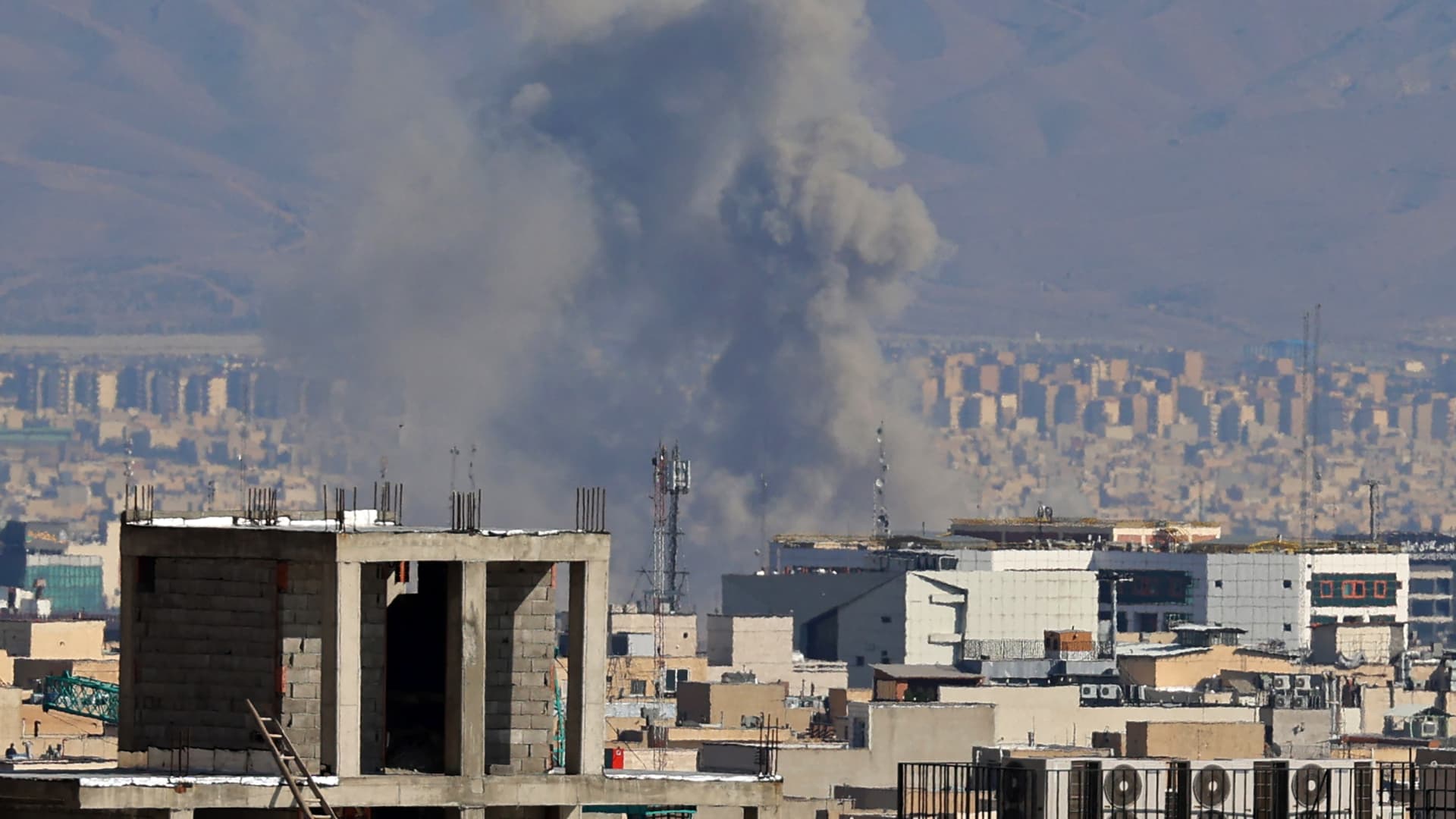
- Conflict Escalation: The conflict in the Middle East has rapidly escalated as the U.S. and Israel's war with Iran enters its sixth day, with Iran launching a series of missile and drone attacks on Israel and U.S. allies, resulting in explosions across multiple countries and severely impacting regional security.
- U.S. Warning: President Trump has indicated that the Iran war could last four to five weeks, but he also cautioned that the conflict might
Trade with 70% Backtested Accuracy
Stop guessing "Should I Buy USB?" and start using high-conviction signals backed by rigorous historical data.
Sign up today to access powerful investing tools and make smarter, data-driven decisions.
Analyst Views on USB
Wall Street analysts forecast USB stock price to rise
20 Analyst Rating
12 Buy
7 Hold
1 Sell
Moderate Buy
Current: 52.370

Low
50.00
Averages
58.87
High
75.00
Current: 52.370
Low
50.00
Averages
58.87
High
75.00
About USB
U.S. Bancorp is a financial services holding company. Its segments are Wealth, Corporate, Commercial and Institutional Banking, Consumer and Business Banking, Payment Services, and Treasury and Corporate Support. It provides a full range of financial services, including lending and depository services, cash management, capital markets, and trust and investment management services. It also engages in credit card services, merchant and ATM processing, mortgage banking, insurance, brokerage and leasing. Its banking subsidiary, U.S. Bank National Association (USBNA), is engaged in the banking business, principally in domestic markets. USBNA provides a range of products and services to individuals, businesses, institutional organizations, governmental entities and other financial institutions. Its non-banking subsidiaries offer investment and insurance products to its customers principally within its domestic markets, and fund administration services to a range of mutual and other funds.
About the author

Emily J. Thompson
Emily J. Thompson, a Chartered Financial Analyst (CFA) with 12 years in investment research, graduated with honors from the Wharton School. Specializing in industrial and technology stocks, she provides in-depth analysis for Intellectia’s earnings and market brief reports.
U.S. Bancorp Launches New Investment Services for Beginners

- Launch of New Services: U.S. Bancorp's registered investment advisor business has introduced a new suite of offerings aimed at assisting new investors and wealth builders, highlighting traditional banks' proactive shift to compete with fintechs.
- Diverse Offerings: The new services include a team-based advisory service for investors with at least $25,000, a self-directed brokerage service with no minimum investment, and a next-generation investment platform that integrates banking and investing, catering to varied client needs.
- Strategic Leadership Appointment: U.S. Bancorp appointed Ryan K. Nelson as president of Emerging Affluent Wealth Management to oversee the launch of these services, demonstrating the company's commitment to the wealth management sector.
- Market Reaction: Despite the introduction of new services, U.S. Bancorp's stock slipped 1.7% in premarket trading, reflecting the broader market weakness impacting the company's stock price.
See More
China's Strategy to Mitigate Surging Oil Prices

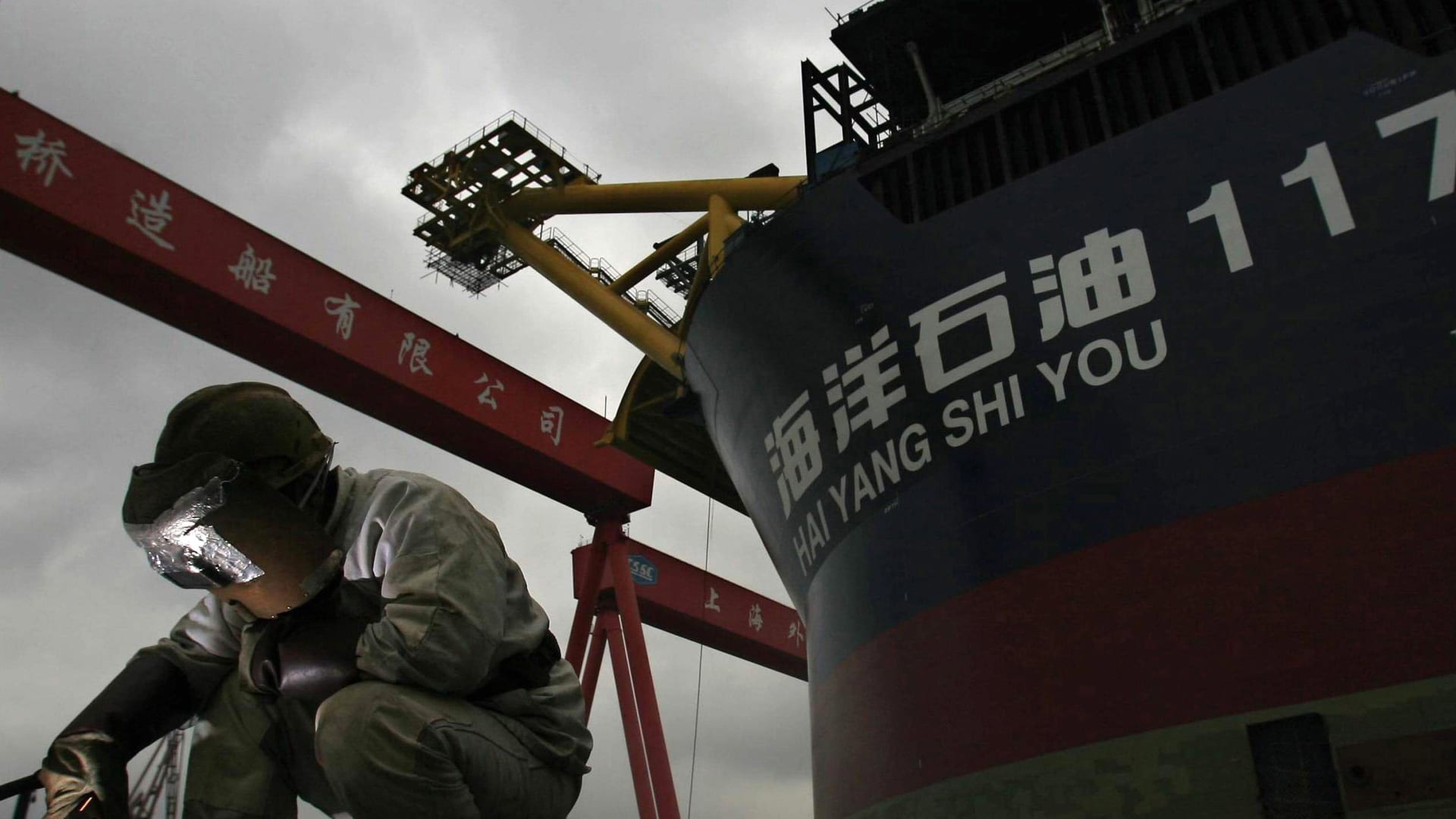
- Mitigated Oil Price Impact: With oil prices surpassing $100 per barrel for the first time, China's substantial 1.2 billion barrels of crude reserves and diversification into renewables suggest a reduced sensitivity to price fluctuations, highlighting its unique position in global energy markets.
- Energy Consumption Transition: By 2030, China aims to increase the share of non-fossil fuels in total energy consumption to 25%, reflecting its commitment to renewables and further decreasing reliance on maritime oil imports, which is crucial for long-term energy security.
- Growing EV Demand: The rapid adoption of electric vehicles, particularly in heavy trucks, has already displaced over 1 million barrels per day of implied oil demand, with expectations of an additional 600,000 barrels per day increase in the next year, showcasing the potential of electrified transportation.
- Strategic Reserve Expansion: China is projected to expand its strategic oil reserves by approximately 1 million barrels per day by 2026, a move that not only enhances energy security but also provides a buffer against future market volatility.
See More
US Orders Non-Emergency Staff to Leave Saudi Arabia Amid Escalating Iran Conflict

- Evacuation Order Issued: The U.S. Embassy in Saudi Arabia has ordered non-emergency American government employees and their families to leave due to heightened risks from armed conflict, terrorism, and missile and drone attacks, marking the first such order since the war began, indicating the severity of the situation.
- Oil Prices Surge: Crude oil prices spiked above $110 per barrel on Monday morning as Middle Eastern energy producers announced output cuts, with West Texas Intermediate rising about 30% to $117 per barrel and Brent crude advancing over 25% to $118 per barrel, reflecting market concerns over supply disruptions.
- Market Reaction Intensifies: Asian stock markets plunged at the open on Monday, signaling a broader regional sell-off amid growing fears of an escalating war and potential oil supply shocks to the global economy, with analysts noting that the market's grace period has ended, potentially leading to a prolonged crisis period.
- International Intervention Heightens: The Australian government is reviewing requests for defensive military support from Gulf nations, while China has sent a special envoy to the Middle East to mediate a ceasefire, highlighting the international community's heightened concern and intervention intentions regarding the regional situation.
See More

Wang Yi Emphasizes Importance of US-China Interaction
- High-Level Exchange Preparations: Wang Yi stated that the agenda for a meeting between the US and Chinese leaders is already set, emphasizing the need for both sides to prepare thoroughly to create a suitable environment, manage existing risks, and avoid misunderstandings and conflicts, thereby ensuring stable development of bilateral relations.
- Trump's Planned Visit to China: President Trump is scheduled to visit China from March 31 to April 2, marking the first visit by a sitting US president since 2017; although the exact dates are yet to be confirmed, this visit could positively impact US-China relations.
- Call for Ceasefire in Iran Conflict: Wang reiterated calls for a ceasefire in the Iran conflict, stating that the war brings no benefits, and emphasized China's role in promoting constructive engagement in international affairs to foster global stability.
- Tariff Negotiation Dynamics: The US and China reached a fragile truce in October to lower tariffs to below 50%, and Wang warned against exacerbating tensions through economic and technological decoupling, which could have detrimental effects on the global economy.
See More

U.S. Bancorp Impact Finance Achieves Record Results in 2025
- Record Financing: U.S. Bancorp Impact Finance raised approximately $5.7 billion in third-party capital in 2025 through its tax credit syndications platform, involving 58 institutional investors, marking the highest annual total in the company's history and underscoring its leadership in community development and sustainable investing.
- Support for Housing and Energy: The platform financed 6,812 affordable housing units through Low Income Housing Tax Credits (LIHTC) across 19 states, while also financing 4.4 GW of renewable energy generation capacity through Renewable Energy Tax Credits (RETC), thereby driving economic development and community enhancement.
- Growing Market Demand: Since the Inflation Reduction Act authorized tax credit transferability in 2023, U.S. Bancorp Impact Finance has surpassed $7 billion in tax credit transfers, reflecting rapid investor recognition of the value and efficiency of this new solution, with expectations for continued market expansion.
- Long-term Strategic Assurance: The NMTC program was made a permanent part of the U.S. tax code in 2025, providing long-term certainty for investors and communities, further solidifying U.S. Bancorp Impact Finance's strategic position in promoting sustainable economic growth and community development.
See More
Tensions Rise Ahead of US-China Trade Talks

- High-Level Talks: On October 30, 2025, US President Donald Trump and Chinese President Xi Jinping met in South Korea to seek a truce in their trade war, with Trump expressing optimism about the meeting while China remained cautious, highlighting the complexities in their trade relations.
- Impact of Iran War: The US military actions against Iran have heightened tensions between the US and China, particularly given China's status as the largest buyer of Iranian oil, suggesting that Trump's aggressive stance could influence the atmosphere of the upcoming summit.
- Market Reactions: The military conflict has disrupted shipments through the Strait of Hormuz, causing a rebound in international oil prices and creating visible ripples in the global economy, especially affecting China and other Asian economies reliant on oil from the region.
- China's Strategic Considerations: Despite facing US military pressure, China has responded with an unusually soft tone, indicating its desire to maintain dialogue with the US, particularly in light of its expanding investments in the Middle East, which may influence future bilateral relations.
See More
U.S. Bancorp Launches New Investment Services for Beginners
- Launch of New Services: U.S. Bancorp's registered investment advisor business has introduced a new suite of offerings aimed at assisting new investors and wealth builders, highlighting traditional banks' proactive shift to compete with fintechs.
- Diverse Offerings: The new services include a team-based advisory service for investors with at least $25,000, a self-directed brokerage service with no minimum investment, and a next-generation investment platform that integrates banking and investing, catering to varied client needs.
- Strategic Leadership Appointment: U.S. Bancorp appointed Ryan K. Nelson as president of Emerging Affluent Wealth Management to oversee the launch of these services, demonstrating the company's commitment to the wealth management sector.
- Market Reaction: Despite the introduction of new services, U.S. Bancorp's stock slipped 1.7% in premarket trading, reflecting the broader market weakness impacting the company's stock price.
See More
China's Strategy to Mitigate Surging Oil Prices
- Mitigated Oil Price Impact: With oil prices surpassing $100 per barrel for the first time, China's substantial 1.2 billion barrels of crude reserves and diversification into renewables suggest a reduced sensitivity to price fluctuations, highlighting its unique position in global energy markets.
- Energy Consumption Transition: By 2030, China aims to increase the share of non-fossil fuels in total energy consumption to 25%, reflecting its commitment to renewables and further decreasing reliance on maritime oil imports, which is crucial for long-term energy security.
- Growing EV Demand: The rapid adoption of electric vehicles, particularly in heavy trucks, has already displaced over 1 million barrels per day of implied oil demand, with expectations of an additional 600,000 barrels per day increase in the next year, showcasing the potential of electrified transportation.
- Strategic Reserve Expansion: China is projected to expand its strategic oil reserves by approximately 1 million barrels per day by 2026, a move that not only enhances energy security but also provides a buffer against future market volatility.
See More
US Orders Non-Emergency Staff to Leave Saudi Arabia Amid Escalating Iran Conflict
- Evacuation Order Issued: The U.S. Embassy in Saudi Arabia has ordered non-emergency American government employees and their families to leave due to heightened risks from armed conflict, terrorism, and missile and drone attacks, marking the first such order since the war began, indicating the severity of the situation.
- Oil Prices Surge: Crude oil prices spiked above $110 per barrel on Monday morning as Middle Eastern energy producers announced output cuts, with West Texas Intermediate rising about 30% to $117 per barrel and Brent crude advancing over 25% to $118 per barrel, reflecting market concerns over supply disruptions.
- Market Reaction Intensifies: Asian stock markets plunged at the open on Monday, signaling a broader regional sell-off amid growing fears of an escalating war and potential oil supply shocks to the global economy, with analysts noting that the market's grace period has ended, potentially leading to a prolonged crisis period.
- International Intervention Heightens: The Australian government is reviewing requests for defensive military support from Gulf nations, while China has sent a special envoy to the Middle East to mediate a ceasefire, highlighting the international community's heightened concern and intervention intentions regarding the regional situation.
See More
Wang Yi Emphasizes Importance of US-China Interaction
- High-Level Exchange Preparations: Wang Yi stated that the agenda for a meeting between the US and Chinese leaders is already set, emphasizing the need for both sides to prepare thoroughly to create a suitable environment, manage existing risks, and avoid misunderstandings and conflicts, thereby ensuring stable development of bilateral relations.
- Trump's Planned Visit to China: President Trump is scheduled to visit China from March 31 to April 2, marking the first visit by a sitting US president since 2017; although the exact dates are yet to be confirmed, this visit could positively impact US-China relations.
- Call for Ceasefire in Iran Conflict: Wang reiterated calls for a ceasefire in the Iran conflict, stating that the war brings no benefits, and emphasized China's role in promoting constructive engagement in international affairs to foster global stability.
- Tariff Negotiation Dynamics: The US and China reached a fragile truce in October to lower tariffs to below 50%, and Wang warned against exacerbating tensions through economic and technological decoupling, which could have detrimental effects on the global economy.
See More
U.S. Bancorp Impact Finance Achieves Record Results in 2025
- Record Financing: U.S. Bancorp Impact Finance raised approximately $5.7 billion in third-party capital in 2025 through its tax credit syndications platform, involving 58 institutional investors, marking the highest annual total in the company's history and underscoring its leadership in community development and sustainable investing.
- Support for Housing and Energy: The platform financed 6,812 affordable housing units through Low Income Housing Tax Credits (LIHTC) across 19 states, while also financing 4.4 GW of renewable energy generation capacity through Renewable Energy Tax Credits (RETC), thereby driving economic development and community enhancement.
- Growing Market Demand: Since the Inflation Reduction Act authorized tax credit transferability in 2023, U.S. Bancorp Impact Finance has surpassed $7 billion in tax credit transfers, reflecting rapid investor recognition of the value and efficiency of this new solution, with expectations for continued market expansion.
- Long-term Strategic Assurance: The NMTC program was made a permanent part of the U.S. tax code in 2025, providing long-term certainty for investors and communities, further solidifying U.S. Bancorp Impact Finance's strategic position in promoting sustainable economic growth and community development.
See More
Tensions Rise Ahead of US-China Trade Talks
- High-Level Talks: On October 30, 2025, US President Donald Trump and Chinese President Xi Jinping met in South Korea to seek a truce in their trade war, with Trump expressing optimism about the meeting while China remained cautious, highlighting the complexities in their trade relations.
- Impact of Iran War: The US military actions against Iran have heightened tensions between the US and China, particularly given China's status as the largest buyer of Iranian oil, suggesting that Trump's aggressive stance could influence the atmosphere of the upcoming summit.
- Market Reactions: The military conflict has disrupted shipments through the Strait of Hormuz, causing a rebound in international oil prices and creating visible ripples in the global economy, especially affecting China and other Asian economies reliant on oil from the region.
- China's Strategic Considerations: Despite facing US military pressure, China has responded with an unusually soft tone, indicating its desire to maintain dialogue with the US, particularly in light of its expanding investments in the Middle East, which may influence future bilateral relations.
See More