

Michael Burry Reenters Investment Scene with Microsoft Bet
Written by Emily J. Thompson, Senior Investment Analyst
Updated: Apr 24 2026
0mins


Source: Fool
- New Investment Direction: Michael Burry recently announced a new investment in Microsoft (MSFT) through his Substack, reflecting his confidence in 'bombed-out software and payment stocks,' despite Microsoft experiencing a 23% drop in Q1, marking its worst performance since the 2008 financial crisis.
- Software Sector Analysis: Burry believes the pressures facing the software industry stem from a 'reflexive positive feedback loop' between declining software stock prices and corporate debt, but he asserts that this dynamic cannot persist much longer, suggesting a potential rebound ahead.
- AI Impact Assessment: While Burry acknowledges the serious impacts of AI on several software companies, he remains unconcerned about the stocks he has chosen, believing they still hold investment value, particularly given the strong performance of Microsoft's Azure cloud business.
- Copilot Growth Potential: Although Microsoft's AI assistant Copilot currently has only 15 million paid users, a small fraction of its Microsoft 365 user base, CEO Satya Nadella is actively working on releasing new features, which could become a growth engine in the future, despite the presence of many AI assistant options in the market.
Trade with 70% Backtested Accuracy
Stop guessing "Should I Buy MSFT?" and start using high-conviction signals backed by rigorous historical data.
Sign up today to access powerful investing tools and make smarter, data-driven decisions.
Analyst Views on MSFT
Wall Street analysts forecast MSFT stock price to rise
34 Analyst Rating
32 Buy
2 Hold
0 Sell
Strong Buy
Current: 390.340

Low
500.00
Averages
631.36
High
678.00
Current: 390.340
Low
500.00
Averages
631.36
High
678.00
About MSFT
Microsoft Corporation is a technology company. The Company develops and supports software, services, devices, and solutions. The Company’s segments include Productivity and Business Processes, Intelligent Cloud, and More Personal Computing. The Productivity and Business Processes segment consists of products and services in its portfolio of productivity, communication, and information services. This segment primarily comprises: Office Commercial, Office Consumer, LinkedIn, and Dynamics business solutions. The Intelligent Cloud segment consists of server products and cloud services, including Azure and other cloud services, SQL Server, Windows Server, Visual Studio, System Center, and related Client Access Licenses (CALs), and Nuance and GitHub; and Enterprise Services, including enterprise support services, industry solutions and Nuance professional services. The More Personal Computing segment primarily comprises Windows, Devices, Gaming, and search and news advertising.
About the author

Emily J. Thompson
Emily J. Thompson, a Chartered Financial Analyst (CFA) with 12 years in investment research, graduated with honors from the Wharton School. Specializing in industrial and technology stocks, she provides in-depth analysis for Intellectia’s earnings and market brief reports.

Nadella Advocates for Balancing AI and Human Capital

- Integration of AI and Human Capital: Microsoft CEO Nadella emphasized that companies must embed AI technology more deeply with human capital rather than merely viewing it as a productivity tool, fundamentally altering how work is organized within enterprises.
- Market Sentiment Decline: Despite Microsoft's first-mover advantage in AI, its stock has declined 19% year-over-year, the worst among the 'Magnificent Seven', reflecting investor concerns about the risks associated with substantial investments in new technology.
- Ongoing Layoff Trends: As internal AI adoption drives efficiency, companies like Amazon and Meta have laid off thousands, and Nadella anticipates this trend will continue, urging firms to focus on maintaining the value of human capital amidst AI advancements.
- New Intellectual Property Model: Nadella highlighted the need for companies to convert workflows and domain knowledge into AI systems that learn continuously, creating a new form of intellectual property that generates a compounding advantage difficult for competitors to replicate.
See More
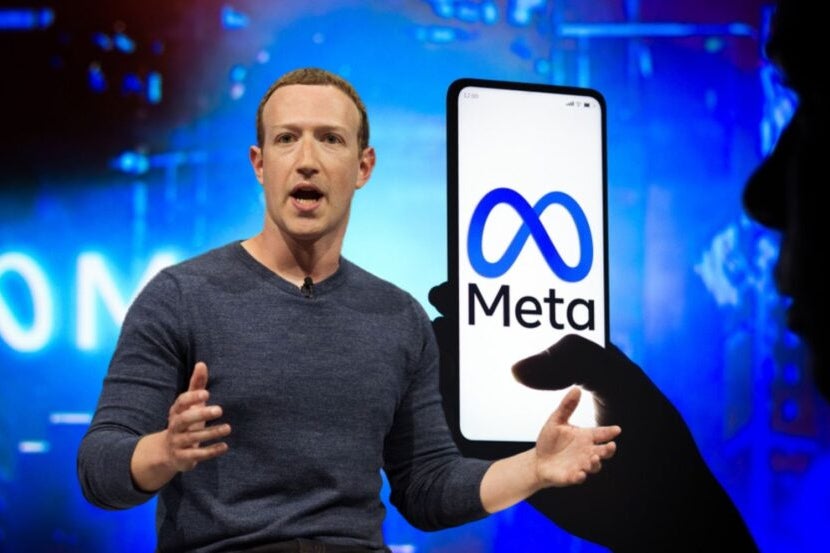
SpaceX's IPO Day Valuation Hits $2.1 Trillion

- First Day Trading Performance: SpaceX's stock surged over 19% on its IPO day, opening at $150 and closing above $160, achieving a market valuation of $2.1 trillion, which places it among the world's leading tech giants and reflects strong market confidence in its growth prospects.
- Record IPO Financing: The IPO raised $75 billion, setting a record for the largest IPO ever, indicating investor optimism regarding SpaceX's long-term potential in rocket launches, satellite connectivity, and artificial intelligence, thereby solidifying its market position.
- Strong Revenue Growth: SpaceX's Starlink service generated $4.4 billion in operational income last year, marking a 120% year-over-year increase, demonstrating robust performance in the satellite connectivity market and promising continued revenue growth for the company.
- High-Risk Investment Outlook: Despite SpaceX's significant growth potential, its capital expenditures in AI reached $12 billion, and the company reported an annual loss of $4.9 billion, highlighting the investment risks and technological uncertainties it faces, necessitating careful evaluation of future investment opportunities.
See More

SpaceX Sets Record with $75 Billion IPO
- Outstanding IPO Performance: SpaceX raised $75 billion in its IPO, marking the largest in history, with a first-day stock price increase of over 19%, reaching a market value of $2.1 trillion, quickly placing it among the world's tech giants and reflecting strong market confidence in its growth prospects.
- Growth Potential: SpaceX's Starlink service generated $4.4 billion in operational income last year, a 120% year-over-year increase, indicating robust growth potential in the satellite connectivity sector, which will further drive overall revenue growth for the company.
- Investment and Risk: Despite capital expenditures in AI reaching $12 billion and an overall loss of $4.9 billion last year, Musk's ambitious vision and ongoing investments may yield significant returns in the future, although risks remain high.
- Market Performance Forecast: Historical data shows that 8 out of the 10 largest IPOs experienced stock price declines in the three months following their debut, with an average drop of about 13%, suggesting that SpaceX's stock may face adjustments in the coming months, prompting investors to approach short-term volatility with caution.
See More
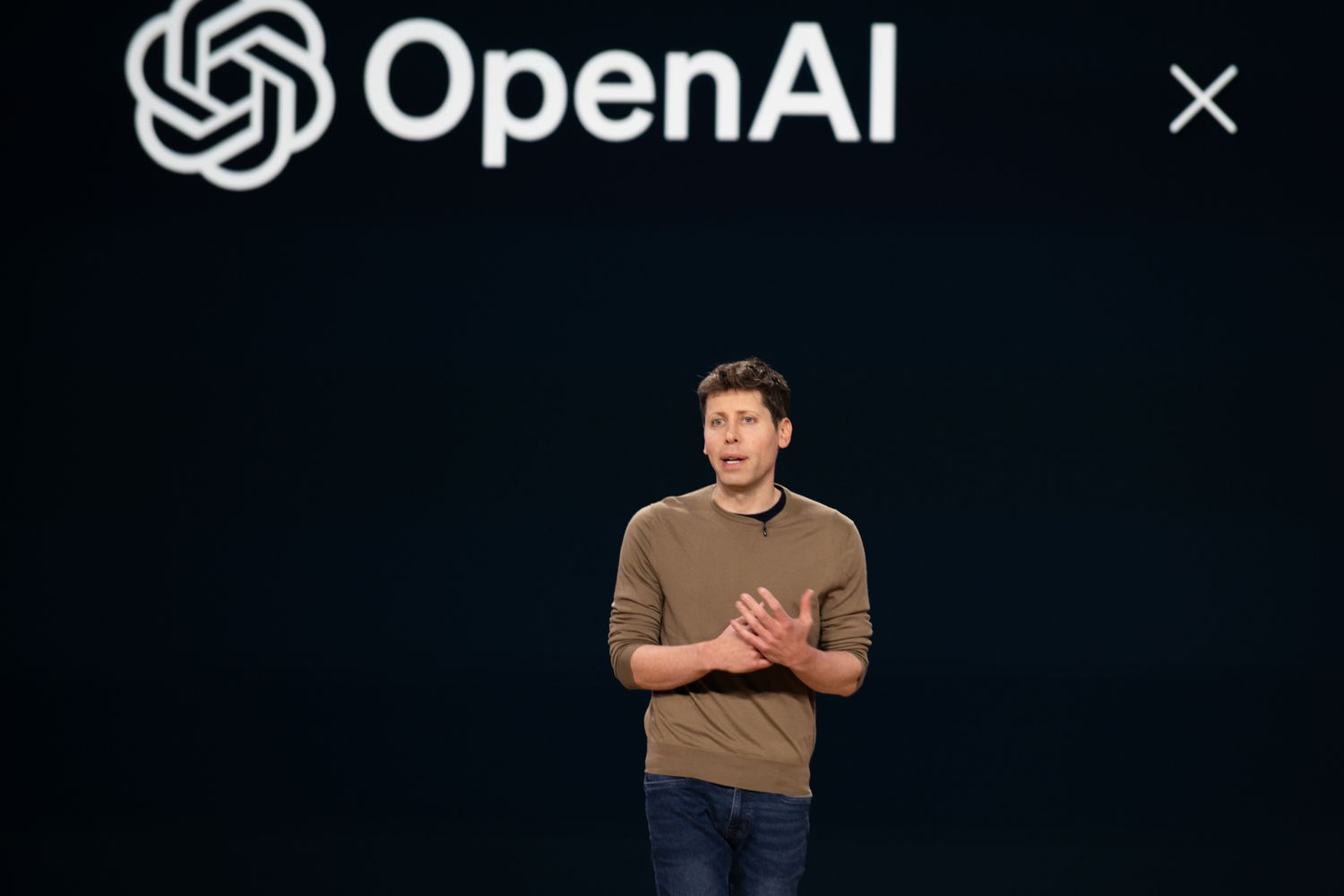
SpaceX Completes Largest IPO in History


- Record IPO Size: On June 12, SpaceX successfully completed the largest initial public offering in history, raising approximately $75 billion with a valuation of $1.75 trillion, more than double any previous market debut, indicating strong market confidence in its future growth.
- Strong Market Demand: Despite being priced at over 90 times its 2025 revenue and posting a $4.9 billion net loss, SpaceX's IPO was oversubscribed, with retail investors reportedly submitting over $70 billion in orders, reflecting enthusiasm for the space and AI sectors.
- Surge in AI Spending: The four largest tech companies are projected to increase capital expenditures by 77% to $725 billion in 2023, and despite cash flow pressures, with Amazon's free cash flow down 95%, demand for cloud computing and data centers remains robust.
- Uncertain Future Outlook: While the demand for AI is immense, many corporate generative AI pilot projects have yet to yield measurable returns, prompting investors to carefully assess the relationship between future profitability and current high valuations.
See More

SpaceX Completes Record $75 Billion IPO Amid AI Spending Surge
- Record IPO: On June 12, SpaceX completed the largest initial public offering (IPO) in history, raising approximately $75 billion at a valuation of $1.75 trillion, more than double any previous stock market debut, indicating strong market confidence in its growth potential.
- Significant Stock Surge: By the closing bell, SpaceX's stock jumped 19%, elevating the company's market value above $2 trillion, reflecting investor optimism regarding its potential in the artificial intelligence sector and robust market demand.
- Surge in AI Spending: Amid SpaceX's IPO, the four largest tech companies are projected to spend about $725 billion on capital expenditures this year, a 77% increase from last year, highlighting the sustained strong demand for AI technologies despite high valuations and uncertain profitability.
- Divergent Market Outlook: While some analysts warn that the current high valuations and substantial losses may signal a market peak, others argue that the immense market demand and ongoing investments will drive future profit growth, prompting investors to carefully assess risks and opportunities.
See More

SpaceX IPO Shows Tremendous Potential


- Successful SpaceX IPO: SpaceX's IPO was executed at a fixed price, with underwriters Goldman Sachs and Morgan Stanley ensuring nearly all investors profited, reflecting strong market confidence in its future growth potential.
- Substantial Contract Revenue: SpaceX has lucrative contracts with Google worth $920 million per month and Anthropic at $1.25 billion monthly, indicating its dominant position in the compute rental market and significant profitability.
- Starlink User Growth: With 12 million subscribers, Starlink is poised to attract more users if it can rapidly manufacture satellites and expand coverage, potentially threatening services like Netflix and further increasing its market share.
- Optimistic Future Outlook: As SpaceX's divisions continue to evolve, market sentiment remains bullish, especially with the potential inclusion in the Nasdaq 100, which could attract more capital inflows and drive stock prices higher.
See More
Nadella Advocates for Balancing AI and Human Capital
- Integration of AI and Human Capital: Microsoft CEO Nadella emphasized that companies must embed AI technology more deeply with human capital rather than merely viewing it as a productivity tool, fundamentally altering how work is organized within enterprises.
- Market Sentiment Decline: Despite Microsoft's first-mover advantage in AI, its stock has declined 19% year-over-year, the worst among the 'Magnificent Seven', reflecting investor concerns about the risks associated with substantial investments in new technology.
- Ongoing Layoff Trends: As internal AI adoption drives efficiency, companies like Amazon and Meta have laid off thousands, and Nadella anticipates this trend will continue, urging firms to focus on maintaining the value of human capital amidst AI advancements.
- New Intellectual Property Model: Nadella highlighted the need for companies to convert workflows and domain knowledge into AI systems that learn continuously, creating a new form of intellectual property that generates a compounding advantage difficult for competitors to replicate.
See More
SpaceX's IPO Day Valuation Hits $2.1 Trillion
- First Day Trading Performance: SpaceX's stock surged over 19% on its IPO day, opening at $150 and closing above $160, achieving a market valuation of $2.1 trillion, which places it among the world's leading tech giants and reflects strong market confidence in its growth prospects.
- Record IPO Financing: The IPO raised $75 billion, setting a record for the largest IPO ever, indicating investor optimism regarding SpaceX's long-term potential in rocket launches, satellite connectivity, and artificial intelligence, thereby solidifying its market position.
- Strong Revenue Growth: SpaceX's Starlink service generated $4.4 billion in operational income last year, marking a 120% year-over-year increase, demonstrating robust performance in the satellite connectivity market and promising continued revenue growth for the company.
- High-Risk Investment Outlook: Despite SpaceX's significant growth potential, its capital expenditures in AI reached $12 billion, and the company reported an annual loss of $4.9 billion, highlighting the investment risks and technological uncertainties it faces, necessitating careful evaluation of future investment opportunities.
See More
SpaceX Sets Record with $75 Billion IPO
- Outstanding IPO Performance: SpaceX raised $75 billion in its IPO, marking the largest in history, with a first-day stock price increase of over 19%, reaching a market value of $2.1 trillion, quickly placing it among the world's tech giants and reflecting strong market confidence in its growth prospects.
- Growth Potential: SpaceX's Starlink service generated $4.4 billion in operational income last year, a 120% year-over-year increase, indicating robust growth potential in the satellite connectivity sector, which will further drive overall revenue growth for the company.
- Investment and Risk: Despite capital expenditures in AI reaching $12 billion and an overall loss of $4.9 billion last year, Musk's ambitious vision and ongoing investments may yield significant returns in the future, although risks remain high.
- Market Performance Forecast: Historical data shows that 8 out of the 10 largest IPOs experienced stock price declines in the three months following their debut, with an average drop of about 13%, suggesting that SpaceX's stock may face adjustments in the coming months, prompting investors to approach short-term volatility with caution.
See More
SpaceX Completes Largest IPO in History
- Record IPO Size: On June 12, SpaceX successfully completed the largest initial public offering in history, raising approximately $75 billion with a valuation of $1.75 trillion, more than double any previous market debut, indicating strong market confidence in its future growth.
- Strong Market Demand: Despite being priced at over 90 times its 2025 revenue and posting a $4.9 billion net loss, SpaceX's IPO was oversubscribed, with retail investors reportedly submitting over $70 billion in orders, reflecting enthusiasm for the space and AI sectors.
- Surge in AI Spending: The four largest tech companies are projected to increase capital expenditures by 77% to $725 billion in 2023, and despite cash flow pressures, with Amazon's free cash flow down 95%, demand for cloud computing and data centers remains robust.
- Uncertain Future Outlook: While the demand for AI is immense, many corporate generative AI pilot projects have yet to yield measurable returns, prompting investors to carefully assess the relationship between future profitability and current high valuations.
See More
SpaceX Completes Record $75 Billion IPO Amid AI Spending Surge
- Record IPO: On June 12, SpaceX completed the largest initial public offering (IPO) in history, raising approximately $75 billion at a valuation of $1.75 trillion, more than double any previous stock market debut, indicating strong market confidence in its growth potential.
- Significant Stock Surge: By the closing bell, SpaceX's stock jumped 19%, elevating the company's market value above $2 trillion, reflecting investor optimism regarding its potential in the artificial intelligence sector and robust market demand.
- Surge in AI Spending: Amid SpaceX's IPO, the four largest tech companies are projected to spend about $725 billion on capital expenditures this year, a 77% increase from last year, highlighting the sustained strong demand for AI technologies despite high valuations and uncertain profitability.
- Divergent Market Outlook: While some analysts warn that the current high valuations and substantial losses may signal a market peak, others argue that the immense market demand and ongoing investments will drive future profit growth, prompting investors to carefully assess risks and opportunities.
See More
SpaceX IPO Shows Tremendous Potential
- Successful SpaceX IPO: SpaceX's IPO was executed at a fixed price, with underwriters Goldman Sachs and Morgan Stanley ensuring nearly all investors profited, reflecting strong market confidence in its future growth potential.
- Substantial Contract Revenue: SpaceX has lucrative contracts with Google worth $920 million per month and Anthropic at $1.25 billion monthly, indicating its dominant position in the compute rental market and significant profitability.
- Starlink User Growth: With 12 million subscribers, Starlink is poised to attract more users if it can rapidly manufacture satellites and expand coverage, potentially threatening services like Netflix and further increasing its market share.
- Optimistic Future Outlook: As SpaceX's divisions continue to evolve, market sentiment remains bullish, especially with the potential inclusion in the Nasdaq 100, which could attract more capital inflows and drive stock prices higher.
See More




