Market Update: Analysis of Key Company Performances
Written by Emily J. Thompson, Senior Investment Analyst
Updated: Apr 24 2026
0mins


Source: CNBC
- Critical Metals Insight: Critical Metals suggests that to invest in the sector, one must buy MP Materials, indicating a reliance on industry leaders that could influence investor choices and market dynamics.
- SoundHound AI Exit Strategy: SoundHound AI has stated it will not participate in certain businesses, reflecting a reevaluation of its future strategy, which may raise investor concerns about its long-term growth potential.
- Dave's Product Shift: Dave plans to sell its fintech business to focus on energy bars, indicating a significant shift in market positioning that could affect its brand image and market share.
- Rivian's Quarterly Performance: Rivian Automotive expressed surprise at its last quarter's performance, believing the company is on track for profitability, which could boost investor confidence and drive stock price increases.
Trade with 70% Backtested Accuracy
Stop guessing "Should I Buy RIVN?" and start using high-conviction signals backed by rigorous historical data.
Sign up today to access powerful investing tools and make smarter, data-driven decisions.
Analyst Views on RIVN
Wall Street analysts forecast RIVN stock price to rise
18 Analyst Rating
8 Buy
7 Hold
3 Sell
Moderate Buy
Current: 16.260

Low
10.00
Averages
17.78
High
25.00
Current: 16.260
Low
10.00
Averages
17.78
High
25.00
About RIVN
Rivian Automotive, Inc. is an automotive technology company, which is engaged in developing and manufacturing category-defining electric vehicles (EVs) as well as vertically integrated technologies and services. The Company's R1 platform consists of two vehicles: the R1T, a two-row five-passenger pickup truck, and the R1S, a three-row seven-passenger sport utility vehicle (SUV). In the commercial market, the Company offers a Rivian Commercial Vehicle (RCV) platform. The vehicle on this platform is the Electric Delivery Van (EDV), designed and engineered by Rivian in collaboration with Amazon. The Company also offers FleetOS, its proprietary, end-to-end centralized fleet management subscription platform. It also offers a variety of services, including vehicle repair and maintenance, financing, insurance, joint venture, software subscriptions, and vehicle accessories, among others. Its other services include vehicle electrical architecture and software development services, and more.
About the author

Emily J. Thompson
Emily J. Thompson, a Chartered Financial Analyst (CFA) with 12 years in investment research, graduated with honors from the Wharton School. Specializing in industrial and technology stocks, she provides in-depth analysis for Intellectia’s earnings and market brief reports.

Amazon's Strategic Investment in Rivian: Future Prospects


- Investment Return Potential: Amazon's investment of over $700 million in Rivian, holding approximately 158.36 million shares, reflects its confidence in the electric vehicle market, anticipating reduced transportation costs through Rivian's electric delivery vans, thereby enhancing overall profitability.
- Strong Financial Performance: Rivian's first-quarter revenue increased by 11% year-over-year to $1.4 billion, despite a slowdown in the U.S. EV market, demonstrating its robust growth potential in a competitive landscape, which may attract more investor interest.
- New Model Launch: Rivian is launching the R2 model aimed at the midsize SUV market with a more appealing price point, and if successful, it could significantly increase its market share, particularly in competition with Tesla's Model Y.
- Autonomous Driving Partnership: Rivian's agreement with Uber to roll out self-driving taxis by 2028 could secure up to $1.25 billion in investments, further solidifying its leadership position in the autonomous vehicle market if successful.
See More
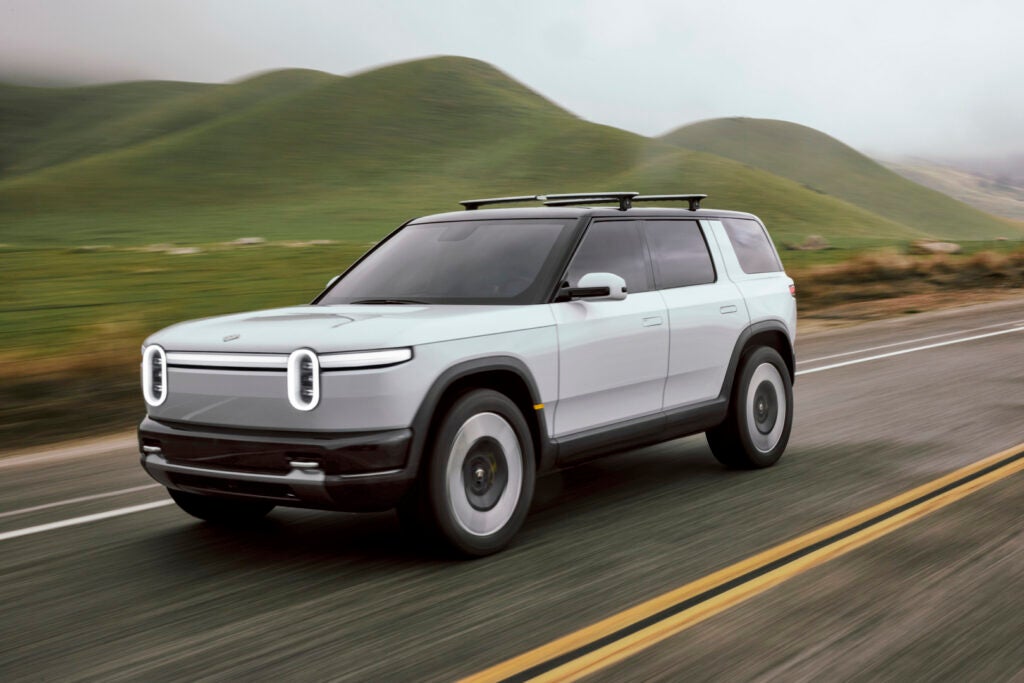
Amazon's Investment Outlook in Rivian
- Strong Financial Performance: Rivian's first-quarter revenue increased by 11% year-over-year to $1.4 billion, demonstrating resilience despite a slowdown in the U.S. EV market, which may attract more investor interest.
- New Model Launch: The upcoming R2 model from Rivian is priced more accessibly and aims to penetrate the midsize SUV market; if successful, it could significantly boost company revenue and market share, especially against Tesla's Model Y.
- Autonomous Driving Partnership: Rivian's deal with Uber to roll out self-driving robotaxis by 2028 could secure up to $1.25 billion in investments if timelines are met, further solidifying its leadership in the autonomous vehicle sector.
- Market Risk Considerations: Despite Rivian's growth potential, its stock has declined by 13% this year, primarily due to the EV market slowdown and risks associated with the R2 launch, prompting investors to carefully assess its long-term investment value.
See More

Rivian Faces Class-Action Lawsuit Over Misleading Claims
- Lawsuit Overview: Rivian Automotive is facing a class-action lawsuit accusing the company of misleading customers regarding the autonomous driving capabilities of its first-generation R1T pickup trucks and R1S SUVs, with claims of fraud, negligent misrepresentation, and unjust enrichment, highlighting potential legal risks in its marketing practices.
- Market Reaction Analysis: Although RIVN stock closed up 1.6% on Thursday, it fell 0.24% in after-hours trading, reflecting investor concerns about the company's future prospects, particularly in light of the ongoing legal challenges that have led to bearish sentiment.
- Industry Background Comparison: This case echoes similar legal challenges faced by Tesla, which was ruled by a California administrative law judge to have used misleading terms like “Autopilot” and “Full Self-Driving,” indicating widespread legal risks in the electric vehicle sector regarding autonomous driving claims.
- Analyst Rating Status: According to Koyfin, among the analysts covering RIVN, 11 rate it as 'Buy' or higher, 10 as Hold, and 5 as Sell or Strong Sell, with a 12-month average price target of $18.19, suggesting a cautiously optimistic outlook from the market despite the legal issues.
See More

Jim Cramer's Insights on Various Stocks


- NioCorp Outlook: Jim Cramer views NioCorp as too speculative, favoring MP Materials, which has government backing, indicating stronger market confidence and stability.
- SoFi Investment Opportunity: Cramer highlights that SoFi's stock price around $18 is a buying opportunity, suggesting optimism about its future performance, which may attract more investor interest.
- Rivian Financial Concerns: Cramer expresses concerns over Rivian's financial performance, noting excessive losses and advising caution for investors, which could lead to further declines in stock price.
- SoundHound AI Risks: Cramer gives a very negative assessment of SoundHound AI, labeling it a “meme stock” and recommending selling, reflecting high uncertainty in the market regarding such stocks.
See More
Electric Vehicle Market Outlook and Investment Opportunities

- Market Growth Outlook: Grand View Research forecasts a 26.7% CAGR for the global EV market from 2026 to 2033, indicating strong growth potential despite challenges such as reduced government subsidies and supply chain disruptions.
- Rivian's Production Issues: Rivian's stock has plummeted from $78 in 2021 to around $16 today, yet it anticipates delivering 62,000-67,000 vehicles in 2023; however, production challenges and high starting prices have limited its market appeal, resulting in a market cap of only $20 billion.
- Nio's Market Share Growth: Nio's annual deliveries surged from 43,728 in 2020 to 326,028 by 2025, with its current stock price at $5, while its share in China's premium EV market continues to expand, projecting revenues nearing $25.8 billion by 2028.
- Improving Profitability: Nio has recently spun off its unprofitable chip-making segment, reducing operating costs, and has maintained profitability over the past two quarters, with analysts expecting it to achieve its first full-year profit in 2027, suggesting significant undervaluation of its stock.
See More
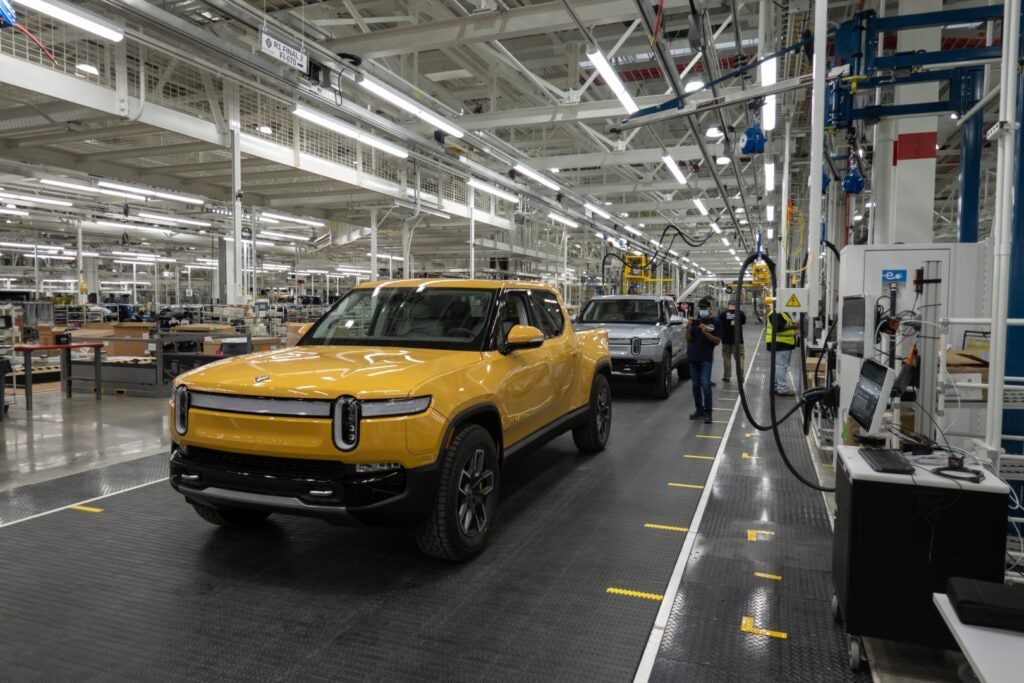
Rivian and Nio: Analyzing EV Market Prospects
- Rivian R2 Launch: Rivian plans to launch its R2 SUV in 2023, with expected annual deliveries reaching 62,000 to 67,000 units, indicating significant growth potential and transformation opportunities in the EV market compared to 2022.
- Production and Sales Challenges: Despite producing 57,232 vehicles in 2023, Rivian anticipates a decline in production for 2024 and 2025 due to supply chain issues and increased competition, reflecting uncertainty in its market position.
- Nio's Market Expansion: Nio aims to nearly double its annual revenue to 174.4 billion yuan ($25.8 billion) from 2025 to 2028 by launching its ONVO and Firefly sub-brands, showcasing growth potential in China's premium EV market.
- Improving Profitability: Nio has remained profitable for the past two quarters and is expected to achieve its first full-year profit in 2027, indicating success in cost control and market share enhancement, which may attract more investor interest.
See More
Amazon's Strategic Investment in Rivian: Future Prospects
- Investment Return Potential: Amazon's investment of over $700 million in Rivian, holding approximately 158.36 million shares, reflects its confidence in the electric vehicle market, anticipating reduced transportation costs through Rivian's electric delivery vans, thereby enhancing overall profitability.
- Strong Financial Performance: Rivian's first-quarter revenue increased by 11% year-over-year to $1.4 billion, despite a slowdown in the U.S. EV market, demonstrating its robust growth potential in a competitive landscape, which may attract more investor interest.
- New Model Launch: Rivian is launching the R2 model aimed at the midsize SUV market with a more appealing price point, and if successful, it could significantly increase its market share, particularly in competition with Tesla's Model Y.
- Autonomous Driving Partnership: Rivian's agreement with Uber to roll out self-driving taxis by 2028 could secure up to $1.25 billion in investments, further solidifying its leadership position in the autonomous vehicle market if successful.
See More
Amazon's Investment Outlook in Rivian
- Strong Financial Performance: Rivian's first-quarter revenue increased by 11% year-over-year to $1.4 billion, demonstrating resilience despite a slowdown in the U.S. EV market, which may attract more investor interest.
- New Model Launch: The upcoming R2 model from Rivian is priced more accessibly and aims to penetrate the midsize SUV market; if successful, it could significantly boost company revenue and market share, especially against Tesla's Model Y.
- Autonomous Driving Partnership: Rivian's deal with Uber to roll out self-driving robotaxis by 2028 could secure up to $1.25 billion in investments if timelines are met, further solidifying its leadership in the autonomous vehicle sector.
- Market Risk Considerations: Despite Rivian's growth potential, its stock has declined by 13% this year, primarily due to the EV market slowdown and risks associated with the R2 launch, prompting investors to carefully assess its long-term investment value.
See More
Rivian Faces Class-Action Lawsuit Over Misleading Claims
- Lawsuit Overview: Rivian Automotive is facing a class-action lawsuit accusing the company of misleading customers regarding the autonomous driving capabilities of its first-generation R1T pickup trucks and R1S SUVs, with claims of fraud, negligent misrepresentation, and unjust enrichment, highlighting potential legal risks in its marketing practices.
- Market Reaction Analysis: Although RIVN stock closed up 1.6% on Thursday, it fell 0.24% in after-hours trading, reflecting investor concerns about the company's future prospects, particularly in light of the ongoing legal challenges that have led to bearish sentiment.
- Industry Background Comparison: This case echoes similar legal challenges faced by Tesla, which was ruled by a California administrative law judge to have used misleading terms like “Autopilot” and “Full Self-Driving,” indicating widespread legal risks in the electric vehicle sector regarding autonomous driving claims.
- Analyst Rating Status: According to Koyfin, among the analysts covering RIVN, 11 rate it as 'Buy' or higher, 10 as Hold, and 5 as Sell or Strong Sell, with a 12-month average price target of $18.19, suggesting a cautiously optimistic outlook from the market despite the legal issues.
See More
Jim Cramer's Insights on Various Stocks
- NioCorp Outlook: Jim Cramer views NioCorp as too speculative, favoring MP Materials, which has government backing, indicating stronger market confidence and stability.
- SoFi Investment Opportunity: Cramer highlights that SoFi's stock price around $18 is a buying opportunity, suggesting optimism about its future performance, which may attract more investor interest.
- Rivian Financial Concerns: Cramer expresses concerns over Rivian's financial performance, noting excessive losses and advising caution for investors, which could lead to further declines in stock price.
- SoundHound AI Risks: Cramer gives a very negative assessment of SoundHound AI, labeling it a “meme stock” and recommending selling, reflecting high uncertainty in the market regarding such stocks.
See More
Electric Vehicle Market Outlook and Investment Opportunities
- Market Growth Outlook: Grand View Research forecasts a 26.7% CAGR for the global EV market from 2026 to 2033, indicating strong growth potential despite challenges such as reduced government subsidies and supply chain disruptions.
- Rivian's Production Issues: Rivian's stock has plummeted from $78 in 2021 to around $16 today, yet it anticipates delivering 62,000-67,000 vehicles in 2023; however, production challenges and high starting prices have limited its market appeal, resulting in a market cap of only $20 billion.
- Nio's Market Share Growth: Nio's annual deliveries surged from 43,728 in 2020 to 326,028 by 2025, with its current stock price at $5, while its share in China's premium EV market continues to expand, projecting revenues nearing $25.8 billion by 2028.
- Improving Profitability: Nio has recently spun off its unprofitable chip-making segment, reducing operating costs, and has maintained profitability over the past two quarters, with analysts expecting it to achieve its first full-year profit in 2027, suggesting significant undervaluation of its stock.
See More
Rivian and Nio: Analyzing EV Market Prospects
- Rivian R2 Launch: Rivian plans to launch its R2 SUV in 2023, with expected annual deliveries reaching 62,000 to 67,000 units, indicating significant growth potential and transformation opportunities in the EV market compared to 2022.
- Production and Sales Challenges: Despite producing 57,232 vehicles in 2023, Rivian anticipates a decline in production for 2024 and 2025 due to supply chain issues and increased competition, reflecting uncertainty in its market position.
- Nio's Market Expansion: Nio aims to nearly double its annual revenue to 174.4 billion yuan ($25.8 billion) from 2025 to 2028 by launching its ONVO and Firefly sub-brands, showcasing growth potential in China's premium EV market.
- Improving Profitability: Nio has remained profitable for the past two quarters and is expected to achieve its first full-year profit in 2027, indicating success in cost control and market share enhancement, which may attract more investor interest.
See More