Many Restaurants Increase Revenue Through Price Hikes, But These 3 Focused on Customer Visits.
Written by Emily J. Thompson, Senior Investment Analyst
Updated: Mar 03 2026
0mins


Should l Buy WING?
Source: Barron's
- Menu Pricing Importance: Most restaurants depend on menu pricing strategies to increase their sales.
- Exceptions Noted: There are notable exceptions among restaurants that do not follow this trend.
Trade with 70% Backtested Accuracy
Stop guessing "Should I Buy WING?" and start using high-conviction signals backed by rigorous historical data.
Sign up today to access powerful investing tools and make smarter, data-driven decisions.
Analyst Views on WING
Wall Street analysts forecast WING stock price to rise
22 Analyst Rating
19 Buy
3 Hold
0 Sell
Strong Buy
Current: 134.880

Low
268.69
Averages
330.13
High
400.00
Current: 134.880
Low
268.69
Averages
330.13
High
400.00
About WING
Wingstop Inc. is a fast casual chicken wings-focused restaurant chain in the world, with more than 2,550 locations worldwide. The Company is in the business of franchising and operating Wingstop restaurants. The Company is primarily a franchisor, with approximately 98% of its restaurants owned and operated by independent franchisees. The Company offers classic wings, boneless wings, tenders, and chicken sandwiches, always cooked to order, and hand-sauced-and-tossed in 12 bold, distinctive flavors. It also complements its wings, tenders, and chicken sandwiches with fresh-cut, seasoned fries and fresh, hand-cut carrots and celery. It offers various order options, including dine-in / carryout / delivery; individual / combo meals / family packs. Its menu also features signature sides, including fresh-cut, seasoned fries and freshly made ranch and bleu cheese dips. The Company operates approximately a total of 2,513 restaurants in 45 states and 12 countries and United States territories.
About the author

Emily J. Thompson
Emily J. Thompson, a Chartered Financial Analyst (CFA) with 12 years in investment research, graduated with honors from the Wharton School. Specializing in industrial and technology stocks, she provides in-depth analysis for Intellectia’s earnings and market brief reports.

U.S. Restaurant Chains Report Weak Sales Growth Amid Rising Gas Prices
- Sales Growth Slowdown: Several U.S. restaurant chains, including Wingstop and Domino's, reported weaker-than-expected sales growth in the latest quarter, primarily due to soaring gasoline prices caused by the U.S.-Israeli war, forcing consumers to cut back on other spending, with expectations that other chains will face similar challenges ahead.
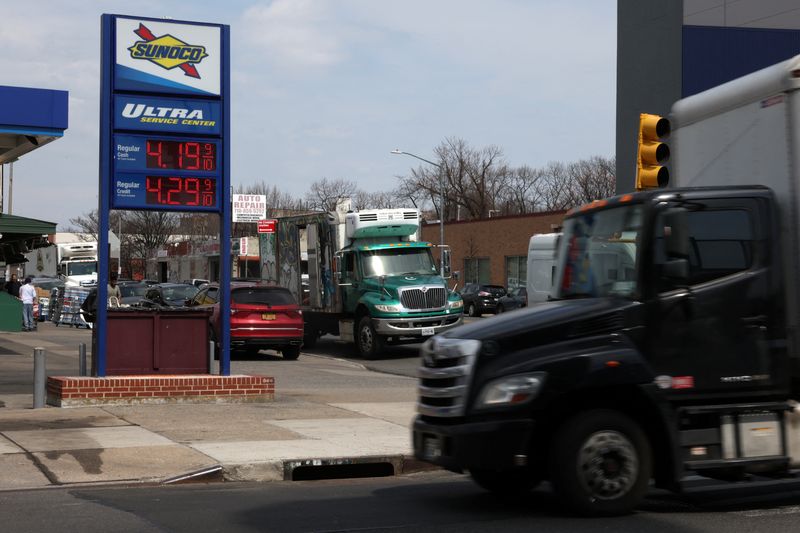
- Significant Oil Price Impact: According to GasBuddy.com, the average gasoline price in the U.S. has reached $4.43, a nearly 40% increase from last year, with prices in California exceeding $6, presenting unprecedented challenges for the restaurant industry, as evidenced by Wingstop's 8.7% decline in same-store sales.
- Diminished Market Confidence: Since the onset of the war, the LSEG U.S. restaurant index has dropped by 5%, erasing over $40 billion in market value, reflecting a decline in investor confidence in the sector, with a notable increase in analysts downgrading profit forecasts for the upcoming quarter.
- Changing Consumer Behavior: As gasoline prices rise, restaurant visitations are gradually declining, with analysis predicting that at $4.20 per gallon, visits could decrease by approximately 1.5%, and if prices exceed $5.10, fast-food traffic may drop by 3%, indicating a long-term impact on the restaurant industry.
See More

Wingstop Q1 2026 Earnings Call Insights
- Same-Store Sales Decline: Wingstop reported an 8.7% decline in same-store sales for Q1 2026, primarily due to temporary closures of over 700 restaurants from adverse weather and rising gas prices from Middle East conflicts, indicating significant near-term demand pressures on the business.
- Revenue Growth: Despite the same-store sales drop, system-wide sales increased by 5.9% to $1.4 billion, while total revenue rose 7.4% year-over-year to $183.7 million, demonstrating the company's resilience in the overall market.
- Capital Return Plan: The Board of Directors declared a quarterly dividend of $0.30 per share and authorized an additional $300 million for share repurchases, reflecting a strong commitment to shareholder returns and proactive capital management.
- Future Outlook: Wingstop updated its full-year same-store sales outlook to a low single-digit decline, while management remains optimistic about returning to growth in the second half of the year, emphasizing operational efficiency improvements through the Smart Kitchen and a new loyalty program.
See More
Wingstop Declares Quarterly Dividend of $0.30 per Share
- Quarterly Dividend Announcement: Wingstop declares a quarterly dividend of $0.30 per share, consistent with previous distributions, demonstrating the company's stability amid current economic pressures despite facing consumer challenges and uncertainty.
- Dividend Yield: The forward yield of 0.7% reflects the company's ongoing commitment to shareholder returns, even as the overall market environment remains challenging and uncertain.
- Sales Outlook Adjustment: Wingstop has lowered its full-year same-store sales outlook due to consumer pressures and high levels of uncertainty, which could negatively impact future revenue growth and investor confidence.
- Financial Performance: The company reported a non-GAAP EPS of $1.18, beating expectations by $0.15, while revenue of $183.7 million fell short by $4.06 million, indicating ongoing challenges in revenue growth amidst a competitive landscape.
See More

Wingstop Reports 8.7% Decline in Same-Store Sales


- Same-Store Sales Decline: Wingstop reported an 8.7% decline in same-store sales, causing shares to drop over 10% in pre-market trading, indicating significant challenges in maintaining sales growth that could impact future market share and investor confidence.
- Unfavorable Guidance: The company's guidance for domestic same-store sales indicates a “low-single digit decline,” failing to instill confidence in investors and reflecting concerns about its growth potential, which may lead to further stock price volatility.
- Store Expansion Continues: Despite sales challenges, Wingstop is still increasing its store count and generating income and cash flow, suggesting a long-term optimistic outlook that could lay the groundwork for future recovery.
- Cautious Market Reaction: Investors are eagerly awaiting the upcoming earnings call, hoping management will provide more insights into the reasons behind the sales decline and the measures being taken to address it, in order to restore market confidence and stabilize the stock price.
See More
Wingstop Faces Significant Same-Store Sales Decline
- Same-Store Sales Decline: Wingstop's same-store sales have significantly declined due to ongoing consumer spending pressures, with the company now projecting a low-single-digit decrease for the year, a substantial downgrade from its previous flat to slight growth outlook, leading to a more than 9% drop in shares ahead of Wednesday's open.
- Improved Earnings Performance: Despite the decline in same-store sales, Wingstop reported an adjusted earnings per share of $1.18 for the first quarter, up from $0.99 in the same quarter last year and exceeding expectations by $0.15, primarily due to lower costs for food, beverages, and packaging.
- Investment Expense Impact: However, the unadjusted profit was one-third of last year's figure, reflecting increased interest expenses and a $72 million investment expense compared to a $92 million gain in the same quarter last year, indicating financial strain on the company.
- Cautious Future Outlook: Wingstop's outlook for FY26 is heavily dependent on the macroeconomic environment, with anticipated restructuring charges of $3 million and stock-based compensation costs of $28 million, although it maintains its global growth rate expectations at 15% to 16%.
See More
Wingstop Q1 Earnings Beat Expectations Despite Revenue Miss
- Earnings Beat: Wingstop reported a Q1 non-GAAP EPS of $1.18, exceeding expectations by $0.15, indicating resilience in profitability despite overall revenue falling short of forecasts.
- Revenue Growth Challenges: Total revenue increased by 7.4% year-over-year to $183.7 million, yet missed expectations by $4.06 million, highlighting the impact of consumer spending pressures, particularly with an 8.7% decline in domestic same-store sales.
- Franchise Revenue Increase: Royalty revenue and other fees rose by $8.7 million, with $12.2 million attributed to new franchise development, showcasing the company's proactive market expansion efforts despite the challenges posed by declining same-store sales.
- Cautious Future Outlook: The company projects a low single-digit decline in same-store sales for 2026, with SG&A expenses estimated between $146 million and $149 million, reflecting a prudent financial strategy amid a highly uncertain macroeconomic environment.
See More
U.S. Restaurant Chains Report Weak Sales Growth Amid Rising Gas Prices
- Sales Growth Slowdown: Several U.S. restaurant chains, including Wingstop and Domino's, reported weaker-than-expected sales growth in the latest quarter, primarily due to soaring gasoline prices caused by the U.S.-Israeli war, forcing consumers to cut back on other spending, with expectations that other chains will face similar challenges ahead.
- Significant Oil Price Impact: According to GasBuddy.com, the average gasoline price in the U.S. has reached $4.43, a nearly 40% increase from last year, with prices in California exceeding $6, presenting unprecedented challenges for the restaurant industry, as evidenced by Wingstop's 8.7% decline in same-store sales.
- Diminished Market Confidence: Since the onset of the war, the LSEG U.S. restaurant index has dropped by 5%, erasing over $40 billion in market value, reflecting a decline in investor confidence in the sector, with a notable increase in analysts downgrading profit forecasts for the upcoming quarter.
- Changing Consumer Behavior: As gasoline prices rise, restaurant visitations are gradually declining, with analysis predicting that at $4.20 per gallon, visits could decrease by approximately 1.5%, and if prices exceed $5.10, fast-food traffic may drop by 3%, indicating a long-term impact on the restaurant industry.
See More
Wingstop Q1 2026 Earnings Call Insights
- Same-Store Sales Decline: Wingstop reported an 8.7% decline in same-store sales for Q1 2026, primarily due to temporary closures of over 700 restaurants from adverse weather and rising gas prices from Middle East conflicts, indicating significant near-term demand pressures on the business.
- Revenue Growth: Despite the same-store sales drop, system-wide sales increased by 5.9% to $1.4 billion, while total revenue rose 7.4% year-over-year to $183.7 million, demonstrating the company's resilience in the overall market.
- Capital Return Plan: The Board of Directors declared a quarterly dividend of $0.30 per share and authorized an additional $300 million for share repurchases, reflecting a strong commitment to shareholder returns and proactive capital management.
- Future Outlook: Wingstop updated its full-year same-store sales outlook to a low single-digit decline, while management remains optimistic about returning to growth in the second half of the year, emphasizing operational efficiency improvements through the Smart Kitchen and a new loyalty program.
See More
Wingstop Declares Quarterly Dividend of $0.30 per Share
- Quarterly Dividend Announcement: Wingstop declares a quarterly dividend of $0.30 per share, consistent with previous distributions, demonstrating the company's stability amid current economic pressures despite facing consumer challenges and uncertainty.
- Dividend Yield: The forward yield of 0.7% reflects the company's ongoing commitment to shareholder returns, even as the overall market environment remains challenging and uncertain.
- Sales Outlook Adjustment: Wingstop has lowered its full-year same-store sales outlook due to consumer pressures and high levels of uncertainty, which could negatively impact future revenue growth and investor confidence.
- Financial Performance: The company reported a non-GAAP EPS of $1.18, beating expectations by $0.15, while revenue of $183.7 million fell short by $4.06 million, indicating ongoing challenges in revenue growth amidst a competitive landscape.
See More
Wingstop Reports 8.7% Decline in Same-Store Sales
- Same-Store Sales Decline: Wingstop reported an 8.7% decline in same-store sales, causing shares to drop over 10% in pre-market trading, indicating significant challenges in maintaining sales growth that could impact future market share and investor confidence.
- Unfavorable Guidance: The company's guidance for domestic same-store sales indicates a “low-single digit decline,” failing to instill confidence in investors and reflecting concerns about its growth potential, which may lead to further stock price volatility.
- Store Expansion Continues: Despite sales challenges, Wingstop is still increasing its store count and generating income and cash flow, suggesting a long-term optimistic outlook that could lay the groundwork for future recovery.
- Cautious Market Reaction: Investors are eagerly awaiting the upcoming earnings call, hoping management will provide more insights into the reasons behind the sales decline and the measures being taken to address it, in order to restore market confidence and stabilize the stock price.
See More
Wingstop Faces Significant Same-Store Sales Decline
- Same-Store Sales Decline: Wingstop's same-store sales have significantly declined due to ongoing consumer spending pressures, with the company now projecting a low-single-digit decrease for the year, a substantial downgrade from its previous flat to slight growth outlook, leading to a more than 9% drop in shares ahead of Wednesday's open.
- Improved Earnings Performance: Despite the decline in same-store sales, Wingstop reported an adjusted earnings per share of $1.18 for the first quarter, up from $0.99 in the same quarter last year and exceeding expectations by $0.15, primarily due to lower costs for food, beverages, and packaging.
- Investment Expense Impact: However, the unadjusted profit was one-third of last year's figure, reflecting increased interest expenses and a $72 million investment expense compared to a $92 million gain in the same quarter last year, indicating financial strain on the company.
- Cautious Future Outlook: Wingstop's outlook for FY26 is heavily dependent on the macroeconomic environment, with anticipated restructuring charges of $3 million and stock-based compensation costs of $28 million, although it maintains its global growth rate expectations at 15% to 16%.
See More
Wingstop Q1 Earnings Beat Expectations Despite Revenue Miss
- Earnings Beat: Wingstop reported a Q1 non-GAAP EPS of $1.18, exceeding expectations by $0.15, indicating resilience in profitability despite overall revenue falling short of forecasts.
- Revenue Growth Challenges: Total revenue increased by 7.4% year-over-year to $183.7 million, yet missed expectations by $4.06 million, highlighting the impact of consumer spending pressures, particularly with an 8.7% decline in domestic same-store sales.
- Franchise Revenue Increase: Royalty revenue and other fees rose by $8.7 million, with $12.2 million attributed to new franchise development, showcasing the company's proactive market expansion efforts despite the challenges posed by declining same-store sales.
- Cautious Future Outlook: The company projects a low single-digit decline in same-store sales for 2026, with SG&A expenses estimated between $146 million and $149 million, reflecting a prudent financial strategy amid a highly uncertain macroeconomic environment.
See More