Long-Term Investment Potential of UPS, Hormel, and Medtronic
Written by Emily J. Thompson, Senior Investment Analyst
Updated: May 10 2026
0mins


Source: NASDAQ.COM
- UPS Transformation Progress: Despite competition from Amazon, UPS is shifting towards higher-margin customers and expects to achieve a business turnaround by the second half of 2026, with revenue per package growth indicating management's successful strategy, while a 6.5% dividend yield attracts long-term investors.
- Hormel Brand Restructuring: Hormel Foods is reworking its brand and product portfolio after a 60% stock price decline, with recent organic growth trends improving; its 5.6% dividend yield and 46% controlling stake provide flexibility for long-term decision-making.
- Medtronic Profitability Focus: Medtronic is enhancing profitability by spinning off its diabetes business, which is expected to positively impact earnings; despite a 40% decline from its 2021 high, its 3.6% dividend yield remains appealing to long-term investors.
- Importance of Dividends: UPS, Hormel, and Medtronic offer stable dividends in an uncertain market, helping investors maintain confidence during volatility, while also making significant progress in their business overhauls.
Trade with 70% Backtested Accuracy
Stop guessing "Should I Buy UPS?" and start using high-conviction signals backed by rigorous historical data.
Sign up today to access powerful investing tools and make smarter, data-driven decisions.
Analyst Views on UPS
Wall Street analysts forecast UPS stock price to rise
19 Analyst Rating
9 Buy
9 Hold
1 Sell
Moderate Buy
Current: 106.670

Low
80.00
Averages
107.06
High
126.00
Current: 106.670
Low
80.00
Averages
107.06
High
126.00
About UPS
United Parcel Service, Inc. is a global package delivery and logistics provider. Its U.S. Domestic Package segment offers a full spectrum of air and ground package transportation services. Its air portfolio offers time-definite, same-day, next-day, two-day and three-day delivery alternatives as well as air cargo services. Its ground network enables customers to ship using its day-definite ground service. Ground Saver provides residential ground service for customers with non-urgent, lightweight residential shipments. Its International Package segment consists of small package operations in Europe, Middle East and Africa, Canada and Latin America and Asia. It offers a selection of guaranteed day and time-definite international transportation services supported by its brokerage capabilities that facilitate cross-border clearance for international shipments. Its supply chain solutions consist of customized third-party logistics and specialized cold chain transportation solutions.
About the author

Emily J. Thompson
Emily J. Thompson, a Chartered Financial Analyst (CFA) with 12 years in investment research, graduated with honors from the Wharton School. Specializing in industrial and technology stocks, she provides in-depth analysis for Intellectia’s earnings and market brief reports.

UPS and Stanley Black & Decker's Turnaround Opportunities


- Industry Giants' Transformation: UPS and Stanley Black & Decker are undergoing business overhauls, and while their current financial performance is weak, both companies are achieving early success in cost-cutting and focusing on profitable segments, indicating potential for long-term investors.
- Dividend Appeal: UPS's dividend yield has risen to 6.4%, while Stanley Black & Decker's stands at 4.2%, both at historical highs, attracting income-seeking investors and reflecting market skepticism about their future growth prospects.
- Signs of Revenue Growth: Despite an overall revenue decline, UPS has seen its revenue per piece in the U.S. market increase for several consecutive quarters, indicating that the company is improving profit margins by reducing low-margin customer volumes, suggesting solid progress in its turnaround.
- Delayed Market Reaction: Although Stanley Black & Decker has improved its gross margin and reduced leverage, Wall Street remains cautious due to short-term inflation and tariff concerns, failing to recognize the potential value of these companies in a timely manner.
See More

UPS and Stanley Black & Decker's Turnaround Prospects
- Attractive Yields: UPS currently offers a 6.4% dividend yield while Stanley Black & Decker provides a 4.2% yield, indicating that long-term investors may find these high-yield stocks appealing during market downturns, especially as both companies undergo business turnarounds.
- Early Signs of Success: UPS has seen its revenue per piece in the U.S. market increase for several consecutive quarters despite overall revenue declines, suggesting that the company is improving profit margins by reducing the volume of packages from low-margin customers, laying a foundation for future profitability.
- Cost-Cutting Strategies: Both companies are focused on slimming down and cutting costs, with Stanley Black & Decker making progress in reducing leverage; although the market remains cautious about short-term challenges, this strategy will enhance financial stability in the long run.
- Market's Tepid Response: Despite early signs of success in the turnarounds of UPS and Stanley Black & Decker, Wall Street's indifferent reaction may lead investors to miss out on capital appreciation opportunities over the next decade, particularly given both companies' strong brands and customer relationships.
See More
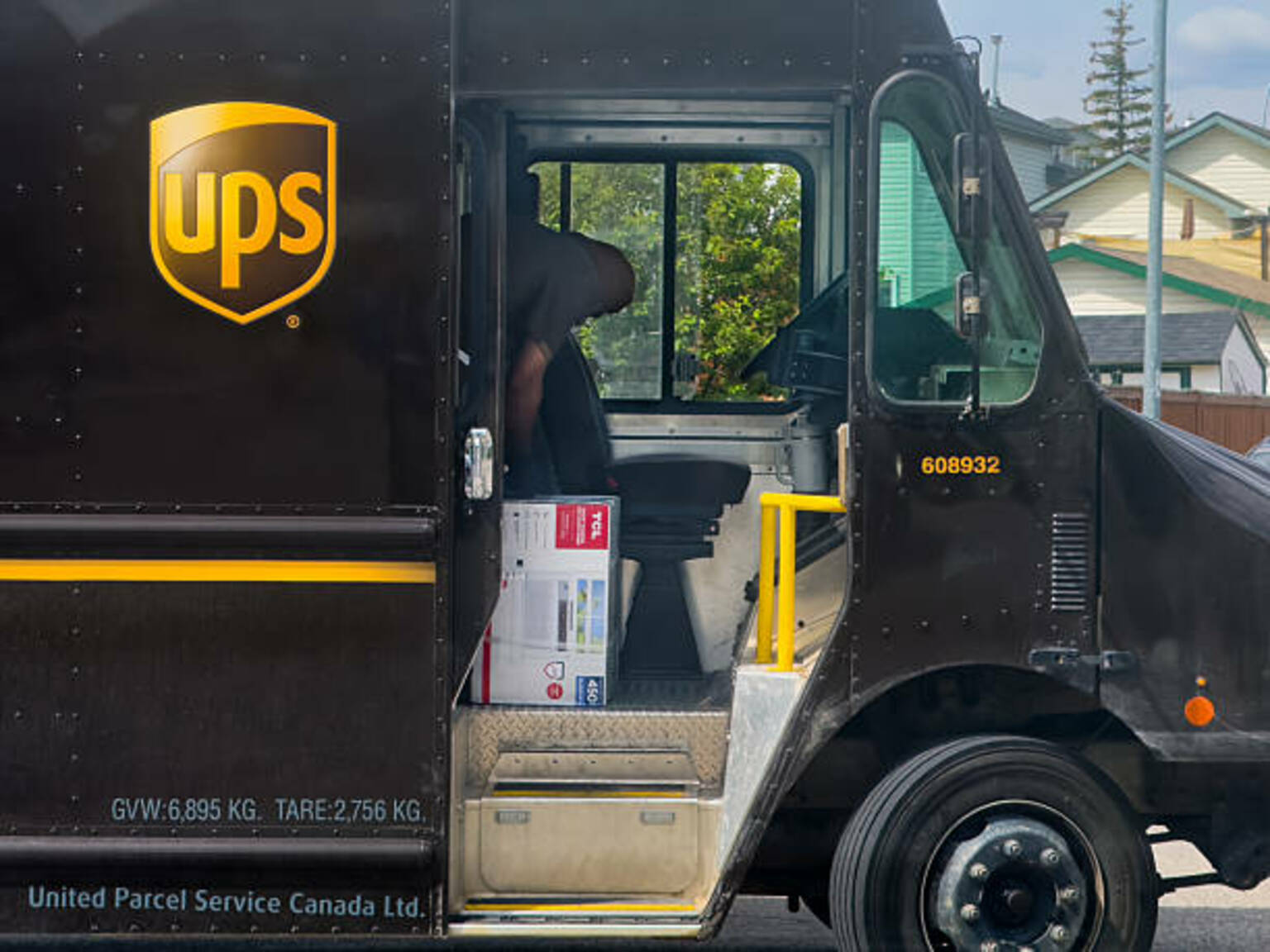
UPS Invests Nearly $50M to Enhance Supply Chains for Automotive Sector
- Network Upgrade Investment: UPS announced a nearly $50 million investment aimed at upgrading its network and creating dedicated industry teams to assist North American automotive and industrial manufacturers in building more resilient and precise supply chains, thereby enhancing overall operational efficiency.
- Air Freight Capability Expansion: UPS plans to launch time-definite heavy air freight service to and from Mexico for the first time, offering 1-day, 2-day, and 3-day shipping options starting in August, which is expected to accelerate the transport of high-value, time-sensitive parts while reducing border delays.
- Modernization of Network: This investment will further drive UPS's network modernization, including competitive less-than-truckload shipping options for loads over 150 pounds and expanded early delivery capabilities that allow more U.S. businesses to receive shipments by 10:30 a.m. the next day.
- Automation and Visibility Enhancements: UPS has achieved broader automation and RFID-enabled visibility across 67.5% of its facilities, improving overall logistics transparency and meeting customer demands for efficient logistics solutions.
See More

UPS Invests $50 Million to Enhance Supply Chain Capabilities
- Network Investment: UPS announced a nearly $50 million investment to enhance its network capabilities, focusing on the needs of automotive and industrial manufacturers, thereby improving resilience and precision in complex supply chains, ensuring smooth operations amid automation and geopolitical pressures.
- Air Freight Expansion: UPS expands its North American Air Freight capabilities by introducing time-definite heavy air freight service to and from Mexico for the first time, covering all of North America to support production-critical supply chains, reducing transport handoffs and improving delivery efficiency.
- Diverse Service Options: Starting in August, NAAF will offer 1-, 2-, and 3-day service options, enabling manufacturers to move high-value, time-sensitive parts with greater speed and predictability, thus reducing border delays and enhancing confidence in production line operations.
- Dedicated Industry Teams: UPS has established a dedicated team of over 300 experts in automotive and industrial manufacturing, combining network investment with expertise to help customers modernize and manage complex global supply chains more swiftly, thereby enhancing market competitiveness.
See More

US-Iran Conflict Escalates, Oil Prices Surge Amid Economic Uncertainty


- Escalation of US-Iran Conflict: Following weeks of paused action, the US and Iran have resumed airstrikes, complicating hopes for a permanent resolution to the conflict, which is impacting global oil supplies and market sentiment.
- Strong Stock Market Performance: Despite rising geopolitical tensions, both the S&P 500 and Nasdaq Composite closed at record highs, primarily driven by a surge in AI-related stocks, indicating strong market confidence in the technology sector.
- Oil Price Warning: ExxonMobil has warned that oil inventories are on track to reach dangerously low levels in the coming weeks, forcing prices to spike and curbing demand, reflecting market concerns over energy supply.
- Wealthy Investors Pulling Out: According to the UBS Global Family Office Report, 60% of family offices plan to adjust their investment allocations in the next year, with many reducing US holdings and increasing exposure to emerging markets, highlighting a growing trend of 'de-dollarization'.
See More
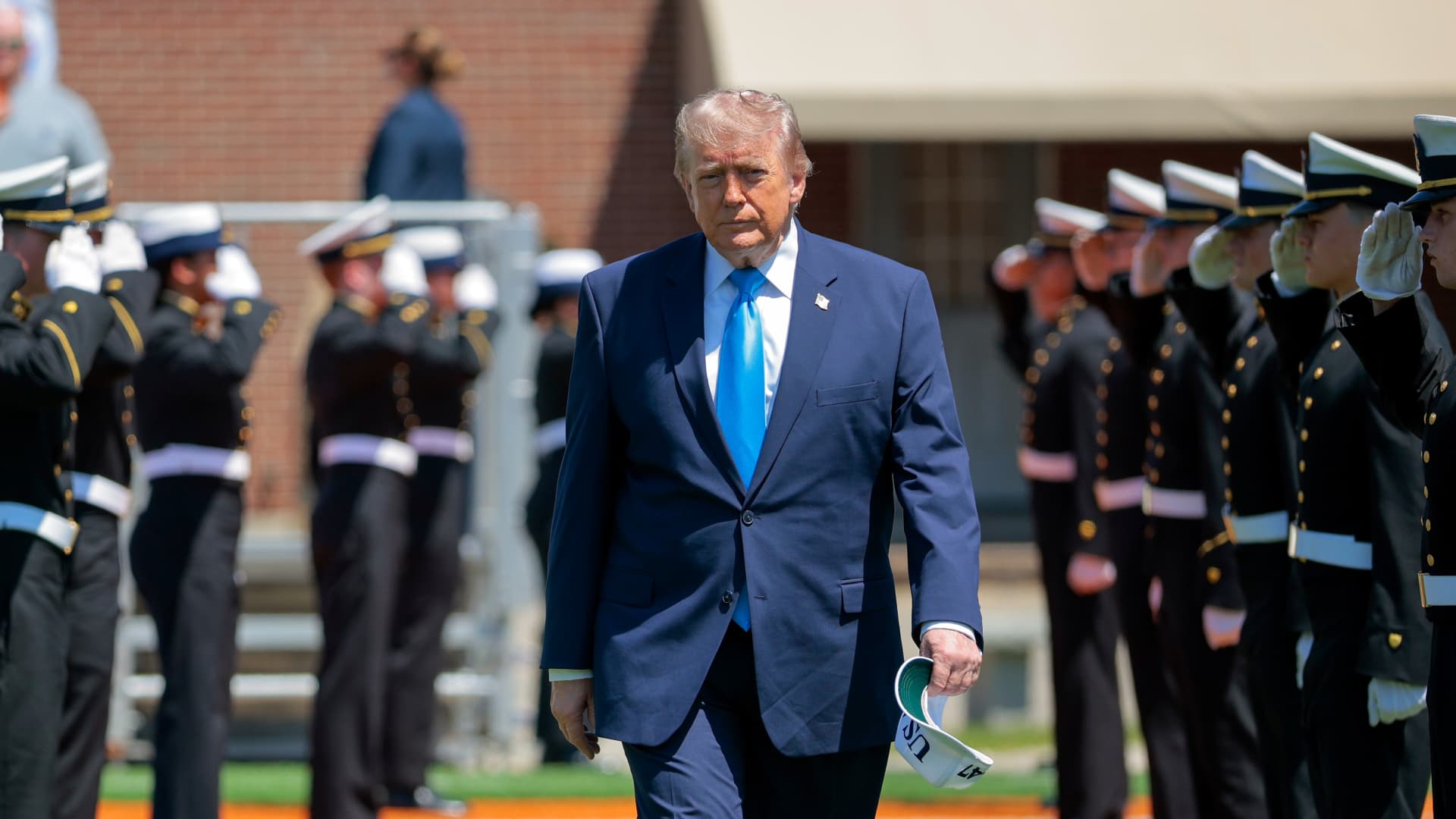
U.S.-Iran Negotiation Fluctuations Impact Markets
- Oil Price Plunge: Oil prices dropped over 5% on Wednesday after Secretary of State Marco Rubio indicated that Washington was giving Iran talks 'every chance to succeed,' reflecting market sensitivity to diplomatic efforts and potentially impacting energy sector profitability.
- Escalation of Military Actions: New U.S. airstrikes in Iran targeted a military site deemed a threat to U.S. forces and commercial maritime traffic, adding uncertainty to the ongoing diplomatic negotiations and prompting investors to reassess risk levels in the market.
- Strong Tech Stock Performance: Shares of cloud-based AI and data platform company Snowflake surged 36% following a strong earnings report and a $6 billion investment plan in Amazon Web Services, showcasing investment enthusiasm and market confidence in the tech sector amid rising AI demand.
- Inflation Data Focus: Investors are closely watching the upcoming April inflation reading, which is expected to influence the Fed's future rate decisions, as Minneapolis Fed President Neel Kashkari emphasized that lowering inflation remains a top priority, indicating market sensitivity to economic policy.
See More
UPS and Stanley Black & Decker's Turnaround Opportunities
- Industry Giants' Transformation: UPS and Stanley Black & Decker are undergoing business overhauls, and while their current financial performance is weak, both companies are achieving early success in cost-cutting and focusing on profitable segments, indicating potential for long-term investors.
- Dividend Appeal: UPS's dividend yield has risen to 6.4%, while Stanley Black & Decker's stands at 4.2%, both at historical highs, attracting income-seeking investors and reflecting market skepticism about their future growth prospects.
- Signs of Revenue Growth: Despite an overall revenue decline, UPS has seen its revenue per piece in the U.S. market increase for several consecutive quarters, indicating that the company is improving profit margins by reducing low-margin customer volumes, suggesting solid progress in its turnaround.
- Delayed Market Reaction: Although Stanley Black & Decker has improved its gross margin and reduced leverage, Wall Street remains cautious due to short-term inflation and tariff concerns, failing to recognize the potential value of these companies in a timely manner.
See More
UPS and Stanley Black & Decker's Turnaround Prospects
- Attractive Yields: UPS currently offers a 6.4% dividend yield while Stanley Black & Decker provides a 4.2% yield, indicating that long-term investors may find these high-yield stocks appealing during market downturns, especially as both companies undergo business turnarounds.
- Early Signs of Success: UPS has seen its revenue per piece in the U.S. market increase for several consecutive quarters despite overall revenue declines, suggesting that the company is improving profit margins by reducing the volume of packages from low-margin customers, laying a foundation for future profitability.
- Cost-Cutting Strategies: Both companies are focused on slimming down and cutting costs, with Stanley Black & Decker making progress in reducing leverage; although the market remains cautious about short-term challenges, this strategy will enhance financial stability in the long run.
- Market's Tepid Response: Despite early signs of success in the turnarounds of UPS and Stanley Black & Decker, Wall Street's indifferent reaction may lead investors to miss out on capital appreciation opportunities over the next decade, particularly given both companies' strong brands and customer relationships.
See More
UPS Invests Nearly $50M to Enhance Supply Chains for Automotive Sector
- Network Upgrade Investment: UPS announced a nearly $50 million investment aimed at upgrading its network and creating dedicated industry teams to assist North American automotive and industrial manufacturers in building more resilient and precise supply chains, thereby enhancing overall operational efficiency.
- Air Freight Capability Expansion: UPS plans to launch time-definite heavy air freight service to and from Mexico for the first time, offering 1-day, 2-day, and 3-day shipping options starting in August, which is expected to accelerate the transport of high-value, time-sensitive parts while reducing border delays.
- Modernization of Network: This investment will further drive UPS's network modernization, including competitive less-than-truckload shipping options for loads over 150 pounds and expanded early delivery capabilities that allow more U.S. businesses to receive shipments by 10:30 a.m. the next day.
- Automation and Visibility Enhancements: UPS has achieved broader automation and RFID-enabled visibility across 67.5% of its facilities, improving overall logistics transparency and meeting customer demands for efficient logistics solutions.
See More
UPS Invests $50 Million to Enhance Supply Chain Capabilities
- Network Investment: UPS announced a nearly $50 million investment to enhance its network capabilities, focusing on the needs of automotive and industrial manufacturers, thereby improving resilience and precision in complex supply chains, ensuring smooth operations amid automation and geopolitical pressures.
- Air Freight Expansion: UPS expands its North American Air Freight capabilities by introducing time-definite heavy air freight service to and from Mexico for the first time, covering all of North America to support production-critical supply chains, reducing transport handoffs and improving delivery efficiency.
- Diverse Service Options: Starting in August, NAAF will offer 1-, 2-, and 3-day service options, enabling manufacturers to move high-value, time-sensitive parts with greater speed and predictability, thus reducing border delays and enhancing confidence in production line operations.
- Dedicated Industry Teams: UPS has established a dedicated team of over 300 experts in automotive and industrial manufacturing, combining network investment with expertise to help customers modernize and manage complex global supply chains more swiftly, thereby enhancing market competitiveness.
See More
US-Iran Conflict Escalates, Oil Prices Surge Amid Economic Uncertainty
- Escalation of US-Iran Conflict: Following weeks of paused action, the US and Iran have resumed airstrikes, complicating hopes for a permanent resolution to the conflict, which is impacting global oil supplies and market sentiment.
- Strong Stock Market Performance: Despite rising geopolitical tensions, both the S&P 500 and Nasdaq Composite closed at record highs, primarily driven by a surge in AI-related stocks, indicating strong market confidence in the technology sector.
- Oil Price Warning: ExxonMobil has warned that oil inventories are on track to reach dangerously low levels in the coming weeks, forcing prices to spike and curbing demand, reflecting market concerns over energy supply.
- Wealthy Investors Pulling Out: According to the UBS Global Family Office Report, 60% of family offices plan to adjust their investment allocations in the next year, with many reducing US holdings and increasing exposure to emerging markets, highlighting a growing trend of 'de-dollarization'.
See More
U.S.-Iran Negotiation Fluctuations Impact Markets
- Oil Price Plunge: Oil prices dropped over 5% on Wednesday after Secretary of State Marco Rubio indicated that Washington was giving Iran talks 'every chance to succeed,' reflecting market sensitivity to diplomatic efforts and potentially impacting energy sector profitability.
- Escalation of Military Actions: New U.S. airstrikes in Iran targeted a military site deemed a threat to U.S. forces and commercial maritime traffic, adding uncertainty to the ongoing diplomatic negotiations and prompting investors to reassess risk levels in the market.
- Strong Tech Stock Performance: Shares of cloud-based AI and data platform company Snowflake surged 36% following a strong earnings report and a $6 billion investment plan in Amazon Web Services, showcasing investment enthusiasm and market confidence in the tech sector amid rising AI demand.
- Inflation Data Focus: Investors are closely watching the upcoming April inflation reading, which is expected to influence the Fed's future rate decisions, as Minneapolis Fed President Neel Kashkari emphasized that lowering inflation remains a top priority, indicating market sensitivity to economic policy.
See More