LightSolver Partners with Boeing to Advance Laser-Based Computing
Written by Emily J. Thompson, Senior Investment Analyst
Updated: 6 days ago
0mins
Should l Buy BA?
Source: Newsfilter
- Strategic Partnership: LightSolver has formed a strategic financial partnership with Boeing to enhance laser computing acceleration technology, aiming to improve performance and energy efficiency in complex engineering simulations, thereby advancing modern engineering design and lifecycle management.
- Investment Focus: Boeing's funding is directed towards the development of LightSolver's Laser Processing Unit (LPU), emphasizing improvements in numerical accuracy and seamless integration with existing high-performance computing environments, which is expected to significantly reduce costs associated with long-term material performance and maintenance planning.
- Technological Innovation: The LPU directly solves partial differential equations (PDEs) through physical laser dynamics, achieving higher computational efficiency while reducing power consumption compared to traditional GPU infrastructures, potentially saving trillions of dollars across capital-intensive industries.
- Industry Impact: This collaboration not only validates physics-based computing as a practical tool for addressing real-world engineering challenges but also promotes a shift towards physics-native computing across sectors such as aerospace, energy, and infrastructure, enhancing overall simulation efficiency and accuracy.
Trade with 70% Backtested Accuracy
Stop guessing "Should I Buy BA?" and start using high-conviction signals backed by rigorous historical data.
Sign up today to access powerful investing tools and make smarter, data-driven decisions.
Analyst Views on BA
Wall Street analysts forecast BA stock price to rise
16 Analyst Rating
14 Buy
1 Hold
1 Sell
Strong Buy
Current: 221.300

Low
150.00
Averages
269.14
High
298.00
Current: 221.300
Low
150.00
Averages
269.14
High
298.00
About BA
The Boeing Company is an aerospace company. Its segments include Commercial Airplanes (BCA), Defense, Space & Security (BDS), and Global Services (BGS). Its BCA segment develops, produces and markets commercial jet aircraft principally for the commercial airline industry worldwide. Its family of commercial jet aircraft in production includes the 737 narrow-body model and the 767, 777 and 787 wide-body models. Its BDS segment is engaged in the research, development, production and modification of manned and unmanned military aircraft and weapons systems for strike, surveillance and mobility. Its BGS segment provides services to its commercial and defense customers worldwide. It sustains aerospace platforms and systems with a range of products and services, including supply chain and logistics management, engineering, maintenance and modifications, upgrades and conversions, spare parts, pilot and maintenance training systems and services, technical and maintenance documents, and others.
About the author

Emily J. Thompson
Emily J. Thompson, a Chartered Financial Analyst (CFA) with 12 years in investment research, graduated with honors from the Wharton School. Specializing in industrial and technology stocks, she provides in-depth analysis for Intellectia’s earnings and market brief reports.
Boeing's Gradual Recovery: Analyst Maintains Buy Rating

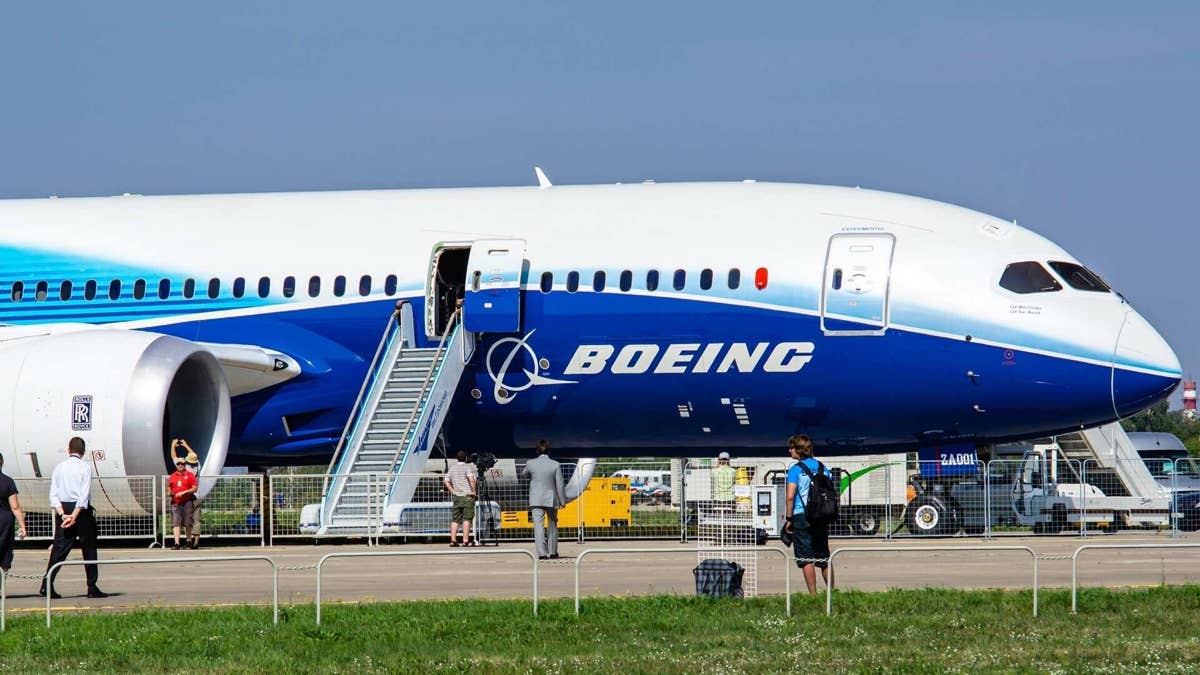
- Analyst Rating Reaffirmed: Bank of America analyst Ronald Epstein reiterated his Buy rating on Boeing (BA) with a price target of $270, indicating significant upside from the May 1 close of $227.38, reflecting confidence in Boeing's recovery trajectory.
- Financial Performance Improvement: Boeing's Q1 2026 revenue reached $22.2 billion, showing year-over-year growth, and although it reported a GAAP loss per share of $0.11, the improvement in free cash flow to negative $0.2 billion indicates a gradual recovery in profitability.
- Record Backlog: Boeing's total backlog hit a record $695 billion, including over 6,100 commercial airplanes, demonstrating strong market demand for Boeing's products, particularly as the global aviation industry rebounds.
- Delivery Outlook: Despite a wiring issue delaying approximately 25 MAX deliveries in Q1, Epstein forecasts total deliveries of 508 MAX aircraft in 2026, with the 737 program aiming to ramp up production to 47 aircraft per month by summer 2026, reflecting a gradual recovery in production capacity.
See More

EgyptAir Receives First 737 MAX Aircraft
- Fleet Modernization Milestone: EgyptAir's delivery of its first 737 MAX aircraft marks a significant milestone in its fleet modernization strategy, with plans to enhance operational efficiency and passenger experience through the introduction of 18 leased 737-8 planes.
- Environmental and Efficiency Gains: The new 737-8 aircraft reduces fuel consumption and emissions by 20% compared to the planes it replaces, aligning with EgyptAir's sustainable growth vision and enhancing its competitiveness in the international market.
- Route Optimization: The new aircraft will primarily serve short- and medium-haul routes to key destinations such as Paris, Brussels, Istanbul, and Vienna, further strengthening EgyptAir's route network and market presence.
- Long-term Partnership: This delivery not only underscores the 60-year partnership between EgyptAir and Boeing but also highlights SMBC Aviation Capital's support for EgyptAir's modernization efforts, helping to improve operational performance and passenger experience.
See More

Embraer Anticipates New Defense Deals in the Middle East

- Middle East Potential: Following a landmark order for up to 20 C-390 military cargo aircraft from the UAE, Embraer anticipates further government-to-government procurement contracts in the Middle East, indicating a rising demand for its military aircraft in the region.
- Strategic Cooperation Opportunity: The contract with the UAE includes 10 C-390 jets and 10 options, marking the first selection of this model by a Middle Eastern buyer, potentially paving the way for other nations to join the C-390 operators' club and enhancing Embraer's market position.
- Positive Market Reaction: Embraer's shares rose 2.5% after the UAE deal, outperforming Brazil's benchmark Ibovespa index, which fell by 0.9%, reflecting investor confidence in the company's future growth potential.
- Global Demand Outlook: Embraer estimates a need for 400 to 480 military cargo aircraft globally over the next 20 years, primarily to replace aging fleets, thus enhancing the market outlook for the C-390, especially amid escalating global conflicts.
See More

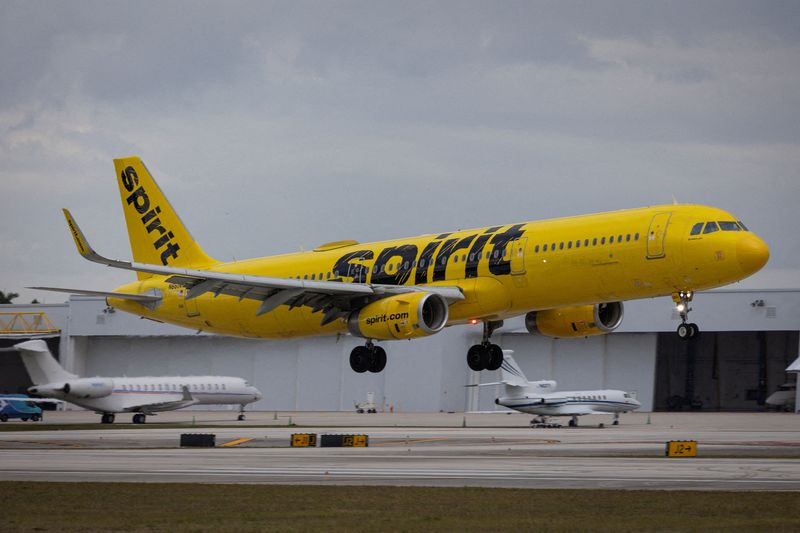
Southwest Airlines Plans to Hire Former Spirit Airlines Mechanics


- Hiring Initiative: Southwest Airlines is looking to hire mechanics from the now-defunct Spirit Airlines to support the upcoming Boeing 737 MAX 7 jet, expected to be delivered in early 2027, indicating the company's proactive stance on future expansion.
- Industry Demand: With U.S. airlines facing shortages of planes and parts, Spirit Airlines' landing slots and engines are anticipated to be in high demand, and Southwest's hiring plan aims to alleviate this industry bottleneck.
- Pilot Recruitment: Southwest is also planning to hire 1,072 pilots this year, exceeding the expected number by about 200, although high jet fuel prices may impact this figure, reflecting the airline's urgent need for human resources.
- Market Conditions: Despite rising fares, demand for air travel in the U.S. remains strong; however, surging fuel prices due to geopolitical tensions are squeezing margins, pushing weaker airlines closer to the brink.
See More

U.S. Navy Actions and Oil Price Fluctuations


- Naval Actions: The U.S. Navy inspected M/V Blue Star III on April 28, confirming it would not head to Iran, demonstrating strict enforcement of the blockade, although this action did not significantly sway market sentiment.
- OPEC+ Production Increase: Seven OPEC+ members agreed to raise production by 188,000 barrels per day in June, but with the Strait of Hormuz still closed, the real-world impact is limited, leading to a muted market reaction and slight oil price declines.
- Record U.S. Oil Exports: U.S. oil exports surged to 5.2 million barrels per day in April, up over 30% from February, indicating strong performance in the U.S. energy market amid Middle Eastern tensions, which could influence global oil price trends.
- U.S.-China Tensions: China's Commerce Ministry blocked U.S. sanctions against five Chinese refiners, highlighting escalating tensions between the two nations, which may have far-reaching implications for global markets, particularly in the energy sector.
See More
Israel Approves Acquisition of Two Fighter Squadrons
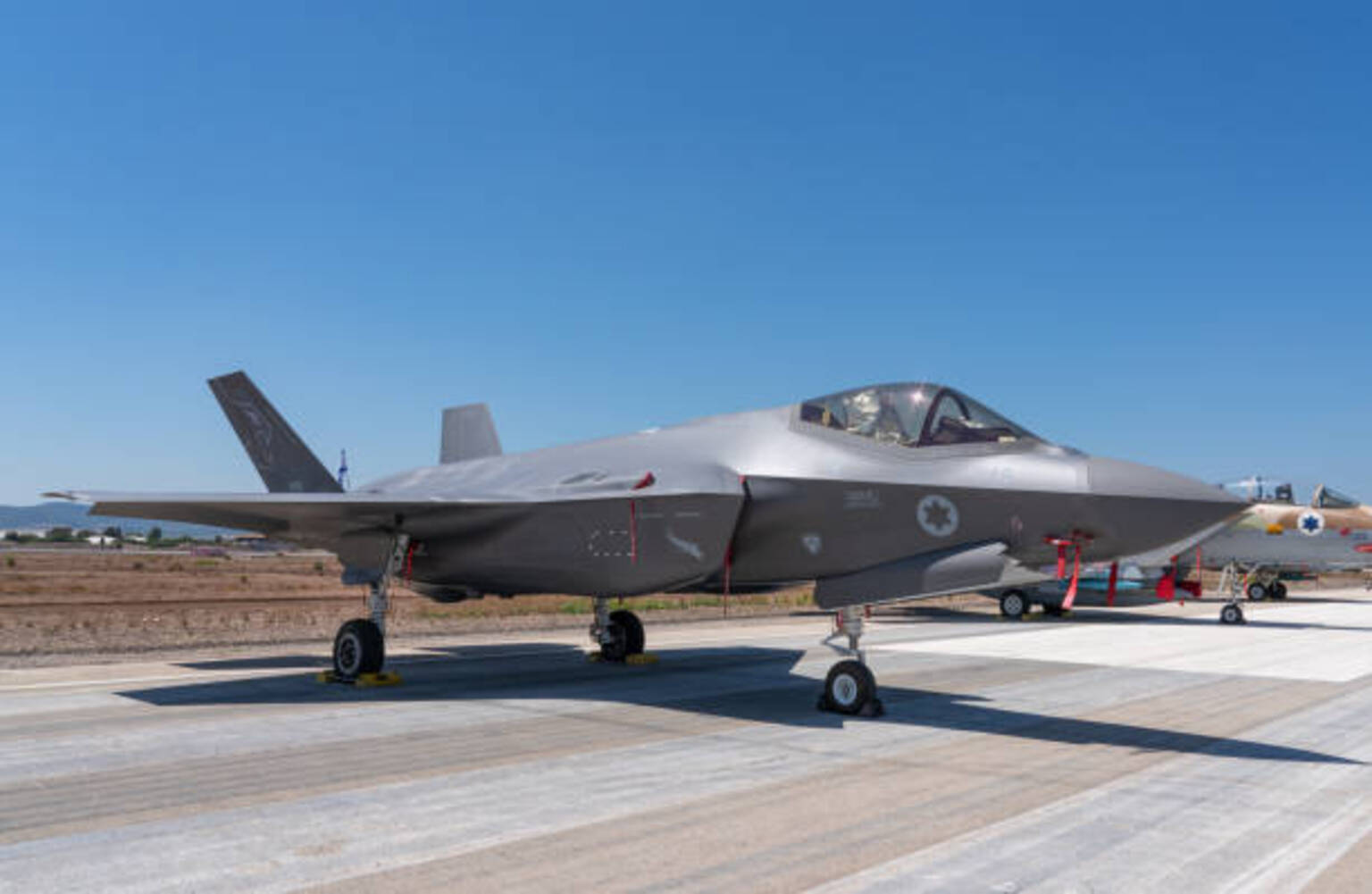
- Military Modernization Plan: Israel has approved the acquisition of two additional combat squadrons from Lockheed Martin and Boeing, including a fourth squadron of F-35 stealth jets and a second squadron of F-15IA aircraft, as part of a broader 350 billion shekel ($119 billion) defense modernization initiative aimed at preserving air dominance and preparing for future regional threats.
- Domestic Production Strategy: Prime Minister Benjamin Netanyahu stated that a significant portion of the expanded defense budget will focus on producing more munitions domestically to reduce reliance on foreign suppliers while also investing in the development of next-generation aircraft, demonstrating the nation's commitment to defense autonomy.
- Importance of Air Power: Defense officials emphasized that the recent conflict with Iran highlighted the necessity of advanced air power and the strategic relationship between Israel and the United States, underscoring the need to continue strengthening the air force for decades to come.
- Ongoing Military Operations: Israeli aircraft have remained active across multiple fronts since the October 2023 Hamas attacks, including operations in Gaza, Lebanon, and during the recent confrontation with Iran, indicating a persistent demand for air combat capabilities and the urgency of continued investment.
See More
Boeing's Gradual Recovery: Analyst Maintains Buy Rating
- Analyst Rating Reaffirmed: Bank of America analyst Ronald Epstein reiterated his Buy rating on Boeing (BA) with a price target of $270, indicating significant upside from the May 1 close of $227.38, reflecting confidence in Boeing's recovery trajectory.
- Financial Performance Improvement: Boeing's Q1 2026 revenue reached $22.2 billion, showing year-over-year growth, and although it reported a GAAP loss per share of $0.11, the improvement in free cash flow to negative $0.2 billion indicates a gradual recovery in profitability.
- Record Backlog: Boeing's total backlog hit a record $695 billion, including over 6,100 commercial airplanes, demonstrating strong market demand for Boeing's products, particularly as the global aviation industry rebounds.
- Delivery Outlook: Despite a wiring issue delaying approximately 25 MAX deliveries in Q1, Epstein forecasts total deliveries of 508 MAX aircraft in 2026, with the 737 program aiming to ramp up production to 47 aircraft per month by summer 2026, reflecting a gradual recovery in production capacity.
See More
EgyptAir Receives First 737 MAX Aircraft
- Fleet Modernization Milestone: EgyptAir's delivery of its first 737 MAX aircraft marks a significant milestone in its fleet modernization strategy, with plans to enhance operational efficiency and passenger experience through the introduction of 18 leased 737-8 planes.
- Environmental and Efficiency Gains: The new 737-8 aircraft reduces fuel consumption and emissions by 20% compared to the planes it replaces, aligning with EgyptAir's sustainable growth vision and enhancing its competitiveness in the international market.
- Route Optimization: The new aircraft will primarily serve short- and medium-haul routes to key destinations such as Paris, Brussels, Istanbul, and Vienna, further strengthening EgyptAir's route network and market presence.
- Long-term Partnership: This delivery not only underscores the 60-year partnership between EgyptAir and Boeing but also highlights SMBC Aviation Capital's support for EgyptAir's modernization efforts, helping to improve operational performance and passenger experience.
See More
Embraer Anticipates New Defense Deals in the Middle East
- Middle East Potential: Following a landmark order for up to 20 C-390 military cargo aircraft from the UAE, Embraer anticipates further government-to-government procurement contracts in the Middle East, indicating a rising demand for its military aircraft in the region.
- Strategic Cooperation Opportunity: The contract with the UAE includes 10 C-390 jets and 10 options, marking the first selection of this model by a Middle Eastern buyer, potentially paving the way for other nations to join the C-390 operators' club and enhancing Embraer's market position.
- Positive Market Reaction: Embraer's shares rose 2.5% after the UAE deal, outperforming Brazil's benchmark Ibovespa index, which fell by 0.9%, reflecting investor confidence in the company's future growth potential.
- Global Demand Outlook: Embraer estimates a need for 400 to 480 military cargo aircraft globally over the next 20 years, primarily to replace aging fleets, thus enhancing the market outlook for the C-390, especially amid escalating global conflicts.
See More
Southwest Airlines Plans to Hire Former Spirit Airlines Mechanics
- Hiring Initiative: Southwest Airlines is looking to hire mechanics from the now-defunct Spirit Airlines to support the upcoming Boeing 737 MAX 7 jet, expected to be delivered in early 2027, indicating the company's proactive stance on future expansion.
- Industry Demand: With U.S. airlines facing shortages of planes and parts, Spirit Airlines' landing slots and engines are anticipated to be in high demand, and Southwest's hiring plan aims to alleviate this industry bottleneck.
- Pilot Recruitment: Southwest is also planning to hire 1,072 pilots this year, exceeding the expected number by about 200, although high jet fuel prices may impact this figure, reflecting the airline's urgent need for human resources.
- Market Conditions: Despite rising fares, demand for air travel in the U.S. remains strong; however, surging fuel prices due to geopolitical tensions are squeezing margins, pushing weaker airlines closer to the brink.
See More
U.S. Navy Actions and Oil Price Fluctuations
- Naval Actions: The U.S. Navy inspected M/V Blue Star III on April 28, confirming it would not head to Iran, demonstrating strict enforcement of the blockade, although this action did not significantly sway market sentiment.
- OPEC+ Production Increase: Seven OPEC+ members agreed to raise production by 188,000 barrels per day in June, but with the Strait of Hormuz still closed, the real-world impact is limited, leading to a muted market reaction and slight oil price declines.
- Record U.S. Oil Exports: U.S. oil exports surged to 5.2 million barrels per day in April, up over 30% from February, indicating strong performance in the U.S. energy market amid Middle Eastern tensions, which could influence global oil price trends.
- U.S.-China Tensions: China's Commerce Ministry blocked U.S. sanctions against five Chinese refiners, highlighting escalating tensions between the two nations, which may have far-reaching implications for global markets, particularly in the energy sector.
See More
Israel Approves Acquisition of Two Fighter Squadrons
- Military Modernization Plan: Israel has approved the acquisition of two additional combat squadrons from Lockheed Martin and Boeing, including a fourth squadron of F-35 stealth jets and a second squadron of F-15IA aircraft, as part of a broader 350 billion shekel ($119 billion) defense modernization initiative aimed at preserving air dominance and preparing for future regional threats.
- Domestic Production Strategy: Prime Minister Benjamin Netanyahu stated that a significant portion of the expanded defense budget will focus on producing more munitions domestically to reduce reliance on foreign suppliers while also investing in the development of next-generation aircraft, demonstrating the nation's commitment to defense autonomy.
- Importance of Air Power: Defense officials emphasized that the recent conflict with Iran highlighted the necessity of advanced air power and the strategic relationship between Israel and the United States, underscoring the need to continue strengthening the air force for decades to come.
- Ongoing Military Operations: Israeli aircraft have remained active across multiple fronts since the October 2023 Hamas attacks, including operations in Gaza, Lebanon, and during the recent confrontation with Iran, indicating a persistent demand for air combat capabilities and the urgency of continued investment.
See More