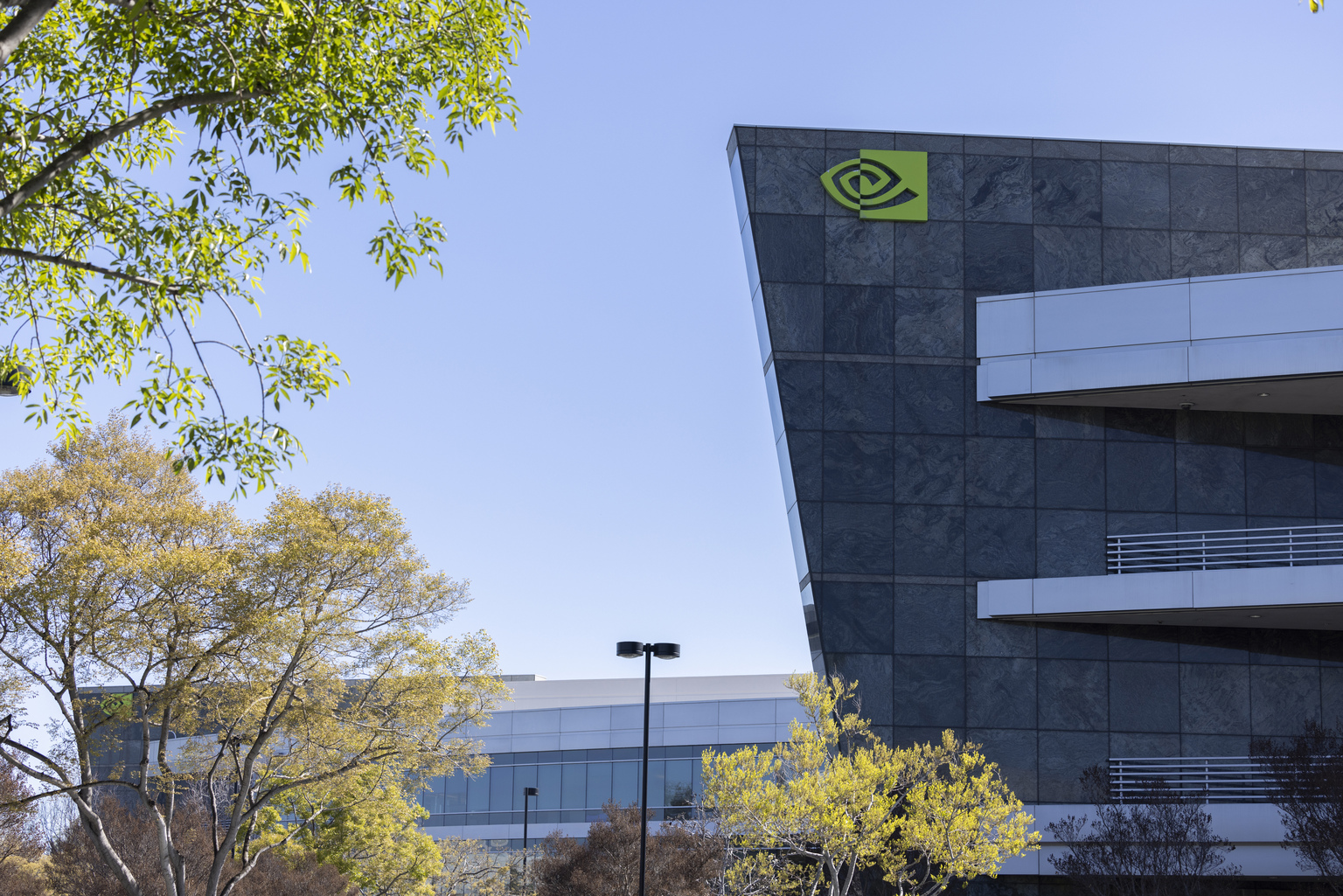
GENERAL MOTORS STOCK RISES 5.5% FOLLOWING REPORT OF INCREASED Q4 CORE PROFIT
Written by Emily J. Thompson, Senior Investment Analyst
Updated: Jan 27 2026
0mins
Should l Buy GM?
Source: moomoo
General Motors Share Performance: General Motors shares increased by 5.5% following positive reports regarding their financial performance.
Core Profit Insights: The rise in share value is attributed to higher core profit expectations for the fourth quarter.
Trade with 70% Backtested Accuracy
Stop guessing "Should I Buy GM?" and start using high-conviction signals backed by rigorous historical data.
Sign up today to access powerful investing tools and make smarter, data-driven decisions.
Analyst Views on GM
Wall Street analysts forecast GM stock price to rise
19 Analyst Rating
14 Buy
4 Hold
1 Sell
Moderate Buy
Current: 78.800

Low
57.00
Averages
95.06
High
122.00
Current: 78.800
Low
57.00
Averages
95.06
High
122.00
About GM
General Motors Company designs, builds and sells trucks, crossovers, cars and automobile parts and provides software-enabled services and subscriptions worldwide. The Company's segments include GMNA, GMI and GM Financial. Its GM North America (GMNA) and GM International (GMI) segment develop, manufacture and/or markets vehicles under the Buick, Cadillac, Chevrolet and GMC brands. The Company's GM Financial segment provides automotive financing and related services. The Company is also focused on investing in electric vehicles (EVs) and autonomous vehicles (Avs), software-enabled services and subscriptions and new business opportunities. The Company's portfolio includes OnStar, GM Energy, GM Insurance, GM Genuine Parts, and the GM Company Store. Its OnStar portfolio offers safety, connectivity and hands-free driver assistance technologies. Its GM Energy provides Home EV Charging, Public EV Charging, Vehicle-To-Home and Energy Storage services.
About the author

Emily J. Thompson
Emily J. Thompson, a Chartered Financial Analyst (CFA) with 12 years in investment research, graduated with honors from the Wharton School. Specializing in industrial and technology stocks, she provides in-depth analysis for Intellectia’s earnings and market brief reports.

Major Indexes Slightly Rise as AI and Chips Counter Higher Oil Prices


- Market Rebound: Major indexes rose slightly on Monday despite higher oil prices, indicating strong market confidence in the AI and semiconductor sectors, which may suggest investor optimism regarding future economic recovery.
- AI Sector Performance: AI-related stocks stood out in the market, with increased investor confidence in their long-term growth potential driving up share prices, thereby enhancing overall market performance.
- Chip Sector Resilience: Chip manufacturers maintained stable growth despite the pressures of rising oil prices, demonstrating the industry's strong risk resilience during economic fluctuations, which may attract more investor interest.
- Geopolitical Impact: Trump's statement about the Iran ceasefire being
See More
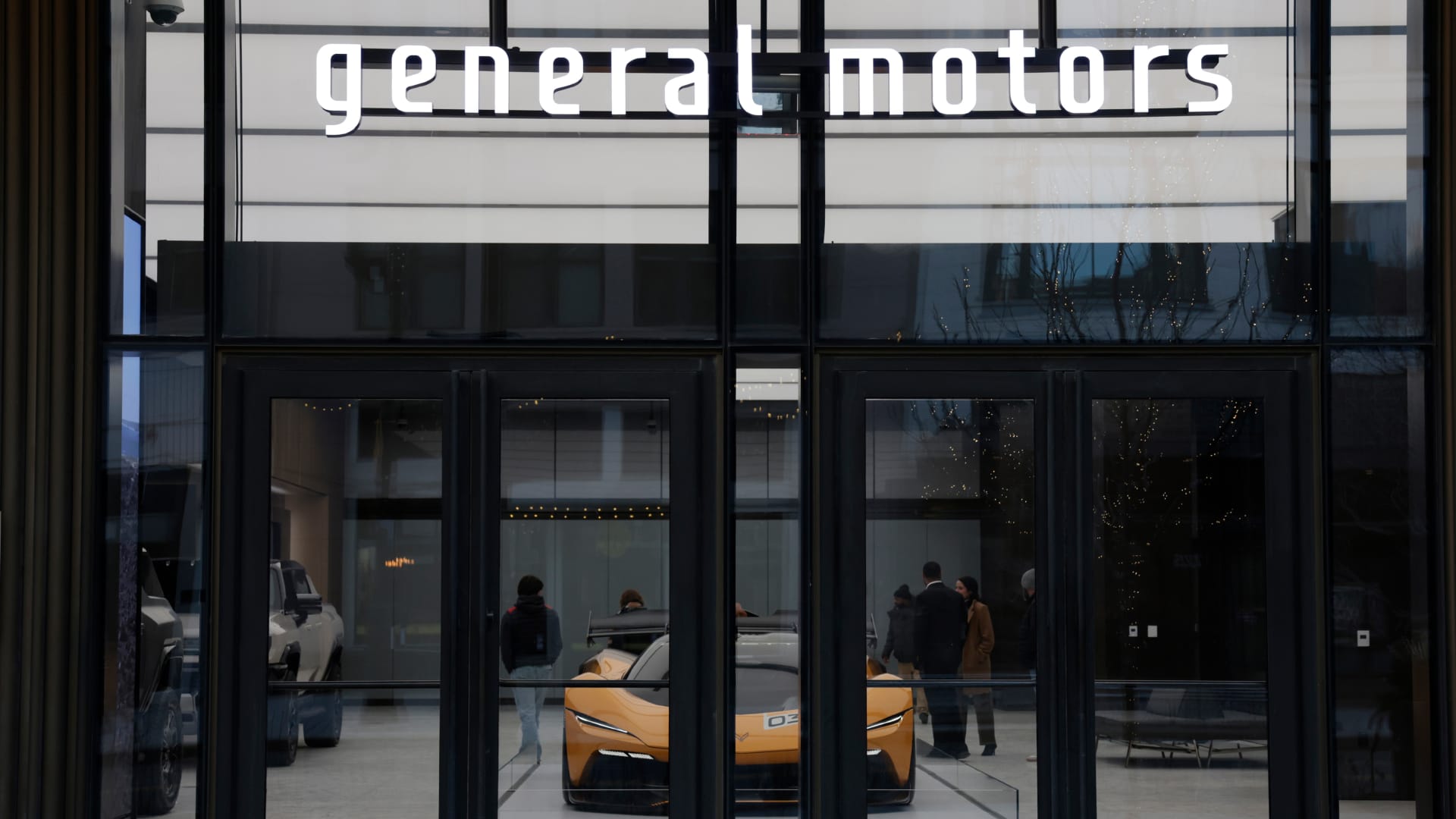
General Motors Lays Off IT Staff to Cut Costs

- Layoff Scale: General Motors is laying off approximately 500 to 600 IT employees globally, primarily in Austin, Texas, and Warren, Michigan, indicating the company's commitment to reevaluating workforce needs and cutting costs.
- Transformation Strategy: The company stated that these layoffs are part of a strategy to better position its Information Technology organization for the future, and despite the cuts, GM continues to hire for IT roles, reflecting ongoing investments in artificial intelligence and autonomous vehicles.
- Employee Support Commitment: GM expressed gratitude towards affected employees and committed to supporting them during the transition, demonstrating a sense of responsibility towards its workforce amid structural changes.
- Historical Layoff Context: Over the past few years, GM has routinely reassessed its salaried workforce based on expected needs and skill sets, having laid off over 200 CAD engineers last October, showcasing the company's flexibility in responding to market changes.
See More

General Motors to Cut 500-600 IT Jobs Amid Cost-Cutting Efforts
- Layoff Announcement: General Motors is cutting 500 to 600 jobs in its IT department as part of a broader cost-saving strategy, with management notifying affected employees starting Monday, which will impact its global workforce.
- Ongoing Losses: The company is grappling with significant losses in the EV sector, projecting an $8.5 billion loss in 2025 due to various charges, and taking a $1.1 billion charge in Q1 related to EV spending cuts, highlighting its struggles in the electric vehicle market.
- Market Reaction: GM's shares fell nearly 4% in midday trading, and the stock has lost about 7% year-to-date, despite a 52% gain over the past 12 months, indicating investor concerns about the company's future outlook.
- Industry Trends: As EV demand weakens, global automakers are also implementing layoffs, with Nissan and Porsche cutting approximately 500 and 900 jobs respectively, reflecting the high-cost challenges faced across the industry.
See More

General Motors Lays Off Hundreds of IT Employees
- Layoff Scale: General Motors is laying off approximately 500 to 600 employees in its IT department, primarily affecting locations in Austin, Texas, and Warren, Michigan, indicating decisive action in reevaluating workforce needs.
- Layoff Timing: The layoffs began on Monday, reflecting GM's proactive approach to reduce redundancies and optimize operations in response to market changes and internal efficiency pressures.
- Company Confirmation: While GM has confirmed the layoff plans, it has not disclosed specific details, which may lead to employee unrest and raise concerns about the company's future strategic direction.
- Strategic Adjustment: This layoff is part of GM's broader strategy to reassess its business structure and operational efficiency, aiming to enhance overall competitiveness and adaptability in the market.
See More

GM Agrees to Pay $12.75M Privacy Settlement Over Driver Data Sale
- Privacy Settlement: General Motors has agreed to pay $12.75 million to settle a California lawsuit alleging the unauthorized sale of OnStar users' personal and driving data, highlighting significant failures in the company's data privacy practices.
- Scope of Data Collection: The allegations state that between 2016 and 2024, GM collected driving and vehicle-related data from hundreds of thousands of California OnStar subscribers, including names, phone numbers, home addresses, vehicle speeds, and GPS location data, severely infringing on user privacy rights.
- Future Compliance Measures: The settlement requires GM to prohibit the sale of driving data to consumer reporting agencies for five years and mandates the deletion of retained driving data within 180 days, ensuring greater transparency and compliance in data handling.
- Establishment of Privacy Program: GM must implement a privacy program to identify, mitigate, and document risks associated with OnStar data collection practices, and submit privacy assessments to the California Department of Justice, thereby enhancing consumer trust and regulatory compliance.
See More

Investment Opportunities: Top Tech Stocks to Buy


- Tech Stock Investment Potential: With an investment of $1,000, it is recommended to buy shares of Alphabet, Nvidia, and Apple, as they are expected to continue outperforming the market over the next decade, particularly in the booming AI and cloud computing sectors.
- Alphabet's Leading Position: Alphabet (GOOGL) has a market cap of $4.9 trillion and is driving revenue growth through innovations in AI and cloud computing, with Google Cloud being the fastest-growing among the top three cloud service providers, enhancing the company's profitability.
- Nvidia's Competitive Edge: Nvidia (NVDA), valued at $5.2 trillion, remains the gold standard for AI model training with its GPUs, and its rapid product development cycle and widely used CUDA software platform ensure its dominant market position.
- Apple's Ecosystem Strength: Apple (AAPL), with a market cap of $4.2 trillion, may not grow as fast as the other two, but its robust ecosystem and the potential in the upcoming AI smart glasses market indicate promising growth opportunities ahead.
See More
Major Indexes Slightly Rise as AI and Chips Counter Higher Oil Prices
- Market Rebound: Major indexes rose slightly on Monday despite higher oil prices, indicating strong market confidence in the AI and semiconductor sectors, which may suggest investor optimism regarding future economic recovery.
- AI Sector Performance: AI-related stocks stood out in the market, with increased investor confidence in their long-term growth potential driving up share prices, thereby enhancing overall market performance.
- Chip Sector Resilience: Chip manufacturers maintained stable growth despite the pressures of rising oil prices, demonstrating the industry's strong risk resilience during economic fluctuations, which may attract more investor interest.
- Geopolitical Impact: Trump's statement about the Iran ceasefire being
See More
General Motors Lays Off IT Staff to Cut Costs
- Layoff Scale: General Motors is laying off approximately 500 to 600 IT employees globally, primarily in Austin, Texas, and Warren, Michigan, indicating the company's commitment to reevaluating workforce needs and cutting costs.
- Transformation Strategy: The company stated that these layoffs are part of a strategy to better position its Information Technology organization for the future, and despite the cuts, GM continues to hire for IT roles, reflecting ongoing investments in artificial intelligence and autonomous vehicles.
- Employee Support Commitment: GM expressed gratitude towards affected employees and committed to supporting them during the transition, demonstrating a sense of responsibility towards its workforce amid structural changes.
- Historical Layoff Context: Over the past few years, GM has routinely reassessed its salaried workforce based on expected needs and skill sets, having laid off over 200 CAD engineers last October, showcasing the company's flexibility in responding to market changes.
See More
General Motors to Cut 500-600 IT Jobs Amid Cost-Cutting Efforts
- Layoff Announcement: General Motors is cutting 500 to 600 jobs in its IT department as part of a broader cost-saving strategy, with management notifying affected employees starting Monday, which will impact its global workforce.
- Ongoing Losses: The company is grappling with significant losses in the EV sector, projecting an $8.5 billion loss in 2025 due to various charges, and taking a $1.1 billion charge in Q1 related to EV spending cuts, highlighting its struggles in the electric vehicle market.
- Market Reaction: GM's shares fell nearly 4% in midday trading, and the stock has lost about 7% year-to-date, despite a 52% gain over the past 12 months, indicating investor concerns about the company's future outlook.
- Industry Trends: As EV demand weakens, global automakers are also implementing layoffs, with Nissan and Porsche cutting approximately 500 and 900 jobs respectively, reflecting the high-cost challenges faced across the industry.
See More
General Motors Lays Off Hundreds of IT Employees
- Layoff Scale: General Motors is laying off approximately 500 to 600 employees in its IT department, primarily affecting locations in Austin, Texas, and Warren, Michigan, indicating decisive action in reevaluating workforce needs.
- Layoff Timing: The layoffs began on Monday, reflecting GM's proactive approach to reduce redundancies and optimize operations in response to market changes and internal efficiency pressures.
- Company Confirmation: While GM has confirmed the layoff plans, it has not disclosed specific details, which may lead to employee unrest and raise concerns about the company's future strategic direction.
- Strategic Adjustment: This layoff is part of GM's broader strategy to reassess its business structure and operational efficiency, aiming to enhance overall competitiveness and adaptability in the market.
See More
GM Agrees to Pay $12.75M Privacy Settlement Over Driver Data Sale
- Privacy Settlement: General Motors has agreed to pay $12.75 million to settle a California lawsuit alleging the unauthorized sale of OnStar users' personal and driving data, highlighting significant failures in the company's data privacy practices.
- Scope of Data Collection: The allegations state that between 2016 and 2024, GM collected driving and vehicle-related data from hundreds of thousands of California OnStar subscribers, including names, phone numbers, home addresses, vehicle speeds, and GPS location data, severely infringing on user privacy rights.
- Future Compliance Measures: The settlement requires GM to prohibit the sale of driving data to consumer reporting agencies for five years and mandates the deletion of retained driving data within 180 days, ensuring greater transparency and compliance in data handling.
- Establishment of Privacy Program: GM must implement a privacy program to identify, mitigate, and document risks associated with OnStar data collection practices, and submit privacy assessments to the California Department of Justice, thereby enhancing consumer trust and regulatory compliance.
See More
Investment Opportunities: Top Tech Stocks to Buy
- Tech Stock Investment Potential: With an investment of $1,000, it is recommended to buy shares of Alphabet, Nvidia, and Apple, as they are expected to continue outperforming the market over the next decade, particularly in the booming AI and cloud computing sectors.
- Alphabet's Leading Position: Alphabet (GOOGL) has a market cap of $4.9 trillion and is driving revenue growth through innovations in AI and cloud computing, with Google Cloud being the fastest-growing among the top three cloud service providers, enhancing the company's profitability.
- Nvidia's Competitive Edge: Nvidia (NVDA), valued at $5.2 trillion, remains the gold standard for AI model training with its GPUs, and its rapid product development cycle and widely used CUDA software platform ensure its dominant market position.
- Apple's Ecosystem Strength: Apple (AAPL), with a market cap of $4.2 trillion, may not grow as fast as the other two, but its robust ecosystem and the potential in the upcoming AI smart glasses market indicate promising growth opportunities ahead.
See More