Key Analyst Insights on NVIDIA, AT&T, and Amgen

NVIDIA's Performance: NVIDIA's shares have outperformed the semiconductor industry, driven by strong demand for AI and high-performance computing, although supply constraints and rising production costs pose challenges.
AT&T's Growth Strategy: AT&T is benefiting from a customer-focused business model and fiber expansion, with solid performance in its wireless segment, despite facing challenges in its wireline division and high debt levels.
Amgen's Sales Drivers: Amgen's stock has outperformed the biomedical industry, supported by strong sales from key drugs and new biosimilars, although it faces pricing pressures and competition that could impact future revenues.
Market Insights: The Zacks Research Daily highlights various stocks, including General Motors and L3Harris Technologies, noting their growth prospects and challenges, while emphasizing the importance of staying informed ahead of market trading.
Trade with 70% Backtested Accuracy
Analyst Views on LHX

About LHX
About the author


L3Harris Powers Historic Artemis II Mission Launch

- Historic Launch: L3Harris successfully powered the Artemis II mission, providing propulsion and avionics for the first crewed lunar journey in over 50 years, showcasing the company's technological prowess and market position in the aerospace sector.
- Technical Support: The company supplied over 100 separate elements for the mission, including RS-25 and RL10 engines, ensuring precise control and monitoring of the spacecraft, further solidifying its leadership in aerospace technology.
- Mission Significance: The 10-day lunar mission will demonstrate L3Harris's capabilities in support of the Artemis campaign, aligning with NASA's vision for a sustained human presence on the moon, which holds significant strategic implications.
- Corporate Vision: L3Harris CEO Christopher Kubasik emphasized the company's commitment to supporting the successful completion of the Artemis II mission, reflecting its dedication and mission in the defense technology sector.
Surge in Defense Tech Investments Amid Geopolitical Tensions


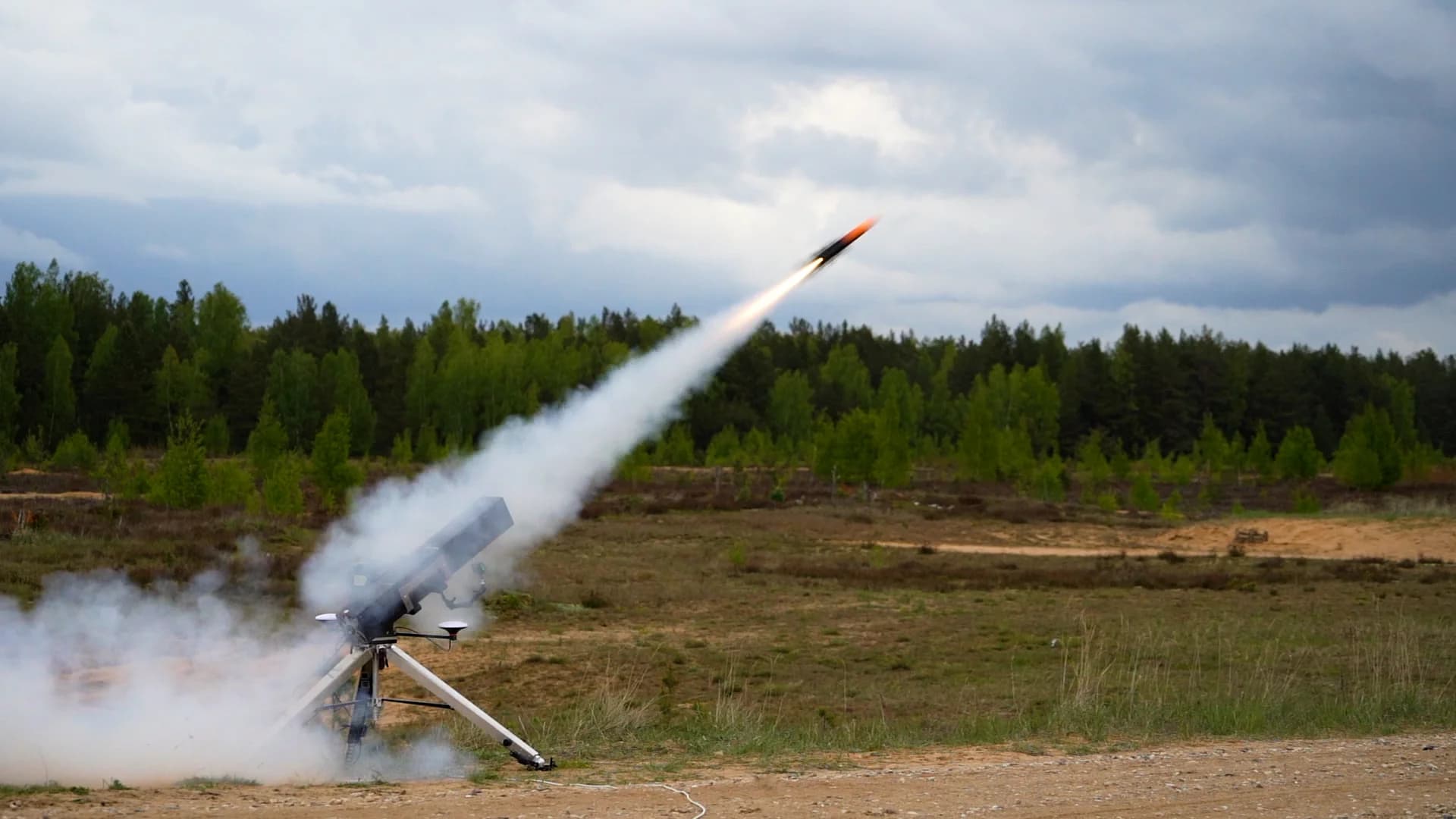
- Significant Investment Growth: According to Dealroom, defense tech funding was only $869 million globally in 2020, but is projected to surge to $11.2 billion by 2025, reflecting a more than tenfold increase driven by rising geopolitical tensions and demand for defense technologies.
- Rising Demand: Since the end of February, following U.S. and Israeli military actions against Iran, defense tech startups have reported a significant uptick in demand from Department of Defense customers, with many clients offering to buy out capacity or requesting increased production, indicating a pressing market need for new technologies.
- Opportunities in the Middle East: As conflicts escalate, defense tech startups in Europe and the U.S. are accelerating commercial discussions with Middle Eastern governments, particularly as interest from Gulf states skyrockets, highlighting urgent needs for defenses against drone and missile attacks.
- Human Resource Expansion: In response to the Iran war, European-headquartered defense startups are set to increase staffing in the Middle East, with Estonian startup Frankenburg and Ukrainian-UK Uforce both indicating plans to ramp up hiring in the region to meet the surging market demand.
Mercury Systems Secures Contract with L3Harris for SSDRs

- Contract Award: Mercury Systems has been awarded a contract by L3Harris to provide solid-state data recorders (SSDRs) for the U.S. Space Development Agency, enhancing its market position in defense and potentially driving future revenue growth.
- Technology Application: Mercury's radiation-tolerant SSDRs will be utilized across all four tranches of tracking layer satellites developed by L3Harris, particularly for the 18 infrared satellites in Tranche 3, thereby improving the U.S. defense capabilities against advanced missile threats.
- Manufacturing Capacity Boost: Mercury is proactively increasing its manufacturing capacity and efficiency to meet the accelerating hardware production demands across all battlefield domains in the U.S., which will help the company maintain its competitive edge in a challenging market.
- Market Impact: The signing of this contract not only showcases Mercury's innovative capabilities in critical technology areas but also positions the company to secure more orders in future defense projects, further solidifying its market share.

L3Harris and Comtech Launch New Multi-Orbit Satellite Modem

- New Modem Launch: L3Harris and Comtech have jointly developed the 5650C2/MP modem, capable of connecting to satellites in medium, geosynchronous, and highly elliptical orbits, addressing the growing demand for resilient military communications and enhancing system flexibility and reliability.
- Multi-Network Connectivity: The device is designed to work with L3Harris's portable satellite terminals, enabling field operators to access multiple networks using a single piece of hardware, thereby simplifying deployment and reducing equipment burdens in the field.
- Certification Process Underway: The modem is undergoing certification with the U.S. Space Force, and if approved, it will operate across both commercial and military satellite constellations, potentially decreasing the need for multiple modems in deployed environments.
- Software-Defined Architecture: Built on a software-defined architecture, the modem allows for reconfiguration based on mission requirements and supports communication waveforms designed to resist interference and jamming, ensuring stable communication in contested electromagnetic environments.
L3Harris to Release Q1 2026 Financial Results on April 30
- Earnings Release Schedule: L3Harris Technologies will announce its Q1 2026 financial results before the market opens on April 30, indicating the company's ongoing commitment to transparency and growth in the defense technology sector.
- Conference Call Timing: The company will host an earnings call on the same day at 10:30 AM ET, allowing investors to engage and interact with management, thereby enhancing communication.
- Replay Availability: A replay of the earnings call will be accessible on L3Harris.com following the event, ensuring that investors who cannot attend live can still access critical information.
- Company Background: L3Harris Technologies focuses on defense technology, providing end-to-end solutions that connect space, air, land, sea, and cyber domains, underscoring its vital role in national security.
European Defense Tech Startups Accelerate Engagement with Middle East Governments


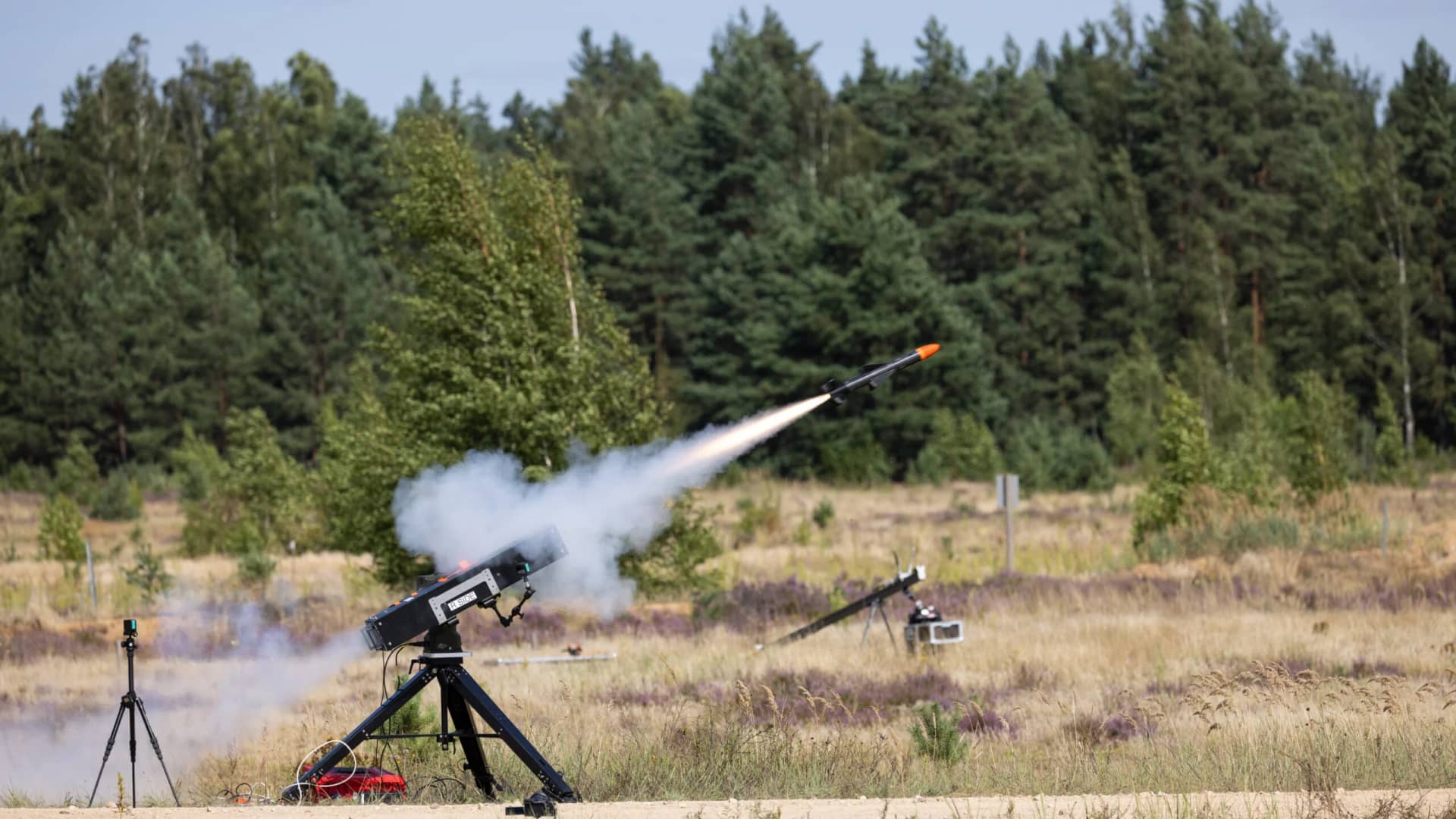
- Surge in Commercial Discussions: Since the onset of the Iran war, European defense tech startups have significantly ramped up commercial discussions with Middle Eastern countries, particularly Gulf states, which are experiencing skyrocketing demand for drone and missile interception technologies, potentially leading to order volumes in the thousands of missiles.
- Expedited Delivery Plans: CEO of Frankenburg Technologies noted that commercial conversations with Gulf states have accelerated, with ongoing discussions about procuring their technology and plans to meet demand under an 'expedited delivery schedule', highlighting the urgent market need for defense technologies.
- Emerging Market Opportunities: Uforce's CEO indicated that interest from Gulf states in their defense technologies has 'skyrocketed' since the Iran war began, with plans to establish a permanent team in the Middle East to address the growing demand, reflecting the region's thirst for advanced defense solutions.
- Funding and Investment Surge: According to Dealroom, European defense tech startups raised $1.8 billion in 2025, nearly three times the previous highest annual figure, indicating that rising global geopolitical tensions are driving a surge in investment in defense technologies.
L3Harris Powers Historic Artemis II Mission Launch
- Historic Launch: L3Harris successfully powered the Artemis II mission, providing propulsion and avionics for the first crewed lunar journey in over 50 years, showcasing the company's technological prowess and market position in the aerospace sector.
- Technical Support: The company supplied over 100 separate elements for the mission, including RS-25 and RL10 engines, ensuring precise control and monitoring of the spacecraft, further solidifying its leadership in aerospace technology.
- Mission Significance: The 10-day lunar mission will demonstrate L3Harris's capabilities in support of the Artemis campaign, aligning with NASA's vision for a sustained human presence on the moon, which holds significant strategic implications.
- Corporate Vision: L3Harris CEO Christopher Kubasik emphasized the company's commitment to supporting the successful completion of the Artemis II mission, reflecting its dedication and mission in the defense technology sector.
Surge in Defense Tech Investments Amid Geopolitical Tensions
- Significant Investment Growth: According to Dealroom, defense tech funding was only $869 million globally in 2020, but is projected to surge to $11.2 billion by 2025, reflecting a more than tenfold increase driven by rising geopolitical tensions and demand for defense technologies.
- Rising Demand: Since the end of February, following U.S. and Israeli military actions against Iran, defense tech startups have reported a significant uptick in demand from Department of Defense customers, with many clients offering to buy out capacity or requesting increased production, indicating a pressing market need for new technologies.
- Opportunities in the Middle East: As conflicts escalate, defense tech startups in Europe and the U.S. are accelerating commercial discussions with Middle Eastern governments, particularly as interest from Gulf states skyrockets, highlighting urgent needs for defenses against drone and missile attacks.
- Human Resource Expansion: In response to the Iran war, European-headquartered defense startups are set to increase staffing in the Middle East, with Estonian startup Frankenburg and Ukrainian-UK Uforce both indicating plans to ramp up hiring in the region to meet the surging market demand.
Mercury Systems Secures Contract with L3Harris for SSDRs
- Contract Award: Mercury Systems has been awarded a contract by L3Harris to provide solid-state data recorders (SSDRs) for the U.S. Space Development Agency, enhancing its market position in defense and potentially driving future revenue growth.
- Technology Application: Mercury's radiation-tolerant SSDRs will be utilized across all four tranches of tracking layer satellites developed by L3Harris, particularly for the 18 infrared satellites in Tranche 3, thereby improving the U.S. defense capabilities against advanced missile threats.
- Manufacturing Capacity Boost: Mercury is proactively increasing its manufacturing capacity and efficiency to meet the accelerating hardware production demands across all battlefield domains in the U.S., which will help the company maintain its competitive edge in a challenging market.
- Market Impact: The signing of this contract not only showcases Mercury's innovative capabilities in critical technology areas but also positions the company to secure more orders in future defense projects, further solidifying its market share.
L3Harris and Comtech Launch New Multi-Orbit Satellite Modem
- New Modem Launch: L3Harris and Comtech have jointly developed the 5650C2/MP modem, capable of connecting to satellites in medium, geosynchronous, and highly elliptical orbits, addressing the growing demand for resilient military communications and enhancing system flexibility and reliability.
- Multi-Network Connectivity: The device is designed to work with L3Harris's portable satellite terminals, enabling field operators to access multiple networks using a single piece of hardware, thereby simplifying deployment and reducing equipment burdens in the field.
- Certification Process Underway: The modem is undergoing certification with the U.S. Space Force, and if approved, it will operate across both commercial and military satellite constellations, potentially decreasing the need for multiple modems in deployed environments.
- Software-Defined Architecture: Built on a software-defined architecture, the modem allows for reconfiguration based on mission requirements and supports communication waveforms designed to resist interference and jamming, ensuring stable communication in contested electromagnetic environments.
L3Harris to Release Q1 2026 Financial Results on April 30
- Earnings Release Schedule: L3Harris Technologies will announce its Q1 2026 financial results before the market opens on April 30, indicating the company's ongoing commitment to transparency and growth in the defense technology sector.
- Conference Call Timing: The company will host an earnings call on the same day at 10:30 AM ET, allowing investors to engage and interact with management, thereby enhancing communication.
- Replay Availability: A replay of the earnings call will be accessible on L3Harris.com following the event, ensuring that investors who cannot attend live can still access critical information.
- Company Background: L3Harris Technologies focuses on defense technology, providing end-to-end solutions that connect space, air, land, sea, and cyber domains, underscoring its vital role in national security.
European Defense Tech Startups Accelerate Engagement with Middle East Governments
- Surge in Commercial Discussions: Since the onset of the Iran war, European defense tech startups have significantly ramped up commercial discussions with Middle Eastern countries, particularly Gulf states, which are experiencing skyrocketing demand for drone and missile interception technologies, potentially leading to order volumes in the thousands of missiles.
- Expedited Delivery Plans: CEO of Frankenburg Technologies noted that commercial conversations with Gulf states have accelerated, with ongoing discussions about procuring their technology and plans to meet demand under an 'expedited delivery schedule', highlighting the urgent market need for defense technologies.
- Emerging Market Opportunities: Uforce's CEO indicated that interest from Gulf states in their defense technologies has 'skyrocketed' since the Iran war began, with plans to establish a permanent team in the Middle East to address the growing demand, reflecting the region's thirst for advanced defense solutions.
- Funding and Investment Surge: According to Dealroom, European defense tech startups raised $1.8 billion in 2025, nearly three times the previous highest annual figure, indicating that rising global geopolitical tensions are driving a surge in investment in defense technologies.