Kenvue's Promising Outlook Ahead of Kimberly-Clark Merger
Written by Emily J. Thompson, Senior Investment Analyst
Updated: 2 days ago
0mins
Source: Fool
- Merger Catalyst: Kenvue's pending $40 billion merger with Kimberly-Clark is expected to transform it from a slow-growth spinoff into an efficient consumer goods powerhouse, with anticipated cost synergies of $2.1 billion, enhancing margins and accelerating growth.
- Strong Brand Portfolio: Kenvue owns trusted health products like Tylenol and Listerine, which maintain strong pricing power even during economic downturns, ensuring stable gross margins and consumer loyalty.
- Dividend Appeal: With a dividend yield of 4.53%, Kenvue is attractive to income-seeking investors, and this yield may increase post-merger, providing a buffer in volatile market conditions.
- Robust Financial Performance: Kenvue reported first-quarter revenue of $3.9 billion, a 4.5% year-over-year increase, with earnings per share of $0.25, up 47%, showcasing its strong position in the health consumer goods market and boosting investor confidence.
Trade with 70% Backtested Accuracy
Stop guessing "Should I Buy KVUE?" and start using high-conviction signals backed by rigorous historical data.
Sign up today to access powerful investing tools and make smarter, data-driven decisions.
Analyst Views on KVUE
Wall Street analysts forecast KVUE stock price to rise
8 Analyst Rating
1 Buy
7 Hold
0 Sell
Hold
Current: 18.010

Low
17.00
Averages
18.86
High
23.00
Current: 18.010
Low
17.00
Averages
18.86
High
23.00
About KVUE
Kenvue Inc. is a consumer health company. The Company's differentiated portfolio of brands includes Aveeno, BAND-AID Brand, Johnson's, Listerine, Neutrogena, Nicorette, Tylenol, and Zyrtec. It operates through three segments: Self Care, Skin Health and Beauty, and Essential Health. Its Self Care product categories include pain care; cough, cold, and allergy; digestive health; smoking cessation; eye care; and other products. Self Care segments include brands such as Tylenol, Motrin, Nicorette, Benadryl, Zyrtec, Zarbee's, Rhinocort, and Calpol. The Skin Health and Beauty segment is focused on face and body care, as well as hair, sun, and other products. The Essential Health segment includes oral care, baby care, women's health, wound care, and other products. Its portfolio includes Self Care, Skin Health and Beauty, and Essential Health products which connect with consumers across North America, Asia Pacific (APAC), Europe, Middle East, and Africa (EMEA), and Latin America (LATAM).
About the author

Emily J. Thompson
Emily J. Thompson, a Chartered Financial Analyst (CFA) with 12 years in investment research, graduated with honors from the Wharton School. Specializing in industrial and technology stocks, she provides in-depth analysis for Intellectia’s earnings and market brief reports.

Kenvue's Promising Outlook Ahead of Kimberly-Clark Merger


- Merger Catalyst: Kenvue's pending $40 billion merger with Kimberly-Clark is expected to transform it from a slow-growth spinoff into an efficient consumer goods powerhouse, with anticipated cost synergies of $2.1 billion, enhancing margins and accelerating growth.
- Strong Brand Portfolio: Kenvue owns trusted health products like Tylenol and Listerine, which maintain strong pricing power even during economic downturns, ensuring stable gross margins and consumer loyalty.
- Dividend Appeal: With a dividend yield of 4.53%, Kenvue is attractive to income-seeking investors, and this yield may increase post-merger, providing a buffer in volatile market conditions.
- Robust Financial Performance: Kenvue reported first-quarter revenue of $3.9 billion, a 4.5% year-over-year increase, with earnings per share of $0.25, up 47%, showcasing its strong position in the health consumer goods market and boosting investor confidence.
See More
SpaceX Achieves Historic Largest IPO with 20% First-Day Surge


- Historic IPO: SpaceX went public on June 12 at $135 per share, achieving an initial market value of $1.8 trillion, making it the largest IPO in history, with a first-day stock surge of over 20%, pushing its valuation above $2 trillion, indicating strong market expectations for its future potential.
- First-Year Performance Risk: Historical data suggests that large IPOs typically underperform in their first year, with SpaceX's stock potentially declining by 50%, implying that a $10,000 investment could drop to about $4,000 by 2027, reflecting concerns over its high valuation.
- Valuation Warning: With a current market value of $2.2 trillion and sales of $19.3 billion, SpaceX's stock trades at an exorbitant valuation of approximately 115 times sales, significantly higher than Palantir's 59 times, indicating that such a premium is unsustainable and could lead to future price corrections.
- Market Prospects and Challenges: While SpaceX has unique advantages in building orbital AI data centers, its high valuation and the general caution surrounding large IPOs create uncertainty regarding its future growth, necessitating careful risk-reward assessments by investors.
See More

SpaceX Achieves Historic $1.8 Trillion IPO Valuation

- Historic IPO: SpaceX went public on June 12 at $135 per share, achieving a market value of $1.8 trillion, making it the largest IPO in history, with a first-day stock gain of over 20%, pushing its valuation above $2 trillion, reflecting high market expectations for its future potential.
- Valuation Risks: With a market value of $2.2 trillion and sales of $19.3 billion, SpaceX's stock trades at an exorbitant 115 times sales, significantly higher than the S&P 500's highest at 59 times, indicating a substantial bubble risk that could lead to major losses for investors.
- Historical Performance Warning: Historical data shows that the average stock price of the 15 largest IPOs has dropped by 33% in the first year; if SpaceX follows this trend, its stock could decline by 50% within the first year, reducing a $10,000 investment to below $5,300 by 2027.
- Market Prospects and Challenges: While SpaceX has a unique advantage in building orbital AI data centers that could effectively address power and cooling issues faced by terrestrial data centers, its high valuation and uncertain market performance necessitate cautious evaluation of its long-term investment value.
See More

Consumer Stocks Face Challenges but Remain Promising


- Nike's Challenges and Opportunities: Nike (NYSE: NKE) has faced several years of struggles, with its stock price declining from its 2021 peak, currently offering a 3.6% dividend yield; analysts predict earnings will rebound to $2.40 per share by the end of the next fiscal year, indicating potential for recovery.
- PepsiCo's Brand Strength: PepsiCo (NASDAQ: PEP), a 'Dividend King' with 54 consecutive annual increases, faces challenges in sales growth, yet its 4.1% dividend yield and a projected 6% annual earnings growth make it attractive in the current market.
- Hershey's Transformation Strategy: Hershey (NYSE: HSY) has been pressured by soaring cocoa prices affecting profit margins; although it did not raise its dividend last year, new CEO Kirk Tanner aims to expand into salty snacks and nutrition bars, which could drive future growth.
- Kimberly-Clark's Merger Strategy: Kimberly-Clark (NASDAQ: KMB) is merging with Kenvue in a $48.7 billion deal, creating a global consumer products giant; despite integration risks, both companies are Dividend Kings, likely prioritizing dividend maintenance and growth, with a current yield of 5%.
See More
Analysis of Four Declining Consumer Brand Stocks
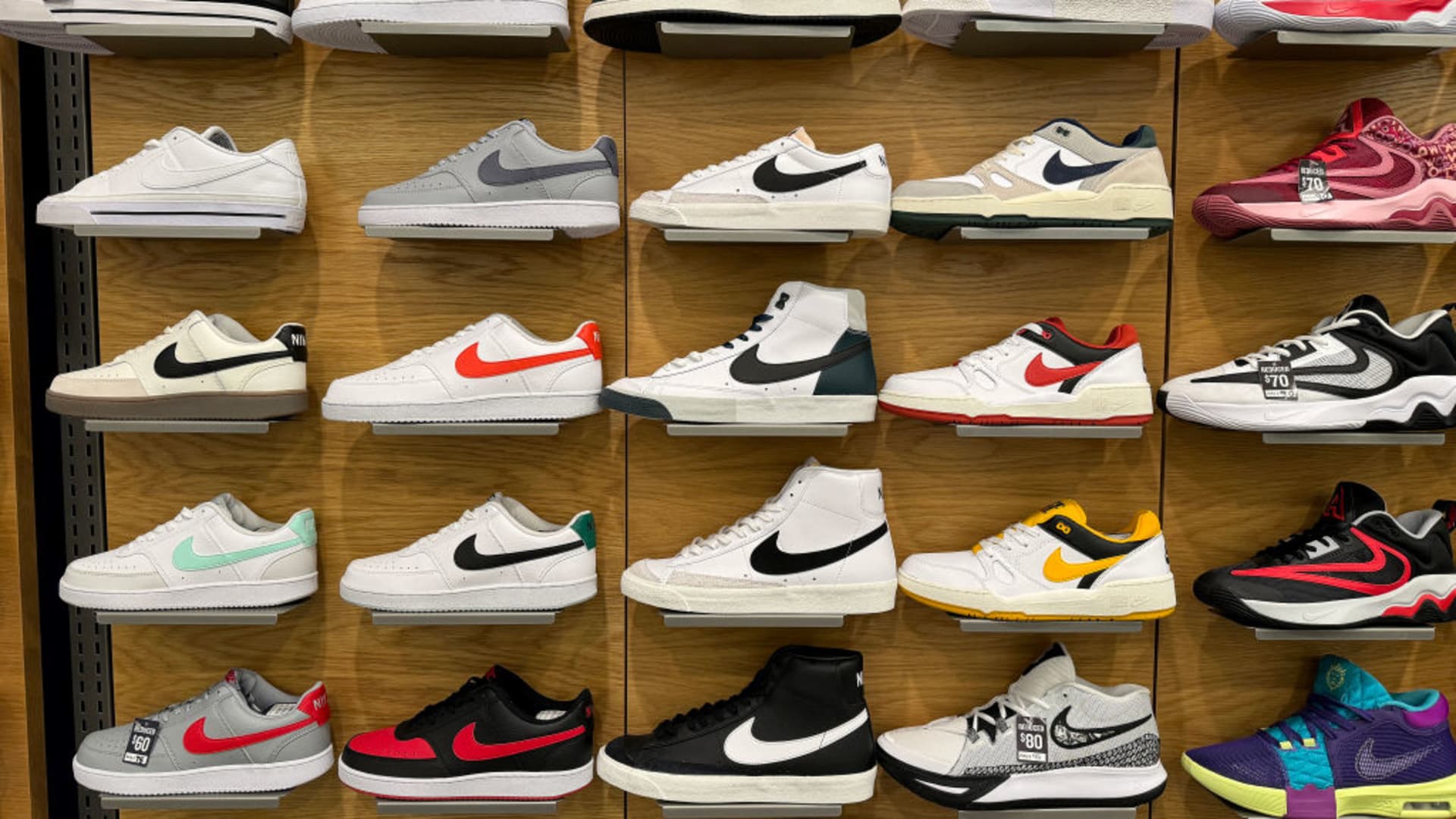
- Nike's Struggles: Nike (NKE) has seen a 74% decline in stock price due to a misguided direct-to-consumer strategy that led to the firing of its CEO; despite raising dividends for 24 consecutive years, the company's earnings have deteriorated, presenting a buying opportunity at a 3.6% dividend yield.
- PepsiCo's Realignment: PepsiCo (PEP) is down 26%, but with a history of 54 consecutive annual dividend increases, the company has adjusted its pricing strategy after aggressive hikes post-COVID, and analysts expect 6% annualized earnings growth, with a dividend yield of 4.1%.
- Hershey's Transition: Hershey (HSY) has dropped 34% due to a severe cocoa shortage impacting profit margins; with a new CEO focusing on growth in salty snacks and nutrition bars, investors should watch for recovery in its core business, currently offering a 3.12% dividend yield.
- Kimberly-Clark's Merger: Kimberly-Clark (KMB) is down 35% as it merges with Kenvue in a $48.7 billion deal, creating a global consumer products giant; while the merger poses risks, both companies are Dividend Kings, and investors can expect a 5% dividend yield during the integration phase.
See More

Mondelez Appoints New CFO Amid Market Challenges

- Executive Transition: Mondelez International has appointed former Kellogg executive Amit Banati as its new Chief Financial Officer effective July 1, succeeding Luca Zaramella, who has transitioned to Chief Operating Officer after over eight years in the finance role, indicating a strategic reshuffle within the leadership team.
- Extensive Financial Expertise: Banati served as CFO at Kellogg for approximately 13 years and continued in the role at Kellanova until May 2025 post-split, followed by a year as CFO at Kenvue, showcasing his deep background and financial management skills in the food industry.
- Market Environment Challenges: Despite facing significant challenges in the packaged food sector, Mondelez has benefited from strong demand for its biscuits and chocolates, highlighting the company's adaptability and product competitiveness in a high-price environment.
- Diverse Career Background: Prior to joining Mondelez, Banati held senior roles at Cadbury Schweppes and Kraft Foods, and his rich professional experience is expected to bring new perspectives and strategic thinking to the company, aiding its continued growth in a competitive market.
See More
Kenvue's Promising Outlook Ahead of Kimberly-Clark Merger
- Merger Catalyst: Kenvue's pending $40 billion merger with Kimberly-Clark is expected to transform it from a slow-growth spinoff into an efficient consumer goods powerhouse, with anticipated cost synergies of $2.1 billion, enhancing margins and accelerating growth.
- Strong Brand Portfolio: Kenvue owns trusted health products like Tylenol and Listerine, which maintain strong pricing power even during economic downturns, ensuring stable gross margins and consumer loyalty.
- Dividend Appeal: With a dividend yield of 4.53%, Kenvue is attractive to income-seeking investors, and this yield may increase post-merger, providing a buffer in volatile market conditions.
- Robust Financial Performance: Kenvue reported first-quarter revenue of $3.9 billion, a 4.5% year-over-year increase, with earnings per share of $0.25, up 47%, showcasing its strong position in the health consumer goods market and boosting investor confidence.
See More
SpaceX Achieves Historic Largest IPO with 20% First-Day Surge
- Historic IPO: SpaceX went public on June 12 at $135 per share, achieving an initial market value of $1.8 trillion, making it the largest IPO in history, with a first-day stock surge of over 20%, pushing its valuation above $2 trillion, indicating strong market expectations for its future potential.
- First-Year Performance Risk: Historical data suggests that large IPOs typically underperform in their first year, with SpaceX's stock potentially declining by 50%, implying that a $10,000 investment could drop to about $4,000 by 2027, reflecting concerns over its high valuation.
- Valuation Warning: With a current market value of $2.2 trillion and sales of $19.3 billion, SpaceX's stock trades at an exorbitant valuation of approximately 115 times sales, significantly higher than Palantir's 59 times, indicating that such a premium is unsustainable and could lead to future price corrections.
- Market Prospects and Challenges: While SpaceX has unique advantages in building orbital AI data centers, its high valuation and the general caution surrounding large IPOs create uncertainty regarding its future growth, necessitating careful risk-reward assessments by investors.
See More
SpaceX Achieves Historic $1.8 Trillion IPO Valuation
- Historic IPO: SpaceX went public on June 12 at $135 per share, achieving a market value of $1.8 trillion, making it the largest IPO in history, with a first-day stock gain of over 20%, pushing its valuation above $2 trillion, reflecting high market expectations for its future potential.
- Valuation Risks: With a market value of $2.2 trillion and sales of $19.3 billion, SpaceX's stock trades at an exorbitant 115 times sales, significantly higher than the S&P 500's highest at 59 times, indicating a substantial bubble risk that could lead to major losses for investors.
- Historical Performance Warning: Historical data shows that the average stock price of the 15 largest IPOs has dropped by 33% in the first year; if SpaceX follows this trend, its stock could decline by 50% within the first year, reducing a $10,000 investment to below $5,300 by 2027.
- Market Prospects and Challenges: While SpaceX has a unique advantage in building orbital AI data centers that could effectively address power and cooling issues faced by terrestrial data centers, its high valuation and uncertain market performance necessitate cautious evaluation of its long-term investment value.
See More
Consumer Stocks Face Challenges but Remain Promising
- Nike's Challenges and Opportunities: Nike (NYSE: NKE) has faced several years of struggles, with its stock price declining from its 2021 peak, currently offering a 3.6% dividend yield; analysts predict earnings will rebound to $2.40 per share by the end of the next fiscal year, indicating potential for recovery.
- PepsiCo's Brand Strength: PepsiCo (NASDAQ: PEP), a 'Dividend King' with 54 consecutive annual increases, faces challenges in sales growth, yet its 4.1% dividend yield and a projected 6% annual earnings growth make it attractive in the current market.
- Hershey's Transformation Strategy: Hershey (NYSE: HSY) has been pressured by soaring cocoa prices affecting profit margins; although it did not raise its dividend last year, new CEO Kirk Tanner aims to expand into salty snacks and nutrition bars, which could drive future growth.
- Kimberly-Clark's Merger Strategy: Kimberly-Clark (NASDAQ: KMB) is merging with Kenvue in a $48.7 billion deal, creating a global consumer products giant; despite integration risks, both companies are Dividend Kings, likely prioritizing dividend maintenance and growth, with a current yield of 5%.
See More
Analysis of Four Declining Consumer Brand Stocks
- Nike's Struggles: Nike (NKE) has seen a 74% decline in stock price due to a misguided direct-to-consumer strategy that led to the firing of its CEO; despite raising dividends for 24 consecutive years, the company's earnings have deteriorated, presenting a buying opportunity at a 3.6% dividend yield.
- PepsiCo's Realignment: PepsiCo (PEP) is down 26%, but with a history of 54 consecutive annual dividend increases, the company has adjusted its pricing strategy after aggressive hikes post-COVID, and analysts expect 6% annualized earnings growth, with a dividend yield of 4.1%.
- Hershey's Transition: Hershey (HSY) has dropped 34% due to a severe cocoa shortage impacting profit margins; with a new CEO focusing on growth in salty snacks and nutrition bars, investors should watch for recovery in its core business, currently offering a 3.12% dividend yield.
- Kimberly-Clark's Merger: Kimberly-Clark (KMB) is down 35% as it merges with Kenvue in a $48.7 billion deal, creating a global consumer products giant; while the merger poses risks, both companies are Dividend Kings, and investors can expect a 5% dividend yield during the integration phase.
See More
Mondelez Appoints New CFO Amid Market Challenges
- Executive Transition: Mondelez International has appointed former Kellogg executive Amit Banati as its new Chief Financial Officer effective July 1, succeeding Luca Zaramella, who has transitioned to Chief Operating Officer after over eight years in the finance role, indicating a strategic reshuffle within the leadership team.
- Extensive Financial Expertise: Banati served as CFO at Kellogg for approximately 13 years and continued in the role at Kellanova until May 2025 post-split, followed by a year as CFO at Kenvue, showcasing his deep background and financial management skills in the food industry.
- Market Environment Challenges: Despite facing significant challenges in the packaged food sector, Mondelez has benefited from strong demand for its biscuits and chocolates, highlighting the company's adaptability and product competitiveness in a high-price environment.
- Diverse Career Background: Prior to joining Mondelez, Banati held senior roles at Cadbury Schweppes and Kraft Foods, and his rich professional experience is expected to bring new perspectives and strategic thinking to the company, aiding its continued growth in a competitive market.
See More