IWD ETF 52-Week High and Low Analysis
Written by Emily J. Thompson, Senior Investment Analyst
Updated: 4 days ago
0mins

Source: NASDAQ.COM
- 52-Week Price Range: The IWD ETF has a 52-week low of $182.36 and a high of $232.2595, with the latest trade at $231.82, indicating the ETF is trading near its high, which may attract investor interest in its price movements.
- Technical Analysis Tool: Comparing the current share price to the 200-day moving average can provide valuable insights for investors, helping to assess market trends and potential buying opportunities.
- ETF Unit Trading Mechanism: ETFs trade similarly to stocks, where investors are buying and selling 'units' that can be created or destroyed based on investor demand, impacting the liquidity and market performance of the ETF.
- Inflows and Outflows Monitoring: Weekly monitoring of changes in shares outstanding helps identify ETFs experiencing significant inflows or outflows, allowing investors to evaluate the impact on underlying assets and make more informed decisions.
Trade with 70% Backtested Accuracy
Stop guessing "Should I Buy JNJ?" and start using high-conviction signals backed by rigorous historical data.
Sign up today to access powerful investing tools and make smarter, data-driven decisions.
Analyst Views on JNJ
Wall Street analysts forecast JNJ stock price to fall
20 Analyst Rating
13 Buy
7 Hold
0 Sell
Moderate Buy
Current: 222.510

Low
190.00
Averages
218.50
High
240.00
Current: 222.510
Low
190.00
Averages
218.50
High
240.00
About JNJ
Johnson & Johnson and its subsidiaries are engaged in the research and development, manufacture, and sale of a range of products in the healthcare field. The Company’s segments include Innovative Medicine and MedTech. The Innovative Medicine segment is focused on various therapeutic areas, including immunology, infectious diseases, neuroscience, oncology, pulmonary hypertension, cardiovascular and metabolism. Its products include REMICADE (infliximab), SIMPONI (golimumab), SIMPONI ARIA (golimumab), STELARA (ustekinumab), TREMFYA (guselkumab), EDURANT (rilpivirine), and INVEGA SUSTENNA/XEPLION (paliperidone palmitate). The MedTech segment includes a portfolio of products used in cardiovascular, orthopedics, surgery, and vision categories. The Cardiovascular portfolio includes electrophysiology products to treat heart rhythm disorders and circulatory restoration products (Shockwave) for the treatment of calcified coronary artery disease (CAD) and peripheral artery disease (PAD).
About the author

Emily J. Thompson
Emily J. Thompson, a Chartered Financial Analyst (CFA) with 12 years in investment research, graduated with honors from the Wharton School. Specializing in industrial and technology stocks, she provides in-depth analysis for Intellectia’s earnings and market brief reports.

Trump Denies Plans to Oust FDA Commissioner Makary


- Trump's Denial: Trump stated late Friday that he is unaware of any proposal to oust FDA Commissioner Marty Makary, despite multiple reports suggesting increasing pressure from senior White House officials for his departure, indicating potential internal conflicts.
- FDA Leadership Turmoil: Since Makary's nomination in November 2024, the FDA has seen several high-profile departures, including Richard Pazdur, the director of the Center for Drug Evaluation and Research, and Vinay Prasad, former head of the Center for Biologics Evaluation and Research, highlighting instability within the agency.
- Impact of Media Reports: The Wall Street Journal's initial report on Trump's plans to dismiss Makary contrasts with Trump's claims of ignorance, which may undermine public trust in FDA leadership and the agency's credibility.
- Future Challenges: Given the backdrop of leadership turnover and external pressures, Makary's ability to lead will be increasingly scrutinized, particularly in drug regulation and public health policy, potentially affecting the FDA's decision-making efficiency and public health safety.
See More

Caution Signals Emerge in the Market


- Market Valuation Warning: The Shiller P/E ratio has reached 41, the highest level since the dot-com bubble, indicating that the market may be overvalued and investors should be cautious about potential risks.
- Berkshire's Liquidity Innovation: Berkshire Hathaway holds nearly $397 billion in liquidity, surpassing its $330 billion stock portfolio, indicating a strategy of cash accumulation in anticipation of a discounted market.
- Realty Income Stability: Realty Income boasts a 5.1% dividend yield and a 99% occupancy rate, consistently paying dividends monthly since 1994, demonstrating strong cash flow and market competitiveness.
- Kimberly-Clark's Brand Strength: Kimberly-Clark has increased its dividend for 54 consecutive years, and despite merger cost pressures, its 5.2% dividend yield and stable cash flow suggest it still has the capacity to attract investors.
See More

Realty Income and Clorox Outlook Amid Market Challenges
- Stability of Realty Income: Realty Income (NYSE: O) maintains a 99% occupancy rate by leasing single-tenant properties, continuously developing new assets to ensure steady revenue while upholding its reputation for monthly dividends since 1994, with an annual payout of $3.25 and a yield of 5.1%, significantly above the S&P 500's 1.1% average.
- Clorox's Challenges and Opportunities: Despite facing pressures from a cyberattack and rising costs that led to downward revisions in sales and earnings forecasts, Clorox (NYSE: CLX) boasts an annual dividend of $4.96 and a yield of 5.6%, indicating long-term stability, and is likely to maintain its dividend growth streak.
- Kimberly-Clark's Merger Prospects: Kimberly-Clark (NASDAQ: KMB) is set to merge with Kenvue, and although its $32 billion market cap is below the $48.7 billion deal cost, the market has likely priced in some dilution effects, while the merger will integrate more well-known brands, enhancing competitive strength.
- Cautious Market Sentiment: Given the current market conditions, investors should be cautious, especially with the Shiller P/E ratio at a historical high of 41 and Berkshire Hathaway holding nearly $397 billion in liquidity, suggesting it may be preparing for a discounted market, prompting investors to focus on potential value stocks.
See More
FDA Deputy Commissioner Considered for Acting Commissioner Role
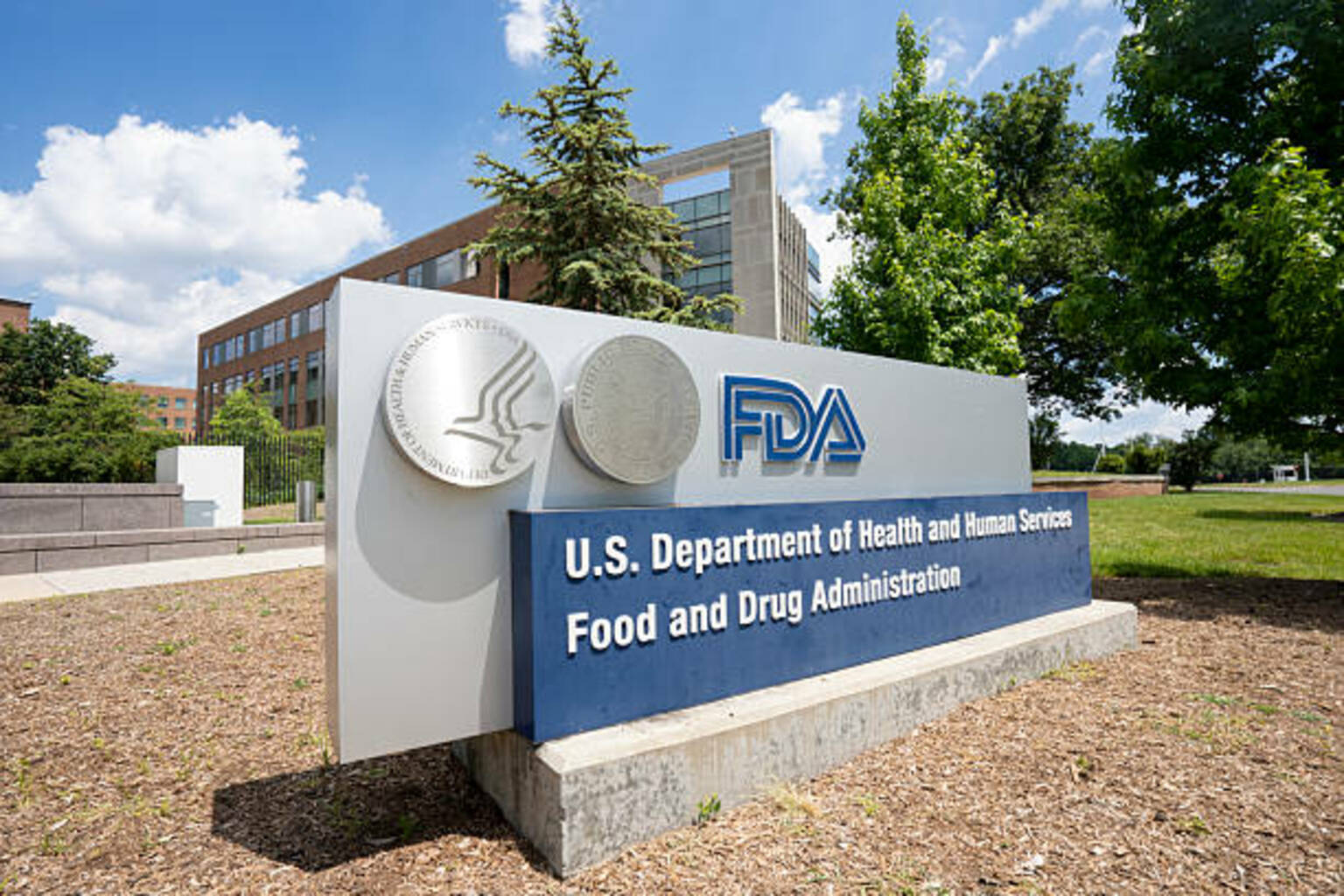
- Acting Commissioner Candidates: FDA Deputy Commissioner Kyle Diamantas is being considered for the acting commissioner role as current Commissioner Marty Makary's tenure is reportedly ending soon, which could impact the agency's policy direction and operational efficiency.
- Additional Candidates: Alongside Diamantas, Deputy Commissioner for Policy, Legislation, and International Affairs Grace Graham and senior counselor to HHS Secretary Robert F. Kennedy Jr., Sara Brenner, are also in the running, indicating a diverse consideration for FDA leadership.
- Former Commissioners Considered: Former FDA Commissioner Stephen Hahn and former acting commissioner and Assistant Health Secretary Brett Giroir are being considered for a permanent role, suggesting a potential return to a more traditional leadership style at the FDA.
- Industry Implications: Changes in FDA leadership may affect pharmaceutical companies like Pfizer, particularly in terms of policy formulation and regulatory enforcement, which could influence drug approvals and market strategies.
See More
Trump Signs Proposal to Oust FDA Commissioner Makary Amid Turmoil
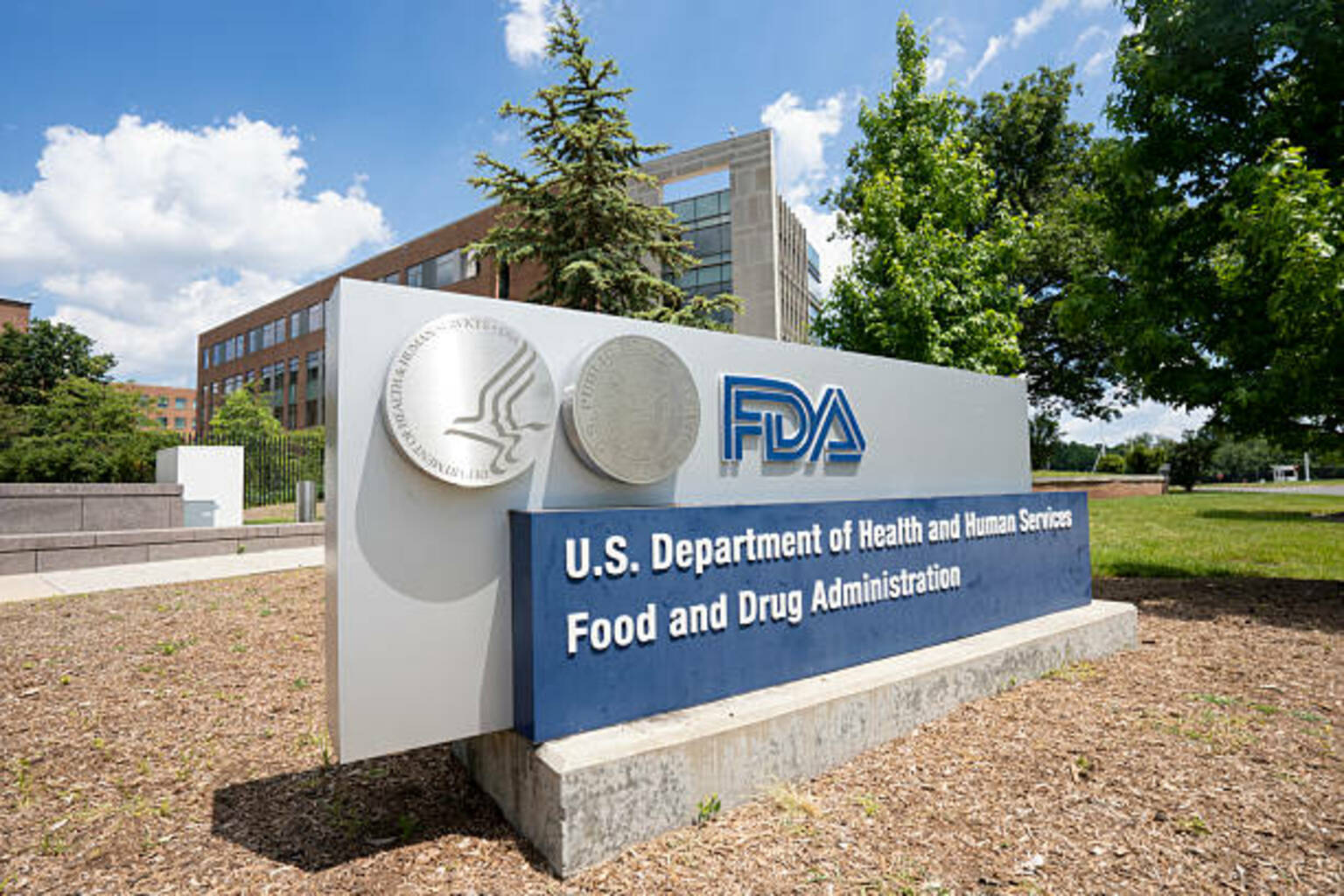
- FDA Leadership Change: President Trump has signed a proposal to oust FDA Commissioner Marty Makary due to perceived management failures, leading to clashes with HHS officials and the White House, indicating dissatisfaction within the Trump administration regarding FDA leadership.
- High-Level Departures: Makary's potential removal marks him as another high-profile health official to exit under Trump, following CDC Director Susan Monarez, reflecting a tumultuous period for the FDA that could undermine the agency's stability.
- Industry Reactions: White House officials believe Makary's departure stems from chaos within the FDA and increasing complaints from the pharmaceutical industry, highlighting concerns over the agency's management efficiency that may influence future FDA policies.
- Appointment Context: Nominated by Trump in November 2024 to succeed Robert Califf, Makary's controversial tenure has raised questions about the Trump administration's reputation in public health, potentially impacting its standing with stakeholders.
See More

Three Unstoppable Dividend Kings to Buy Now
- Strong Dividend Growth: Johnson & Johnson (JNJ) raised its dividend by 3.1% last month, marking 64 consecutive years of increases, with a current yield of 2.3%, significantly higher than the S&P 500's 1.1%, demonstrating its stability and appeal during economic downturns.
- Robust Cash Flow: Johnson & Johnson generated $20 billion in free cash flow last year, more than covering its $12.4 billion dividend payout, and its ultra-low net debt level underscores its financial health and ability to sustain dividends.
- Long-Term Growth Potential: Procter & Gamble (PG) has paid dividends for 136 consecutive years, recently extending its growth streak to 70 years, with expected operating cash flow of $20 billion this year, sufficient to cover its $10 billion dividend and $5 billion in share repurchases, ensuring stable dividend payments.
- Strategic Investments and Returns: PepsiCo (PEP) delivered a 4% dividend increase this year and plans to return about $8.9 billion in cash to shareholders, showcasing its strong cash flow and strategic investment capabilities, which are expected to support long-term revenue growth and dividend increases.
See More
Trump Denies Plans to Oust FDA Commissioner Makary
- Trump's Denial: Trump stated late Friday that he is unaware of any proposal to oust FDA Commissioner Marty Makary, despite multiple reports suggesting increasing pressure from senior White House officials for his departure, indicating potential internal conflicts.
- FDA Leadership Turmoil: Since Makary's nomination in November 2024, the FDA has seen several high-profile departures, including Richard Pazdur, the director of the Center for Drug Evaluation and Research, and Vinay Prasad, former head of the Center for Biologics Evaluation and Research, highlighting instability within the agency.
- Impact of Media Reports: The Wall Street Journal's initial report on Trump's plans to dismiss Makary contrasts with Trump's claims of ignorance, which may undermine public trust in FDA leadership and the agency's credibility.
- Future Challenges: Given the backdrop of leadership turnover and external pressures, Makary's ability to lead will be increasingly scrutinized, particularly in drug regulation and public health policy, potentially affecting the FDA's decision-making efficiency and public health safety.
See More
Caution Signals Emerge in the Market
- Market Valuation Warning: The Shiller P/E ratio has reached 41, the highest level since the dot-com bubble, indicating that the market may be overvalued and investors should be cautious about potential risks.
- Berkshire's Liquidity Innovation: Berkshire Hathaway holds nearly $397 billion in liquidity, surpassing its $330 billion stock portfolio, indicating a strategy of cash accumulation in anticipation of a discounted market.
- Realty Income Stability: Realty Income boasts a 5.1% dividend yield and a 99% occupancy rate, consistently paying dividends monthly since 1994, demonstrating strong cash flow and market competitiveness.
- Kimberly-Clark's Brand Strength: Kimberly-Clark has increased its dividend for 54 consecutive years, and despite merger cost pressures, its 5.2% dividend yield and stable cash flow suggest it still has the capacity to attract investors.
See More
Realty Income and Clorox Outlook Amid Market Challenges
- Stability of Realty Income: Realty Income (NYSE: O) maintains a 99% occupancy rate by leasing single-tenant properties, continuously developing new assets to ensure steady revenue while upholding its reputation for monthly dividends since 1994, with an annual payout of $3.25 and a yield of 5.1%, significantly above the S&P 500's 1.1% average.
- Clorox's Challenges and Opportunities: Despite facing pressures from a cyberattack and rising costs that led to downward revisions in sales and earnings forecasts, Clorox (NYSE: CLX) boasts an annual dividend of $4.96 and a yield of 5.6%, indicating long-term stability, and is likely to maintain its dividend growth streak.
- Kimberly-Clark's Merger Prospects: Kimberly-Clark (NASDAQ: KMB) is set to merge with Kenvue, and although its $32 billion market cap is below the $48.7 billion deal cost, the market has likely priced in some dilution effects, while the merger will integrate more well-known brands, enhancing competitive strength.
- Cautious Market Sentiment: Given the current market conditions, investors should be cautious, especially with the Shiller P/E ratio at a historical high of 41 and Berkshire Hathaway holding nearly $397 billion in liquidity, suggesting it may be preparing for a discounted market, prompting investors to focus on potential value stocks.
See More
FDA Deputy Commissioner Considered for Acting Commissioner Role
- Acting Commissioner Candidates: FDA Deputy Commissioner Kyle Diamantas is being considered for the acting commissioner role as current Commissioner Marty Makary's tenure is reportedly ending soon, which could impact the agency's policy direction and operational efficiency.
- Additional Candidates: Alongside Diamantas, Deputy Commissioner for Policy, Legislation, and International Affairs Grace Graham and senior counselor to HHS Secretary Robert F. Kennedy Jr., Sara Brenner, are also in the running, indicating a diverse consideration for FDA leadership.
- Former Commissioners Considered: Former FDA Commissioner Stephen Hahn and former acting commissioner and Assistant Health Secretary Brett Giroir are being considered for a permanent role, suggesting a potential return to a more traditional leadership style at the FDA.
- Industry Implications: Changes in FDA leadership may affect pharmaceutical companies like Pfizer, particularly in terms of policy formulation and regulatory enforcement, which could influence drug approvals and market strategies.
See More
Trump Signs Proposal to Oust FDA Commissioner Makary Amid Turmoil
- FDA Leadership Change: President Trump has signed a proposal to oust FDA Commissioner Marty Makary due to perceived management failures, leading to clashes with HHS officials and the White House, indicating dissatisfaction within the Trump administration regarding FDA leadership.
- High-Level Departures: Makary's potential removal marks him as another high-profile health official to exit under Trump, following CDC Director Susan Monarez, reflecting a tumultuous period for the FDA that could undermine the agency's stability.
- Industry Reactions: White House officials believe Makary's departure stems from chaos within the FDA and increasing complaints from the pharmaceutical industry, highlighting concerns over the agency's management efficiency that may influence future FDA policies.
- Appointment Context: Nominated by Trump in November 2024 to succeed Robert Califf, Makary's controversial tenure has raised questions about the Trump administration's reputation in public health, potentially impacting its standing with stakeholders.
See More
Three Unstoppable Dividend Kings to Buy Now
- Strong Dividend Growth: Johnson & Johnson (JNJ) raised its dividend by 3.1% last month, marking 64 consecutive years of increases, with a current yield of 2.3%, significantly higher than the S&P 500's 1.1%, demonstrating its stability and appeal during economic downturns.
- Robust Cash Flow: Johnson & Johnson generated $20 billion in free cash flow last year, more than covering its $12.4 billion dividend payout, and its ultra-low net debt level underscores its financial health and ability to sustain dividends.
- Long-Term Growth Potential: Procter & Gamble (PG) has paid dividends for 136 consecutive years, recently extending its growth streak to 70 years, with expected operating cash flow of $20 billion this year, sufficient to cover its $10 billion dividend and $5 billion in share repurchases, ensuring stable dividend payments.
- Strategic Investments and Returns: PepsiCo (PEP) delivered a 4% dividend increase this year and plans to return about $8.9 billion in cash to shareholders, showcasing its strong cash flow and strategic investment capabilities, which are expected to support long-term revenue growth and dividend increases.
See More