GE Shows Promise: Will Its 4.0% Surge Lead to Further Gains?

GE Aerospace Stock Performance: GE shares rose 3.9% to $299.81, driven by strong demand in its Commercial Engines & Services business, despite a 5.2% loss over the past month.
Earnings Expectations: GE is projected to report quarterly earnings of $1.40 per share, reflecting a 6.1% year-over-year increase, with revenues expected to reach $11.18 billion, up 13.1% from the previous year.
Earnings Estimate Revisions: The consensus EPS estimate for GE has been slightly revised upward, indicating a potential for price appreciation, as positive trends in earnings revisions often correlate with stock price increases.
Boeing's Market Position: Boeing's stock closed 1.8% higher at $204.38, with a consensus EPS estimate of -$0.43, reflecting a significant year-over-year change, while it currently holds a Zacks Rank of #4 (Sell).
Trade with 70% Backtested Accuracy
Analyst Views on BA

About BA
About the author


Trump's China Visit: Pursuing Trade and AI Dialogue

- Trade Negotiation Progress: Trump's visit to China aims to secure more trade agreements, particularly focusing on aerospace, with new Boeing (BA) orders expected, which could enhance the U.S.'s competitive edge in the global market.
- AI Communication Mechanism Establishment: The White House plans to announce new U.S.-China Boards of Trade and Investment to improve dialogue on artificial intelligence, marking the first formal discussions on high-stakes issues, despite uncertainties surrounding AI regulation.
- Iran Issue Impact: Trump's discussions may address China's disregard for U.S. sanctions on Iran, which could escalate tensions, even as he publicly emphasizes a friendly relationship, highlighting the complexity of U.S.-China dynamics.
- Tariff Policy Uncertainty: A recent ruling from the Court of International Trade could undermine Trump's efforts to impose a 10% tariff on global goods, weakening his negotiating leverage and adding a layer of tension to the upcoming discussions.

Trump Invites Executives to China for Trade Talks


- Executive Delegation: Trump has invited top U.S. executives, including Musk, Cook, and Fink, to visit China this week, aiming to enhance economic ties through high-level discussions and promote business cooperation between the two nations.
- Broad Agenda: The summit is expected to cover critical topics such as trade, artificial intelligence, export controls, Taiwan, and the Iran war, highlighting the escalating tensions between the U.S. and China in technology and geopolitical matters.
- Corporate Participation: More than a dozen top executives are anticipated to join the trip, with Trump hoping to secure a series of business deals and purchase agreements that would facilitate growth for U.S. companies in the Chinese market.
- Strategic Implications: Following weeks of rising tensions, this high-level meeting serves as a crucial step in easing U.S.-China relations and may lay the groundwork for future economic cooperation, fostering dialogue and collaboration in key areas.

Nvidia CEO Jensen Huang Not Joining Trump on China Trip

- Not Invited: Nvidia CEO Jensen Huang will not accompany President Trump on his trip to China, as a source indicated he was not invited, highlighting the White House's focus on agriculture and commercial aviation, which may impact Nvidia's business expansion in the Chinese market.
- Business Priorities: The Trump administration's emphasis on promoting U.S. business interests during this trip contrasts with Huang's absence, suggesting potential challenges for Nvidia in collaborating with the government despite Huang's strong relationship with Trump.
- Other CEOs Attending: Unlike Huang, Citigroup CEO Jane Fraser has been invited, and Qualcomm CEO Cristiano Amon is expected to attend, indicating a proactive stance from other tech leaders in fostering business partnerships during the trip.
- Export Challenges: Although Trump agreed to allow Nvidia's H200 AI chips to be exported to China, Commerce Secretary Howard Lutnick noted that these chips have not yet been sold due to difficulties faced by Chinese companies in obtaining government permissions, reflecting the complexities of U.S.-China trade relations.
Trump and Iran Reject Each Other's Peace Proposals Amid Ongoing Conflict
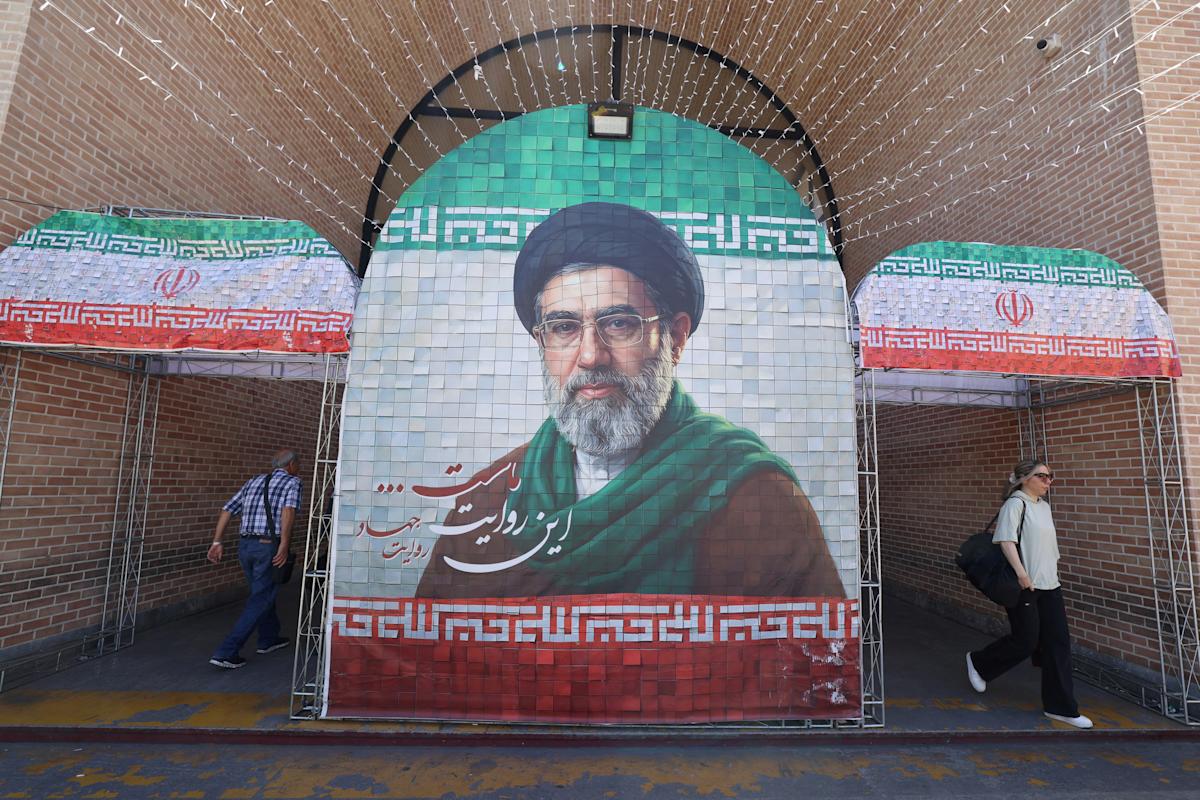
- Peace Proposal Rejection: Trump labeled Iran's peace proposal as 'totally unacceptable,' indicating deepening divisions between the two sides in resolving the conflict, which could lead to further escalation and negatively impact global market sentiment.
- Nuclear Material Dispute: Iran's offer to transfer some of its highly enriched uranium to a third country while refusing to dismantle its nuclear facilities demonstrates its hardline stance on nuclear issues, potentially exacerbating tensions with the U.S.
- Oil Price Fluctuations: Following Trump's rejection of Iran's proposal, Brent crude oil prices surged approximately 3.5% to over $104 per barrel, reflecting market sensitivity to Middle Eastern tensions and their potential impact on global energy supplies.
- Severe Conflict Consequences: The ongoing conflict has resulted in thousands of deaths across the Middle East and disrupted oil and gas markets, with soaring fuel prices exerting pressure on governments and consumers worldwide, while Trump faces political pressure to lower domestic gasoline prices.
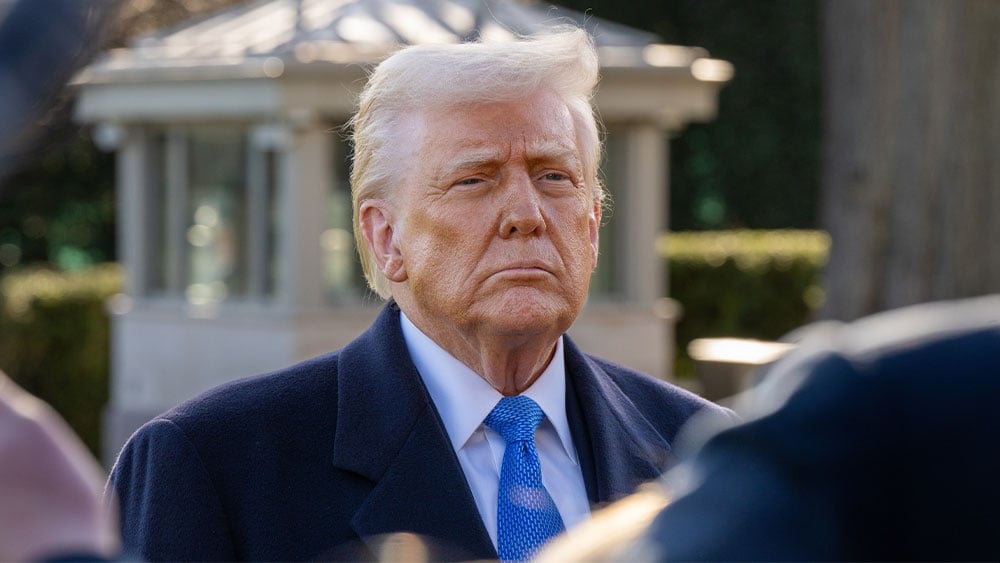
Trump Calls Iran's Response Unacceptable
- Response to Peace Offer: President Trump stated that Iran's reaction to the U.S. peace proposal is 'totally unacceptable,' indicating a significant escalation in tensions that could hinder future diplomatic negotiations and regional stability.
- Escalating Diplomatic Tensions: This statement may lead the U.S. to adopt a more aggressive stance towards Iran, further exacerbating tensions in the Middle East, which could impact global oil prices and market sentiment.
- Upcoming Summit: Against this backdrop, the upcoming Xi summit may serve as a crucial platform for discussing the Middle East situation, influencing the international community's perspective on the Iranian issue.
- Strategic Impact Assessment: Trump's hardline position may prompt allies to reassess their relationships with Iran, affecting future international cooperation and security policies, particularly regarding nuclear issues.
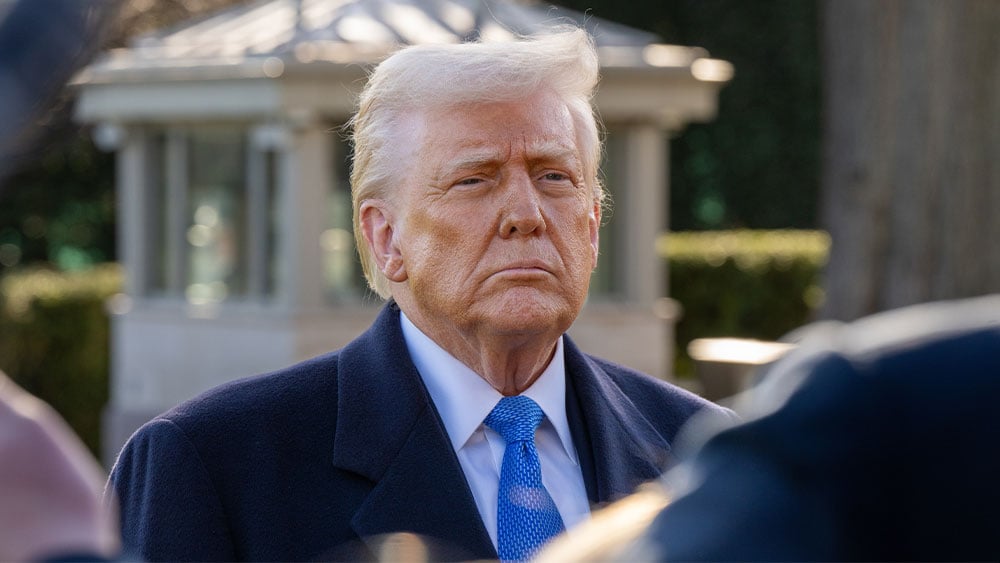
Trump Calls Iran's Response Unacceptable
- Peace Offer Response: Trump stated that Iran's reaction to the U.S. peace proposal is 'totally unacceptable,' indicating a significant escalation in tensions that could hinder future diplomatic negotiations and regional stability.
- Summit Implications: Ahead of the upcoming Xi summit, Trump's remarks may affect diplomatic interactions with China, particularly in the context of increasingly complex U.S.-China relations.
- Geopolitical Ramifications: Trump's hardline stance could exacerbate the situation in the Middle East, increasing U.S. military and diplomatic pressures in the region, which may subsequently impact global oil prices and market sentiment.
- Domestic Political Strategy: Trump's comments may be aimed at solidifying his domestic support base, especially under election pressure, by leveraging a tough foreign policy stance to attract voter attention.
Trump's China Visit: Pursuing Trade and AI Dialogue
- Trade Negotiation Progress: Trump's visit to China aims to secure more trade agreements, particularly focusing on aerospace, with new Boeing (BA) orders expected, which could enhance the U.S.'s competitive edge in the global market.
- AI Communication Mechanism Establishment: The White House plans to announce new U.S.-China Boards of Trade and Investment to improve dialogue on artificial intelligence, marking the first formal discussions on high-stakes issues, despite uncertainties surrounding AI regulation.
- Iran Issue Impact: Trump's discussions may address China's disregard for U.S. sanctions on Iran, which could escalate tensions, even as he publicly emphasizes a friendly relationship, highlighting the complexity of U.S.-China dynamics.
- Tariff Policy Uncertainty: A recent ruling from the Court of International Trade could undermine Trump's efforts to impose a 10% tariff on global goods, weakening his negotiating leverage and adding a layer of tension to the upcoming discussions.
Trump Invites Executives to China for Trade Talks
- Executive Delegation: Trump has invited top U.S. executives, including Musk, Cook, and Fink, to visit China this week, aiming to enhance economic ties through high-level discussions and promote business cooperation between the two nations.
- Broad Agenda: The summit is expected to cover critical topics such as trade, artificial intelligence, export controls, Taiwan, and the Iran war, highlighting the escalating tensions between the U.S. and China in technology and geopolitical matters.
- Corporate Participation: More than a dozen top executives are anticipated to join the trip, with Trump hoping to secure a series of business deals and purchase agreements that would facilitate growth for U.S. companies in the Chinese market.
- Strategic Implications: Following weeks of rising tensions, this high-level meeting serves as a crucial step in easing U.S.-China relations and may lay the groundwork for future economic cooperation, fostering dialogue and collaboration in key areas.
Nvidia CEO Jensen Huang Not Joining Trump on China Trip
- Not Invited: Nvidia CEO Jensen Huang will not accompany President Trump on his trip to China, as a source indicated he was not invited, highlighting the White House's focus on agriculture and commercial aviation, which may impact Nvidia's business expansion in the Chinese market.
- Business Priorities: The Trump administration's emphasis on promoting U.S. business interests during this trip contrasts with Huang's absence, suggesting potential challenges for Nvidia in collaborating with the government despite Huang's strong relationship with Trump.
- Other CEOs Attending: Unlike Huang, Citigroup CEO Jane Fraser has been invited, and Qualcomm CEO Cristiano Amon is expected to attend, indicating a proactive stance from other tech leaders in fostering business partnerships during the trip.
- Export Challenges: Although Trump agreed to allow Nvidia's H200 AI chips to be exported to China, Commerce Secretary Howard Lutnick noted that these chips have not yet been sold due to difficulties faced by Chinese companies in obtaining government permissions, reflecting the complexities of U.S.-China trade relations.
Trump and Iran Reject Each Other's Peace Proposals Amid Ongoing Conflict
- Peace Proposal Rejection: Trump labeled Iran's peace proposal as 'totally unacceptable,' indicating deepening divisions between the two sides in resolving the conflict, which could lead to further escalation and negatively impact global market sentiment.
- Nuclear Material Dispute: Iran's offer to transfer some of its highly enriched uranium to a third country while refusing to dismantle its nuclear facilities demonstrates its hardline stance on nuclear issues, potentially exacerbating tensions with the U.S.
- Oil Price Fluctuations: Following Trump's rejection of Iran's proposal, Brent crude oil prices surged approximately 3.5% to over $104 per barrel, reflecting market sensitivity to Middle Eastern tensions and their potential impact on global energy supplies.
- Severe Conflict Consequences: The ongoing conflict has resulted in thousands of deaths across the Middle East and disrupted oil and gas markets, with soaring fuel prices exerting pressure on governments and consumers worldwide, while Trump faces political pressure to lower domestic gasoline prices.
Trump Calls Iran's Response Unacceptable
- Response to Peace Offer: President Trump stated that Iran's reaction to the U.S. peace proposal is 'totally unacceptable,' indicating a significant escalation in tensions that could hinder future diplomatic negotiations and regional stability.
- Escalating Diplomatic Tensions: This statement may lead the U.S. to adopt a more aggressive stance towards Iran, further exacerbating tensions in the Middle East, which could impact global oil prices and market sentiment.
- Upcoming Summit: Against this backdrop, the upcoming Xi summit may serve as a crucial platform for discussing the Middle East situation, influencing the international community's perspective on the Iranian issue.
- Strategic Impact Assessment: Trump's hardline position may prompt allies to reassess their relationships with Iran, affecting future international cooperation and security policies, particularly regarding nuclear issues.
Trump Calls Iran's Response Unacceptable
- Peace Offer Response: Trump stated that Iran's reaction to the U.S. peace proposal is 'totally unacceptable,' indicating a significant escalation in tensions that could hinder future diplomatic negotiations and regional stability.
- Summit Implications: Ahead of the upcoming Xi summit, Trump's remarks may affect diplomatic interactions with China, particularly in the context of increasingly complex U.S.-China relations.
- Geopolitical Ramifications: Trump's hardline stance could exacerbate the situation in the Middle East, increasing U.S. military and diplomatic pressures in the region, which may subsequently impact global oil prices and market sentiment.
- Domestic Political Strategy: Trump's comments may be aimed at solidifying his domestic support base, especially under election pressure, by leveraging a tough foreign policy stance to attract voter attention.