Italy's Fincantieri gets Norwegian Line cruise ship order worth $9 billion By Reuters
Written by Emily J. Thompson, Senior Investment Analyst
Updated: Feb 05 2025
0mins

Should l Buy NCLH?
Source: Investing.com
New Cruise Liners Deal: Norwegian Line Holdings and Fincantieri have signed a deal for four new cruise liners worth approximately 9 billion euros, marking the largest order in Fincantieri's history. The ships will be built in Italy and delivered between 2030 and 2036.
Fincantieri's Growth and Stock Performance: Fincantieri is expanding its business into defense and underwater segments, while its shares have significantly increased in value, making it one of the top performers on the Milan stock exchange over the past year.
Trade with 70% Backtested Accuracy
Stop guessing "Should I Buy NCLH?" and start using high-conviction signals backed by rigorous historical data.
Sign up today to access powerful investing tools and make smarter, data-driven decisions.
Analyst Views on NCLH
Wall Street analysts forecast NCLH stock price to rise
13 Analyst Rating
8 Buy
5 Hold
0 Sell
Moderate Buy
Current: 19.660

Low
20.00
Averages
26.77
High
40.00
Current: 19.660
Low
20.00
Averages
26.77
High
40.00
About NCLH
Norwegian Cruise Line Holdings Ltd. is a global cruise company. The Company operates Norwegian Cruise Line, Oceania Cruises and Regent Seven Seas Cruises. With a combined fleet of 32 ships and over 66,500 berths, it offers itineraries to over 700 destinations worldwide. Its brands offer itineraries to worldwide destinations, including Europe, Asia, Australia, New Zealand, South America, Africa, Canada, Bermuda, Caribbean, Alaska and Hawaii. All its brands offer an assortment of features, amenities and activities, including a variety of accommodations, multiple dining venues, bars and lounges, spa, casino and retail shopping areas and numerous entertainment choices. All brands also offer a selection of shore excursions at each port of call, as well as air transportation and hotel packages for stays before or after a voyage. Norwegian’s ships cater to a variety of travelers with up to 20 dining options. Oceania Cruises offers onboard dining, with multiple open-seating dining venues.
About the author

Emily J. Thompson
Emily J. Thompson, a Chartered Financial Analyst (CFA) with 12 years in investment research, graduated with honors from the Wharton School. Specializing in industrial and technology stocks, she provides in-depth analysis for Intellectia’s earnings and market brief reports.
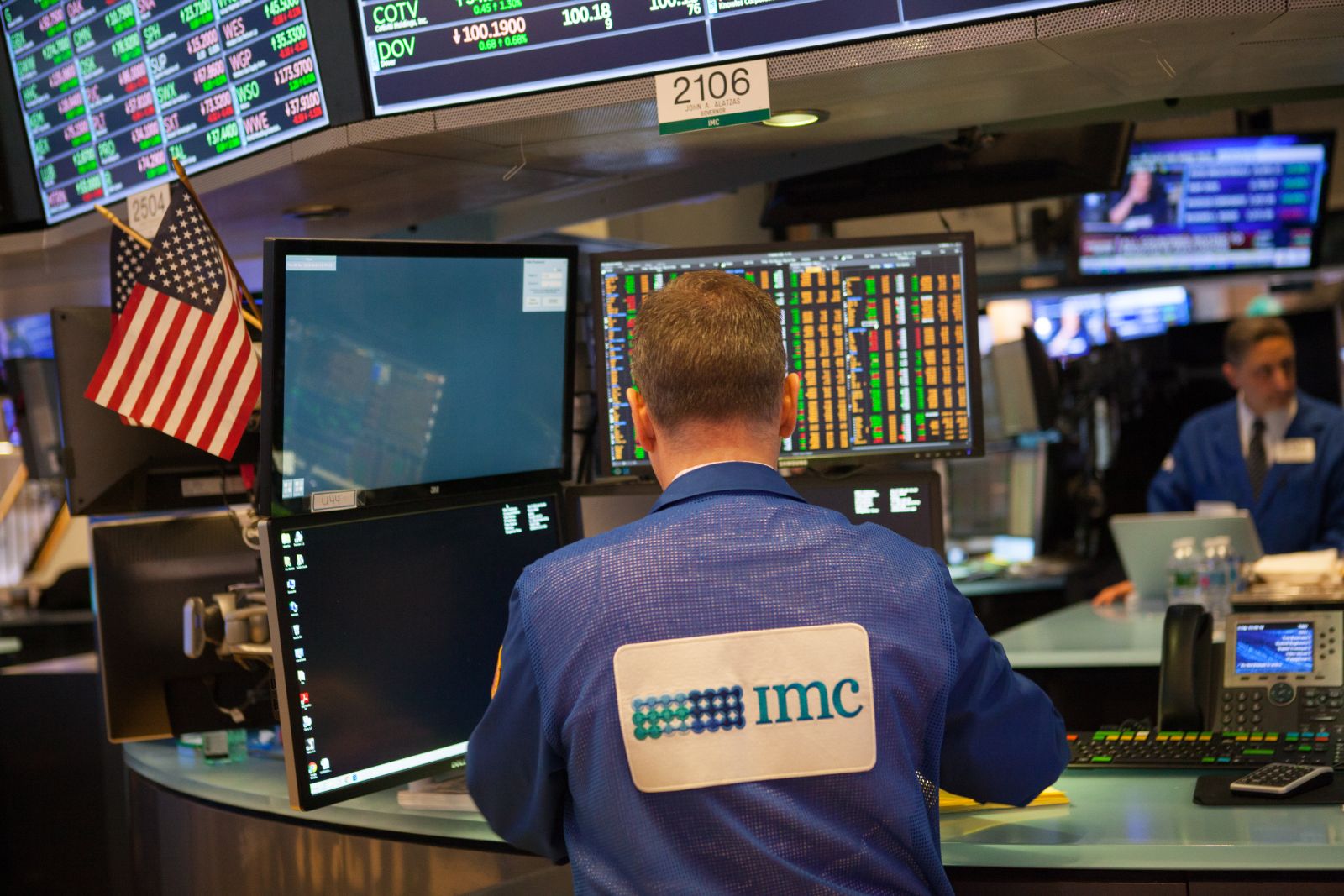
US Stocks Rise as Oil Prices Plunge Amid Peace Proposal


- Oil Price Plunge Impacts Market: The S&P 500 index rose by 0.83% and the Dow Jones Industrial Average by 0.86% as WTI crude oil prices tumbled over 4% following a 15-point peace proposal from the Trump administration aimed at ending the war with Iran.
- Decline in Bond Yields: The 10-year T-note yield fell by 4 basis points to 4.32%, reflecting a decrease in inflation expectations due to the drop in oil prices, which may alleviate economic pressures and influence investor confidence positively.
- Iran Rejects Peace Proposal: Despite the US peace proposal, Iran continues missile and drone attacks on Israel and Gulf states, indicating that tensions in the Middle East may escalate, thereby increasing market uncertainty.
- IEA Warns of Supply Chain Disruptions: The International Energy Agency reported that the war in Iran could lead to long-term disruptions in global supply chains, with over 40 energy sites severely damaged, which is expected to further impact global oil and gas supplies and potentially drive prices higher.
See More

US Stocks Rise as Oil Prices Plunge Amid Escalating Iran Tensions
- Market Performance: The S&P 500 rose by 0.62%, the Dow Jones by 0.67%, and the Nasdaq 100 by 0.75%, reflecting initial market optimism towards the US peace proposal, although futures later retreated on subsequent news.
- Oil Price Volatility: Following the US's 15-point peace proposal, WTI crude oil prices plummeted over 4%, which could lower inflation expectations and impact energy stocks; however, Iran's rejection of the ceasefire proposal led to a rebound in oil prices.
- Mortgage Applications Decline: US MBA mortgage applications fell by 10.5% in the week ending March 20, with the purchase sub-index down 5.4% and refinancing down 14.6%, indicating pressure on the housing market from high interest rates.
- International Tensions Impact: The International Energy Agency warned that the war in Iran could lead to prolonged disruptions in global supply chains, particularly as energy facilities in the Middle East have been severely damaged, potentially affecting global oil and gas supplies and increasing market uncertainty.
See More

Cruise Industry Faces Challenges and Opportunities Amidst Conflict


- Market Volatility Impact: The cruise industry has faced significant downturns in March due to escalating conflict in Iran, with shares of Royal Caribbean, Carnival, and Norwegian Cruise Line falling 15%, 24%, and 24% respectively, although a 6% rebound on Monday indicates some recovery, yet overall market sentiment remains low.
- Rising Oil Price Pressure: Attacks on energy sites in the Gulf have led to surging oil prices, increasing transportation costs for cruise lines, where fuel is one of their highest variable costs, potentially further squeezing profit margins.
- Uncertain Demand Outlook: Despite the cruise industry's growth in recent years, global conflicts may lead passengers to reconsider their 2026 bookings, especially in the context of rising interest rates and economic concerns that could increase cancellation risks.
- Critical Earnings Season: The upcoming earnings season will be crucial for the cruise companies' future performance; while current low price-to-earnings ratios suggest potential value, market confidence remains fragile, particularly as Norwegian Cruise Line's profit expectations have been downgraded, indicating a possible value trap.
See More

Cruise Industry Faces Challenges and Opportunities Amid Market Fluctuations
- Market Recovery: On Monday, leading cruise lines saw stock prices rise approximately 6%, despite the three largest operators experiencing declines of 15%, 24%, and 24% in March, indicating cautious optimism in the market about future recovery.
- Rising Cost Pressures: The surge in oil prices due to conflicts in the Gulf has increased fuel costs, one of the cruise lines' highest variable expenses, which could further squeeze profit margins and impact overall financial performance.
- Uncertain Demand Outlook: While the cruise industry has thrived in recent years, global conflicts may lead consumers to rethink their 2026 bookings, particularly in the context of a volatile economic environment and rising interest rates.
- Critical Earnings Season: The upcoming earnings season is crucial for cruise companies; although current stock prices are trading at low valuations, market expectations for future performance and the companies' ability to maintain profitability will directly influence investor confidence.
See More
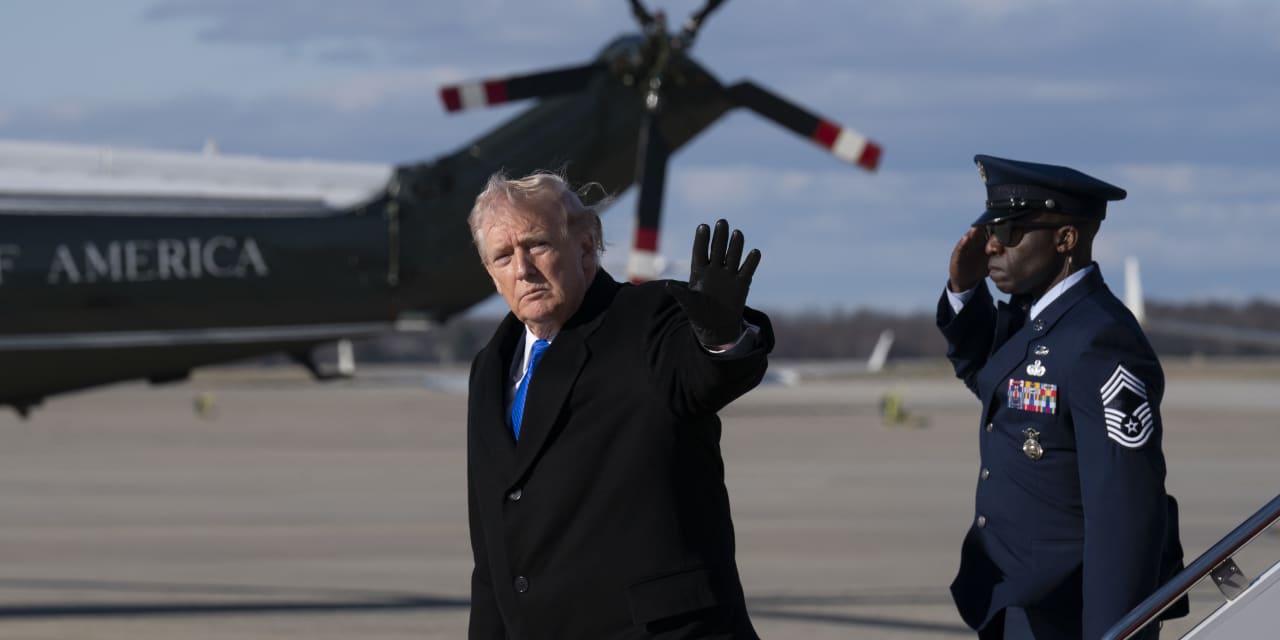
Trump's Kryptonite Boosts the Market Once More: Key Factors Hindering a Major Stock Rally and 5 Other Updates for Today.

- Trump's Role: President Donald Trump is likened to Superman in his second term, showcasing strength against both enemies and allies.
- Bond Market Challenge: Despite his assertive stance, the bond market poses a significant challenge for Trump, described as his Kryptonite.
See More

Middle East Tensions Ease, Boosting Cruise Stocks

- Oil Price Impact: Norwegian Cruise Line (NYSE: NCLH) faced stock price pressure due to surging oil prices amid Middle East tensions, but a more than 6% rise on Monday followed a retreat in oil prices, reflecting market optimism over peace talks.
- Consumer Spending Effects: Rising oil prices typically dampen consumer discretionary spending on vacations, and the recent volatility likely contributed to Norwegian's stock decline, highlighting the direct impact of economic conditions on the cruise industry.
- Positive Market Reaction: Reports of peace negotiations between the U.S. and Iran led investors to celebrate a rally in cruise stocks, with Norwegian and others experiencing gains, indicating market expectations for future stability.
- Uncertain Future Outlook: While the current drop in oil prices has spurred a short-term stock rebound, the precarious situation in the Middle East means that if talks fail, oil prices could rise again, potentially weighing on Norwegian's sales and profits.
See More
US Stocks Rise as Oil Prices Plunge Amid Peace Proposal
- Oil Price Plunge Impacts Market: The S&P 500 index rose by 0.83% and the Dow Jones Industrial Average by 0.86% as WTI crude oil prices tumbled over 4% following a 15-point peace proposal from the Trump administration aimed at ending the war with Iran.
- Decline in Bond Yields: The 10-year T-note yield fell by 4 basis points to 4.32%, reflecting a decrease in inflation expectations due to the drop in oil prices, which may alleviate economic pressures and influence investor confidence positively.
- Iran Rejects Peace Proposal: Despite the US peace proposal, Iran continues missile and drone attacks on Israel and Gulf states, indicating that tensions in the Middle East may escalate, thereby increasing market uncertainty.
- IEA Warns of Supply Chain Disruptions: The International Energy Agency reported that the war in Iran could lead to long-term disruptions in global supply chains, with over 40 energy sites severely damaged, which is expected to further impact global oil and gas supplies and potentially drive prices higher.
See More
US Stocks Rise as Oil Prices Plunge Amid Escalating Iran Tensions
- Market Performance: The S&P 500 rose by 0.62%, the Dow Jones by 0.67%, and the Nasdaq 100 by 0.75%, reflecting initial market optimism towards the US peace proposal, although futures later retreated on subsequent news.
- Oil Price Volatility: Following the US's 15-point peace proposal, WTI crude oil prices plummeted over 4%, which could lower inflation expectations and impact energy stocks; however, Iran's rejection of the ceasefire proposal led to a rebound in oil prices.
- Mortgage Applications Decline: US MBA mortgage applications fell by 10.5% in the week ending March 20, with the purchase sub-index down 5.4% and refinancing down 14.6%, indicating pressure on the housing market from high interest rates.
- International Tensions Impact: The International Energy Agency warned that the war in Iran could lead to prolonged disruptions in global supply chains, particularly as energy facilities in the Middle East have been severely damaged, potentially affecting global oil and gas supplies and increasing market uncertainty.
See More
Cruise Industry Faces Challenges and Opportunities Amidst Conflict
- Market Volatility Impact: The cruise industry has faced significant downturns in March due to escalating conflict in Iran, with shares of Royal Caribbean, Carnival, and Norwegian Cruise Line falling 15%, 24%, and 24% respectively, although a 6% rebound on Monday indicates some recovery, yet overall market sentiment remains low.
- Rising Oil Price Pressure: Attacks on energy sites in the Gulf have led to surging oil prices, increasing transportation costs for cruise lines, where fuel is one of their highest variable costs, potentially further squeezing profit margins.
- Uncertain Demand Outlook: Despite the cruise industry's growth in recent years, global conflicts may lead passengers to reconsider their 2026 bookings, especially in the context of rising interest rates and economic concerns that could increase cancellation risks.
- Critical Earnings Season: The upcoming earnings season will be crucial for the cruise companies' future performance; while current low price-to-earnings ratios suggest potential value, market confidence remains fragile, particularly as Norwegian Cruise Line's profit expectations have been downgraded, indicating a possible value trap.
See More
Cruise Industry Faces Challenges and Opportunities Amid Market Fluctuations
- Market Recovery: On Monday, leading cruise lines saw stock prices rise approximately 6%, despite the three largest operators experiencing declines of 15%, 24%, and 24% in March, indicating cautious optimism in the market about future recovery.
- Rising Cost Pressures: The surge in oil prices due to conflicts in the Gulf has increased fuel costs, one of the cruise lines' highest variable expenses, which could further squeeze profit margins and impact overall financial performance.
- Uncertain Demand Outlook: While the cruise industry has thrived in recent years, global conflicts may lead consumers to rethink their 2026 bookings, particularly in the context of a volatile economic environment and rising interest rates.
- Critical Earnings Season: The upcoming earnings season is crucial for cruise companies; although current stock prices are trading at low valuations, market expectations for future performance and the companies' ability to maintain profitability will directly influence investor confidence.
See More
Trump's Kryptonite Boosts the Market Once More: Key Factors Hindering a Major Stock Rally and 5 Other Updates for Today.
- Trump's Role: President Donald Trump is likened to Superman in his second term, showcasing strength against both enemies and allies.
- Bond Market Challenge: Despite his assertive stance, the bond market poses a significant challenge for Trump, described as his Kryptonite.
See More
Middle East Tensions Ease, Boosting Cruise Stocks
- Oil Price Impact: Norwegian Cruise Line (NYSE: NCLH) faced stock price pressure due to surging oil prices amid Middle East tensions, but a more than 6% rise on Monday followed a retreat in oil prices, reflecting market optimism over peace talks.
- Consumer Spending Effects: Rising oil prices typically dampen consumer discretionary spending on vacations, and the recent volatility likely contributed to Norwegian's stock decline, highlighting the direct impact of economic conditions on the cruise industry.
- Positive Market Reaction: Reports of peace negotiations between the U.S. and Iran led investors to celebrate a rally in cruise stocks, with Norwegian and others experiencing gains, indicating market expectations for future stability.
- Uncertain Future Outlook: While the current drop in oil prices has spurred a short-term stock rebound, the precarious situation in the Middle East means that if talks fail, oil prices could rise again, potentially weighing on Norwegian's sales and profits.
See More