Iran Fires Missiles at Israel, Ceasefire in Jeopardy
Written by Emily J. Thompson, Senior Investment Analyst
Updated: 2 days ago
0mins
Source: CNBC
- Missile Attack Incident: Iran has reportedly fired missiles at Israel for the first time since the fragile ceasefire with the U.S. began, potentially escalating regional tensions and complicating future negotiations.
- U.S. Response: President Trump has been briefed on the missile attack and stated that such actions “certainly do not help negotiations,” indicating concerns over the escalation and its implications for U.S. foreign policy in the Middle East.
- Iran's Statement: The Islamic Revolutionary Guard Corps of Iran declared that the ceasefire is contingent upon a halt to hostilities on all fronts, warning that responses would be broader if aggressions are repeated, reflecting a hardline stance on regional conflicts.
- Complex Regional Dynamics: The ongoing conflict between Israel and Iran-backed Hezbollah in Lebanon complicates the fragile ceasefire, placing additional pressure on negotiators and raising the risk of larger military confrontations.
Trade with 70% Backtested Accuracy
Stop guessing "Should I Buy LMT?" and start using high-conviction signals backed by rigorous historical data.
Sign up today to access powerful investing tools and make smarter, data-driven decisions.
Analyst Views on LMT
Wall Street analysts forecast LMT stock price to rise
12 Analyst Rating
4 Buy
7 Hold
1 Sell
Hold
Current: 520.070

Low
430.00
Averages
535.50
High
605.00
Current: 520.070
Low
430.00
Averages
535.50
High
605.00
About LMT
Lockheed Martin Corporation is an aerospace and defense technology company. The Company's segments include Aeronautics, Missiles and Fire Control (MFC), Rotary and Mission Systems (RMS) and Space. The Aeronautics segment is engaged in research, design, development, manufacture, integration, sustainment, support and upgrade of advanced military aircraft, including combat and air mobility aircraft, unmanned air vehicles and related technologies. The MFC segment provides air and missile defense systems; tactical missiles and precision strike weapon systems; logistics; fire control systems; engineering support and integration services. The RMS segment designs, manufactures, services and supports various military and commercial helicopters, sea and land-based missile defense systems. The Space segment is engaged in the research and design, development, engineering and production of satellites, space transportation systems, and strategic, advanced strike, and defensive systems.
About the author

Emily J. Thompson
Emily J. Thompson, a Chartered Financial Analyst (CFA) with 12 years in investment research, graduated with honors from the Wharton School. Specializing in industrial and technology stocks, she provides in-depth analysis for Intellectia’s earnings and market brief reports.

Lockheed Martin Expands Missile Production Amid Surging Demand

- Production Increase Plan: The Pentagon has agreed to boost annual production of the advanced missile to approximately 2,000 units, more than triple recent output levels, although Lockheed Martin does not expect to reach this rate until the end of the decade, indicating a growing supply challenge for Western militaries.
- Inventory Rebuilding Demand: Analysts at the Center for Strategic and International Studies estimate that it could take at least three years to restore Patriot inventories to levels seen before the latest Middle East conflict, potentially requiring additional congressional funding, highlighting strong long-term demand for missile manufacturers.
- Production Cycle Complexity: While assembling a completed missile can take only a few weeks, the full production cycle stretches beyond two years, involving factory expansions, worker training, and raw material procurement, reflecting supply chain bottlenecks and labor shortages faced by the defense industry.
- Critical Component Risks: The Patriot program relies on over 400 suppliers, with some critical components like the missile seeker produced at a single Boeing facility, increasing the risk of production inflexibility and prompting defense contractors to invest heavily to alleviate these constraints.
See More
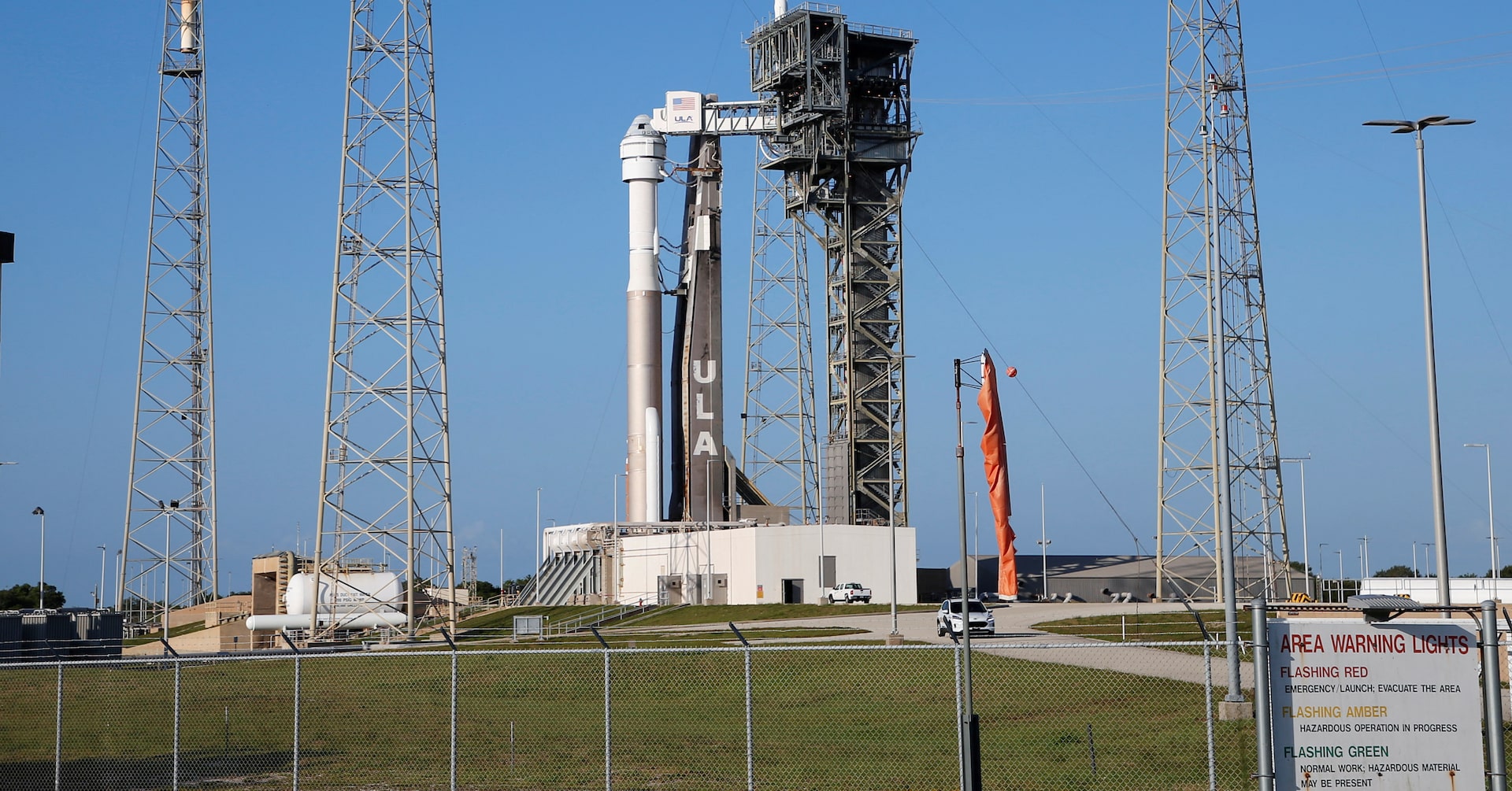
Lockheed Martin Secures $153.9M Contract Modification for F-35 Procurement
- Contract Modification Amount: Lockheed Martin announced a $153.9 million contract modification to support the procurement of long-lead materials and components for 11 F-35 aircraft, indicating sustained demand and market confidence in the defense sector.
- Project Completion Timeline: The work is expected to be completed by December 2030, demonstrating the company's commitment to meeting client needs and delivery timelines while reflecting the long-term strategic significance of the F-35 program.
- Funding Allocation: A total of $153.9 million in FMS funding will be obligated at the time of award, which not only enhances the company's cash flow but also provides financial backing for future R&D and production efforts.
- Contracting Activity: The Naval Air Systems Command is the contracting activity for this modification, further solidifying Lockheed Martin's collaboration with the U.S. government and ensuring its leading position among defense contractors.
See More

General Motors Accelerates Battery Technology Innovation

- Battery Technology Upgrade: General Motors plans to develop next-generation sodium-ion batteries in collaboration with Peak Energy, expected to launch by 2028, aiming to reduce costs and enhance reliability in energy storage systems, thereby gaining market advantage amid rising energy demand.
- Enhanced Grid Interaction: GM will improve its electric vehicles' capabilities to interact with the grid, allowing users to send energy back during peak hours, which is expected to help reduce energy costs and optimize grid usage, thereby strengthening the company's competitive position in the EV market.
- Cost Control Strategy: The development of sodium-ion batteries will reduce system complexity and cooling requirements, leading to lower upfront and operating costs; GM's battery VP stated that this technology will drive higher energy density, potentially outperforming existing lithium iron phosphate batteries in the future.
- Market Demand Response: With U.S. residential electricity prices rising nearly 48% since January 2020, GM's
See More

GM Expands Energy Storage and Battery Development Efforts

- Energy Storage Strategy: GM is intensifying its investments in energy storage and data centers, planning to promote various battery chemistries to address rising energy costs, which is expected to significantly enhance the economic benefits for EV owners.
- Sodium-Ion Battery Development: GM is partnering with startup Peak Energy to develop sodium-ion batteries, anticipated to be available for customer use after 2028, which offer advantages in large energy storage systems due to lower cooling requirements and cost benefits.
- Grid Service Capability Enhancement: GM plans to enhance vehicle-to-grid capabilities, allowing EVs to send energy back to the grid during peak hours, thereby helping users reduce energy costs, which is expected to attract more customers to its electric vehicles.
- Charging Convenience Improvement: GM has launched an
See More
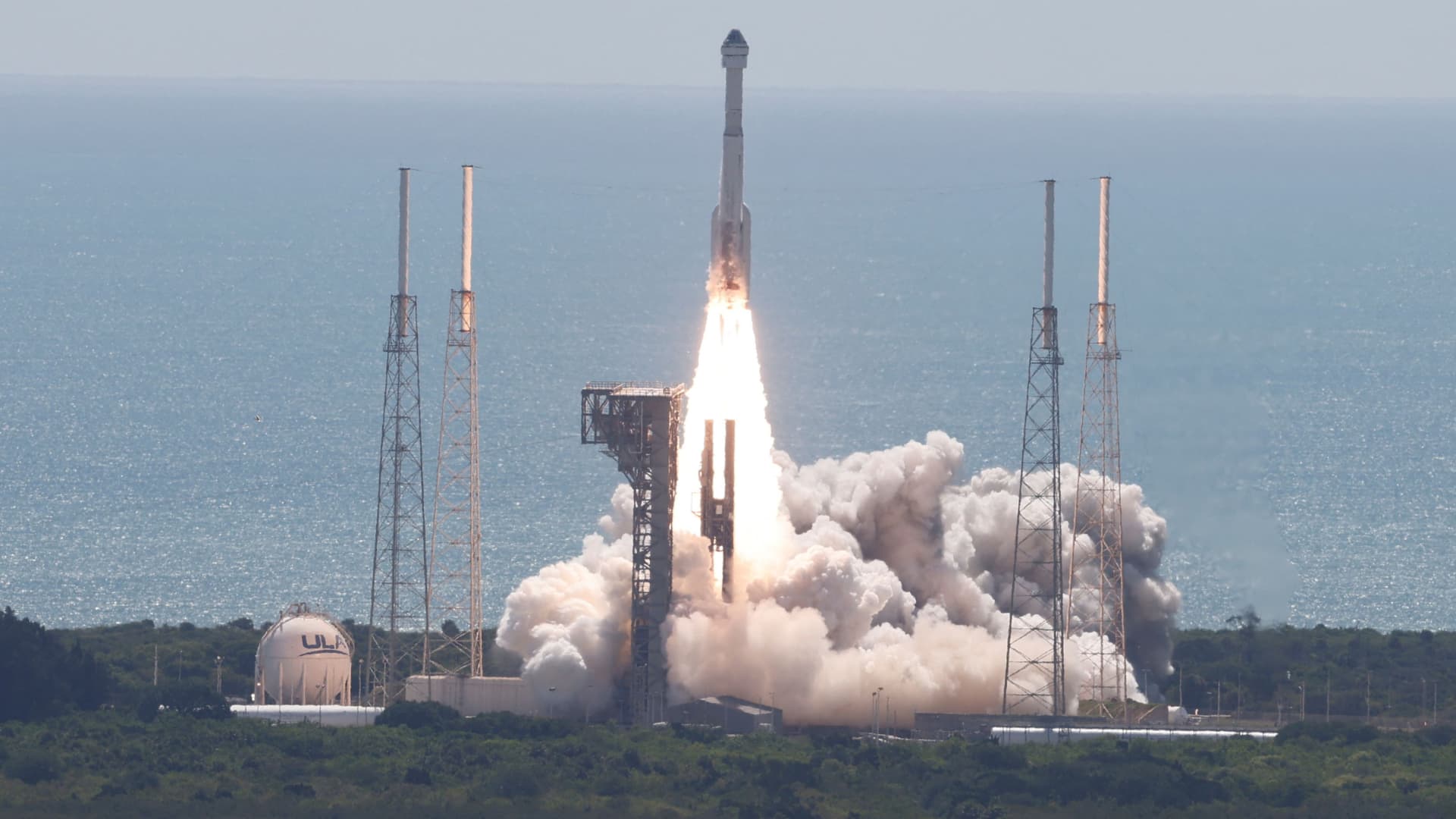
Lockheed Martin and Shopify Receive Upgrades Amid Market Shifts

- Lockheed Martin Upgrade: Lockheed Martin's rating was upgraded from Hold to Buy due to accelerating global defense spending, driven by conflicts in Ukraine and Iran, with significant investments in missile and counter-drone technology positioning the company to benefit from this trend.
- Shopify Buying Opportunity: Shopify's rating was upgraded to Buy after a 10% price pullback, with analysts highlighting 34% year-over-year revenue growth and expanding margins, suggesting that its deep integration of agentic AI in customer workflows will support long-term compounding potential.
- Shake Shack Downgrade: Shake Shack's rating was downgraded to Hold as analysts cited valuation pressures from fast-food promotions and management's reduced FY 2026 guidance, particularly concerning lower restaurant-level margin expectations, indicating a challenging profitability landscape.
- Nvidia Downgrade: Despite Nvidia's impressive Q1 FY27 results showing 85% revenue growth and over 100% EPS growth, analysts downgraded the stock from Strong Buy to Hold, arguing that market expectations are fully priced in and potential delays in data center buildouts pose additional risks.
See More
Iran Fires Missiles at Israel, Ceasefire in Jeopardy

- Missile Attack Incident: Iran has reportedly fired missiles at Israel for the first time since the fragile ceasefire with the U.S. began, potentially escalating regional tensions and complicating future negotiations.
- U.S. Response: President Trump has been briefed on the missile attack and stated that such actions “certainly do not help negotiations,” indicating concerns over the escalation and its implications for U.S. foreign policy in the Middle East.
- Iran's Statement: The Islamic Revolutionary Guard Corps of Iran declared that the ceasefire is contingent upon a halt to hostilities on all fronts, warning that responses would be broader if aggressions are repeated, reflecting a hardline stance on regional conflicts.
- Complex Regional Dynamics: The ongoing conflict between Israel and Iran-backed Hezbollah in Lebanon complicates the fragile ceasefire, placing additional pressure on negotiators and raising the risk of larger military confrontations.
See More
Lockheed Martin Expands Missile Production Amid Surging Demand
- Production Increase Plan: The Pentagon has agreed to boost annual production of the advanced missile to approximately 2,000 units, more than triple recent output levels, although Lockheed Martin does not expect to reach this rate until the end of the decade, indicating a growing supply challenge for Western militaries.
- Inventory Rebuilding Demand: Analysts at the Center for Strategic and International Studies estimate that it could take at least three years to restore Patriot inventories to levels seen before the latest Middle East conflict, potentially requiring additional congressional funding, highlighting strong long-term demand for missile manufacturers.
- Production Cycle Complexity: While assembling a completed missile can take only a few weeks, the full production cycle stretches beyond two years, involving factory expansions, worker training, and raw material procurement, reflecting supply chain bottlenecks and labor shortages faced by the defense industry.
- Critical Component Risks: The Patriot program relies on over 400 suppliers, with some critical components like the missile seeker produced at a single Boeing facility, increasing the risk of production inflexibility and prompting defense contractors to invest heavily to alleviate these constraints.
See More
Lockheed Martin Secures $153.9M Contract Modification for F-35 Procurement
- Contract Modification Amount: Lockheed Martin announced a $153.9 million contract modification to support the procurement of long-lead materials and components for 11 F-35 aircraft, indicating sustained demand and market confidence in the defense sector.
- Project Completion Timeline: The work is expected to be completed by December 2030, demonstrating the company's commitment to meeting client needs and delivery timelines while reflecting the long-term strategic significance of the F-35 program.
- Funding Allocation: A total of $153.9 million in FMS funding will be obligated at the time of award, which not only enhances the company's cash flow but also provides financial backing for future R&D and production efforts.
- Contracting Activity: The Naval Air Systems Command is the contracting activity for this modification, further solidifying Lockheed Martin's collaboration with the U.S. government and ensuring its leading position among defense contractors.
See More
General Motors Accelerates Battery Technology Innovation
- Battery Technology Upgrade: General Motors plans to develop next-generation sodium-ion batteries in collaboration with Peak Energy, expected to launch by 2028, aiming to reduce costs and enhance reliability in energy storage systems, thereby gaining market advantage amid rising energy demand.
- Enhanced Grid Interaction: GM will improve its electric vehicles' capabilities to interact with the grid, allowing users to send energy back during peak hours, which is expected to help reduce energy costs and optimize grid usage, thereby strengthening the company's competitive position in the EV market.
- Cost Control Strategy: The development of sodium-ion batteries will reduce system complexity and cooling requirements, leading to lower upfront and operating costs; GM's battery VP stated that this technology will drive higher energy density, potentially outperforming existing lithium iron phosphate batteries in the future.
- Market Demand Response: With U.S. residential electricity prices rising nearly 48% since January 2020, GM's
See More
GM Expands Energy Storage and Battery Development Efforts
- Energy Storage Strategy: GM is intensifying its investments in energy storage and data centers, planning to promote various battery chemistries to address rising energy costs, which is expected to significantly enhance the economic benefits for EV owners.
- Sodium-Ion Battery Development: GM is partnering with startup Peak Energy to develop sodium-ion batteries, anticipated to be available for customer use after 2028, which offer advantages in large energy storage systems due to lower cooling requirements and cost benefits.
- Grid Service Capability Enhancement: GM plans to enhance vehicle-to-grid capabilities, allowing EVs to send energy back to the grid during peak hours, thereby helping users reduce energy costs, which is expected to attract more customers to its electric vehicles.
- Charging Convenience Improvement: GM has launched an
See More
Lockheed Martin and Shopify Receive Upgrades Amid Market Shifts
- Lockheed Martin Upgrade: Lockheed Martin's rating was upgraded from Hold to Buy due to accelerating global defense spending, driven by conflicts in Ukraine and Iran, with significant investments in missile and counter-drone technology positioning the company to benefit from this trend.
- Shopify Buying Opportunity: Shopify's rating was upgraded to Buy after a 10% price pullback, with analysts highlighting 34% year-over-year revenue growth and expanding margins, suggesting that its deep integration of agentic AI in customer workflows will support long-term compounding potential.
- Shake Shack Downgrade: Shake Shack's rating was downgraded to Hold as analysts cited valuation pressures from fast-food promotions and management's reduced FY 2026 guidance, particularly concerning lower restaurant-level margin expectations, indicating a challenging profitability landscape.
- Nvidia Downgrade: Despite Nvidia's impressive Q1 FY27 results showing 85% revenue growth and over 100% EPS growth, analysts downgraded the stock from Strong Buy to Hold, arguing that market expectations are fully priced in and potential delays in data center buildouts pose additional risks.
See More
Iran Fires Missiles at Israel, Ceasefire in Jeopardy
- Missile Attack Incident: Iran has reportedly fired missiles at Israel for the first time since the fragile ceasefire with the U.S. began, potentially escalating regional tensions and complicating future negotiations.
- U.S. Response: President Trump has been briefed on the missile attack and stated that such actions “certainly do not help negotiations,” indicating concerns over the escalation and its implications for U.S. foreign policy in the Middle East.
- Iran's Statement: The Islamic Revolutionary Guard Corps of Iran declared that the ceasefire is contingent upon a halt to hostilities on all fronts, warning that responses would be broader if aggressions are repeated, reflecting a hardline stance on regional conflicts.
- Complex Regional Dynamics: The ongoing conflict between Israel and Iran-backed Hezbollah in Lebanon complicates the fragile ceasefire, placing additional pressure on negotiators and raising the risk of larger military confrontations.
See More