Investment Opportunity Analysis for Nasdaq-100 Index
Written by Emily J. Thompson, Senior Investment Analyst
Updated: 4 days ago
0mins

Should l Buy WMT?
Source: Fool
- Historical Return Potential: The Nasdaq-100 has achieved an average five-year return of 103% over the past two decades, with historical data suggesting that it could nearly double investors' money in the next five years, making it an attractive option for investors.
- AI-Driven Growth: The Invesco QQQ Trust is heavily invested in AI-related stocks, with top holdings including tech giants like Nvidia and Apple, which are expected to benefit from the rapid development of AI technologies, further enhancing market performance.
- Market Correction Timing: The Nasdaq Composite is currently in a market correction, down over 10% from its all-time high, and historical data indicates that such corrections have led to an average five-year return of 146%, presenting a favorable investment opportunity.
- Concentration Risk Warning: While the Invesco QQQ Trust has a reasonable expense ratio of 0.18%, its top ten holdings account for nearly 50% of its performance, prompting investors to carefully consider the concentration risk and potential price volatility.
Trade with 70% Backtested Accuracy
Stop guessing "Should I Buy WMT?" and start using high-conviction signals backed by rigorous historical data.
Sign up today to access powerful investing tools and make smarter, data-driven decisions.
Analyst Views on WMT
Wall Street analysts forecast WMT stock price to rise
26 Analyst Rating
25 Buy
1 Hold
0 Sell
Strong Buy
Current: 124.740

Low
119.00
Averages
125.75
High
136.00
Current: 124.740
Low
119.00
Averages
125.75
High
136.00
About WMT
Walmart Inc. is a technology-powered omnichannel retailer. The Company is engaged in the operation of retail and wholesale stores and clubs, as well as eCommerce Websites and mobile applications, located throughout the United States (U.S.), Africa, Canada, Central America, Chile, China, India and Mexico. It operates in three reportable segments: Walmart U.S., Walmart International and Sam's Club U.S. The Walmart U.S. segment includes the Company's mass merchandising concept in the U.S., as well as eCommerce, which includes omni-channel initiatives and certain other business offerings such as advertising services. The Walmart International segment consists of the Company's operations outside of the U.S. through its subsidiaries, as well as eCommerce and omni-channel initiatives. The Sam's Club U.S. segment includes the warehouse membership clubs in the U.S., as well as samsclub.com and omni-channel initiatives.
About the author

Emily J. Thompson
Emily J. Thompson, a Chartered Financial Analyst (CFA) with 12 years in investment research, graduated with honors from the Wharton School. Specializing in industrial and technology stocks, she provides in-depth analysis for Intellectia’s earnings and market brief reports.
Walmart's Sam's Club Membership Fee Increase Marks First Since 2022

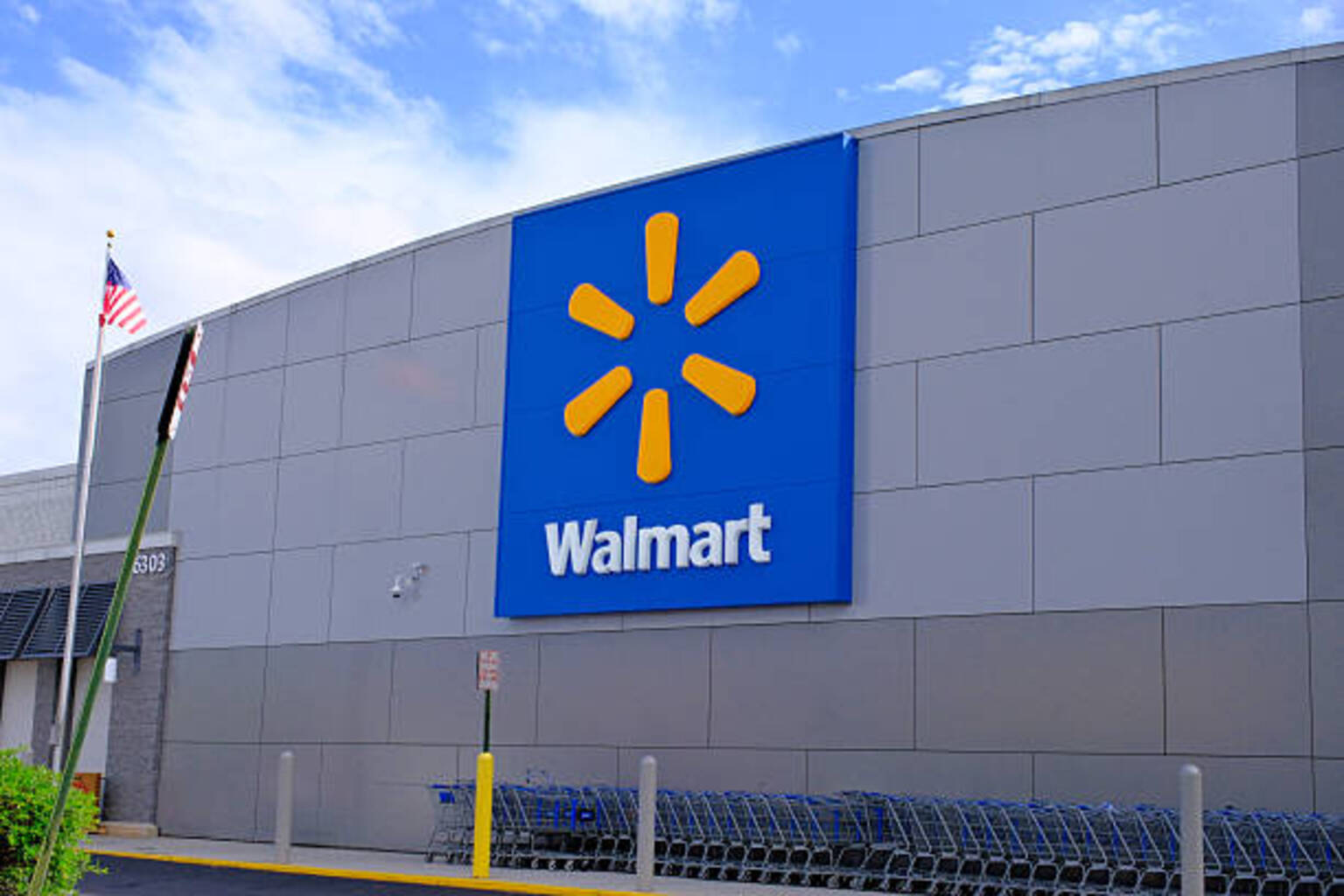
- Membership Fee Increase: Walmart announced that starting May 1, the annual fee for Sam's Club basic members will rise from $50 to $60, marking a 20% increase and the largest nominal fee hike in recent history, which is expected to enhance the value of membership revenue.
- Analyst Perspective: Jefferies analyst Corey Tarlowe noted that the fee increase supports ongoing reinvestment in value, including raising the Sam's Cash annual cap for Plus members from $500 to $750; while modest near-term renewal headwinds may arise, the long-term outlook for Sam's earnings power is structurally positive.
- Industry Impact: This fee hike is not only beneficial for Walmart but may also positively impact competitors like BJ's Wholesale Club and Costco, further normalizing higher fee levels across the industry and supporting long-term revenue and profit expectations for the club segment.
- Market Performance: Walmart's stock has risen 12% year-to-date, outperforming broader market averages due to defensive positioning by investors, and the stock holds a consensus Strong Buy rating on Wall Street, reflecting confidence in its future growth prospects.
See More
Walmart's Ad Revenue Soars 46%, Attracting Investor Attention

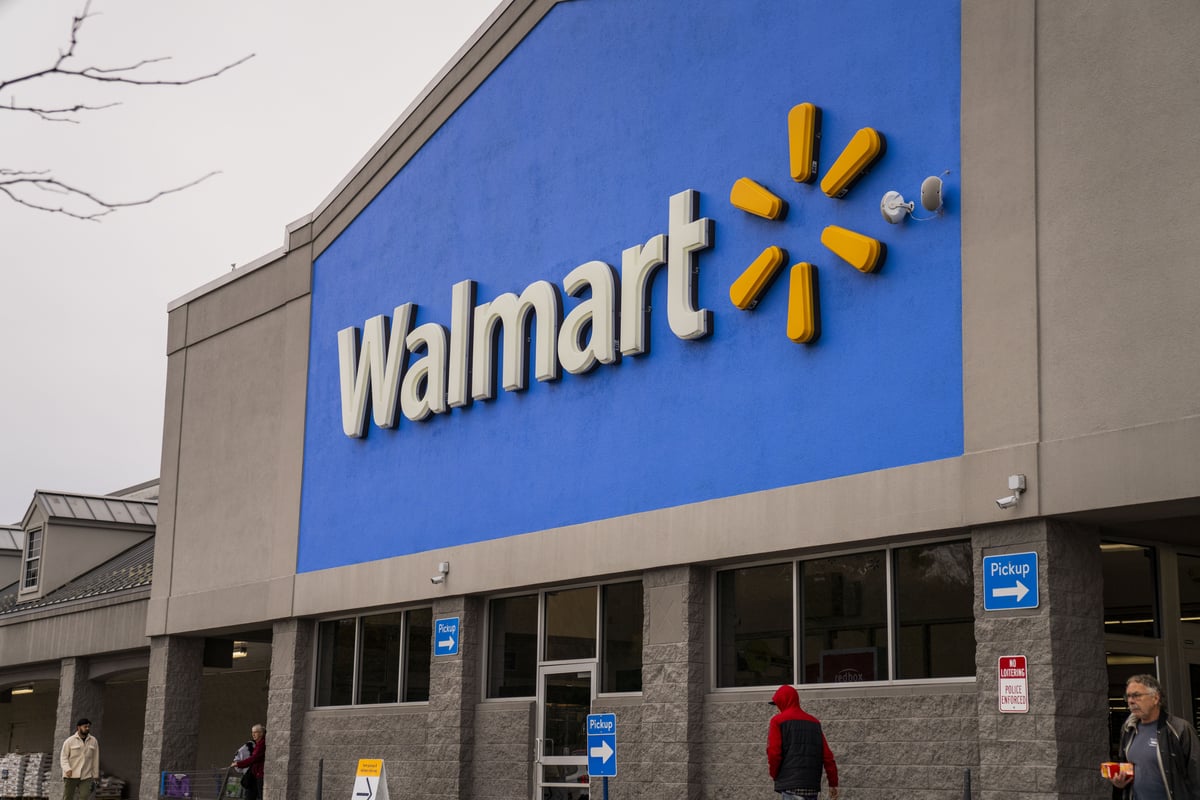
- Ad Revenue Surge: Walmart's global ad revenue reached $6.4 billion in fiscal year 2026, marking a 46% increase, which, while small relative to total revenue of $713.2 billion, highlights the potential of its advertising business.
- Significant Profit Contribution: Combined, ad revenue and Walmart+ membership fees accounted for about one-third of the company's operating profit in Q4 of fiscal year 2026, indicating that advertising is rapidly becoming a key profit center for Walmart.
- High Margin Advantage: Digital advertising boasts extremely high profit margins with minimal costs, suggesting that as Walmart sells goods at thin margins, the growth in ad revenue could significantly enhance overall profitability.
- Future Growth Potential: Analysts project an average long-term earnings growth of 8.8% for Walmart, and if advertising revenue grows to represent 5% to 10% of total revenue, it could further elevate earnings expectations, drawing increased investor interest.
See More

Easter Spending Expected to Hit Record High

- Easter Spending Trends: According to the National Retail Federation, consumer spending for Easter is projected to reach a record high of $24.9 billion in 2026, with food expenditures accounting for $7.5 billion, indicating increased financial pressure on consumers during the holiday.
- Rising Food Prices: Economist Bob McNab highlighted that the pain point for Easter spending stems from rising prices, as consumers will face significantly higher costs if they aim to purchase the same items as last year, reflecting inflation's impact on household budgets.
- Dollar General's Market Expansion: Over the past few years, Dollar General has actively expanded its grocery offerings, stating in 2023 that it provides fresh fruits and vegetables in more locations than any other mass retailer, becoming a key food supplier in rural and underserved areas, thus helping to reduce food deserts.
- New CEO Appointment: Dollar General announced the appointment of JJ Fleeman as the new CEO in 2027, who previously held an executive position at Ahold Delhaize, signaling the company's intent to further expand its grocery business and enhance its competitive position in the market.
See More

JPMorgan ETFs Attract Significant Net Inflows

- Net Inflow Trend: Over the past year, derivative income ETFs have seen significant net inflows, particularly in single-stock ETFs, with the JPMorgan Equity Premium Income ETF and JPMorgan Nasdaq Equity Premium Income ETF collectively managing $78 billion in assets, indicating strong investor demand for high-yield covered call products.
- Investment Strategy Analysis: The JPMorgan Equity Premium Income ETF targets low-volatility stocks and writes out-of-the-money S&P 500 call options to generate monthly income, aiming to reduce downside risk and provide stable cash flow despite challenges like economic slowdown and negative non-farm payroll growth.
- Market Environment Impact: With the U.S. GDP growth rate slowing to just 0.7% in Q4 2025 and the OECD forecasting a 4% inflation rate, these economic conditions are not supportive of rising stock prices, prompting investors to shift towards more defensive investment strategies to mitigate market volatility.
- ETF Comparison: Given the current macroeconomic conditions, the JPMorgan Equity Premium Income ETF is viewed as the better choice due to its low-volatility stocks providing a layer of protection, while the JPMorgan Nasdaq Equity Premium Income ETF, despite an attractive 11.4% yield, carries higher risks due to the volatility of tech stocks.
See More

High Yield Strategies Outperform in Market Pullback
- High Yield Performance: In the current market pullback, high yield and defensive strategies have outperformed the broader market, particularly covered call strategies, which have attracted significant inflows, indicating strong investor demand for income.
- ETF Inflows: Over the past year, derivative income exchange-traded funds (ETFs) have seen substantial net inflows, notably the JPMorgan Equity Premium Income ETF (JEPI) and the JPMorgan Nasdaq Equity Premium Income ETF (JEPQ), which together manage $78 billion in assets, reflecting a market preference for high-yield products.
- Low Volatility Investment: The JPMorgan Equity Premium Income ETF focuses on low-volatility stocks, holding companies like Walmart and Johnson & Johnson, aiming to provide stable cash flow and reduced downside risk, which is crucial in the current environment of slowing economic growth.
- Market Outlook Analysis: Although JEPQ offers a yield of 11.4%, in the context of a slowing economy and labor market, low-volatility stocks may provide better defensive characteristics, making them more suitable for the current uncertain market conditions.
See More

Impact of Trump's Tariffs One Year Later


- Widespread Tariff Impact: Trump's tariff policies have placed significant economic pressure on U.S. businesses over the past year, with approximately 80% to 85% of costs absorbed by companies, leading to reduced profits and increased consumer prices, thereby exacerbating overall economic uncertainty.
- Retail Sector Adaptation: While large retailers like Walmart have emerged relatively unscathed, smaller businesses have been severely impacted, with Home Depot aiming to limit purchases from any single country to 10% to reduce dependency and enhance supply chain flexibility.
- Automotive Industry Cost Surge: Automakers such as General Motors and Toyota are facing tariff impacts estimated at up to $9.5 billion, and although the Trump administration has taken steps to alleviate overlapping tariffs, overall costs remain significant, forcing companies to reassess their supply chain strategies.
- Pharmaceutical Sector Stability: Pharmaceutical companies have secured three-year tariff exemptions through pricing agreements with Trump, although new tariffs impose 100% on companies that do not reach agreements, the overall industry is still striving to increase investments in U.S. manufacturing.
See More
Walmart's Sam's Club Membership Fee Increase Marks First Since 2022
- Membership Fee Increase: Walmart announced that starting May 1, the annual fee for Sam's Club basic members will rise from $50 to $60, marking a 20% increase and the largest nominal fee hike in recent history, which is expected to enhance the value of membership revenue.
- Analyst Perspective: Jefferies analyst Corey Tarlowe noted that the fee increase supports ongoing reinvestment in value, including raising the Sam's Cash annual cap for Plus members from $500 to $750; while modest near-term renewal headwinds may arise, the long-term outlook for Sam's earnings power is structurally positive.
- Industry Impact: This fee hike is not only beneficial for Walmart but may also positively impact competitors like BJ's Wholesale Club and Costco, further normalizing higher fee levels across the industry and supporting long-term revenue and profit expectations for the club segment.
- Market Performance: Walmart's stock has risen 12% year-to-date, outperforming broader market averages due to defensive positioning by investors, and the stock holds a consensus Strong Buy rating on Wall Street, reflecting confidence in its future growth prospects.
See More
Walmart's Ad Revenue Soars 46%, Attracting Investor Attention
- Ad Revenue Surge: Walmart's global ad revenue reached $6.4 billion in fiscal year 2026, marking a 46% increase, which, while small relative to total revenue of $713.2 billion, highlights the potential of its advertising business.
- Significant Profit Contribution: Combined, ad revenue and Walmart+ membership fees accounted for about one-third of the company's operating profit in Q4 of fiscal year 2026, indicating that advertising is rapidly becoming a key profit center for Walmart.
- High Margin Advantage: Digital advertising boasts extremely high profit margins with minimal costs, suggesting that as Walmart sells goods at thin margins, the growth in ad revenue could significantly enhance overall profitability.
- Future Growth Potential: Analysts project an average long-term earnings growth of 8.8% for Walmart, and if advertising revenue grows to represent 5% to 10% of total revenue, it could further elevate earnings expectations, drawing increased investor interest.
See More
Easter Spending Expected to Hit Record High
- Easter Spending Trends: According to the National Retail Federation, consumer spending for Easter is projected to reach a record high of $24.9 billion in 2026, with food expenditures accounting for $7.5 billion, indicating increased financial pressure on consumers during the holiday.
- Rising Food Prices: Economist Bob McNab highlighted that the pain point for Easter spending stems from rising prices, as consumers will face significantly higher costs if they aim to purchase the same items as last year, reflecting inflation's impact on household budgets.
- Dollar General's Market Expansion: Over the past few years, Dollar General has actively expanded its grocery offerings, stating in 2023 that it provides fresh fruits and vegetables in more locations than any other mass retailer, becoming a key food supplier in rural and underserved areas, thus helping to reduce food deserts.
- New CEO Appointment: Dollar General announced the appointment of JJ Fleeman as the new CEO in 2027, who previously held an executive position at Ahold Delhaize, signaling the company's intent to further expand its grocery business and enhance its competitive position in the market.
See More
JPMorgan ETFs Attract Significant Net Inflows
- Net Inflow Trend: Over the past year, derivative income ETFs have seen significant net inflows, particularly in single-stock ETFs, with the JPMorgan Equity Premium Income ETF and JPMorgan Nasdaq Equity Premium Income ETF collectively managing $78 billion in assets, indicating strong investor demand for high-yield covered call products.
- Investment Strategy Analysis: The JPMorgan Equity Premium Income ETF targets low-volatility stocks and writes out-of-the-money S&P 500 call options to generate monthly income, aiming to reduce downside risk and provide stable cash flow despite challenges like economic slowdown and negative non-farm payroll growth.
- Market Environment Impact: With the U.S. GDP growth rate slowing to just 0.7% in Q4 2025 and the OECD forecasting a 4% inflation rate, these economic conditions are not supportive of rising stock prices, prompting investors to shift towards more defensive investment strategies to mitigate market volatility.
- ETF Comparison: Given the current macroeconomic conditions, the JPMorgan Equity Premium Income ETF is viewed as the better choice due to its low-volatility stocks providing a layer of protection, while the JPMorgan Nasdaq Equity Premium Income ETF, despite an attractive 11.4% yield, carries higher risks due to the volatility of tech stocks.
See More
High Yield Strategies Outperform in Market Pullback
- High Yield Performance: In the current market pullback, high yield and defensive strategies have outperformed the broader market, particularly covered call strategies, which have attracted significant inflows, indicating strong investor demand for income.
- ETF Inflows: Over the past year, derivative income exchange-traded funds (ETFs) have seen substantial net inflows, notably the JPMorgan Equity Premium Income ETF (JEPI) and the JPMorgan Nasdaq Equity Premium Income ETF (JEPQ), which together manage $78 billion in assets, reflecting a market preference for high-yield products.
- Low Volatility Investment: The JPMorgan Equity Premium Income ETF focuses on low-volatility stocks, holding companies like Walmart and Johnson & Johnson, aiming to provide stable cash flow and reduced downside risk, which is crucial in the current environment of slowing economic growth.
- Market Outlook Analysis: Although JEPQ offers a yield of 11.4%, in the context of a slowing economy and labor market, low-volatility stocks may provide better defensive characteristics, making them more suitable for the current uncertain market conditions.
See More
Impact of Trump's Tariffs One Year Later
- Widespread Tariff Impact: Trump's tariff policies have placed significant economic pressure on U.S. businesses over the past year, with approximately 80% to 85% of costs absorbed by companies, leading to reduced profits and increased consumer prices, thereby exacerbating overall economic uncertainty.
- Retail Sector Adaptation: While large retailers like Walmart have emerged relatively unscathed, smaller businesses have been severely impacted, with Home Depot aiming to limit purchases from any single country to 10% to reduce dependency and enhance supply chain flexibility.
- Automotive Industry Cost Surge: Automakers such as General Motors and Toyota are facing tariff impacts estimated at up to $9.5 billion, and although the Trump administration has taken steps to alleviate overlapping tariffs, overall costs remain significant, forcing companies to reassess their supply chain strategies.
- Pharmaceutical Sector Stability: Pharmaceutical companies have secured three-year tariff exemptions through pricing agreements with Trump, although new tariffs impose 100% on companies that do not reach agreements, the overall industry is still striving to increase investments in U.S. manufacturing.
See More