Investment Comparison: Lockheed Martin vs. Howmet Aerospace
Written by Emily J. Thompson, Senior Investment Analyst
Updated: Apr 20 2026
0mins
Source: Fool
- Howmet Aerospace Growth: Howmet Aerospace reported an 11% revenue increase to $8.3 billion in 2025, with EPS rising 32% to $3.71, driven by critical components operating under extreme conditions, and forecasts 2026 revenue of $9 billion to $9.2 billion, indicating strong market demand and growth potential.
- Lockheed Martin Stability: Lockheed Martin achieved $75 billion in revenue for 2025, with EPS declining 23% to $21.49 due to non-recurring charges; however, its $194 billion backlog ensures revenue stability for the next two and a half years, highlighting its strong position in the defense market.
- Defense Spending Boost: With the U.S. defense budget projected to reach $1.5 trillion by 2027, Lockheed's missile and fire control segment benefits from a $4.7 billion Army contract, further solidifying its cash flow and market share.
- Dividend Policy Differences: Lockheed has increased its dividend for 23 consecutive years, raising it by 5% to $3.45 per quarter, yielding approximately 2.2%, while Howmet's yield is only 0.18%, showcasing Lockheed's advantage in shareholder returns.
Trade with 70% Backtested Accuracy
Stop guessing "Should I Buy LMT?" and start using high-conviction signals backed by rigorous historical data.
Sign up today to access powerful investing tools and make smarter, data-driven decisions.
Analyst Views on LMT
Wall Street analysts forecast LMT stock price to rise
12 Analyst Rating
4 Buy
7 Hold
1 Sell
Hold
Current: 512.410

Low
430.00
Averages
535.50
High
605.00
Current: 512.410
Low
430.00
Averages
535.50
High
605.00
About LMT
Lockheed Martin Corporation is a global aerospace and defense company. The Company is engaged in the research, design, development, manufacture, integration and sustainment of advanced technology systems, products and services. Its segments include Aeronautics, Missiles and Fire Control (MFC), Rotary and Mission Systems (RMS) and Space. Aeronautics segment is engaged in the research, design, development, manufacture, integration, sustainment, support and upgrade of advanced military aircraft. MFC segment provides air and missile defense systems, manned and unmanned ground vehicles, energy management solutions, and others. RMS segment designs, manufactures, services and supports various military and commercial helicopters, surface ships, sea and land-based missile defense systems, and others. Its Space segment is engaged in the research and design, development, engineering and production of satellites, space transportation systems, and strategic, advanced strike, and defensive systems.
About the author

Emily J. Thompson
Emily J. Thompson, a Chartered Financial Analyst (CFA) with 12 years in investment research, graduated with honors from the Wharton School. Specializing in industrial and technology stocks, she provides in-depth analysis for Intellectia’s earnings and market brief reports.

U.S.-Iran Conflict Drives Arms Sales Growth

- Cost of War: The Pentagon reported that the U.S. war against Iran has cost taxpayers $25 billion, significantly lower than the previously estimated $80-$100 billion, indicating a potential shift in military budget priorities moving forward.
- HIMARS Sales Surge: Lockheed Martin secured an $1.1 billion contract for HIMARS launchers, which could generate an additional $143 million in operating profit, reflecting strong global demand for this system amid rising geopolitical tensions with China and Russia.
- International Orders Expansion: Countries including Australia, Canada, Estonia, Sweden, and Taiwan have shown significant interest in acquiring HIMARS systems, highlighting their proactive measures to bolster defense capabilities against potential geopolitical threats.
- Optimistic Market Outlook: With increasing HIMARS sales, Lockheed Martin's stock appears attractive under a 25 P/E ratio and an 18.5% long-term earnings growth forecast, suggesting potential for stock price appreciation as demand continues to rise.
See More

U.S. Army Orders $1.1 Billion HIMARS Missile Systems from Lockheed Martin
- Large Order Size: The U.S. Army's $1.1 billion order for HIMARS missile systems from Lockheed Martin indicates a strong demand for high-mobility artillery rocket systems, which is expected to significantly enhance the defense capabilities of the U.S. and its allies.
- International Market Demand: Countries such as Australia, Canada, Estonia, Sweden, and Taiwan are rapidly procuring HIMARS, reflecting a global demand that exceeds Lockheed's production capacity, potentially driving future sales growth for the company.
- Profit Enhancement Potential: HIMARS sales are projected to generate approximately $143 million in additional operating profit for Lockheed, translating to a $0.62 increase in per-share operating profit based on 230.6 million shares, thereby boosting investor confidence in the company's stock.
- Strategic Shift Indicators: With the temporary ceasefire in the Iran conflict, U.S. and allied military focus is shifting towards potential threats from Russia and China, suggesting that HIMARS sales are not only a response to current events but may also signal future adjustments in defense strategy.
See More
U.S.-Iran War's Impact on Lockheed Martin's $1.1 Billion HIMARS Contract

- Cost of War Analysis: The Pentagon reports that the U.S. war against Iran has cost $25 billion, significantly lower than the $80 to $100 billion estimated by The Washington Post, indicating a manageable fiscal impact that may influence future military budget allocations.
- HIMARS Contract Details: Lockheed Martin secured an $1.1 billion contract for 17 HIMARS launchers, which is expected to generate approximately $143 million in operating profit, further solidifying its position in the global defense market.
- International Market Demand: The procurement of HIMARS by countries like Australia, Canada, Estonia, Sweden, and Taiwan reflects a strategic response to potential threats from China and Russia, likely driving Lockheed Martin's expansion and sales growth in international markets.
- Profitability Enhancement: Although HIMARS sales represent the smallest segment within Lockheed's four main divisions, the 13% operating profit margin surpasses the 6.8% margin of the Aeronautics division, indicating strong profitability that could positively impact the company's overall stock price.
See More

Kim Jong Un Reaffirms Defense Treaty with Russia
- Strategic Cooperation Reaffirmed: Kim Jong Un reaffirmed North Korea's mutual defense treaty with Russia in a formal message commemorating Victory Day, emphasizing prioritization of the partnership with Moscow, indicating a close geopolitical relationship between the two nations.
- Treaty Details Highlighted: The 'Comprehensive Strategic Partnership Treaty' mentioned by Kim, signed in 2024, includes mutual defense provisions that fundamentally alter the geopolitical landscape in Eurasia, potentially impacting future international security dynamics.
- Current Military Support: North Korea is currently providing direct support to Russian military efforts in Ukraine, with estimates of approximately 14,000 troops deployed in the Kursk region, demonstrating deep military cooperation between the two countries.
- Ceasefire Agreement Impact: Despite the three-day ceasefire agreement reached between Ukraine and Russia, Kim's reaffirmation indicates that the deepening military axis between Moscow and Pyongyang will continue to influence global defense and security spending projections.
See More
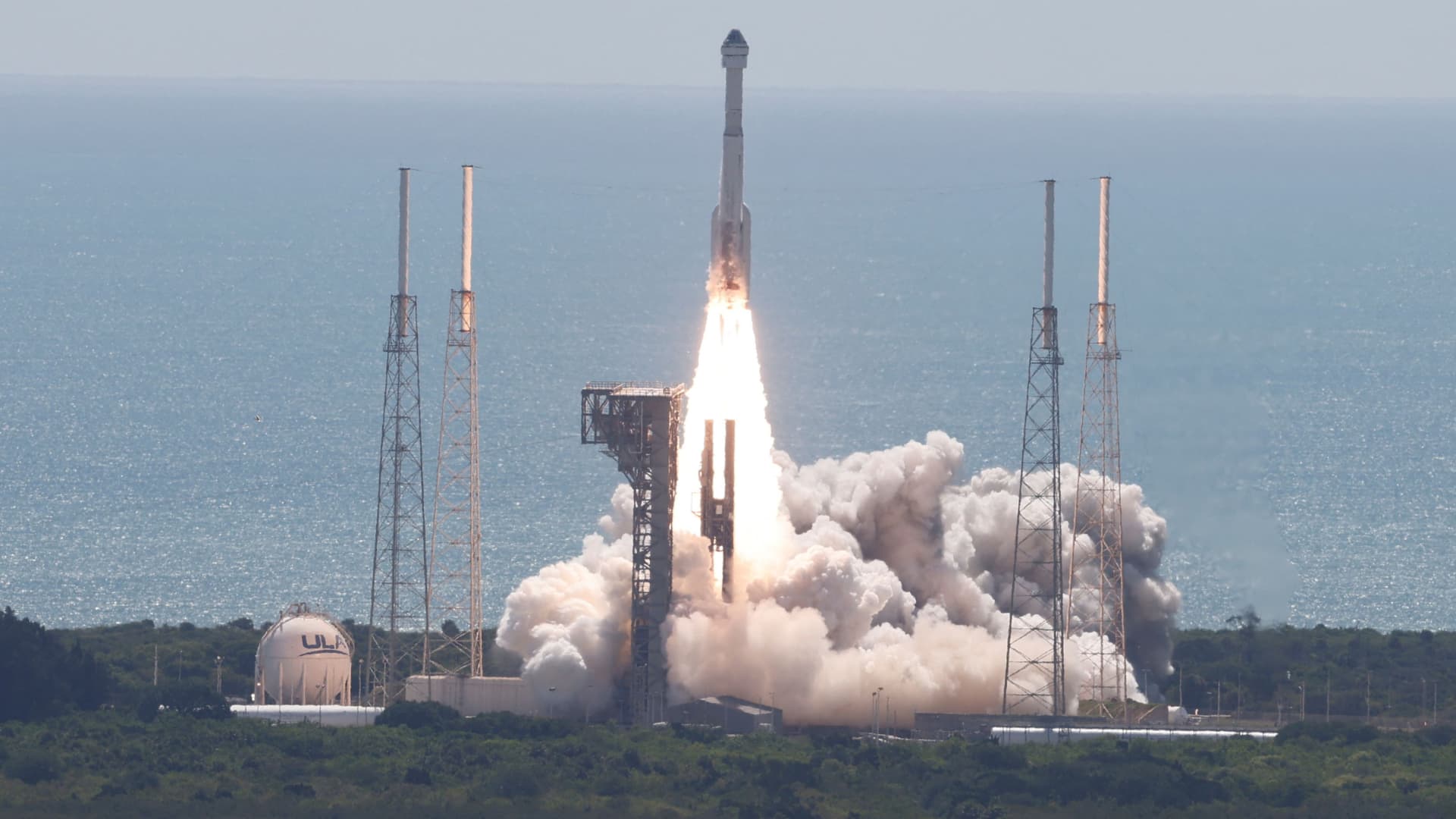
Taiwan Military Spending Delays Seen as Concession to China
- Budget Cuts: Taiwan's President Lai Ching-te's request for $40 billion in supplementary defense spending saw only two-thirds approved, all earmarked for U.S. weapons, excluding domestically developed drones and missiles, which may create capability gaps and impact overall security.
- Countering Chinese Pressure: The U.S. State Department stated that further delays in funding are viewed as a concession to the Chinese Communist Party, despite ongoing support for Taiwan's acquisition of critical defense capabilities, reflecting the U.S.'s commitment to Taiwan's defense.
- Defense Capability Gaps: Taiwan's defense ministry highlighted the exclusion of the
See More
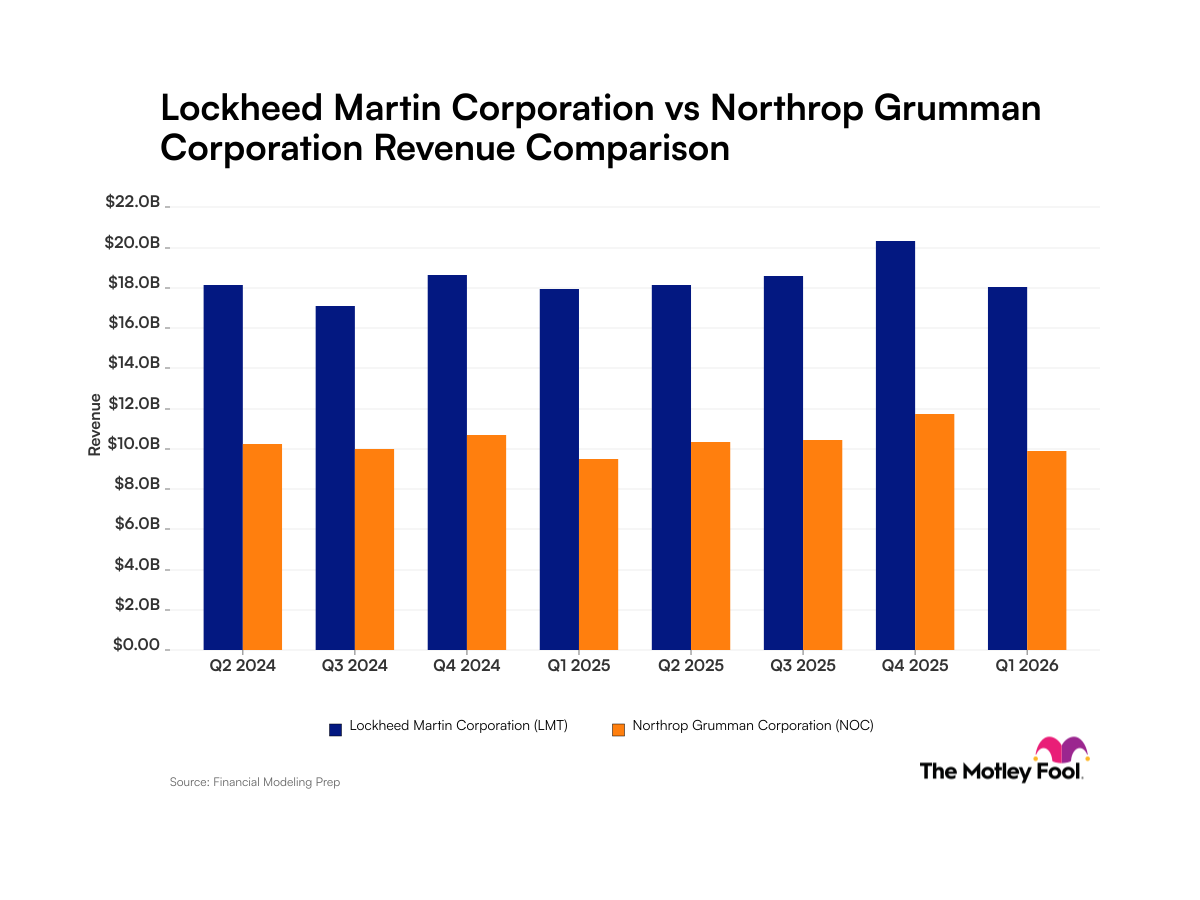
Lockheed Martin and Northrop Grumman Expand Defense Production
- Production Capacity Boost: Lockheed Martin has signed a framework agreement to quadruple the production capacity of specific defense interceptors, which is expected to significantly enhance its competitiveness and market share in the defense sector.
- Bomber Output Increase: Northrop Grumman has reached an agreement to increase bomber production capacity by 25%, which not only meets the growing defense demand but also has the potential to elevate the company's overall revenue and market position.
- Strong Financial Performance: Lockheed Martin reported revenue of $18.1 billion in Q2 2024, while Northrop Grumman's revenue stood at $10.2 billion, showcasing robust performance in the defense sector that attracts investor interest.
- Investment Appeal: Lockheed Martin has a market cap of approximately $117 billion, a P/E ratio of 25x, and a dividend yield of 2.7%, while Northrop Grumman has a market cap of about $78 billion, a P/E ratio of 17x, and a dividend yield of 1.7%, offering diverse options for different types of investors.
See More
U.S.-Iran Conflict Drives Arms Sales Growth
- Cost of War: The Pentagon reported that the U.S. war against Iran has cost taxpayers $25 billion, significantly lower than the previously estimated $80-$100 billion, indicating a potential shift in military budget priorities moving forward.
- HIMARS Sales Surge: Lockheed Martin secured an $1.1 billion contract for HIMARS launchers, which could generate an additional $143 million in operating profit, reflecting strong global demand for this system amid rising geopolitical tensions with China and Russia.
- International Orders Expansion: Countries including Australia, Canada, Estonia, Sweden, and Taiwan have shown significant interest in acquiring HIMARS systems, highlighting their proactive measures to bolster defense capabilities against potential geopolitical threats.
- Optimistic Market Outlook: With increasing HIMARS sales, Lockheed Martin's stock appears attractive under a 25 P/E ratio and an 18.5% long-term earnings growth forecast, suggesting potential for stock price appreciation as demand continues to rise.
See More
U.S. Army Orders $1.1 Billion HIMARS Missile Systems from Lockheed Martin
- Large Order Size: The U.S. Army's $1.1 billion order for HIMARS missile systems from Lockheed Martin indicates a strong demand for high-mobility artillery rocket systems, which is expected to significantly enhance the defense capabilities of the U.S. and its allies.
- International Market Demand: Countries such as Australia, Canada, Estonia, Sweden, and Taiwan are rapidly procuring HIMARS, reflecting a global demand that exceeds Lockheed's production capacity, potentially driving future sales growth for the company.
- Profit Enhancement Potential: HIMARS sales are projected to generate approximately $143 million in additional operating profit for Lockheed, translating to a $0.62 increase in per-share operating profit based on 230.6 million shares, thereby boosting investor confidence in the company's stock.
- Strategic Shift Indicators: With the temporary ceasefire in the Iran conflict, U.S. and allied military focus is shifting towards potential threats from Russia and China, suggesting that HIMARS sales are not only a response to current events but may also signal future adjustments in defense strategy.
See More
U.S.-Iran War's Impact on Lockheed Martin's $1.1 Billion HIMARS Contract
- Cost of War Analysis: The Pentagon reports that the U.S. war against Iran has cost $25 billion, significantly lower than the $80 to $100 billion estimated by The Washington Post, indicating a manageable fiscal impact that may influence future military budget allocations.
- HIMARS Contract Details: Lockheed Martin secured an $1.1 billion contract for 17 HIMARS launchers, which is expected to generate approximately $143 million in operating profit, further solidifying its position in the global defense market.
- International Market Demand: The procurement of HIMARS by countries like Australia, Canada, Estonia, Sweden, and Taiwan reflects a strategic response to potential threats from China and Russia, likely driving Lockheed Martin's expansion and sales growth in international markets.
- Profitability Enhancement: Although HIMARS sales represent the smallest segment within Lockheed's four main divisions, the 13% operating profit margin surpasses the 6.8% margin of the Aeronautics division, indicating strong profitability that could positively impact the company's overall stock price.
See More
Kim Jong Un Reaffirms Defense Treaty with Russia
- Strategic Cooperation Reaffirmed: Kim Jong Un reaffirmed North Korea's mutual defense treaty with Russia in a formal message commemorating Victory Day, emphasizing prioritization of the partnership with Moscow, indicating a close geopolitical relationship between the two nations.
- Treaty Details Highlighted: The 'Comprehensive Strategic Partnership Treaty' mentioned by Kim, signed in 2024, includes mutual defense provisions that fundamentally alter the geopolitical landscape in Eurasia, potentially impacting future international security dynamics.
- Current Military Support: North Korea is currently providing direct support to Russian military efforts in Ukraine, with estimates of approximately 14,000 troops deployed in the Kursk region, demonstrating deep military cooperation between the two countries.
- Ceasefire Agreement Impact: Despite the three-day ceasefire agreement reached between Ukraine and Russia, Kim's reaffirmation indicates that the deepening military axis between Moscow and Pyongyang will continue to influence global defense and security spending projections.
See More
Taiwan Military Spending Delays Seen as Concession to China
- Budget Cuts: Taiwan's President Lai Ching-te's request for $40 billion in supplementary defense spending saw only two-thirds approved, all earmarked for U.S. weapons, excluding domestically developed drones and missiles, which may create capability gaps and impact overall security.
- Countering Chinese Pressure: The U.S. State Department stated that further delays in funding are viewed as a concession to the Chinese Communist Party, despite ongoing support for Taiwan's acquisition of critical defense capabilities, reflecting the U.S.'s commitment to Taiwan's defense.
- Defense Capability Gaps: Taiwan's defense ministry highlighted the exclusion of the
See More
Lockheed Martin and Northrop Grumman Expand Defense Production
- Production Capacity Boost: Lockheed Martin has signed a framework agreement to quadruple the production capacity of specific defense interceptors, which is expected to significantly enhance its competitiveness and market share in the defense sector.
- Bomber Output Increase: Northrop Grumman has reached an agreement to increase bomber production capacity by 25%, which not only meets the growing defense demand but also has the potential to elevate the company's overall revenue and market position.
- Strong Financial Performance: Lockheed Martin reported revenue of $18.1 billion in Q2 2024, while Northrop Grumman's revenue stood at $10.2 billion, showcasing robust performance in the defense sector that attracts investor interest.
- Investment Appeal: Lockheed Martin has a market cap of approximately $117 billion, a P/E ratio of 25x, and a dividend yield of 2.7%, while Northrop Grumman has a market cap of about $78 billion, a P/E ratio of 17x, and a dividend yield of 1.7%, offering diverse options for different types of investors.
See More