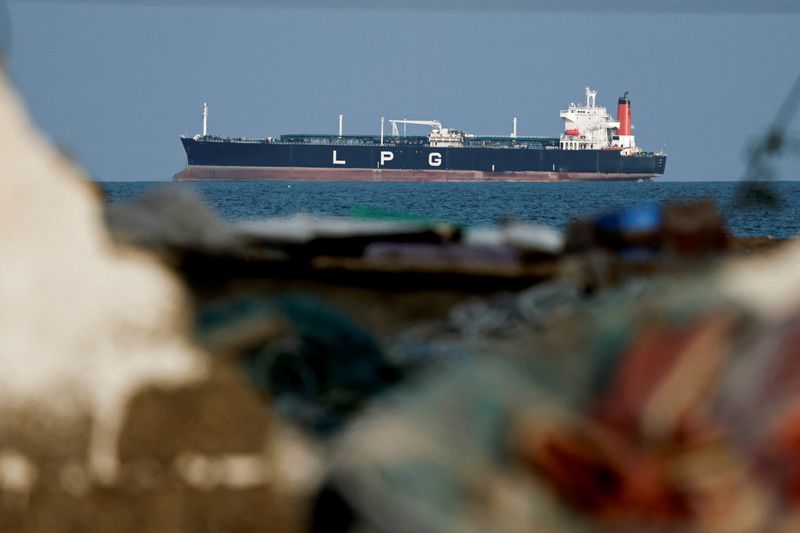
Indonesia Energy plans to commence drilling two wells at Kruh Block
Written by Emily J. Thompson, Senior Investment Analyst
Updated: Jul 23 2025
0mins
Should l Buy INDO?
Drilling Plans: Indonesia Energy plans to drill two wells, Kruh-29 and West Kruh-5, in the Kruh Block starting in Q4 2025, utilizing a 750 horsepower rig to minimize costs.
Regulatory Approval and Logistics: The drilling locations have received approval from Indonesian authorities, with preparations for land acquisition and vendor tenders underway, aiming for production by year-end 2025.
Trade with 70% Backtested Accuracy
Stop guessing "Should I Buy INDO?" and start using high-conviction signals backed by rigorous historical data.
Sign up today to access powerful investing tools and make smarter, data-driven decisions.
Analyst Views on INDO
About INDO
Indonesia Energy Corporation Limited is an independent energy company engaged in the oil and gas business. The Company holds two oil and gas assets through its subsidiaries in Indonesia: The Kruh Block and the Citarum Block. It has also identified a potential third exploration block known as the Rangkas area. The Kruh Block is a producing block covering approximately 258 square kilometers and is located 16 miles northwest of Pendopo, Pali, South Sumatra. Of the eight identified oil-bearing structures, three structures (North Kruh, Kruh, and West Kruh fields) have combined proved developed and undeveloped gross crude oil reserves of approximately 2.06 million barrels (with net crude oil proved reserves of over 1.18 million barrels) and probable undeveloped gross crude oil reserves of over 2.44 million barrels. The block has drilled over four oil discoveries and one gas discovery. The Citarum Block, an exploration block, spans an area of approximately 3,924.67 square kilometers.
About the author

Emily J. Thompson
Emily J. Thompson, a Chartered Financial Analyst (CFA) with 12 years in investment research, graduated with honors from the Wharton School. Specializing in industrial and technology stocks, she provides in-depth analysis for Intellectia’s earnings and market brief reports.

INDONESIA ENERGY CORP LTD - PLANS TO START DRILLING FIRST NEW WELL AT KRUH BLOCK IN 60 DAYS

Drilling Announcement: Indonesia Energy Corp Ltd has commenced drilling the first new well at the Kruh Block.
Timeline: The drilling is expected to be completed within 60 days.
See More

Oil Prices Surge Amid Geopolitical Tensions, Market Reacts Strongly

- Oil Price Surge: Brent crude has surged over 50% since the escalation of the U.S.-Iran conflict in late February, currently trading above $113 per barrel, with market fears of supply disruptions intensifying, leading to widespread gains in major oil stocks during premarket trading.
- Major Stock Performance: Trio Petroleum (TPET) shares rose 15%, EON Resources (EONR) jumped 13%, the United States Oil Fund (USO) gained 4%, while Battalion Oil (BATL) and Indonesia Energy (INDO) each increased by 3%, reflecting investor optimism regarding rising oil prices.
- Supply Disruption Expectations: Analysts warn that disruptions in the Strait of Hormuz may persist, with UBS noting that even a planned 400-million-barrel strategic reserve release by OECD countries may not fully offset the impact, especially as refinery output cuts in the Middle East begin to affect Asian and European markets.
- Market Sentiment Shift: Despite BATL surging over 1,000% in the past year, retail sentiment on Stocktwits for USO, INDO, TPET, and BATL remains 'bearish', while EONR shows 'bullish' sentiment amid high message volume, indicating a divergence in market outlook.
See More

Oil Price Retreat Raises Market Concerns
- Oil Price Decline: Brent crude prices have eased toward $107 per barrel, while West Texas Intermediate hovers near $94, as signals of restraint from U.S. and Israeli leaders raise concerns about potential supply relief from Iran, intensifying market worries.
- Market Reaction: Shares of EON Resources (EONR) fell 6%, Battalion Oil (BATL) dropped 3%, and both the United States Oil Fund (USO) and Trio Petroleum (TPET) slipped 0.5%, reflecting the market's sensitivity to oil price fluctuations.
- Demand Warning: JPMorgan warns that if oil prices remain around $110, S&P 500 earnings estimates could decline by 2% to 5%, indicating that the market may be underestimating the potential impact of high oil prices on demand, which could slow economic growth.
- Economic Outlook Concerns: Economists highlight that sustained high oil prices could significantly raise recession risks, and while the U.S. economy shows resilience, the “surging oil prices” and geopolitical tensions should not be taken lightly.
See More

Middle East Tensions Drive Oil Prices Surge
- Oil Price Surge: Brent crude jumped to over $115 per barrel, with WTI hovering near $97 and European natural gas prices soaring by 35%, indicating strong market reactions to escalating tensions in the Middle East that could exacerbate global supply shocks.
- Escalating Military Threats: Saudi Arabia warned of potential military retaliation while Iran vowed further strikes on oil and gas infrastructure, disrupting shipping through the Strait of Hormuz and cutting regional output, pushing oil prices up about 50% since the conflict began.
- Increasing Supply Tightness: Analysts warned of “acute tightness” in the market, with WTI trading below $100 and the Brent-WTI spread widening to around $16.5, reflecting regional dislocations and speculation about potential U.S. export bans to curb domestic fuel prices.
- Diverging Market Sentiment: Despite rising oil prices, short interest in U.S. oil funds surged by about 50%, indicating traders are betting against rising prices, which could lead to extreme volatility, highlighting concerns over actual supply shortages in the market.
See More

Iraq Resumes Oil Exports via Turkey, Easing Supply Fears
- Supply Concerns Eased: Iraq's agreement with Kurdistan to resume oil exports via a pipeline to Turkey alleviates immediate supply fears regarding the Strait of Hormuz, although U.S. military actions and Iranian retaliation threats continue to cloud market outlooks, increasing uncertainty.
- Oil Price Forecast: Analysts predict that despite a recent pullback, Brent crude prices are likely to remain above $100 per barrel due to ongoing geopolitical tensions between the U.S. and Iran and continued constraints on flows through the Strait of Hormuz, raising the risk of longer-lasting supply shortages.
- Inflationary Pressures Rising: U.S. diesel prices have surged past $5 per gallon, increasing transportation and supply chain costs, which central banks are likely to monitor closely, especially with an interest rate decision meeting approaching, where no immediate changes are expected.
- Market Sentiment Shifts: On Stocktwits, retail sentiment for USO and INDO is bullish, while BATL and TPET show bearish sentiment; EONR stands out with extremely bullish sentiment, indicating varied investor perspectives on different oil stocks amidst the current market volatility.
See More
Surge in Oil Prices Raises Recession Concerns

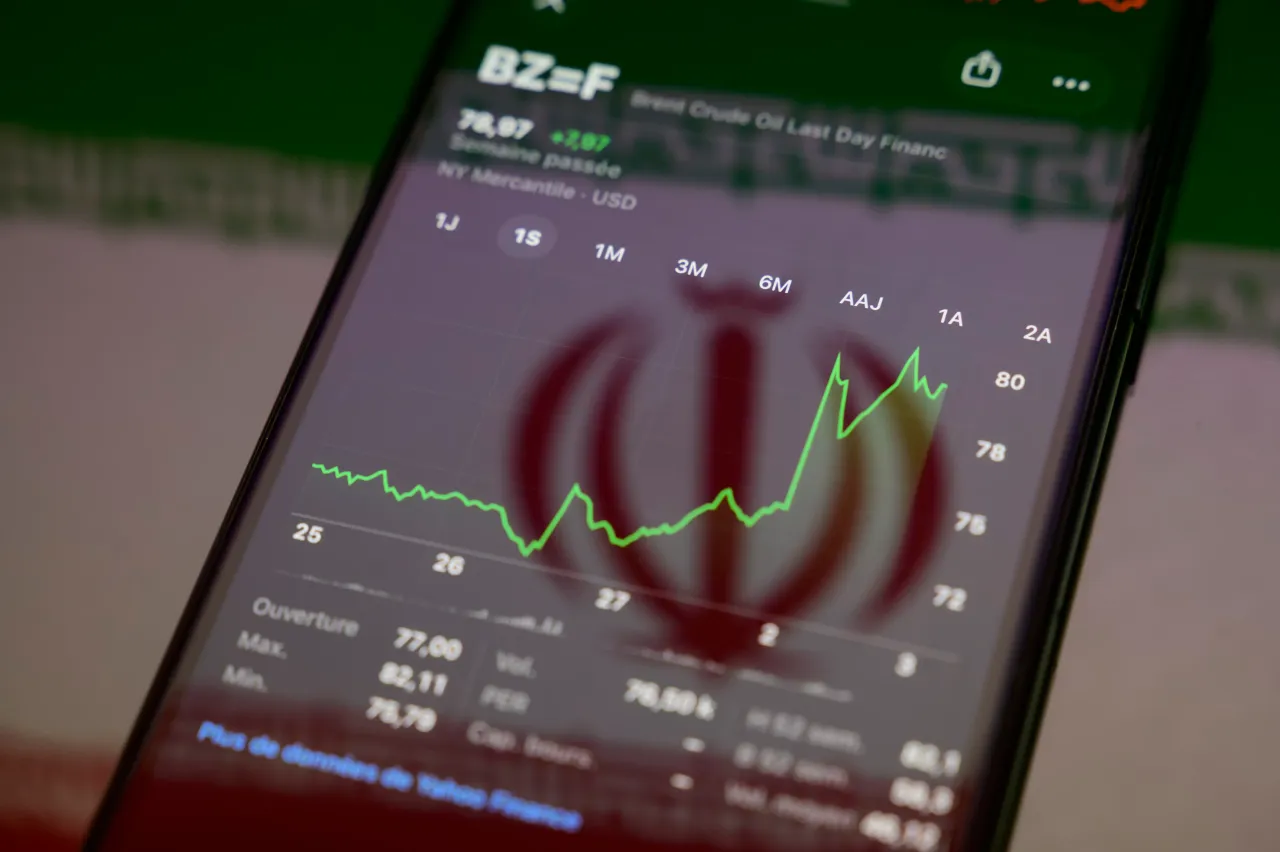
- Oil Price Surge: Brent crude prices surpassed $103 and WTI approached $97, primarily due to Iranian attacks on energy infrastructure and shipping bottlenecks in the Strait of Hormuz, tightening global supply and exacerbating inflation risks, potentially delaying Federal Reserve rate cuts.
- Inflation Risks Intensify: Analysts noted that the oil price spike directly impacts the macroeconomic narrative, with StoneX stating that the surge reinforces a 'higher for longer' outlook for the Fed, which could keep the dollar strong as markets reassess the Fed's policy trajectory.
- Rising Recession Odds: Moody's economist Mark Zandi warned that the surge in oil prices could push the economy closer to a downturn, with recession probabilities nearing 49%, and if oil remains elevated, consumers will quickly feel the impact of higher energy costs, making recession difficult to avoid.
- Mixed Market Reactions: Despite rising oil prices, many energy stocks traded lower before the bell on Tuesday, with Trio Petroleum down nearly 1%, while the United States Oil Fund (USO) bucked the trend, jumping over 5%, indicating a complex market response to oil price volatility.
See More
INDONESIA ENERGY CORP LTD - PLANS TO START DRILLING FIRST NEW WELL AT KRUH BLOCK IN 60 DAYS
Drilling Announcement: Indonesia Energy Corp Ltd has commenced drilling the first new well at the Kruh Block.
Timeline: The drilling is expected to be completed within 60 days.
See More
Oil Prices Surge Amid Geopolitical Tensions, Market Reacts Strongly
- Oil Price Surge: Brent crude has surged over 50% since the escalation of the U.S.-Iran conflict in late February, currently trading above $113 per barrel, with market fears of supply disruptions intensifying, leading to widespread gains in major oil stocks during premarket trading.
- Major Stock Performance: Trio Petroleum (TPET) shares rose 15%, EON Resources (EONR) jumped 13%, the United States Oil Fund (USO) gained 4%, while Battalion Oil (BATL) and Indonesia Energy (INDO) each increased by 3%, reflecting investor optimism regarding rising oil prices.
- Supply Disruption Expectations: Analysts warn that disruptions in the Strait of Hormuz may persist, with UBS noting that even a planned 400-million-barrel strategic reserve release by OECD countries may not fully offset the impact, especially as refinery output cuts in the Middle East begin to affect Asian and European markets.
- Market Sentiment Shift: Despite BATL surging over 1,000% in the past year, retail sentiment on Stocktwits for USO, INDO, TPET, and BATL remains 'bearish', while EONR shows 'bullish' sentiment amid high message volume, indicating a divergence in market outlook.
See More
Oil Price Retreat Raises Market Concerns
- Oil Price Decline: Brent crude prices have eased toward $107 per barrel, while West Texas Intermediate hovers near $94, as signals of restraint from U.S. and Israeli leaders raise concerns about potential supply relief from Iran, intensifying market worries.
- Market Reaction: Shares of EON Resources (EONR) fell 6%, Battalion Oil (BATL) dropped 3%, and both the United States Oil Fund (USO) and Trio Petroleum (TPET) slipped 0.5%, reflecting the market's sensitivity to oil price fluctuations.
- Demand Warning: JPMorgan warns that if oil prices remain around $110, S&P 500 earnings estimates could decline by 2% to 5%, indicating that the market may be underestimating the potential impact of high oil prices on demand, which could slow economic growth.
- Economic Outlook Concerns: Economists highlight that sustained high oil prices could significantly raise recession risks, and while the U.S. economy shows resilience, the “surging oil prices” and geopolitical tensions should not be taken lightly.
See More
Middle East Tensions Drive Oil Prices Surge
- Oil Price Surge: Brent crude jumped to over $115 per barrel, with WTI hovering near $97 and European natural gas prices soaring by 35%, indicating strong market reactions to escalating tensions in the Middle East that could exacerbate global supply shocks.
- Escalating Military Threats: Saudi Arabia warned of potential military retaliation while Iran vowed further strikes on oil and gas infrastructure, disrupting shipping through the Strait of Hormuz and cutting regional output, pushing oil prices up about 50% since the conflict began.
- Increasing Supply Tightness: Analysts warned of “acute tightness” in the market, with WTI trading below $100 and the Brent-WTI spread widening to around $16.5, reflecting regional dislocations and speculation about potential U.S. export bans to curb domestic fuel prices.
- Diverging Market Sentiment: Despite rising oil prices, short interest in U.S. oil funds surged by about 50%, indicating traders are betting against rising prices, which could lead to extreme volatility, highlighting concerns over actual supply shortages in the market.
See More
Iraq Resumes Oil Exports via Turkey, Easing Supply Fears
- Supply Concerns Eased: Iraq's agreement with Kurdistan to resume oil exports via a pipeline to Turkey alleviates immediate supply fears regarding the Strait of Hormuz, although U.S. military actions and Iranian retaliation threats continue to cloud market outlooks, increasing uncertainty.
- Oil Price Forecast: Analysts predict that despite a recent pullback, Brent crude prices are likely to remain above $100 per barrel due to ongoing geopolitical tensions between the U.S. and Iran and continued constraints on flows through the Strait of Hormuz, raising the risk of longer-lasting supply shortages.
- Inflationary Pressures Rising: U.S. diesel prices have surged past $5 per gallon, increasing transportation and supply chain costs, which central banks are likely to monitor closely, especially with an interest rate decision meeting approaching, where no immediate changes are expected.
- Market Sentiment Shifts: On Stocktwits, retail sentiment for USO and INDO is bullish, while BATL and TPET show bearish sentiment; EONR stands out with extremely bullish sentiment, indicating varied investor perspectives on different oil stocks amidst the current market volatility.
See More
Surge in Oil Prices Raises Recession Concerns
- Oil Price Surge: Brent crude prices surpassed $103 and WTI approached $97, primarily due to Iranian attacks on energy infrastructure and shipping bottlenecks in the Strait of Hormuz, tightening global supply and exacerbating inflation risks, potentially delaying Federal Reserve rate cuts.
- Inflation Risks Intensify: Analysts noted that the oil price spike directly impacts the macroeconomic narrative, with StoneX stating that the surge reinforces a 'higher for longer' outlook for the Fed, which could keep the dollar strong as markets reassess the Fed's policy trajectory.
- Rising Recession Odds: Moody's economist Mark Zandi warned that the surge in oil prices could push the economy closer to a downturn, with recession probabilities nearing 49%, and if oil remains elevated, consumers will quickly feel the impact of higher energy costs, making recession difficult to avoid.
- Mixed Market Reactions: Despite rising oil prices, many energy stocks traded lower before the bell on Tuesday, with Trio Petroleum down nearly 1%, while the United States Oil Fund (USO) bucked the trend, jumping over 5%, indicating a complex market response to oil price volatility.
See More