Increasing Competition in Space Investments and Nuclear Power Prospects
Written by Emily J. Thompson, Senior Investment Analyst
Updated: Mar 24 2026
0mins


Should l Buy BA?
Source: Fool
- Rising Competition in Space: Over the past decade, the space industry has rapidly evolved from just two companies to numerous startups, particularly with the rise of SpaceX, driving demand for low-cost rocket launches, and the global space economy is projected to grow to about $2 trillion by 2035, indicating significant investment potential.
- Market Saturation Risks: Despite the promising outlook for the space sector, competition in communications and imaging is overly saturated, with many new entrants facing survival challenges, particularly as the number of satellites increases, leading to limited market opportunities and potential profitability issues for some companies.
- Nuclear Investment Surge: The growing demand for sustainable energy has attracted substantial investment in the nuclear sector, especially in the development of small modular reactors (SMRs), although historically, nuclear projects often exceed budgets and face delays, leading investors to remain cautious about future prospects.
- Uncertain Profitability Models: In both the space and nuclear sectors, many startups are not yet profitable, prompting investors to focus on financial flexibility and long-term sustainability, especially when market demand and technology maturity remain unclear.
Trade with 70% Backtested Accuracy
Stop guessing "Should I Buy BA?" and start using high-conviction signals backed by rigorous historical data.
Sign up today to access powerful investing tools and make smarter, data-driven decisions.
Analyst Views on BA
Wall Street analysts forecast BA stock price to rise
16 Analyst Rating
14 Buy
1 Hold
1 Sell
Strong Buy
Current: 231.030

Low
150.00
Averages
269.14
High
298.00
Current: 231.030
Low
150.00
Averages
269.14
High
298.00
About BA
The Boeing Company is an aerospace company. Its segments include Commercial Airplanes (BCA), Defense, Space & Security (BDS), and Global Services (BGS). Its BCA segment develops, produces and markets commercial jet aircraft principally for the commercial airline industry worldwide. Its family of commercial jet aircraft in production includes the 737 narrow-body model and the 767, 777 and 787 wide-body models. Its BDS segment is engaged in the research, development, production and modification of manned and unmanned military aircraft and weapons systems for strike, surveillance and mobility. Its BGS segment provides services to its commercial and defense customers worldwide. It sustains aerospace platforms and systems with a range of products and services, including supply chain and logistics management, engineering, maintenance and modifications, upgrades and conversions, spare parts, pilot and maintenance training systems and services, technical and maintenance documents, and others.
About the author

Emily J. Thompson
Emily J. Thompson, a Chartered Financial Analyst (CFA) with 12 years in investment research, graduated with honors from the Wharton School. Specializing in industrial and technology stocks, she provides in-depth analysis for Intellectia’s earnings and market brief reports.
Trump and Iran Reject Each Other's Peace Proposals Amid Ongoing Conflict

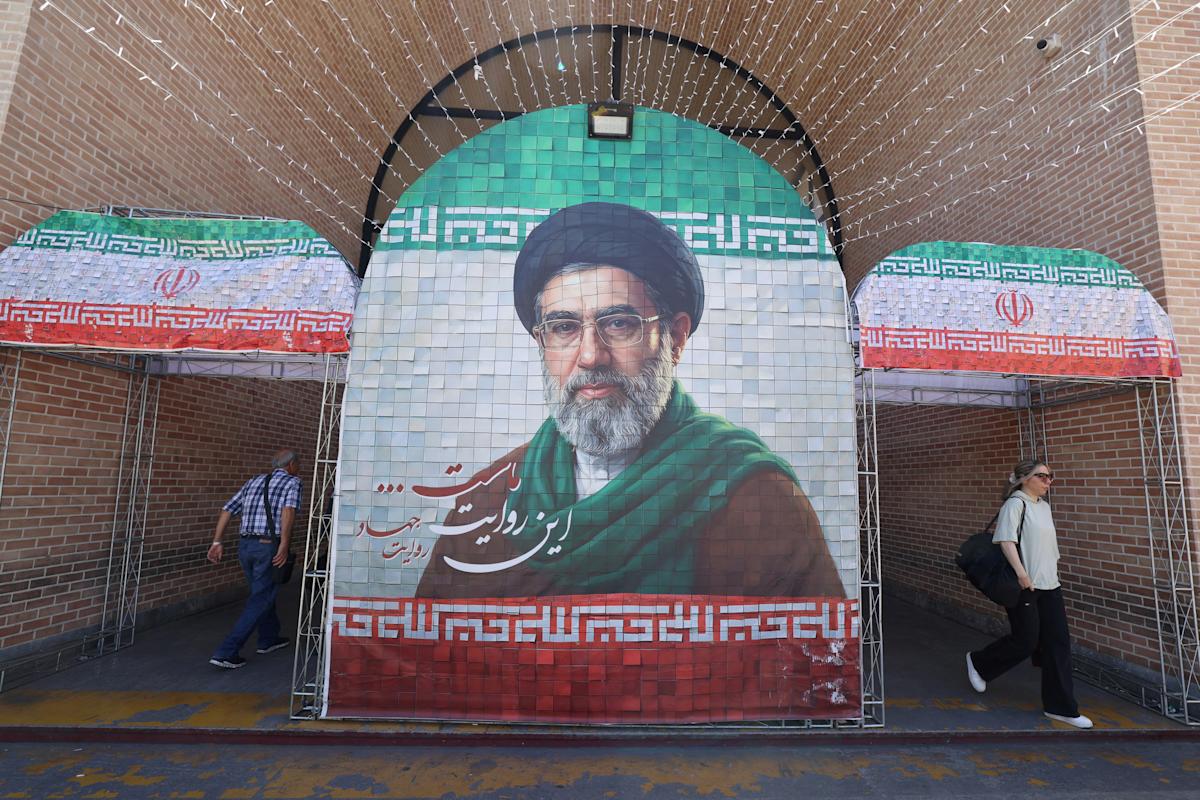
- Peace Proposal Rejection: Trump labeled Iran's peace proposal as 'totally unacceptable,' indicating deepening divisions between the two sides in resolving the conflict, which could lead to further escalation and negatively impact global market sentiment.
- Nuclear Material Dispute: Iran's offer to transfer some of its highly enriched uranium to a third country while refusing to dismantle its nuclear facilities demonstrates its hardline stance on nuclear issues, potentially exacerbating tensions with the U.S.
- Oil Price Fluctuations: Following Trump's rejection of Iran's proposal, Brent crude oil prices surged approximately 3.5% to over $104 per barrel, reflecting market sensitivity to Middle Eastern tensions and their potential impact on global energy supplies.
- Severe Conflict Consequences: The ongoing conflict has resulted in thousands of deaths across the Middle East and disrupted oil and gas markets, with soaring fuel prices exerting pressure on governments and consumers worldwide, while Trump faces political pressure to lower domestic gasoline prices.
See More
Trump Calls Iran's Response Unacceptable

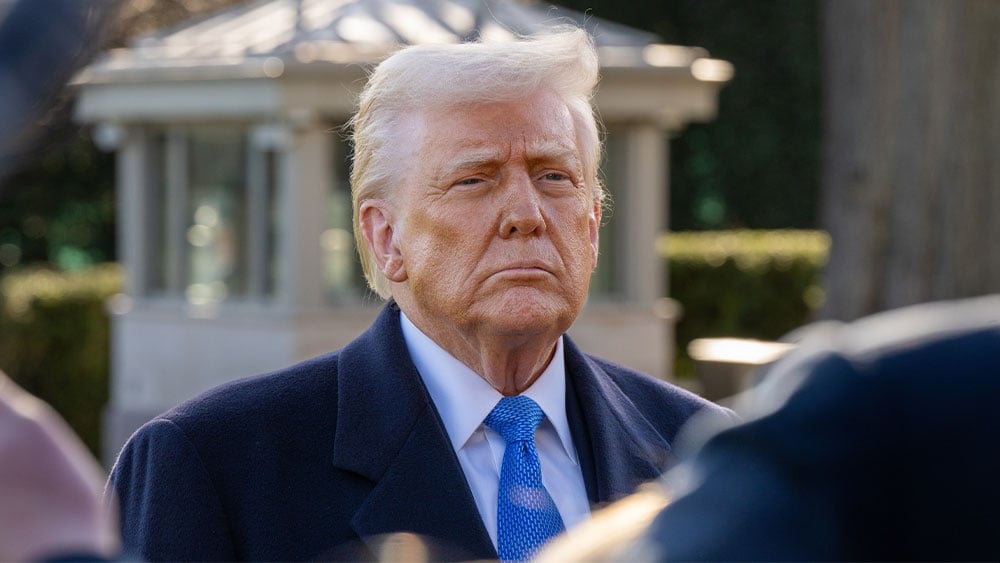
- Response to Peace Offer: President Trump stated that Iran's reaction to the U.S. peace proposal is 'totally unacceptable,' indicating a significant escalation in tensions that could hinder future diplomatic negotiations and regional stability.
- Escalating Diplomatic Tensions: This statement may lead the U.S. to adopt a more aggressive stance towards Iran, further exacerbating tensions in the Middle East, which could impact global oil prices and market sentiment.
- Upcoming Summit: Against this backdrop, the upcoming Xi summit may serve as a crucial platform for discussing the Middle East situation, influencing the international community's perspective on the Iranian issue.
- Strategic Impact Assessment: Trump's hardline position may prompt allies to reassess their relationships with Iran, affecting future international cooperation and security policies, particularly regarding nuclear issues.
See More
Trump Calls Iran's Response Unacceptable

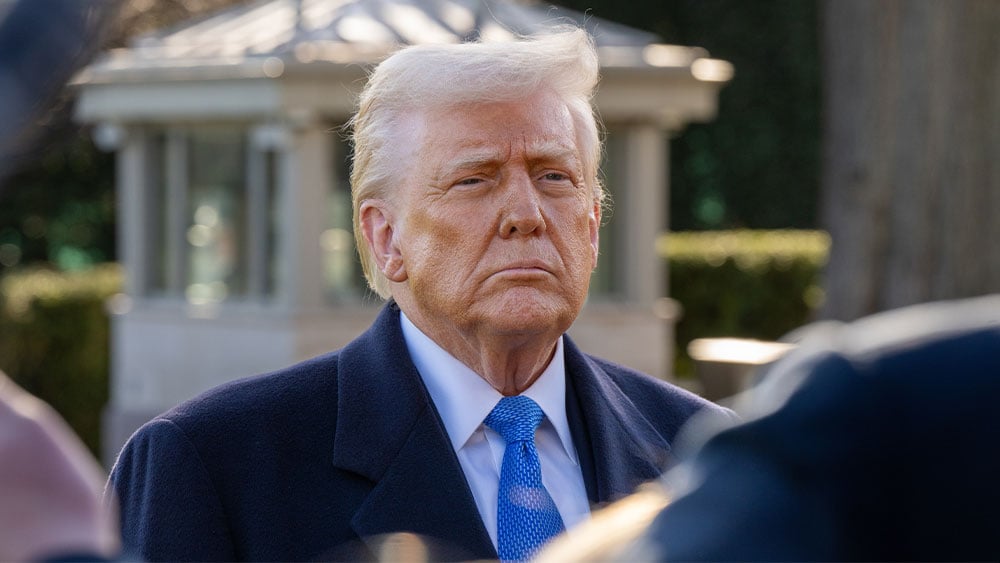
- Peace Offer Response: Trump stated that Iran's reaction to the U.S. peace proposal is 'totally unacceptable,' indicating a significant escalation in tensions that could hinder future diplomatic negotiations and regional stability.
- Summit Implications: Ahead of the upcoming Xi summit, Trump's remarks may affect diplomatic interactions with China, particularly in the context of increasingly complex U.S.-China relations.
- Geopolitical Ramifications: Trump's hardline stance could exacerbate the situation in the Middle East, increasing U.S. military and diplomatic pressures in the region, which may subsequently impact global oil prices and market sentiment.
- Domestic Political Strategy: Trump's comments may be aimed at solidifying his domestic support base, especially under election pressure, by leveraging a tough foreign policy stance to attract voter attention.
See More
U.S. Stock Market Peaks Amid Iran News and Trump-Xi Summit Focus
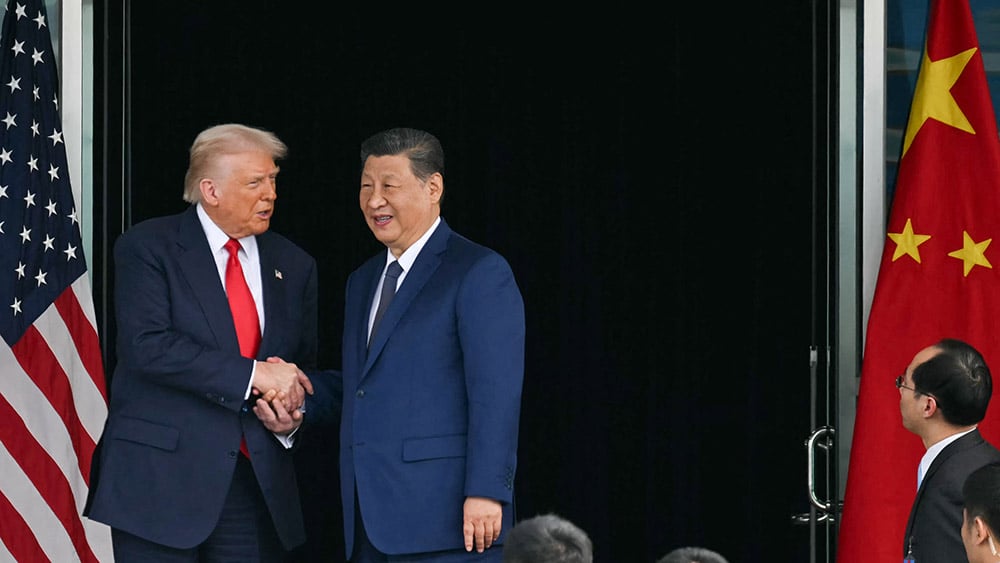
- Market Peaks: The U.S. stock market is currently at historical highs, primarily driven by news regarding Iran and the upcoming Trump-Xi summit, indicating investor optimism about future economic policies.
- Buying Opportunities: Stocks like Apple, Nvidia, and Boeing are identified as being in buy zones, reflecting strong market confidence in these tech and aerospace giants, which could lead to further price increases.
- Policy Impact: The Trump-Xi meeting may influence U.S.-China trade relations, with investors closely monitoring potential policy changes to assess their impact on the market, particularly in the tech and manufacturing sectors.
- Investor Sentiment: Positive market sentiment prevails as investors eagerly anticipate upcoming economic data and policy statements, which could further drive stock market gains and enhance overall market stability.
See More
U.S. Stocks Reach New Highs Amid Iran News and Trump-Xi Summit Focus
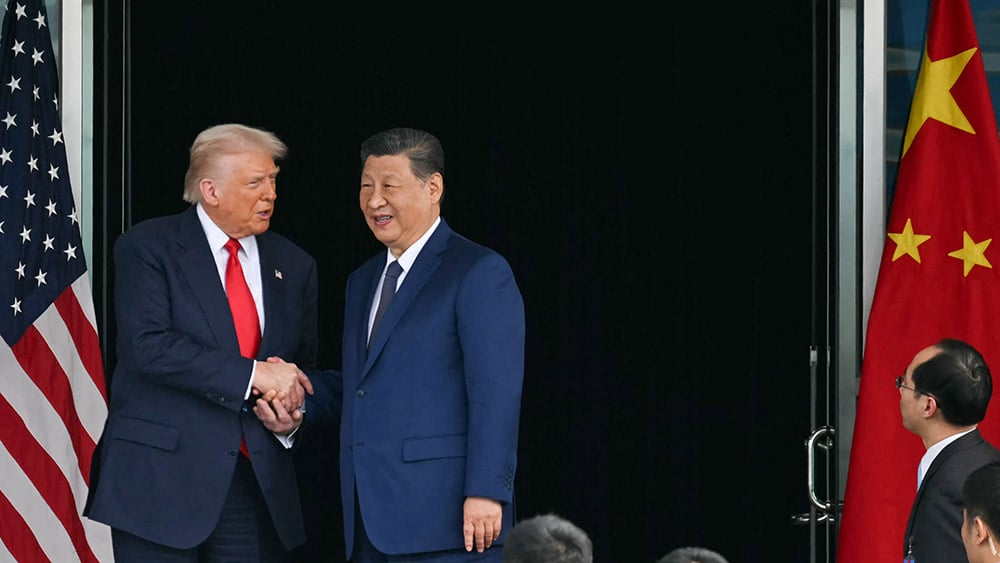
- Market Highs: The U.S. stock market reached new highs last week, primarily driven by news regarding Iran and the Trump-Xi summit, reflecting investor optimism about future economic prospects.
- Buying Opportunities: Stocks like Apple, Nvidia, and Boeing have entered buy zones, indicating increased market confidence in these tech and aerospace giants, which may attract more capital inflows.
- Geopolitical Impact: The meeting between Trump and Xi could influence U.S.-China relations, with investors closely monitoring related policy changes that may have far-reaching effects on the market.
- Investor Sentiment: As the market continues to rise, investor sentiment is buoyant, potentially leading to increased capital inflows into the stock market, further driving stock prices upward.
See More

Brazil's Azul Airlines Faces $204M Hit from Rising Fuel Prices


- Fuel Cost Pressure: Brazilian airline Azul expects a hit of about 1 billion reais ($204.15 million) from rising fuel prices, with fuel accounting for 30% of its total costs, significantly impacting its financial health.
- Post-Restructuring Challenge: Following a $2.5 billion debt reduction and restructuring, Azul faces its first major test, although the company believes it is better positioned than peers to absorb the impact of rising costs.
- Optimized Delivery Plans: Azul anticipates the delivery of four Embraer E2 jets and seven Airbus widebodies this year at more favorable prices than previous contracts, which will help mitigate the pressure from rising fuel costs.
- New CFO's Cost Control: New CFO Antonio Carlos Garcia focuses on strict cost discipline and improving cash flow, planning to relaunch the American Depositary Receipts (ADR) program by late May or early June to enhance the company's financial stability.
See More
Trump and Iran Reject Each Other's Peace Proposals Amid Ongoing Conflict
- Peace Proposal Rejection: Trump labeled Iran's peace proposal as 'totally unacceptable,' indicating deepening divisions between the two sides in resolving the conflict, which could lead to further escalation and negatively impact global market sentiment.
- Nuclear Material Dispute: Iran's offer to transfer some of its highly enriched uranium to a third country while refusing to dismantle its nuclear facilities demonstrates its hardline stance on nuclear issues, potentially exacerbating tensions with the U.S.
- Oil Price Fluctuations: Following Trump's rejection of Iran's proposal, Brent crude oil prices surged approximately 3.5% to over $104 per barrel, reflecting market sensitivity to Middle Eastern tensions and their potential impact on global energy supplies.
- Severe Conflict Consequences: The ongoing conflict has resulted in thousands of deaths across the Middle East and disrupted oil and gas markets, with soaring fuel prices exerting pressure on governments and consumers worldwide, while Trump faces political pressure to lower domestic gasoline prices.
See More
Trump Calls Iran's Response Unacceptable
- Response to Peace Offer: President Trump stated that Iran's reaction to the U.S. peace proposal is 'totally unacceptable,' indicating a significant escalation in tensions that could hinder future diplomatic negotiations and regional stability.
- Escalating Diplomatic Tensions: This statement may lead the U.S. to adopt a more aggressive stance towards Iran, further exacerbating tensions in the Middle East, which could impact global oil prices and market sentiment.
- Upcoming Summit: Against this backdrop, the upcoming Xi summit may serve as a crucial platform for discussing the Middle East situation, influencing the international community's perspective on the Iranian issue.
- Strategic Impact Assessment: Trump's hardline position may prompt allies to reassess their relationships with Iran, affecting future international cooperation and security policies, particularly regarding nuclear issues.
See More
Trump Calls Iran's Response Unacceptable
- Peace Offer Response: Trump stated that Iran's reaction to the U.S. peace proposal is 'totally unacceptable,' indicating a significant escalation in tensions that could hinder future diplomatic negotiations and regional stability.
- Summit Implications: Ahead of the upcoming Xi summit, Trump's remarks may affect diplomatic interactions with China, particularly in the context of increasingly complex U.S.-China relations.
- Geopolitical Ramifications: Trump's hardline stance could exacerbate the situation in the Middle East, increasing U.S. military and diplomatic pressures in the region, which may subsequently impact global oil prices and market sentiment.
- Domestic Political Strategy: Trump's comments may be aimed at solidifying his domestic support base, especially under election pressure, by leveraging a tough foreign policy stance to attract voter attention.
See More
U.S. Stock Market Peaks Amid Iran News and Trump-Xi Summit Focus
- Market Peaks: The U.S. stock market is currently at historical highs, primarily driven by news regarding Iran and the upcoming Trump-Xi summit, indicating investor optimism about future economic policies.
- Buying Opportunities: Stocks like Apple, Nvidia, and Boeing are identified as being in buy zones, reflecting strong market confidence in these tech and aerospace giants, which could lead to further price increases.
- Policy Impact: The Trump-Xi meeting may influence U.S.-China trade relations, with investors closely monitoring potential policy changes to assess their impact on the market, particularly in the tech and manufacturing sectors.
- Investor Sentiment: Positive market sentiment prevails as investors eagerly anticipate upcoming economic data and policy statements, which could further drive stock market gains and enhance overall market stability.
See More
U.S. Stocks Reach New Highs Amid Iran News and Trump-Xi Summit Focus
- Market Highs: The U.S. stock market reached new highs last week, primarily driven by news regarding Iran and the Trump-Xi summit, reflecting investor optimism about future economic prospects.
- Buying Opportunities: Stocks like Apple, Nvidia, and Boeing have entered buy zones, indicating increased market confidence in these tech and aerospace giants, which may attract more capital inflows.
- Geopolitical Impact: The meeting between Trump and Xi could influence U.S.-China relations, with investors closely monitoring related policy changes that may have far-reaching effects on the market.
- Investor Sentiment: As the market continues to rise, investor sentiment is buoyant, potentially leading to increased capital inflows into the stock market, further driving stock prices upward.
See More
Brazil's Azul Airlines Faces $204M Hit from Rising Fuel Prices
- Fuel Cost Pressure: Brazilian airline Azul expects a hit of about 1 billion reais ($204.15 million) from rising fuel prices, with fuel accounting for 30% of its total costs, significantly impacting its financial health.
- Post-Restructuring Challenge: Following a $2.5 billion debt reduction and restructuring, Azul faces its first major test, although the company believes it is better positioned than peers to absorb the impact of rising costs.
- Optimized Delivery Plans: Azul anticipates the delivery of four Embraer E2 jets and seven Airbus widebodies this year at more favorable prices than previous contracts, which will help mitigate the pressure from rising fuel costs.
- New CFO's Cost Control: New CFO Antonio Carlos Garcia focuses on strict cost discipline and improving cash flow, planning to relaunch the American Depositary Receipts (ADR) program by late May or early June to enhance the company's financial stability.
See More