How Is Ford Motor’s Stock Performance Compared to Other Auto Stocks?
Written by Emily J. Thompson, Senior Investment Analyst
Updated: Mar 11 2025
0mins

Source: NASDAQ.COM
Ford Motor Company Overview: Ford, valued at $39.5 billion, is a major player in the automobile industry, known for its trucks, SUVs, and luxury vehicles, along with financial services through Ford Credit. Despite recent earnings surpassing expectations, the company has faced stock declines and cautious analyst ratings due to projected fiscal challenges.
Stock Performance and Market Position: Ford's shares have dropped 32.9% from their 52-week high, lagging behind competitors like General Motors. While it has shown some short-term gains, analysts maintain a "Hold" rating with a modest price target, reflecting concerns about future performance amid market headwinds.
Trade with 70% Backtested Accuracy
Stop guessing "Should I Buy GM?" and start using high-conviction signals backed by rigorous historical data.
Sign up today to access powerful investing tools and make smarter, data-driven decisions.
Analyst Views on GM
Wall Street analysts forecast GM stock price to rise
19 Analyst Rating
14 Buy
4 Hold
1 Sell
Moderate Buy
Current: 76.000

Low
57.00
Averages
95.06
High
122.00
Current: 76.000
Low
57.00
Averages
95.06
High
122.00
About GM
General Motors Company designs, builds and sells trucks, crossovers, cars and automobile parts and provides software-enabled services and subscriptions worldwide. The Company's segments include GMNA, GMI and GM Financial. Its GM North America (GMNA) and GM International (GMI) segment develop, manufacture and/or markets vehicles under the Buick, Cadillac, Chevrolet and GMC brands. The Company's GM Financial segment provides automotive financing and related services. The Company is also focused on investing in electric vehicles (EVs) and autonomous vehicles (Avs), software-enabled services and subscriptions and new business opportunities. The Company's portfolio includes OnStar, GM Energy, GM Insurance, GM Genuine Parts, and the GM Company Store. Its OnStar portfolio offers safety, connectivity and hands-free driver assistance technologies. Its GM Energy provides Home EV Charging, Public EV Charging, Vehicle-To-Home and Energy Storage services.
About the author

Emily J. Thompson
Emily J. Thompson, a Chartered Financial Analyst (CFA) with 12 years in investment research, graduated with honors from the Wharton School. Specializing in industrial and technology stocks, she provides in-depth analysis for Intellectia’s earnings and market brief reports.
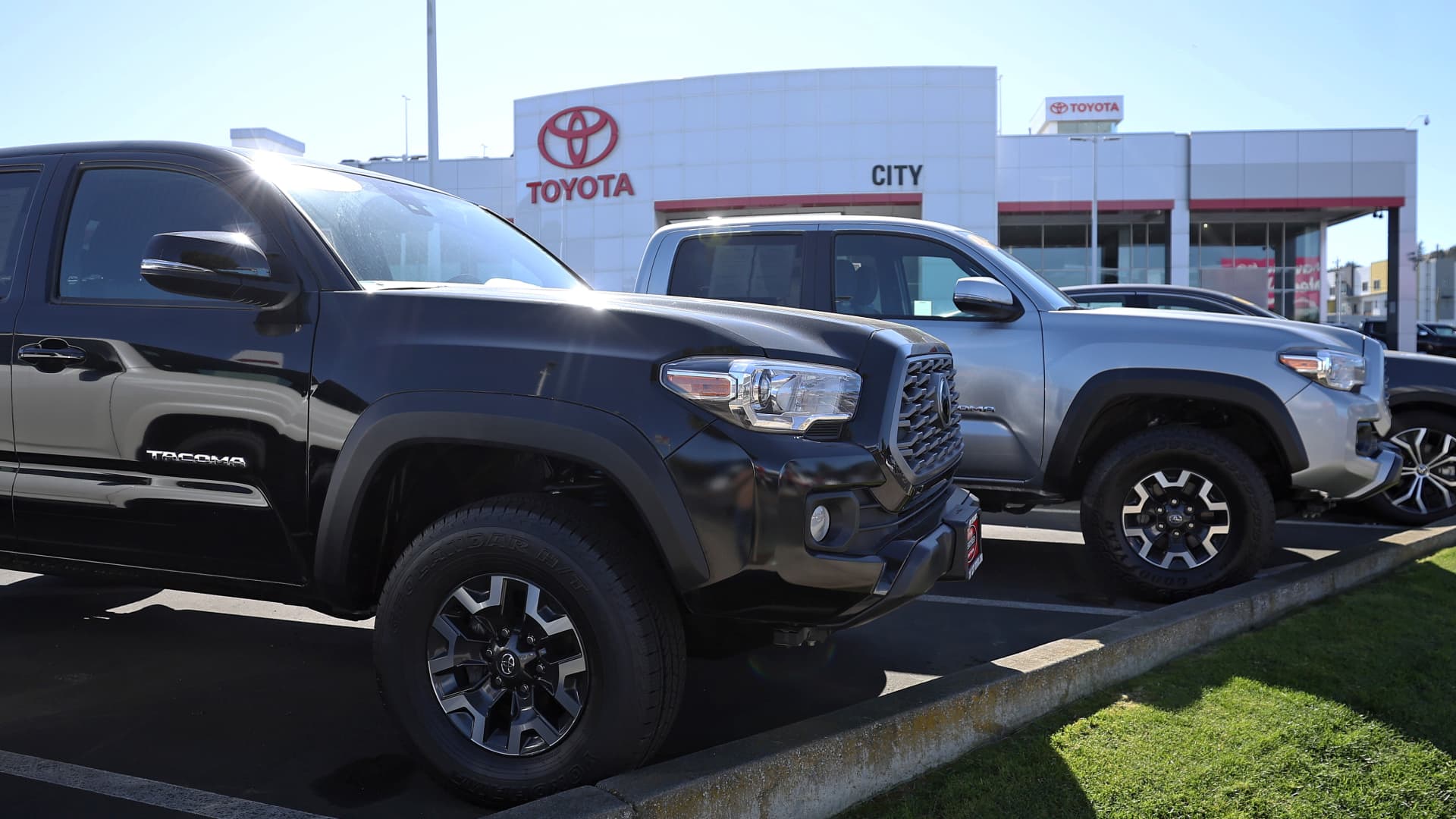
Toyota Invests $3.6 Billion to Move Tacoma Production to Texas


- Significant Investment: Toyota announced a $3.6 billion investment to relocate Tacoma production from Mexico to its San Antonio, Texas plant, which is expected to create 2,000 U.S. jobs, demonstrating strong confidence in the American market.
- Capacity Expansion: This investment will increase the San Antonio plant's annual capacity from 200,000 to 350,000 units, adding a second assembly line and roughly doubling the plant's size by 2030, further solidifying Toyota's manufacturing capabilities in North America.
- Competitive Market Advantage: This move aims to narrow the sales gap with America's largest automaker, General Motors, with forecasts suggesting that Toyota's sales will rise in 2024 due to the popularity of hybrid models, thereby enhancing its market position.
- Long-term Strategic Commitment: Toyota's total investment in the U.S. is expected to reach $10 billion, reflecting its long-term commitment to the North American market while showcasing its ongoing innovation and adaptability in the electric and hybrid vehicle sectors.
See More
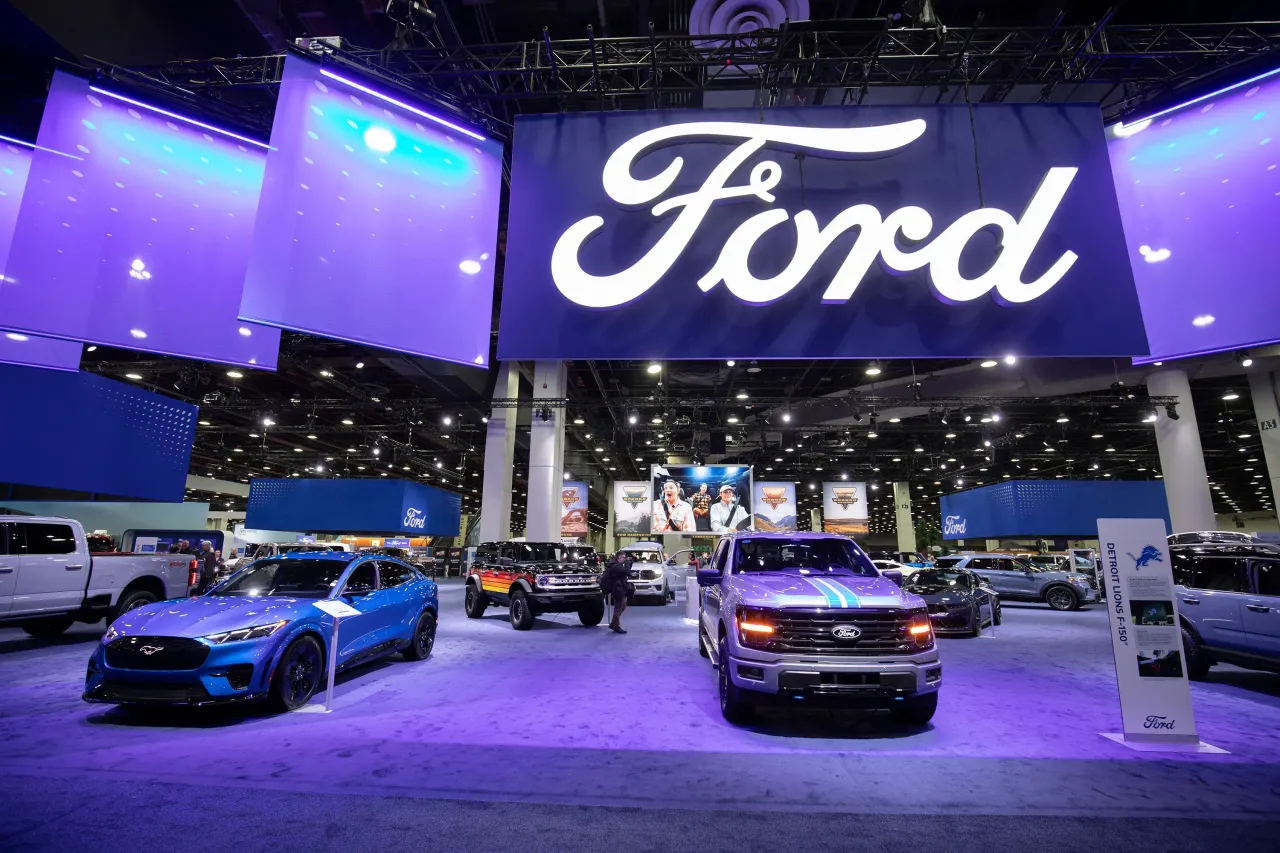
Micron and Ford Sign Long-Term Supply Agreement


- Agreement Signing: Micron and Ford have signed a long-term agreement to ensure a reliable supply of memory and storage solutions for Ford's next-generation vehicles, with Ford CEO Jim Farley emphasizing the need for a strong domestic supply chain to build high-volume vehicles in the U.S.
- Production Capacity Commitment: The pact includes Micron's commitment to expand production capacity to support Ford's manufacturing needs over many years, which will help ensure consistent support for Ford as vehicles become more intelligent and data-heavy.
- Positive Market Reaction: Following the announcement of the agreement, shares of Micron (MU) rose approximately 2% while Ford (F) shares increased by 4%, indicating a positive market response and reflecting investor confidence in future supply chain stability.
- Industry Context Analysis: Amid a shortage of memory chips driven by explosive demand from artificial intelligence, this agreement provides greater supply certainty for automakers like Ford and GM, helping them mitigate the impacts of past semiconductor shortages on production.
See More

Micron Technology and GM Forge Strategic Agreement for Memory Solutions
- Strategic Customer Agreement: On July 1, Micron Technology and General Motors signed a Strategic Customer Agreement to ensure a stable, long-term supply of memory and storage solutions essential for GM's large-scale vehicle manufacturing and delivery, enhancing collaboration in automotive and semiconductor supply chains.
- Deepening Technical Collaboration: The agreement not only secures dedicated supply but also involves joint development of future storage and memory technologies necessary for next-generation vehicles, covering system optimization and validation of cutting-edge memory technologies to promote U.S. production and innovation.
- Capital Investment Assurance: Micron's $2 billion investment to upgrade its Manassas, Virginia facility enhances supply guarantees and ensures undistorted product availability, addressing the growing demand for advanced storage and memory in AI-driven vehicles.
- Future Technology Validation: As vehicles transition to AI-led and software-based systems, GM will ensure the provision of certain products while validating future technologies, emphasizing the importance of storage and memory efficiency, scalability, and robustness for advanced features.
See More
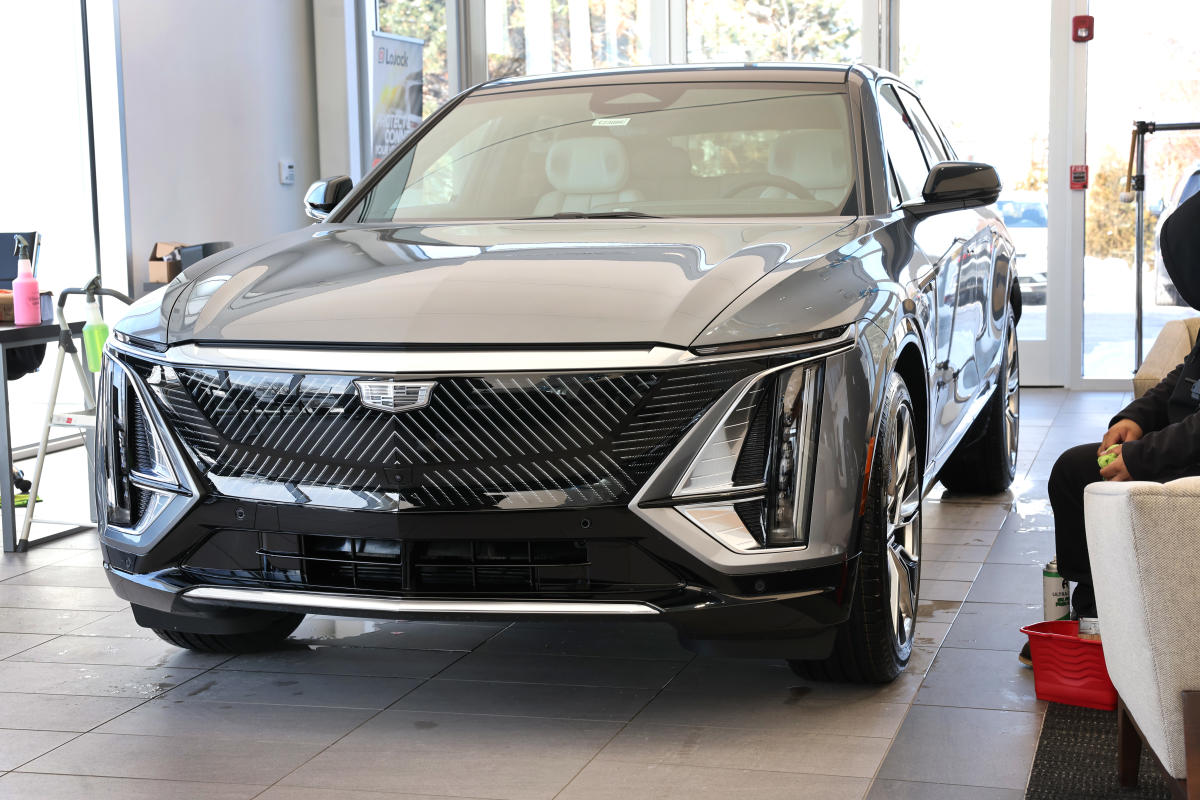
Investment Comparison: General Motors vs. Lucid Group
- GM Profitability: In FY 2025, General Motors reported nearly $185 billion in revenue, a slight 1.3% decrease year-over-year, yet achieved a net income of approximately $2.7 billion, demonstrating profitability and market stability during heavy capital investments.
- Lucid Growth Potential: Lucid generated nearly $1.4 billion in revenue in FY 2025, reflecting a significant growth rate of 67.6%, but reported a net loss of close to $2.7 billion, resulting in a negative net margin of approximately 199.3%, highlighting the intense competition and high-risk nature of the luxury EV market.
- Financial Health Comparison: As of December 2025, GM's current ratio stood at 1.2 and its debt-to-equity ratio at 2.1, indicating strong short-term debt coverage; in contrast, Lucid's current ratio was 1.02 with a debt-to-equity ratio of 4.05, suggesting a more vulnerable financial structure.
- Market Competition and Challenges: GM faces fierce competition from Tesla and declining profitability in China, while Lucid has implemented an 18% workforce reduction due to production delays and significant operating losses, illustrating the distinct challenges and strategies each company faces in their respective markets.
See More
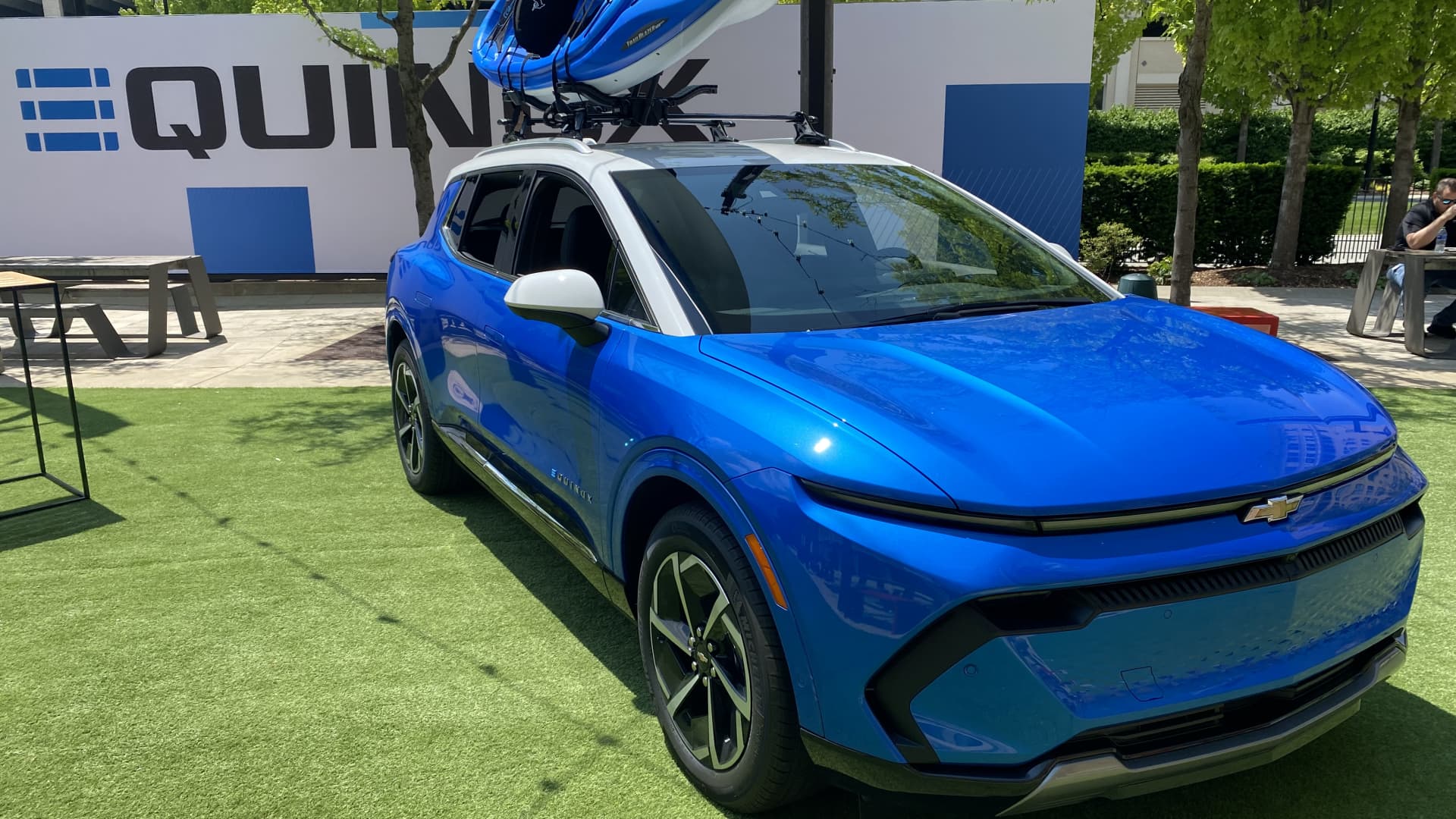
General Motors vs. Lucid: A Clash of Automotive Eras
- Market Advantage of GM: General Motors achieved nearly $185 billion in revenue for FY 2025, despite a slight 1.3% year-over-year decline, maintaining a net income of approximately $2.7 billion, which underscores its profitability and market leadership during a period of heavy capital investment.
- Lucid's Growth Potential: Lucid generated nearly $1.4 billion in revenue for FY 2025, reflecting a significant growth rate of 67.6%, yet faced a net loss of close to $2.7 billion, highlighting the tension between its expansion in the luxury EV market and profitability.
- Risks and Challenges: GM faces legal scrutiny following a settlement with the FTC, alongside declining profitability in China, while Lucid is grappling with financial distress due to an 18% workforce reduction and production delays, illustrating the differing risk profiles in their market competition.
- Valuation Comparison: GM's forward P/E ratio stands at 5.9x, significantly lower than the sector benchmark, while Lucid's P/S ratio is at 1.6x, indicating GM's appeal as a more conservative value investment choice.
See More
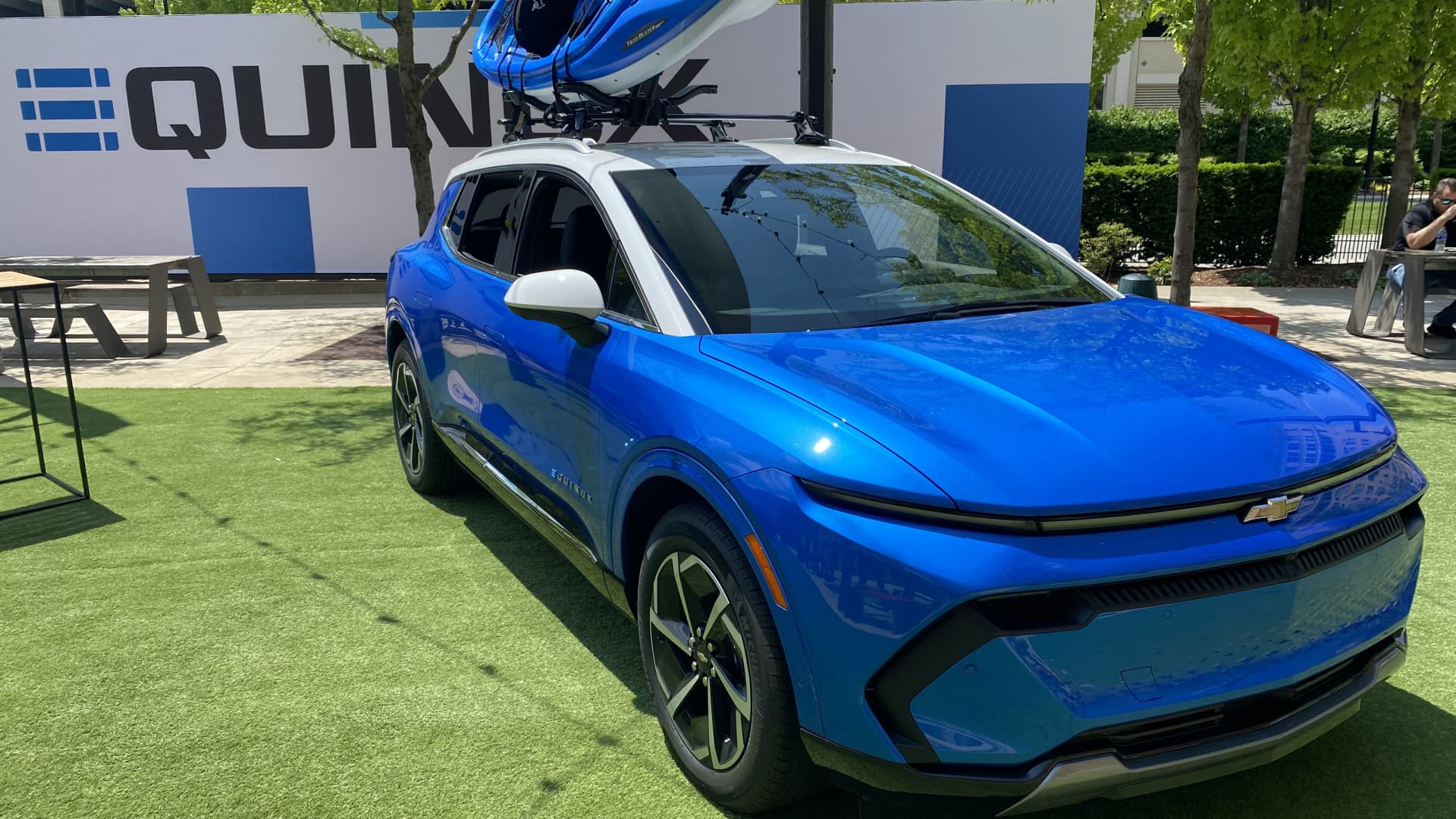
GM Layoffs and Robot Rollout Spark Controversy
- Layoffs and Tech Introduction: General Motors has laid off over 1,000 workers at its Factory ZERO assembly plant in Detroit while introducing 50 AI-powered collaborative robots; although the company claims the layoffs are unrelated to the robots, the timing has drawn strong criticism from the United Auto Workers, highlighting the human cost of automation.
- Union Opposition: UAW leaders warn that AI should enhance jobs and productivity rather than leave workers behind, expressing concerns over the timing of the layoffs and technology introduction, which may exacerbate unemployment issues among workers.
- Investment in Technology and Quality Improvement: GM is significantly expanding its investment in artificial intelligence and factory automation, planning to develop robotic systems capable of learning and predicting maintenance needs at its Autonomous Robotics Center in Warren, Michigan, aiming to enhance manufacturing quality and efficiency.
- Industry Uncertainty: Despite GM's hopes of improving production efficiency through automation, doubts about AI's ability to consistently deliver quality improvements persist, especially in light of competitor Ford rehiring employees due to unmet expectations from AI-driven quality control, posing risks for investors.
See More
Toyota Invests $3.6 Billion to Move Tacoma Production to Texas
- Significant Investment: Toyota announced a $3.6 billion investment to relocate Tacoma production from Mexico to its San Antonio, Texas plant, which is expected to create 2,000 U.S. jobs, demonstrating strong confidence in the American market.
- Capacity Expansion: This investment will increase the San Antonio plant's annual capacity from 200,000 to 350,000 units, adding a second assembly line and roughly doubling the plant's size by 2030, further solidifying Toyota's manufacturing capabilities in North America.
- Competitive Market Advantage: This move aims to narrow the sales gap with America's largest automaker, General Motors, with forecasts suggesting that Toyota's sales will rise in 2024 due to the popularity of hybrid models, thereby enhancing its market position.
- Long-term Strategic Commitment: Toyota's total investment in the U.S. is expected to reach $10 billion, reflecting its long-term commitment to the North American market while showcasing its ongoing innovation and adaptability in the electric and hybrid vehicle sectors.
See More
Micron and Ford Sign Long-Term Supply Agreement
- Agreement Signing: Micron and Ford have signed a long-term agreement to ensure a reliable supply of memory and storage solutions for Ford's next-generation vehicles, with Ford CEO Jim Farley emphasizing the need for a strong domestic supply chain to build high-volume vehicles in the U.S.
- Production Capacity Commitment: The pact includes Micron's commitment to expand production capacity to support Ford's manufacturing needs over many years, which will help ensure consistent support for Ford as vehicles become more intelligent and data-heavy.
- Positive Market Reaction: Following the announcement of the agreement, shares of Micron (MU) rose approximately 2% while Ford (F) shares increased by 4%, indicating a positive market response and reflecting investor confidence in future supply chain stability.
- Industry Context Analysis: Amid a shortage of memory chips driven by explosive demand from artificial intelligence, this agreement provides greater supply certainty for automakers like Ford and GM, helping them mitigate the impacts of past semiconductor shortages on production.
See More
Micron Technology and GM Forge Strategic Agreement for Memory Solutions
- Strategic Customer Agreement: On July 1, Micron Technology and General Motors signed a Strategic Customer Agreement to ensure a stable, long-term supply of memory and storage solutions essential for GM's large-scale vehicle manufacturing and delivery, enhancing collaboration in automotive and semiconductor supply chains.
- Deepening Technical Collaboration: The agreement not only secures dedicated supply but also involves joint development of future storage and memory technologies necessary for next-generation vehicles, covering system optimization and validation of cutting-edge memory technologies to promote U.S. production and innovation.
- Capital Investment Assurance: Micron's $2 billion investment to upgrade its Manassas, Virginia facility enhances supply guarantees and ensures undistorted product availability, addressing the growing demand for advanced storage and memory in AI-driven vehicles.
- Future Technology Validation: As vehicles transition to AI-led and software-based systems, GM will ensure the provision of certain products while validating future technologies, emphasizing the importance of storage and memory efficiency, scalability, and robustness for advanced features.
See More
Investment Comparison: General Motors vs. Lucid Group
- GM Profitability: In FY 2025, General Motors reported nearly $185 billion in revenue, a slight 1.3% decrease year-over-year, yet achieved a net income of approximately $2.7 billion, demonstrating profitability and market stability during heavy capital investments.
- Lucid Growth Potential: Lucid generated nearly $1.4 billion in revenue in FY 2025, reflecting a significant growth rate of 67.6%, but reported a net loss of close to $2.7 billion, resulting in a negative net margin of approximately 199.3%, highlighting the intense competition and high-risk nature of the luxury EV market.
- Financial Health Comparison: As of December 2025, GM's current ratio stood at 1.2 and its debt-to-equity ratio at 2.1, indicating strong short-term debt coverage; in contrast, Lucid's current ratio was 1.02 with a debt-to-equity ratio of 4.05, suggesting a more vulnerable financial structure.
- Market Competition and Challenges: GM faces fierce competition from Tesla and declining profitability in China, while Lucid has implemented an 18% workforce reduction due to production delays and significant operating losses, illustrating the distinct challenges and strategies each company faces in their respective markets.
See More
General Motors vs. Lucid: A Clash of Automotive Eras
- Market Advantage of GM: General Motors achieved nearly $185 billion in revenue for FY 2025, despite a slight 1.3% year-over-year decline, maintaining a net income of approximately $2.7 billion, which underscores its profitability and market leadership during a period of heavy capital investment.
- Lucid's Growth Potential: Lucid generated nearly $1.4 billion in revenue for FY 2025, reflecting a significant growth rate of 67.6%, yet faced a net loss of close to $2.7 billion, highlighting the tension between its expansion in the luxury EV market and profitability.
- Risks and Challenges: GM faces legal scrutiny following a settlement with the FTC, alongside declining profitability in China, while Lucid is grappling with financial distress due to an 18% workforce reduction and production delays, illustrating the differing risk profiles in their market competition.
- Valuation Comparison: GM's forward P/E ratio stands at 5.9x, significantly lower than the sector benchmark, while Lucid's P/S ratio is at 1.6x, indicating GM's appeal as a more conservative value investment choice.
See More
GM Layoffs and Robot Rollout Spark Controversy
- Layoffs and Tech Introduction: General Motors has laid off over 1,000 workers at its Factory ZERO assembly plant in Detroit while introducing 50 AI-powered collaborative robots; although the company claims the layoffs are unrelated to the robots, the timing has drawn strong criticism from the United Auto Workers, highlighting the human cost of automation.
- Union Opposition: UAW leaders warn that AI should enhance jobs and productivity rather than leave workers behind, expressing concerns over the timing of the layoffs and technology introduction, which may exacerbate unemployment issues among workers.
- Investment in Technology and Quality Improvement: GM is significantly expanding its investment in artificial intelligence and factory automation, planning to develop robotic systems capable of learning and predicting maintenance needs at its Autonomous Robotics Center in Warren, Michigan, aiming to enhance manufacturing quality and efficiency.
- Industry Uncertainty: Despite GM's hopes of improving production efficiency through automation, doubts about AI's ability to consistently deliver quality improvements persist, especially in light of competitor Ford rehiring employees due to unmet expectations from AI-driven quality control, posing risks for investors.
See More