How Is Charles Schwab's Stock Performance Compared to Other Capital Market Stocks?
Written by Emily J. Thompson, Senior Investment Analyst
Updated: Mar 04 2025
0mins


Source: NASDAQ.COM
Company Overview: The Charles Schwab Corporation, a large-cap financial services firm based in Westlake, Texas, offers a range of wealth management and brokerage services and has a market cap of $136.3 billion. It is recognized for its low-cost trading and strong market position in discount brokerage and retirement planning.
Stock Performance: Despite a recent 5.9% surge following strong Q4 earnings, SCHW's stock has declined 11.1% from its 52-week high and lags behind competitors like Morgan Stanley over the past year. Analysts maintain a "Moderate Buy" rating with a price target suggesting a potential upside.
Trade with 70% Backtested Accuracy
Stop guessing "Should I Buy SCHW?" and start using high-conviction signals backed by rigorous historical data.
Sign up today to access powerful investing tools and make smarter, data-driven decisions.
Analyst Views on SCHW
Wall Street analysts forecast SCHW stock price to rise
16 Analyst Rating
14 Buy
1 Hold
1 Sell
Strong Buy
Current: 95.780

Low
91.00
Averages
116.64
High
148.00
Current: 95.780
Low
91.00
Averages
116.64
High
148.00
About SCHW
The Charles Schwab Corporation is a savings and loan holding company. The Company, through its subsidiaries, engages in wealth management, securities brokerage, banking, asset management, custody, and financial advisory services. The Company provides financial services to individuals and institutional clients through two segments: Investor Services, and Advisor Services. The Investor Services segment provides retail brokerage, investment advisory, and banking and trust services to individual investors, and retirement plan and business services, as well as other corporate brokerage services, to businesses and their employees. The Advisor Services segment provides custodial, trading, banking and trust, and support services to independent registered investment advisors (RIAs), independent retirement advisors, and recordkeepers. Its products and services include brokerage, mutual funds, exchange-traded funds (ETFs), managed investing solutions, alternative investments, banking, and trust.
About the author

Emily J. Thompson
Emily J. Thompson, a Chartered Financial Analyst (CFA) with 12 years in investment research, graduated with honors from the Wharton School. Specializing in industrial and technology stocks, she provides in-depth analysis for Intellectia’s earnings and market brief reports.

Trump Accounts Gain Support from Major Companies


- Increased Corporate Support: Major companies, including Goldman Sachs and Morgan Stanley, have pledged to match the federal $1,000 contribution for employees' children’s Trump Accounts, aiming to promote early wealth accumulation and enhance financial security for families.
- Government Funding Initiative: The U.S. Treasury provides a $1,000 initial deposit for tax-deferred Trump Accounts opened for children born between 2025 and 2028, further incentivizing family investment and promoting wealth management for children.
- Additional Funding Opportunities: Children born between 2016 and 2024 may qualify for a $250 contribution if they live in areas with a median income of $150,000 or less, stemming from a $6.25 billion pledge by tech CEO Michael Dell and his wife.
- Innovative Philanthropic Model: Altimeter Capital CEO Brad Gerstner noted that the launch of Trump Accounts unlocks a new form of philanthropy, with expectations of more companies joining in, and many announcements to follow, further promoting the adoption of children’s investment accounts.
See More
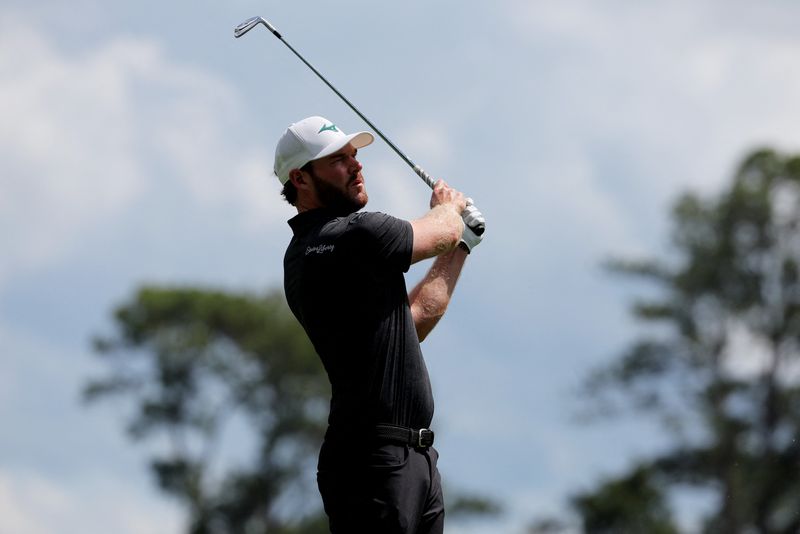
Samantha Schwab to Advise Federal Reserve Chair Kevin Warsh

- Personnel Change: Samantha Schwab is set to become an adviser to Federal Reserve Chair Kevin Warsh, having previously served as principal deputy chief of staff to Treasury Secretary Scott Bessent, indicating her growing influence in financial policy.
- Background Information: Schwab joined the Treasury Department in January 2025 and has prior experience in the White House during President Trump's first term, suggesting that her extensive government experience could positively impact the Fed's decision-making processes.
- Family Background: As the granddaughter of billionaire Charles Schwab, founder of the brokerage firm bearing his name, her family ties may add an extra layer of attention to her career in finance.
- Future Outlook: While it remains unclear when Schwab will begin her role at the Fed, her appointment could influence the Fed's communication strategies and policy directions, particularly in the current economic climate.
See More

Federal Reserve Rate Hike Expectations Rise

- Inflation Data Surprises: The Personal Consumption Expenditures Price Index revealed a 4.1% year-over-year increase in May, with a 3.4% rise excluding food and energy, both significantly above the Fed's 2% target, potentially forcing an earlier rate hike to combat persistent inflation.
- Strong Labor Market: An average of over 188,000 net jobs added monthly over the past three months indicates a resilient labor market, providing the Fed with the confidence to raise rates, suggesting that the economy can withstand higher interest rates.
- Market Rate Hike Expectations: Futures markets are pricing in a 63% chance of a rate hike at the September meeting, with an 80% likelihood of a higher benchmark rate in a year, reflecting strong investor sentiment regarding future rate increases that could impact overall market dynamics.
- Financial Stocks Benefit: Rising interest rates will likely widen the net interest margins for major banks like JPMorgan Chase and Bank of America, boosting profits; the Financial Select Sector SPDR ETF has risen 4.2% in the past month, outperforming the broader market, indicating potential gains for financial stocks in a higher rate environment.
See More
Fed Rate Hike Expectations Boost Financial Stocks
- Rate Hike Expectations: The futures market indicates a 63% chance that the Fed will raise rates at the September meeting, which will widen the net interest margins for financial institutions like JPMorgan Chase and Bank of America, enhancing their profitability and reflecting market optimism towards financial stocks.
- Strong Financial Stock Performance: Over the past month, the State Street Financial Select Sector SPDR ETF, which tracks the S&P 500 financial sector, has risen approximately 4.2%, while the broader S&P 500 index has declined about 2%, showcasing the robust performance of financial stocks amid rising rate expectations.
- Increased Earnings for Insurers: As interest rates rise, insurance companies can invest premiums at higher yields, benefiting firms like Berkshire Hathaway and Allstate, which will enhance returns on their investment portfolios.
- Brokerage Profit Growth: Brokerages such as LPL Financial and Charles Schwab will earn more on the substantial cash held for clients, as they invest this cash in short-term securities that are most sensitive to Fed rate hikes, likely driving their profit growth.
See More
Significant Retirement Savings Gap Revealed
- Retirement Target Setting: Charles Schwab has set the 2025 retirement target at $1.6 million, yet the median savings for those aged 55 to 64 is only $205,341, which is roughly one-eighth of that target, highlighting a significant shortfall in retirement preparedness among Americans.
- Declining Savings Rate: Despite disposable income rising from $63,638 to $68,391, the personal savings rate has dropped from 6.2% to 3.7%, indicating that consumption is outpacing income growth, which exacerbates the savings challenge.
- Advantage of Continuous Investment: Workers who contributed continuously for 15 years averaged a 401(k) balance of $613,200, demonstrating the importance of staying invested through market cycles, significantly outperforming the average balance of $304,200 for those who invested for only five years.
- Contribution Limits and Goals: The 2026 employee 401(k) contribution limit is set at $24,500, with additional catch-up contributions for those aged 50 and above, emphasizing the necessity of increasing savings to close the gap towards the $1.6 million target.
See More

Federal Reserve Stress Tests Show Strong Bank Performance
- Stress Test Results: The Federal Reserve's stress tests on 32 major banks revealed that all institutions maintained sufficient capital to withstand hypothetical extreme economic scenarios, capable of absorbing losses up to $708 billion, indicating their strong resilience during economic downturns.
- Leading Bank Performance: Charles Schwab achieved a stressed ratio exceeding 32%, significantly above the safe range of 9% to 12%, showcasing its exceptional risk management capabilities and further solidifying its market leadership.
- Shareholder Return Expectations: With the Fed freezing the 'stress capital buffer' requirements, banks will have more capital available for dividend increases and expanded share buyback programs, likely resulting in substantial returns for investors and driving stock prices higher.
- Economic Health Indicator: Despite macroeconomic challenges, the robust performance of banks signals that the economy is still functioning well, with ongoing credit supply and capital flow supporting households and businesses, thereby enhancing market confidence.
See More
Trump Accounts Gain Support from Major Companies
- Increased Corporate Support: Major companies, including Goldman Sachs and Morgan Stanley, have pledged to match the federal $1,000 contribution for employees' children’s Trump Accounts, aiming to promote early wealth accumulation and enhance financial security for families.
- Government Funding Initiative: The U.S. Treasury provides a $1,000 initial deposit for tax-deferred Trump Accounts opened for children born between 2025 and 2028, further incentivizing family investment and promoting wealth management for children.
- Additional Funding Opportunities: Children born between 2016 and 2024 may qualify for a $250 contribution if they live in areas with a median income of $150,000 or less, stemming from a $6.25 billion pledge by tech CEO Michael Dell and his wife.
- Innovative Philanthropic Model: Altimeter Capital CEO Brad Gerstner noted that the launch of Trump Accounts unlocks a new form of philanthropy, with expectations of more companies joining in, and many announcements to follow, further promoting the adoption of children’s investment accounts.
See More
Samantha Schwab to Advise Federal Reserve Chair Kevin Warsh
- Personnel Change: Samantha Schwab is set to become an adviser to Federal Reserve Chair Kevin Warsh, having previously served as principal deputy chief of staff to Treasury Secretary Scott Bessent, indicating her growing influence in financial policy.
- Background Information: Schwab joined the Treasury Department in January 2025 and has prior experience in the White House during President Trump's first term, suggesting that her extensive government experience could positively impact the Fed's decision-making processes.
- Family Background: As the granddaughter of billionaire Charles Schwab, founder of the brokerage firm bearing his name, her family ties may add an extra layer of attention to her career in finance.
- Future Outlook: While it remains unclear when Schwab will begin her role at the Fed, her appointment could influence the Fed's communication strategies and policy directions, particularly in the current economic climate.
See More
Federal Reserve Rate Hike Expectations Rise
- Inflation Data Surprises: The Personal Consumption Expenditures Price Index revealed a 4.1% year-over-year increase in May, with a 3.4% rise excluding food and energy, both significantly above the Fed's 2% target, potentially forcing an earlier rate hike to combat persistent inflation.
- Strong Labor Market: An average of over 188,000 net jobs added monthly over the past three months indicates a resilient labor market, providing the Fed with the confidence to raise rates, suggesting that the economy can withstand higher interest rates.
- Market Rate Hike Expectations: Futures markets are pricing in a 63% chance of a rate hike at the September meeting, with an 80% likelihood of a higher benchmark rate in a year, reflecting strong investor sentiment regarding future rate increases that could impact overall market dynamics.
- Financial Stocks Benefit: Rising interest rates will likely widen the net interest margins for major banks like JPMorgan Chase and Bank of America, boosting profits; the Financial Select Sector SPDR ETF has risen 4.2% in the past month, outperforming the broader market, indicating potential gains for financial stocks in a higher rate environment.
See More
Fed Rate Hike Expectations Boost Financial Stocks
- Rate Hike Expectations: The futures market indicates a 63% chance that the Fed will raise rates at the September meeting, which will widen the net interest margins for financial institutions like JPMorgan Chase and Bank of America, enhancing their profitability and reflecting market optimism towards financial stocks.
- Strong Financial Stock Performance: Over the past month, the State Street Financial Select Sector SPDR ETF, which tracks the S&P 500 financial sector, has risen approximately 4.2%, while the broader S&P 500 index has declined about 2%, showcasing the robust performance of financial stocks amid rising rate expectations.
- Increased Earnings for Insurers: As interest rates rise, insurance companies can invest premiums at higher yields, benefiting firms like Berkshire Hathaway and Allstate, which will enhance returns on their investment portfolios.
- Brokerage Profit Growth: Brokerages such as LPL Financial and Charles Schwab will earn more on the substantial cash held for clients, as they invest this cash in short-term securities that are most sensitive to Fed rate hikes, likely driving their profit growth.
See More
Significant Retirement Savings Gap Revealed
- Retirement Target Setting: Charles Schwab has set the 2025 retirement target at $1.6 million, yet the median savings for those aged 55 to 64 is only $205,341, which is roughly one-eighth of that target, highlighting a significant shortfall in retirement preparedness among Americans.
- Declining Savings Rate: Despite disposable income rising from $63,638 to $68,391, the personal savings rate has dropped from 6.2% to 3.7%, indicating that consumption is outpacing income growth, which exacerbates the savings challenge.
- Advantage of Continuous Investment: Workers who contributed continuously for 15 years averaged a 401(k) balance of $613,200, demonstrating the importance of staying invested through market cycles, significantly outperforming the average balance of $304,200 for those who invested for only five years.
- Contribution Limits and Goals: The 2026 employee 401(k) contribution limit is set at $24,500, with additional catch-up contributions for those aged 50 and above, emphasizing the necessity of increasing savings to close the gap towards the $1.6 million target.
See More
Federal Reserve Stress Tests Show Strong Bank Performance
- Stress Test Results: The Federal Reserve's stress tests on 32 major banks revealed that all institutions maintained sufficient capital to withstand hypothetical extreme economic scenarios, capable of absorbing losses up to $708 billion, indicating their strong resilience during economic downturns.
- Leading Bank Performance: Charles Schwab achieved a stressed ratio exceeding 32%, significantly above the safe range of 9% to 12%, showcasing its exceptional risk management capabilities and further solidifying its market leadership.
- Shareholder Return Expectations: With the Fed freezing the 'stress capital buffer' requirements, banks will have more capital available for dividend increases and expanded share buyback programs, likely resulting in substantial returns for investors and driving stock prices higher.
- Economic Health Indicator: Despite macroeconomic challenges, the robust performance of banks signals that the economy is still functioning well, with ongoing credit supply and capital flow supporting households and businesses, thereby enhancing market confidence.
See More