Healthcare Stocks to Invest in During Economic Downturns
Written by Emily J. Thompson, Senior Investment Analyst
Updated: Mar 11 2026
0mins

Should l Buy CVS?
Source: NASDAQ.COM
- CVS Health's Resilience: With over 9,000 locations across the U.S., CVS Health's diversified healthcare services, including pharmacy, primary care, and health insurance, are expected to maintain stable earnings during economic downturns, despite challenges in cost control within its Medicare Advantage business.
- Attractive Dividend Growth: CVS Health offers a dividend yield of 3.4%, significantly higher than the S&P 500's 1.2%, and has increased its dividend by 56.5% over the past decade, highlighting its appeal amid economic uncertainty.
- Gilead Sciences' Product Portfolio: As a leading biotech firm, Gilead Sciences is renowned for its top HIV medications, and while recent sales growth has been sluggish, its robust pipeline, particularly in oncology, is anticipated to drive future sales growth.
- Strong Dividend Policy: Gilead Sciences boasts a forward dividend yield exceeding 2.3%, with a remarkable 90.7% increase in dividends over the past decade, making it a solid anchor for a diversified portfolio during tough economic times.
Trade with 70% Backtested Accuracy
Stop guessing "Should I Buy CVS?" and start using high-conviction signals backed by rigorous historical data.
Sign up today to access powerful investing tools and make smarter, data-driven decisions.
Analyst Views on CVS
Wall Street analysts forecast CVS stock price to rise
17 Analyst Rating
16 Buy
1 Hold
0 Sell
Strong Buy
Current: 72.490

Low
91.00
Averages
96.71
High
105.00
Current: 72.490
Low
91.00
Averages
96.71
High
105.00
About CVS
CVS Health Corporation is a health solutions company. The Company's segments include Health Care Benefits, Health Services, Pharmacy & Consumer Wellness and Corporate/Other. The Health Care Benefits segment offers a broad range of traditional, voluntary and consumer-directed health insurance products and related services, including medical, pharmacy, dental and behavioral health plans, PDPs and Medicaid health care management services. The Health Services segment provides a full range of pharmacy benefit management (PBM) solutions through its CVS Caremark operations and delivers health care services in its medical clinics, virtually, and in the home. The Pharmacy & Consumer Wellness segment dispenses prescriptions in its CVS Pharmacy retail locations and, through its infusion operations, provides ancillary pharmacy services including pharmacy patient care programs, and vaccination administration, and sells a wide assortment of health and wellness products and general merchandise.
About the author

Emily J. Thompson
Emily J. Thompson, a Chartered Financial Analyst (CFA) with 12 years in investment research, graduated with honors from the Wharton School. Specializing in industrial and technology stocks, she provides in-depth analysis for Intellectia’s earnings and market brief reports.

Five-Year Investment Analysis of CVS Health
- Investment Return Comparison: Investing $100 in CVS Health five years ago would yield approximately $108.11 today, reflecting a mere 1.6% annual growth rate, significantly lagging behind the S&P 500's 11% growth, indicating CVS's limited investment appeal.
- Revenue Growth Performance: CVS reported an 8.2% year-over-year revenue growth in Q4, with a full-year growth of 7.8%, but rising costs and shrinking profit margins pose challenges that could hinder future performance.
- Dividend Yield Analysis: With a dividend yield of 3.8%, CVS provides a stable income source; however, compared to faster-growing companies, its attractiveness may be limited, prompting investors to consider alternatives carefully.
- Market Competition Pressure: Despite CVS's established position in healthcare, analysts highlight the presence of more promising investment options, as CVS did not make the Motley Fool's list of the top 10 stocks, reflecting its relative disadvantage.
See More

Investment Return Analysis of CVS Health
- Investment Return Comparison: Investing $100 in CVS Health five years ago would yield approximately $108.11 today, reflecting a mere 1.6% average annual growth, significantly trailing the S&P 500's 11% average, indicating CVS's underperformance relative to the broader market.
- Revenue Growth Performance: CVS reported an 8.2% year-over-year revenue growth in Q4 and a 7.8% full-year growth, showcasing substantial growth; however, the company faces challenges in maintaining profit margins, highlighting the difficulty in balancing growth and profitability.
- Market Challenges: CVS's Aetna business plays a crucial role in Medicare Advantage plans, yet these plans are not expected to see significant rate increases this year, potentially impacting future revenue growth and reflecting competitive pressures in the market.
- Dividend Yield Analysis: With a current dividend yield of 3.8%, CVS offers a stable income source; however, investors should be aware of faster-growing companies and higher-yielding dividend stocks available in the market, necessitating careful selection to optimize their portfolios.
See More

Healthcare Stocks Performance in Economic Recession

- Defensive Healthcare Advantage: Large-cap healthcare stocks like Johnson & Johnson and CVS Health exhibit strong performance during economic downturns, with low beta values (0.33 for JNJ and 0.46 for CVS) indicating smaller losses during market declines, thus providing a stable income source for risk-averse investors.
- Rising Recession Risks: The ongoing conflict in Iran has led to soaring energy and food prices, increasing the risk of a global economic recession, prompting investors to gravitate towards healthcare stocks to mitigate potential market volatility and uncertainty.
- High-Risk, High-Reward Strategy: Smaller healthcare companies such as Grail and Viking Therapeutics present high-risk, high-reward investment opportunities; despite Grail's multi-cancer early detection test failing to meet primary endpoints, follow-up data could potentially shift market perceptions positively.
- Portfolio Diversification: In light of increasing economic uncertainty, building a diversified portfolio of small healthcare companies can effectively mitigate stock-specific risks, particularly those reliant on clinical trial outcomes, which may offer potential returns amidst market fluctuations.
See More

Iran Conflict Raises Recession Risks Amid Inflation
- Recession Risk: The ongoing conflict in Iran is causing inflationary pressures from soaring energy and food prices, complicating global economic challenges and increasing investor interest in healthcare stocks as a defensive measure.
- Defensive Healthcare Stocks: Large-cap pharmaceutical company Johnson & Johnson (JNJ) and integrated healthcare company CVS Health are viewed as defensive stocks, with JNJ's beta at 0.33 and CVS at 0.46, indicating their relative stability during economic downturns.
- Opportunities in Small-Cap Stocks: Investors may consider small- and mid-cap healthcare companies whose growth relies on binary events like clinical trial results, as successful firms can offset losses from others, despite the inherent risks.
- Investment Strategy Choices: Risk-averse investors may prefer low-beta defensive stocks, while risk-seeking investors might opt for high-risk, high-reward healthcare stocks to navigate potential recessionary pressures.
See More

U.S. Adds 178K Jobs in March, Unemployment Rate Dips to 4.3%

- Labor Market Recovery: The U.S. added 178,000 nonfarm jobs in March, significantly surpassing the Dow Jones estimate of 59,000, indicating signs of economic recovery despite the persistent slow-growth trend.
- Sector Growth Highlights: The healthcare sector was the largest contributor, adding 76,000 jobs, with 54,000 coming from returning workers post-strike, suggesting a rebound in this sector after facing short-term challenges.
- Unemployment Rate Changes: Although the unemployment rate dipped slightly to 4.3%, the labor force participation rate fell to 61.9% due to a decline of 396,000 individuals, reflecting underlying pressures in the job market.
- Wage Growth Slowdown: Average hourly earnings rose by only 0.2% in March, with a year-over-year increase of 3.5%, both below expectations, indicating that sluggish wage growth may impact consumer spending and overall economic growth.
See More
Wegovy Pill Shows Superior Weight Loss Over Foundayo


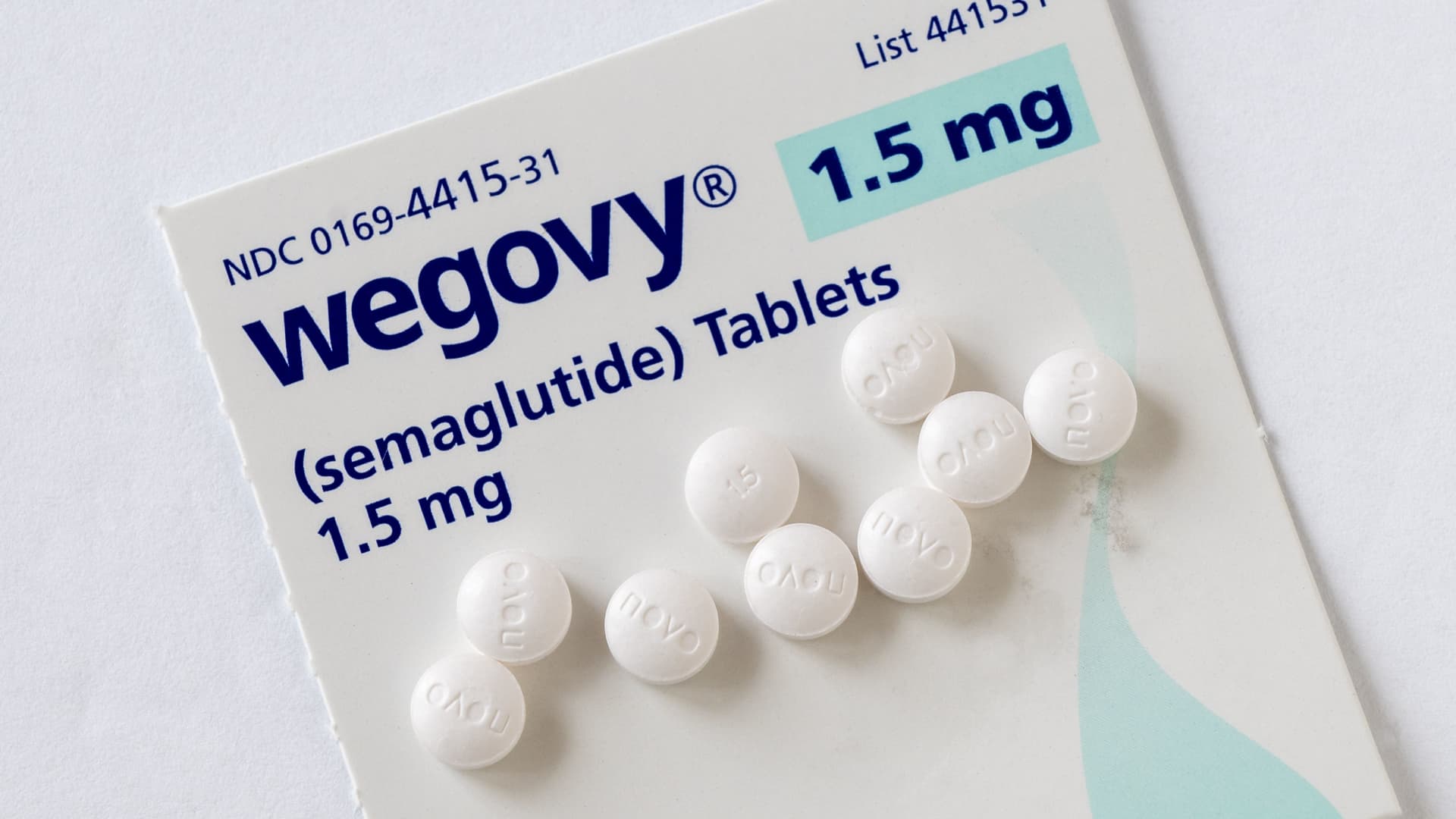
- Weight Loss Efficacy: The Wegovy pill demonstrated significantly greater mean weight loss of 16.6% compared to Eli Lilly's Foundayo, which showed only 12.4%, indicating Wegovy's competitive edge in the weight-loss drug market.
- Patient Preference Insights: An analysis by Novo revealed that 84% of patients preferred the drug profile of Wegovy, highlighting strong patient recognition of its lifestyle compatibility, which provides robust support for Novo's market promotion efforts.
- Market Competition Dynamics: The launch of the Wegovy pill is seen as the beginning of a new era in weight-loss medications; however, analysts note that the rapid increase in prescriptions may slow down as Foundayo approaches its market entry, potentially impacting Wegovy's market share.
- Side Effect Comparison: Recent studies indicate that Wegovy outperforms Foundayo in terms of discontinuation rates, with the latter associated with about 14 times higher odds of stopping treatment due to side effects, providing Wegovy with a crucial differentiation advantage in the increasingly competitive anti-obesity drug market.
See More
Five-Year Investment Analysis of CVS Health
- Investment Return Comparison: Investing $100 in CVS Health five years ago would yield approximately $108.11 today, reflecting a mere 1.6% annual growth rate, significantly lagging behind the S&P 500's 11% growth, indicating CVS's limited investment appeal.
- Revenue Growth Performance: CVS reported an 8.2% year-over-year revenue growth in Q4, with a full-year growth of 7.8%, but rising costs and shrinking profit margins pose challenges that could hinder future performance.
- Dividend Yield Analysis: With a dividend yield of 3.8%, CVS provides a stable income source; however, compared to faster-growing companies, its attractiveness may be limited, prompting investors to consider alternatives carefully.
- Market Competition Pressure: Despite CVS's established position in healthcare, analysts highlight the presence of more promising investment options, as CVS did not make the Motley Fool's list of the top 10 stocks, reflecting its relative disadvantage.
See More
Investment Return Analysis of CVS Health
- Investment Return Comparison: Investing $100 in CVS Health five years ago would yield approximately $108.11 today, reflecting a mere 1.6% average annual growth, significantly trailing the S&P 500's 11% average, indicating CVS's underperformance relative to the broader market.
- Revenue Growth Performance: CVS reported an 8.2% year-over-year revenue growth in Q4 and a 7.8% full-year growth, showcasing substantial growth; however, the company faces challenges in maintaining profit margins, highlighting the difficulty in balancing growth and profitability.
- Market Challenges: CVS's Aetna business plays a crucial role in Medicare Advantage plans, yet these plans are not expected to see significant rate increases this year, potentially impacting future revenue growth and reflecting competitive pressures in the market.
- Dividend Yield Analysis: With a current dividend yield of 3.8%, CVS offers a stable income source; however, investors should be aware of faster-growing companies and higher-yielding dividend stocks available in the market, necessitating careful selection to optimize their portfolios.
See More
Healthcare Stocks Performance in Economic Recession
- Defensive Healthcare Advantage: Large-cap healthcare stocks like Johnson & Johnson and CVS Health exhibit strong performance during economic downturns, with low beta values (0.33 for JNJ and 0.46 for CVS) indicating smaller losses during market declines, thus providing a stable income source for risk-averse investors.
- Rising Recession Risks: The ongoing conflict in Iran has led to soaring energy and food prices, increasing the risk of a global economic recession, prompting investors to gravitate towards healthcare stocks to mitigate potential market volatility and uncertainty.
- High-Risk, High-Reward Strategy: Smaller healthcare companies such as Grail and Viking Therapeutics present high-risk, high-reward investment opportunities; despite Grail's multi-cancer early detection test failing to meet primary endpoints, follow-up data could potentially shift market perceptions positively.
- Portfolio Diversification: In light of increasing economic uncertainty, building a diversified portfolio of small healthcare companies can effectively mitigate stock-specific risks, particularly those reliant on clinical trial outcomes, which may offer potential returns amidst market fluctuations.
See More
Iran Conflict Raises Recession Risks Amid Inflation
- Recession Risk: The ongoing conflict in Iran is causing inflationary pressures from soaring energy and food prices, complicating global economic challenges and increasing investor interest in healthcare stocks as a defensive measure.
- Defensive Healthcare Stocks: Large-cap pharmaceutical company Johnson & Johnson (JNJ) and integrated healthcare company CVS Health are viewed as defensive stocks, with JNJ's beta at 0.33 and CVS at 0.46, indicating their relative stability during economic downturns.
- Opportunities in Small-Cap Stocks: Investors may consider small- and mid-cap healthcare companies whose growth relies on binary events like clinical trial results, as successful firms can offset losses from others, despite the inherent risks.
- Investment Strategy Choices: Risk-averse investors may prefer low-beta defensive stocks, while risk-seeking investors might opt for high-risk, high-reward healthcare stocks to navigate potential recessionary pressures.
See More
U.S. Adds 178K Jobs in March, Unemployment Rate Dips to 4.3%
- Labor Market Recovery: The U.S. added 178,000 nonfarm jobs in March, significantly surpassing the Dow Jones estimate of 59,000, indicating signs of economic recovery despite the persistent slow-growth trend.
- Sector Growth Highlights: The healthcare sector was the largest contributor, adding 76,000 jobs, with 54,000 coming from returning workers post-strike, suggesting a rebound in this sector after facing short-term challenges.
- Unemployment Rate Changes: Although the unemployment rate dipped slightly to 4.3%, the labor force participation rate fell to 61.9% due to a decline of 396,000 individuals, reflecting underlying pressures in the job market.
- Wage Growth Slowdown: Average hourly earnings rose by only 0.2% in March, with a year-over-year increase of 3.5%, both below expectations, indicating that sluggish wage growth may impact consumer spending and overall economic growth.
See More
Wegovy Pill Shows Superior Weight Loss Over Foundayo
- Weight Loss Efficacy: The Wegovy pill demonstrated significantly greater mean weight loss of 16.6% compared to Eli Lilly's Foundayo, which showed only 12.4%, indicating Wegovy's competitive edge in the weight-loss drug market.
- Patient Preference Insights: An analysis by Novo revealed that 84% of patients preferred the drug profile of Wegovy, highlighting strong patient recognition of its lifestyle compatibility, which provides robust support for Novo's market promotion efforts.
- Market Competition Dynamics: The launch of the Wegovy pill is seen as the beginning of a new era in weight-loss medications; however, analysts note that the rapid increase in prescriptions may slow down as Foundayo approaches its market entry, potentially impacting Wegovy's market share.
- Side Effect Comparison: Recent studies indicate that Wegovy outperforms Foundayo in terms of discontinuation rates, with the latter associated with about 14 times higher odds of stopping treatment due to side effects, providing Wegovy with a crucial differentiation advantage in the increasingly competitive anti-obesity drug market.
See More