Google Unveils TurboQuant Algorithm, Significantly Enhancing AI Efficiency
Written by Emily J. Thompson, Senior Investment Analyst
Updated: Apr 04 2026
0mins


Source: Yahoo Finance
- Algorithm Efficiency Boost: Google's TurboQuant algorithm reduces memory usage by at least 6x and delivers up to 8x speedup with zero accuracy loss, potentially decreasing memory demand by 83%, thereby redefining AI efficiency.
- Market Reaction: Following this announcement, shares of memory chipmakers Micron Technology and Sandisk fell by 10% and 14%, respectively, as investors feared a significant drop in demand, reflecting market panic over Google's AI breakthrough.
- Historical Insight: The Jevons Paradox suggests that increased efficiency in resource use can lower costs and subsequently increase demand; historical examples, such as improved fuel efficiency in cars leading to higher fuel consumption, indicate that current market fears may be overstated.
- Analyst Perspective: Mizuho analyst reiterated outperform ratings on Micron and Sandisk, positing that TurboQuant's performance improvements will drive further AI adoption and strengthen demand for memory chips, despite potential short-term price pressures.
Trade with 70% Backtested Accuracy
Stop guessing "Should I Buy GOOG?" and start using high-conviction signals backed by rigorous historical data.
Sign up today to access powerful investing tools and make smarter, data-driven decisions.
Analyst Views on GOOG
Wall Street analysts forecast GOOG stock price to fall
15 Analyst Rating
14 Buy
1 Hold
0 Sell
Strong Buy
Current: 372.580

Low
255.00
Averages
336.08
High
400.00
Current: 372.580
Low
255.00
Averages
336.08
High
400.00
About GOOG
Alphabet Inc. is a holding company. The Company's segments include Google Services, Google Cloud, and Other Bets. The Google Services segment includes products and services such as ads, Android, Chrome, devices, Google Maps, Google Play, Search, and YouTube. The Google Cloud segment includes infrastructure and platform services, collaboration tools, and other services for enterprise customers. Its Other Bets segment is engaged in the sale of healthcare-related services and Internet services. Its Google Cloud provides enterprise-ready cloud services, including Google Cloud Platform and Google Workspace. Google Cloud Platform provides access to solutions such as artificial intelligence (AI) offerings, including its AI infrastructure, Vertex AI platform, and Gemini for Google Cloud; cybersecurity, and data and analytics. Google Workspace includes cloud-based communication and collaboration tools for enterprises, such as Calendar, Gmail, Docs, Drive, and Meet.
About the author

Emily J. Thompson
Emily J. Thompson, a Chartered Financial Analyst (CFA) with 12 years in investment research, graduated with honors from the Wharton School. Specializing in industrial and technology stocks, she provides in-depth analysis for Intellectia’s earnings and market brief reports.

Alphabet Shareholders Urged to Vote Against Proposal 11

- Proposal 11 Controversy: Alphabet's Proposal 11 calls for a report on data risks from governmental overreach but only cites Israel's Project Nimbus contract, failing to mention other government contracts, which reflects a selective focus that may undermine the company's governance image.
- Board Opposition: The Board of Directors of Alphabet, along with independent advisory firms ISS and Glass Lewis, recommends shareholders vote against Proposal 11, arguing that it does not effectively enhance governance and could lead to a trust crisis affecting relationships with government and defense clients.
- Low Historical Support: A similar proposal garnered only about 4.5% support from shareholders in 2025, indicating widespread opposition, and JLens and ADL urge shareholders to continue voting against it to avoid introducing risks without meaningful governance improvements.
- Clear Opposition Reasons: JLens and ADL assert that Proposal 11 mischaracterizes Project Nimbus as primarily a military initiative, neglecting its broad civilian applications, while failing to address Israel's urgent need for modern cloud and AI technologies, which could lead to revenue loss and diminished customer trust.
See More

Alphabet to Issue $80 Billion in Equity Amid AI Spending Concerns
- Equity Issuance Announcement: Alphabet, Google's parent company, plans to issue $80 billion in equity, including $10 billion in discounted stock to Berkshire Hathaway, aimed at funding its AI infrastructure buildout, indicating a growing capital demand in the AI sector.
- Market Concerns: Analyst Matt Britzman highlighted that this move raises concerns about Big Tech's spending plans in AI, although the $80 billion represents less than 2% of Alphabet's $4.6 trillion market capitalization, which could still impact investor confidence.
- Increased Capital Needs: The funding requirement reflects a shift in the AI arms race towards a more capital-intensive phase, suggesting that tech giants may engage in more financing activities in the future, affecting the overall capital flow in the industry.
- Investor Sentiment Fluctuation: The market's reaction to this news may lead to a decline in stock prices, as investors express unease about the future spending plans of major tech companies, potentially impacting their short-term stock performance.
See More

Apple Stock Rises 15% Amid AI Market Confidence


- Stock Surge: According to S&P Global Market Intelligence, Apple Inc. (AAPL) saw a 15% stock increase in May, driven by market confidence in artificial intelligence, indicating investor optimism about Apple's future potential despite no specific news.
- Strong iPhone Sales: In the fiscal second quarter of 2026, Apple reported a 22% year-over-year increase in iPhone sales, demonstrating that its strategy of focusing on hardware rather than diversifying has been successful, further solidifying its market dominance.
- AI Feature Integration: Apple has launched several AI features, such as live translation and image cleanup tools, which enhance user experience, showcasing Apple's commitment to privacy even as its AI plans have not materialized as expected.
- Collaboration with Alphabet: Apple is partnering with Alphabet to develop custom large language models to enhance its Siri digital assistant, with a delayed launch expected at next week's Apple Worldwide Developers Conference, further strengthening its competitive edge in the product ecosystem.
See More
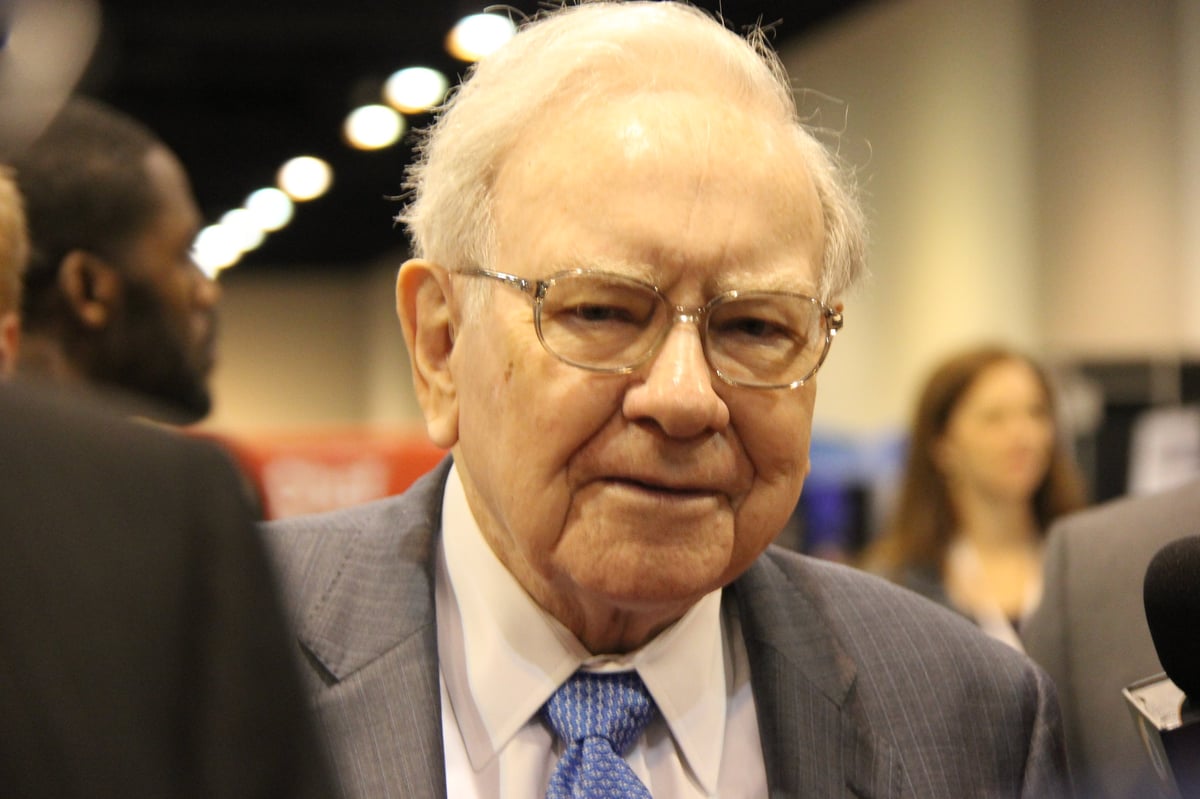
Berkshire Hathaway's New Strategy Post-Buffett Retirement

- New CEO's Strategic Shift: Following Warren Buffett's retirement on December 31, 2025, Greg Abel swiftly overhauled Berkshire Hathaway's investment portfolio, exiting one-third of its positions, which underscores his commitment to redefining the company's future direction.
- Concentration in Apple: Abel concentrated over 28% of the portfolio in Apple and Alphabet, with Apple's investment reaching $71.1 billion, accounting for 21.6% of invested assets, reflecting confidence in Apple's long-term growth potential despite Buffett's previous selling trend.
- Increased Stake in Alphabet: Under Abel's leadership, Berkshire acquired 36.4 million additional shares of Alphabet Class A and opened a new position with 3.6 million Class C shares, making it a top-five investment valued at $22 billion, highlighting the focus on Alphabet's AI capabilities.
- AI-Driven Growth Potential: Abel believes that the investments in Apple and Alphabet will drive long-term growth, particularly as Google Cloud's sales surged by 63% year-over-year in Q1, indicating strong demand and profitability in AI applications.
See More

Wall Street Predicts 14% Upside for S&P 500


- S&P 500 Target Price: Wall Street anticipates a 14% increase in the S&P 500 over the next year, with a target price of 8,698, up from the current level of 7,615, reflecting optimism about economic recovery.
- Healthcare Sector Outlook: Analysts predict that earnings growth in the healthcare sector will slow to 3% by 2026, although it is expected to accelerate to 19% in 2027; however, the current valuation of 27 times earnings may deter investors due to perceived overvaluation.
- Communication Services ETF Performance: The Vanguard Communication Services ETF has returned 152% over the past decade (annualized at 9.6%), with major holdings like Alphabet and Meta, and is projected to see earnings growth of 28% in 2026, indicating strong growth potential.
- Investment Recommendations: Despite the positive outlook for healthcare and communication services, analysts suggest maintaining a larger allocation in S&P 500 index funds to mitigate potential market volatility and capitalize on the strong performance of technology stocks.
See More

Berkshire Hathaway's Portfolio Overhaul Post-Buffett Retirement
- Portfolio Overhaul: Following Warren Buffett's retirement on December 31, 2025, Greg Abel swiftly revamped Berkshire's $330 billion investment portfolio by exiting one-third of its positions and concentrating 28% of assets in Apple and Alphabet, reflecting a strong confidence in artificial intelligence.
- Apple's Lasting Appeal: Despite Buffett selling 75% of Berkshire's Apple stake during his tenure, Apple still accounts for 22% of the company's invested assets, and Abel believes it will be a long-term compounder, with AI integration expected to further boost demand for iPhones and Macs.
- Strategic Investment in Google: In the first quarter, Abel acquired 36.4 million shares of Alphabet Class A and 3.6 million shares of Class C, making it a top-five position valued at $22 billion, indicating confidence in Google's long-term growth potential in AI applications.
- AI-Driven Growth: Google Cloud's sales surged by 63% year-over-year in the first quarter, driven by the integration of generative AI solutions, and Abel's investment strategy signals that tech stocks will be a significant focus for Berkshire in the post-Buffett era.
See More
Alphabet Shareholders Urged to Vote Against Proposal 11
- Proposal 11 Controversy: Alphabet's Proposal 11 calls for a report on data risks from governmental overreach but only cites Israel's Project Nimbus contract, failing to mention other government contracts, which reflects a selective focus that may undermine the company's governance image.
- Board Opposition: The Board of Directors of Alphabet, along with independent advisory firms ISS and Glass Lewis, recommends shareholders vote against Proposal 11, arguing that it does not effectively enhance governance and could lead to a trust crisis affecting relationships with government and defense clients.
- Low Historical Support: A similar proposal garnered only about 4.5% support from shareholders in 2025, indicating widespread opposition, and JLens and ADL urge shareholders to continue voting against it to avoid introducing risks without meaningful governance improvements.
- Clear Opposition Reasons: JLens and ADL assert that Proposal 11 mischaracterizes Project Nimbus as primarily a military initiative, neglecting its broad civilian applications, while failing to address Israel's urgent need for modern cloud and AI technologies, which could lead to revenue loss and diminished customer trust.
See More
Alphabet to Issue $80 Billion in Equity Amid AI Spending Concerns
- Equity Issuance Announcement: Alphabet, Google's parent company, plans to issue $80 billion in equity, including $10 billion in discounted stock to Berkshire Hathaway, aimed at funding its AI infrastructure buildout, indicating a growing capital demand in the AI sector.
- Market Concerns: Analyst Matt Britzman highlighted that this move raises concerns about Big Tech's spending plans in AI, although the $80 billion represents less than 2% of Alphabet's $4.6 trillion market capitalization, which could still impact investor confidence.
- Increased Capital Needs: The funding requirement reflects a shift in the AI arms race towards a more capital-intensive phase, suggesting that tech giants may engage in more financing activities in the future, affecting the overall capital flow in the industry.
- Investor Sentiment Fluctuation: The market's reaction to this news may lead to a decline in stock prices, as investors express unease about the future spending plans of major tech companies, potentially impacting their short-term stock performance.
See More
Apple Stock Rises 15% Amid AI Market Confidence
- Stock Surge: According to S&P Global Market Intelligence, Apple Inc. (AAPL) saw a 15% stock increase in May, driven by market confidence in artificial intelligence, indicating investor optimism about Apple's future potential despite no specific news.
- Strong iPhone Sales: In the fiscal second quarter of 2026, Apple reported a 22% year-over-year increase in iPhone sales, demonstrating that its strategy of focusing on hardware rather than diversifying has been successful, further solidifying its market dominance.
- AI Feature Integration: Apple has launched several AI features, such as live translation and image cleanup tools, which enhance user experience, showcasing Apple's commitment to privacy even as its AI plans have not materialized as expected.
- Collaboration with Alphabet: Apple is partnering with Alphabet to develop custom large language models to enhance its Siri digital assistant, with a delayed launch expected at next week's Apple Worldwide Developers Conference, further strengthening its competitive edge in the product ecosystem.
See More
Berkshire Hathaway's New Strategy Post-Buffett Retirement
- New CEO's Strategic Shift: Following Warren Buffett's retirement on December 31, 2025, Greg Abel swiftly overhauled Berkshire Hathaway's investment portfolio, exiting one-third of its positions, which underscores his commitment to redefining the company's future direction.
- Concentration in Apple: Abel concentrated over 28% of the portfolio in Apple and Alphabet, with Apple's investment reaching $71.1 billion, accounting for 21.6% of invested assets, reflecting confidence in Apple's long-term growth potential despite Buffett's previous selling trend.
- Increased Stake in Alphabet: Under Abel's leadership, Berkshire acquired 36.4 million additional shares of Alphabet Class A and opened a new position with 3.6 million Class C shares, making it a top-five investment valued at $22 billion, highlighting the focus on Alphabet's AI capabilities.
- AI-Driven Growth Potential: Abel believes that the investments in Apple and Alphabet will drive long-term growth, particularly as Google Cloud's sales surged by 63% year-over-year in Q1, indicating strong demand and profitability in AI applications.
See More
Wall Street Predicts 14% Upside for S&P 500
- S&P 500 Target Price: Wall Street anticipates a 14% increase in the S&P 500 over the next year, with a target price of 8,698, up from the current level of 7,615, reflecting optimism about economic recovery.
- Healthcare Sector Outlook: Analysts predict that earnings growth in the healthcare sector will slow to 3% by 2026, although it is expected to accelerate to 19% in 2027; however, the current valuation of 27 times earnings may deter investors due to perceived overvaluation.
- Communication Services ETF Performance: The Vanguard Communication Services ETF has returned 152% over the past decade (annualized at 9.6%), with major holdings like Alphabet and Meta, and is projected to see earnings growth of 28% in 2026, indicating strong growth potential.
- Investment Recommendations: Despite the positive outlook for healthcare and communication services, analysts suggest maintaining a larger allocation in S&P 500 index funds to mitigate potential market volatility and capitalize on the strong performance of technology stocks.
See More
Berkshire Hathaway's Portfolio Overhaul Post-Buffett Retirement
- Portfolio Overhaul: Following Warren Buffett's retirement on December 31, 2025, Greg Abel swiftly revamped Berkshire's $330 billion investment portfolio by exiting one-third of its positions and concentrating 28% of assets in Apple and Alphabet, reflecting a strong confidence in artificial intelligence.
- Apple's Lasting Appeal: Despite Buffett selling 75% of Berkshire's Apple stake during his tenure, Apple still accounts for 22% of the company's invested assets, and Abel believes it will be a long-term compounder, with AI integration expected to further boost demand for iPhones and Macs.
- Strategic Investment in Google: In the first quarter, Abel acquired 36.4 million shares of Alphabet Class A and 3.6 million shares of Class C, making it a top-five position valued at $22 billion, indicating confidence in Google's long-term growth potential in AI applications.
- AI-Driven Growth: Google Cloud's sales surged by 63% year-over-year in the first quarter, driven by the integration of generative AI solutions, and Abel's investment strategy signals that tech stocks will be a significant focus for Berkshire in the post-Buffett era.
See More